
Where to Buy Quality Succulent Soil and Potting Mix
Finding the perfect soil for your succulents can feel confusing, but I promise it’s simpler than you think. The right potting mix is the secret to a thriving, happy plant, and I’ve tested dozens to find the best sources.
I’ll guide you through my favorite spots, from local shops to online giants. You’ll learn about local garden centers, big-box stores, online retailers, and what to look for on the bag’s ingredient list.
What Truly Makes a High-Quality Succulent Potting Mix
After years of trial and error, I’ve learned that the perfect succulent soil isn’t really soil at all in the traditional sense. The single most important job of a succulent mix is to drain water away from the roots incredibly fast, preventing the rot that kills more of these plants than anything else. Think of it as creating a cozy, breathable bed for your plant’s roots, not a wet, muddy swamp.
The Essential Fast-Draining Team
You want a mix that’s mostly made of gritty, inorganic materials. My go-to recipe includes three key players:
- Perlite: Those little white, popcorn-like pieces are super-lightweight and create essential air pockets.
- Pumice: This is my personal favorite; it’s a porous volcanic rock that holds a tiny bit of moisture and nutrients without ever getting soggy.
- Coarse Sand (Horticultural Grit): This is not the fine sand from a sandbox! You need sharp, gritty sand that improves drainage and adds weight to keep top-heavy plants from tipping over.
Your Ingredient Checklist
When you’re scanning a bag at the store, here’s what to hunt for and what to run from.
Look For:
- Pumice or Lava Rock
- Perlite
- Coarse Sand/Grit
- Pine Bark Fines (small chunks)
- Coco Coir (a sustainable peat-alternative)
Avoid Like the Plague:
- Mixes that feel heavy, dense, or clumpy
- Fine, powdery sand
- Water-retaining crystals or gels
- High amounts of peat moss (it turns hydrophobic when dry)
- Any bag labeled just “Potting Soil” without “Cactus & Succulent” or “Fast-Draining”
The Feel of a Premium Mix
Close your eyes and feel the mix through the bag. A great succulent soil should feel gritty and loose, almost like a coarse gravel path, and it should not hold its shape if you squeeze a handful. If you can form a damp clump that stays together, it’s too dense and will suffocate your plant’s roots. It should also be relatively lightweight for its volume, thanks to all that perlite and pumice.
Your Local Shopping Guide for Succulent Soil
Big-Box Stores and Home Improvement Centers
Stores like Home Depot, Lowe’s, and Walmart are incredibly convenient, and I buy soil there often. The biggest pro is accessibility and price, but the con is that you have to be a savvy shopper to find the diamond in the rough. You’ll typically find a few national brands, but their quality can be inconsistent.
My on-the-spot checklist for evaluating a bagged mix in a big-box store:
- Lift the Bag: Does it feel surprisingly light? This is a good sign of perlite and pumice.
- Squeeze the Bag: Can you feel distinct, gritty chunks, or does it feel like a solid brick of dirt?
- Check the Ingredients: Look for the words “pumice,” “perlite,” or “sand” high on the list.
- Look for Moisture: Avoid any bags that feel damp or have mold spots-this is a sign of poor storage and a mix that holds too much water.
When reading labels, the first three ingredients tell you almost everything you need to know. If you see “composted forest products” or “sphagnum peat moss” listed first, put it back. You want to see an inorganic material like pumice or perlite at the top. A quick tip: I often have better luck with mixes specifically branded for cacti than general “succulent” mixes at these stores.
Specialty Nurseries and Local Garden Centers
This is where the magic happens for a serious plant parent. Specialty stores almost always carry premium, small-batch soils that are far superior to what you find in a big box store. I’ve found my absolute favorite blends, like Bonsai Jack and Superfly Succulents mix, at local nurseries. The price per bag is higher, but the quality is unmatched, especially when you’re using them for succulents.
The staff expertise is the secret weapon here. These folks are usually passionate plant people who use these soils themselves and can give you a genuine, experience-based recommendation. They can point you to a specific mix that works wonders for your local humidity and the types of succulents you’re growing.
Don’t be shy! Walk right up and ask these questions to find your perfect mix:
- “Which mix do you use for your own personal succulent collection?”
- “Do you have a grittier mix for mesembs like Lithops, or is this one better for Echeverias?”
- “Does this brand contain any water-retaining crystals or wetting agents?”
- “Is this a pre-mixed blend, or is it just a base I should amend with more perlite?”
Navigating the World of Online Succulent Soil Retailers
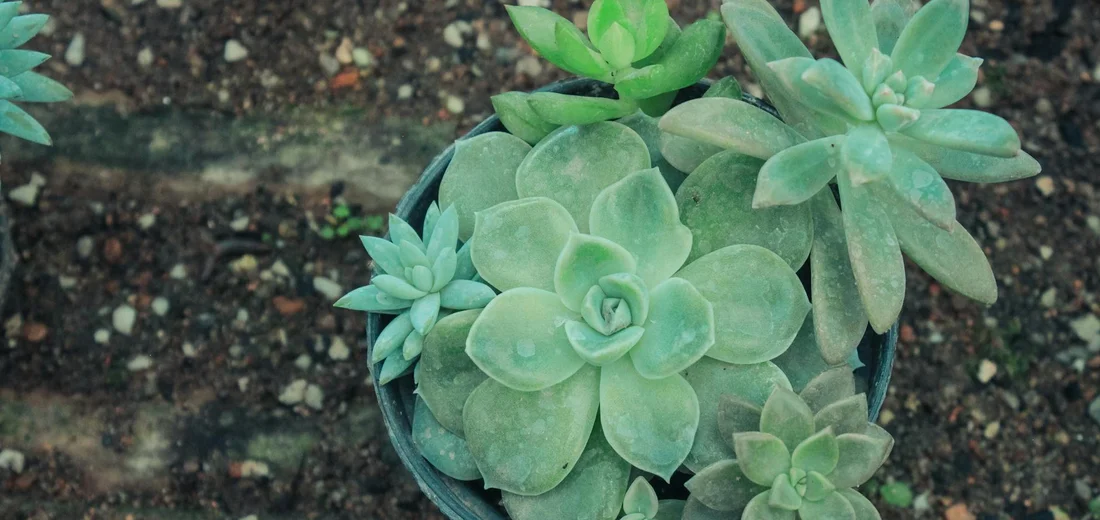
I’ve bought my fair share of succulent soil online, and it can feel like a gamble if you don’t know what to look for. My best advice is to treat the search like you’re hiring a babysitter for your plants—you need to be thorough and check their references. Different succulent types actually thrive in different soil mixes. So you’ll want to pick mixes tailored to each variety.
Start by narrowing down your search to reputable garden centers or specialized succulent shops. I often find the best products aren’t on the giant, one-stop-shop sites but on smaller, dedicated plant stores. See our complete shopping guide on where to buy succulent plants for easy comparisons of nurseries, specialty shops, and online retailers. It helps you spot trustworthy sources and avoid low-quality stock.
Key Factors to Consider Before You Click “Buy”
- Shipping Cost and Speed: Soil is heavy, and shipping costs can sometimes double your order total. Look for sites that offer flat-rate shipping or free shipping thresholds.
- Packaging Integrity: A good retailer will package the bag in a sturdy box to prevent it from tearing open in transit. I once received a bag that had burst, and it was a nightmare.
- Authentic Customer Reviews: Don’t just look at the star rating. Read the reviews! People often share photos of the actual soil texture and mention how their plants responded.
- Return Policy: Check if you can return an opened bag if the mix isn’t what you expected. This is a sign of a confident seller.
Decoding Product Descriptions and Reviews
When you’re staring at a product page, the phrase “well-draining” is your baseline. I always look for specific ingredients listed, like perlite, pumice, or coarse sand, as these are the real heroes for preventing root rot.
Be wary of mixes that just say “for cacti and succulents” without any ingredient details. In reviews, I scan for keywords like “chunky,” “gritty,” or “doesn’t hold water.” If multiple people mention adding extra perlite themselves, that’s a red flag that the mix isn’t gritty enough straight out of the bag. Proper use of perlite in succulent soil mixes is crucial for ensuring good drainage.
How to Spot a Premium Commercial Succulent Mix
You don’t need a lab to figure out if a bag of soil is high quality. Over the years, I’ve developed a simple, hands-on method that has never failed me. A premium mix should feel light and airy in your hands, not dense and clumpy like garden soil.
The Simple Squeeze Test for Drainage
This is my go-to test right in the store or when a new bag arrives at my door.
- Grab a Handful: Take a small, damp sample of the potting mix. If it’s bone dry, lightly mist it with water until it’s just moist.
- Make a Fist: Squeeze the handful of soil firmly in your hand for a few seconds.
- Open Your Palm: This is the crucial part. Poke the ball of soil with your finger. A good mix will crumble apart easily. A poor mix will stay in a tight, muddy clump.
If it forms a clump, that soil will hold too much water around your succulent’s roots. Walk away from that bag and find one that passes the crumble test.
Comparing Common Bagged Mix Formulations
| Mix Type | Key Ingredients | Best For |
|---|---|---|
| Standard Peat-Based | Peat moss, perlite, sand | Beginners or succulents that prefer a bit more moisture, like some Sedums. I often add more grit to these. |
| Gritty & Chunky Mix | Pumice, scoria (lava rock), pine bark | Advanced collectors, mesembs (like Lithops), and any succulent prone to rot. This is my personal favorite for most of my collection. |
| Coir-Based Mix | Coconut coir, perlite, compost | Gardeners looking for a more sustainable, peat-free option. It’s great, but always check the texture as coir can sometimes be too fine. |
Creating Your Own Easy DIY Succulent Potting Mix
I mix my own soil for about 90% of my succulents, and it has completely changed my success rate. Creating a custom blend gives you total control over drainage, which is the single most important factor for happy succulents. It’s cheaper than buying pre-made bags for a large collection, and it’s surprisingly simple. If you want hands-on control, try succulent potting mix DIY recipes. They’re easy to test and adjust for your climate.
My Go-To Simple Succulent Mix Recipe
This is the basic, all-purpose recipe I use for most of my echeverias, sedums, and haworthias. You can find everything at a garden center or a big-box home improvement store.
- All-Purpose Potting Soil (2 parts): This is the base. Don’t use soil from your garden, as it’s too dense and can harbor pests. Look for a bag without added moisture-retaining crystals.
- Perlite (1 part): Those little white, lightweight balls. They are fantastic for creating air pockets and preventing soil compaction.
- Coarse Sand (1 part): This is critical-you must use coarse, horticultural sand or builder’s sand, not fine play sand. Fine sand will cement your soil into a brick.
How to Mix Your Soil Safely and Effectively
Mixing soil can be a dusty job, so I always do this on my patio or in a well-ventilated area.
- Gather your ingredients and a large, clean tub or bucket. A small trowel or a large serving spoon works perfectly for mixing.
- Put on a dust mask. Perlite and sand dust isn’t something you want to breathe in.
- Start by adding the 2 parts potting soil to your tub.
- Add the 1 part perlite and 1 part coarse sand on top.
- Use your trowel or hands (with gloves on!) to mix everything thoroughly until the color is uniform and you see the perlite and sand evenly distributed.
- Your mix is ready to use! It should feel gritty and loose, not clumpy or sticky.
Quick Tip: Always moisten your dry soil mix slightly before repotting your succulents to help the roots settle in without shock. This is a foundational step in our repot succulents beginners step-by-step guide. Follow along for clear, beginner-friendly instructions.
Key Ingredients to Source for a Custom Soil Blend
Understanding what each ingredient does lets you tweak the recipe for specific plants. Think of these components as your soil-building toolkit for perfect drainage and aeration.
The Role of Each Component
- Perlite: This is expanded volcanic glass. It’s super light and porous, creating essential air space in the soil. It doesn’t hold water but ensures oxygen reaches the roots.
- Pumice: A heavier, porous volcanic rock. I prefer pumice over perlite for top-heavy plants because it doesn’t float to the top when you water. It provides excellent drainage and is slightly abrasive, which succulents love.
- Coarse Sand: This adds weight and grit, mimicking the succulent’s natural, rocky habitat. It improves drainage dramatically by separating the soil particles so water can flow through freely.
- Pine Bark Fines: These small chunks of composted bark add organic matter that breaks down slowly. They also create tiny pockets that hold a bit of moisture and air, which is great for epiphytic cacti like Christmas Cactus.
Where to Find Your Soil Amendments
You don’t need to go to a specialty store to get started.
- Locally: Any garden center, nursery, or store like Home Depot or Lowe’s will carry potting soil, perlite, and often coarse sand (check the landscaping section).
- Online: For more specific ingredients like pumice or high-quality pine bark, online retailers like Amazon or specialty succulent shops are your best bet. I buy my pumice in bulk online.
Adjusting Your Mix Ratios
The beauty of a DIY mix is customization. Adjusting the ratio of organic material (potting soil) to inorganic material (grit) is how you control moisture.
- For succulents that hate wet feet (like Lithops or some mesembs), I use a much grittier mix: 1 part potting soil to 2 or even 3 parts pumice and coarse sand.
- For jungle cacti or more moisture-tolerant succulents, I’ll use a slightly richer mix: 2 parts potting soil, 1 part perlite, and 1 part bark fines.
Quick Tip: A mix that feels gritty and falls apart easily in your hand is usually just right. If it forms a clump, add more perlite or pumice.
## Common Questions
Where is the best place to buy succulents online?
You can find a wide variety of healthy succulents from specialized online nurseries and reputable plant shops.
Can I buy succulents online cheap?
Yes, many online retailers offer affordable options, especially for common succulent varieties and mixed collections. If you’re buying succulents in bulk, look for wholesale suppliers or nurseries that offer bulk pricing. You can compare bulk pricing and shipping terms to get the best deal.
Where can I buy succulents online with free shipping?
Look for online plant stores that offer free shipping on orders over a certain amount, which is ideal for heavy items like soil and plants.
What are good online stores to buy succulents in Florida?
Several online nurseries based in Florida specialize in succulents that are well-adapted to the local climate.
Where can I buy succulents online in California?
Many excellent online succulent sellers are located in California, offering a huge selection of common and rare varieties. These retailers also offer high-quality artificial succulents for instant greenery. If you’re wondering where to buy real succulents or convincing faux succulents, these California-based retailers are a great starting point.
Are there online shops to buy succulents in the UK, Canada, and Europe?
Yes, you can find dedicated online succulent retailers in the UK, Canada (including Ontario), Europe, and New Zealand that ship within their regions. If you’re after rare Korean succulents online, look for specialty nurseries that stock or import Korean cultivars. Many such retailers offer regional or international shipping options.
Your Succulent Soil Success Starts Here
From my years of nurturing succulents, the single best move you can make is investing in a well-draining potting mix to prevent root rot and promote vibrant growth.
- Always check the ingredient list for perlite, coarse sand, or pumice.
- Shop at local garden centers for hands-on selection or trusted online stores for convenience.
- Test soil moisture with your finger before watering to avoid over-saturation.
You’re now equipped with the knowledge to pick the perfect soil and watch your succulents thrive. Go ahead, repot with confidence and enjoy the rewarding journey of plant parenthood-your green friends will thank you!
Further Reading & Sources
- Miracle-Gro Succulent Potting Mix | Miracle Gro
- Succulents – Potting Soil – The Home Depot
- Molly’s Succulent Mix – Premium Gritty Soilless Potting Mix for Succulents, Cactus and Bonsai – VeryPlants – VERYPLANTS US LLC
- Cactus and Succulent Soil – rePotme
Lena Greenfield is a passionate horticulturist and plant care expert with over 10 years of experience cultivating and nurturing hardy house plants. With a deep understanding of both indoor and outdoor gardening, Lena shares practical advice on choosing, caring for, and maintaining resilient plants that flourish year-round. Through her knowledge and hands-on approach, Lena helps plant lovers transform their spaces into vibrant, green sanctuaries, no matter their gardening experience.
Soil Types