
Where to Buy Succulent Plants: Complete Shopping Guide
Published on: September 20, 2026 | Last Updated: September 20, 2026
Written By: Lena Greenfield
Finding the perfect succulent can feel overwhelming with so many places to look, and you might be worried about ending up with a sickly plant. I’ve been there, and after years of collecting, I’ve learned the best spots that offer healthy, beautiful succulents.
I’ll walk you through all your options, from local gems to the best online shops. We’ll cover local garden centers, big-box stores, specialty nurseries, online shops, seasonal markets, and what to look for to ensure you bring home a thriving plant.
Finding Succulents at Local Shops and Nurseries
Big Box Stores and Garden Centers
You can find a surprisingly good selection of common succulents at stores like Home Depot, Lowe’s, and Walmart, especially during the spring and summer months. I always check the clearance rack first because I’ve rescued many perfectly healthy, just-thirsty succulents for a fraction of the price. The plants here are often affordable and readily available, making them a great starting point for beginners.
Remember to give any plant from a big box store a thorough inspection before you buy it. Gently tip the plant out of its pot to check for soggy, black roots or tiny bugs crawling in the soil, two issues I’ve encountered more than once. These stores often overwater their plants, so letting the soil dry out completely after you bring your new friend home is a good first step.
Specialty Plant Nurseries and Local Greenhouses
For healthier plants and expert advice, nothing beats a local nursery or greenhouse. The staff at my favorite local spot have taught me more about succulent care over a casual chat than I’ve learned from hours of online research. You’ll typically find plants that are better acclimated to your local climate and a wider variety of unusual species you won’t see elsewhere. An outdoor succulent care guide is a useful companion when you’re growing succulents in your garden. With the right sun, drainage, and occasional feeding, you’ll keep them thriving year-round.
While you might pay a little more, the quality is almost always superior. I find that nursery-grown succulents have stronger root systems and are less likely to have pest problems, saving me from headaches down the road. It’s also a wonderful way to directly support small businesses in your own community.
Farmers’ Markets and Pop-Up Plant Sales
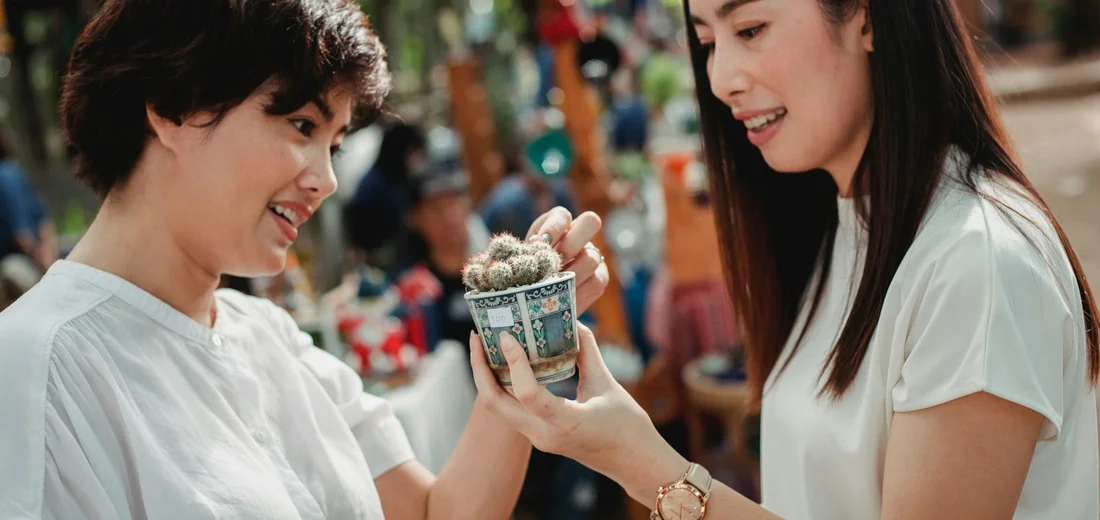
Farmers’ markets are a treasure trove for unique and locally propagated succulents. I’ve found some of my most interesting haworthias and echeverias at weekend markets from vendors who are genuinely passionate about their plants. You can often find arrangements in handmade pots or get tips on propagation directly from the grower.
Keep an eye on community boards and social media for pop-up plant sales, which are especially common in the spring. These events are perfect for finding rare specimens and connecting with other plant lovers in your area, turning a shopping trip into a social experience. The prices can be very competitive, and the selection is always a fun surprise.
Exploring Online Stores for Succulent Plants
Dedicated Online Succulent Nurseries
When I’m searching for a specific, hard-to-find succulent, my first stop is always a dedicated online nursery. Shops like Mountain Crest Gardens and Succulents Depot specialize in succulents, which means their plants are healthy, properly identified, and packed with care for shipping. They often provide detailed care guides tailored to each species, which is incredibly helpful. Many vendors publish essential succulent care guides for specific varieties. These handy resources spell out light, water, and soil needs for each plant.
You do pay a premium for this specialization and careful shipping. Always read the shipping and guarantee policies carefully, as a good nursery will have a live arrival guarantee to protect your purchase. I’ve had great success with these shops, and the plants arrive looking like they just came from a local greenhouse.
Large Online Marketplaces
Websites like Etsy and eBay connect you with individual sellers and small nurseries from all over the country. The sheer variety on Etsy is astounding, allowing you to find everything from common jade plants to incredibly rare, variegated succulents. I love being able to read detailed reviews from other buyers about their specific experiences with a seller.
The key here is to vet the seller thoroughly before clicking “buy.” I only purchase from sellers with plenty of positive reviews and clear photos of the actual plant I will receive, not just a stock image. Be prepared for variability in size and packaging quality, as it depends entirely on the individual seller.
Monthly Succulent Subscription Boxes
For a fun, surprise element, a monthly subscription box is a delightful way to grow your collection. Services like Succulent Studios and Leaf & Clay’s subscription send you a curated selection of healthy plants right to your door every month, which feels like receiving a present from your past self. It’s a fantastic, low-effort way to learn about new varieties.
This is best for someone who enjoys the surprise and isn’t looking for something specific. Subscription boxes introduced me to several succulents I would never have picked out myself but have become absolute favorites in my collection. Just be sure you have enough space and light for a steady stream of new plant friends!
How to Choose the Healthiest Succulent Plants
Inspecting Leaves and Stems
When I’m at a nursery, I always start by running my fingers over the leaves. Plump, firm leaves are the number one sign of a well-hydrated, happy plant. They should feel taut and full of moisture, not soft or squishy.
Give the plant a gentle wiggle from the base. A healthy succulent should feel firmly anchored in its soil. If the whole plant wobbles loosely, it might have root rot, which is a much bigger problem to fix.
I carefully check the spaces between leaves and the underside of the foliage for any unwanted guests. Look closely for tiny webs (spider mites), white fluffy spots (mealybugs), or small, stationary bumps (scale). I’ve brought home pests before, and it’s a lesson you only need to learn once.
Avoid any plant with yellowing, translucent, or black-spotted leaves. These are classic signs of overwatering and potential rot that can spread quickly through your collection.
Evaluating the Roots and Soil
If it’s possible, I always ask if I can gently slide the plant out of its pot to peek at the roots. Healthy succulent roots are typically white or light tan and feel firm to the touch. Dark, mushy, or slimy roots mean trouble.
Smell the soil. This might sound strange, but it’s a trick I use all the time. Healthy soil should smell earthy and fresh. If you get a whiff of something sour, musty, or rotten, that’s a red flag for root rot.
The soil itself should be dry or barely moist. Succulents sitting in soaking wet soil are a huge risk. I walk right past them, as they’re often already stressed.
Check for a white, crusty buildup on the top of the soil or the pot’s rim. This is a sign of mineral deposits from hard water or over-fertilization, which can eventually harm the plant.
Caring for Your New Succulents After Buying
The First Steps: Quarantine and Acclimation
Your first job when you get home isn’t watering-it’s isolating. I keep all new plants in a separate room away from my existing collection for at least two weeks. This prevents any hidden pests or diseases from spreading.
During this quarantine period, place your succulent in a spot with bright, indirect light, even if it’s a full-sun variety. This gives it time to acclimate to your home’s light levels and temperature without getting sunburned. If sunburn occurs, move the plant to a shadier spot and reintroduce light gradually. For prevention, keep light exposure gradual and avoid the harsh midday sun.
Resist the urge to water it immediately. The plant is already stressed from the move. I wait at least 5-7 days after bringing it home before I even think about giving it a drink.
Repotting for Long-Term Success
Most store-bought succulents come in dense, moisture-retentive soil that isn’t ideal long-term. Repotting your succulent into a fresh, gritty mix is the single best thing you can do for its future health.
I always choose a pot with a drainage hole. I’ve learned this the hard way-without one, water pools at the bottom and invites root rot. Terracotta pots are my favorite because they’re porous and help the soil dry out faster.
Here is my simple repotting routine:
- Gently remove the plant from its nursery pot.
- Loosen the old soil and carefully shake it away from the roots.
- Inspect the roots one more time and trim any that are dark or mushy with clean scissors.
- Place the plant in its new pot and fill around it with a specialty succulent or cactus potting mix.
- Wait another 4-5 days before watering to allow any disturbed roots to heal.
Budgeting for Your Succulent Collection
Understanding Price Ranges for Common and Rare Varieties
Succulent prices can vary wildly, and it helps to know what to expect. Common varieties like Echeverias, Aloes, and Haworthias are usually very affordable, often between $3 and $10 for a small pot.
The price jumps when you get into variegated plants (those with unique white or yellow streaks) or rare hybrids. I’ve seen small, highly sought-after succulents, like a variegated String of Hearts, sell for over $50 online.
Mature, large specimen plants will always cost more than a 2-inch starter. A large, beautiful Jade plant can easily be $25-$50, while a tiny cutting might only be a few dollars.
Finding Affordable and Budget-Friendly Options
You don’t need a huge budget to start a collection. My most successful and prolific plants often started as tiny, inexpensive cuttings from friends or local plant swaps.
Grocery stores and big-box home improvement centers frequently have the best prices on common succulents. I always check the clearance rack, where I’ve found perfectly healthy plants that just need a little TLC. If you’re buying in bulk, look for wholesale nurseries or garden centers that sell succulents by the tray or pound. Bulk purchases can be a cost-effective option for larger projects or events.
Consider starting with “propagator” plants like Sedums or many types of Echeveria. These varieties readily grow new plants from a single leaf, giving you endless free plants to grow or share.
Don’t overlook online marketplaces, but be sure to factor in shipping costs. Sometimes, buying a few plants from one seller to combine shipping is more cost-effective than buying a single plant from multiple places.
## Common Questions
Where can I buy succulent plants online?
You can purchase healthy succulents from dedicated online nurseries like Mountain Crest Gardens or on large marketplaces like Etsy. If you’re exploring artificial options as well, you can find convincing artificial succulents at home decor stores or online plant-supply shops. This lets you compare real and artificial plants to suit your space.
How do I find places to buy succulent plants near me?
Use online search engines and maps with the phrase “succulent plants near me” to discover local garden centers and specialty nurseries in your area.
Is it possible to buy succulent plant seeds?
Yes, you can buy succulent seeds from online retailers, but they require more time and specific conditions to grow compared to established plants. If you’re pursuing seeds, you might wonder where to buy succulent seeds from an online store you can trust. Look for reputable sources and trusted stores that specialize in succulent seeds, with clear germination guides and customer reviews.
Where can I buy succulent plants online in Canada?
Many dedicated online succulent shops ship within Canada, and you can also filter for Canadian sellers on large platforms like Etsy.
Can I buy succulent plants in the 10025 zip code?
Yes, search for local plant shops and garden centers in the 10025 area or use online stores that deliver to your specific zip code.
Are there online stores for buying succulent plants in Bass Coast, Victoria?
Yes, look for Australian-based online nurseries that offer shipping to the Bass Coast region or local Victorian sellers on plant marketplace websites.
Your Path to Plant Parenthood
Ultimately, finding the perfect succulent comes down to choosing a healthy plant from a source you trust and one that matches your home’s environment. Remember to prioritize a plant’s vitality and your own care capabilities over everything else, especially when learning what succulents need to thrive.
- Inspect the plant for firmness and color.
- Match the plant’s light needs to your space.
- Read seller reviews for quality assurance.
You now have all the knowledge you need to confidently find and bring home a wonderful new succulent. Trust your instincts, give your new plant some bright light and a little love, and enjoy the unique, low-maintenance joy it will bring to your home. This naturally leads into our newly propagated succulents aftercare guide, with simple steps to help it settle in. Keep the guide handy for ongoing tips on watering, light, and repotting.
Further Reading & Sources
- Live Succulents & Houseplants for Sale Online | Succulents Box®
- Elevated Botanicals – Succulents & Houseplants | Leaf & Clay®
- Succulents – The Home Depot
- SHOP – UnusualSeeds
Lena Greenfield is a passionate horticulturist and plant care expert with over 10 years of experience cultivating and nurturing hardy house plants. With a deep understanding of both indoor and outdoor gardening, Lena shares practical advice on choosing, caring for, and maintaining resilient plants that flourish year-round. Through her knowledge and hands-on approach, Lena helps plant lovers transform their spaces into vibrant, green sanctuaries, no matter their gardening experience.
Types of Succulents