
Low-Light Succulents: The Best Varieties for Dim Rooms
Published on: August 27, 2026 | Last Updated: August 27, 2026
Written By: Lena Greenfield
You might think you can’t grow succulents in your dim room, but you absolutely can. I’ve filled countless low-light spaces with happy, healthy succulents, and you can too.
Let’s explore the best low-light champions, where to place them, and how to adjust their care. We’ll cover the top low-light succulent varieties, their ideal placement away from direct sun, and simple care tips to keep them thriving.
What Makes a Succulent Tolerant of Dim Rooms?
Not all succulents are sun-worshippers. I’ve learned through trial and error that some species have clever biological tricks for surviving in shade. These low-light champions typically have darker green leaves packed with extra chlorophyll to maximize any available light. Their growth is also naturally slower, meaning they don’t demand as much light energy to sustain themselves.
Many shade-tolerant succulents come from forest floors in their native habitats, where they’re accustomed to dappled light. They’re evolved to use water very efficiently, so they won’t panic if you forget a watering in your dim room. Look for plants with thicker, fleshier leaves; they’re often better at storing resources for a non-ideal sunny day. It’s especially important to know how to care for them when you’re growing outdoor succulents indoors.
The Top Hardy Succulents for Your Shady Spaces
After testing dozens of varieties in my own north-facing rooms, these are the performers that consistently thrive without direct sun. This curated list is based on plants that have actually lived happily on my bookshelves and in hallways for years.
Haworthia: The Striped and Textured Friend
My Haworthias are some of my most forgiving plants. Their sculptural, often striped or windowed leaves are designed to capture light. I keep several Haworthia attenuata in a room with only a north-facing window, and they continue to produce new offsets. They prefer to be a bit root-bound and only need water when the soil is completely dry.
- Water only when soil is bone dry
- Tolerates very low humidity
- Perfect for desks and shelves
Snake Plant: The Nearly Unbreakable Classic
I’ve seen Snake Plants survive in conditions that would kill most other houseplants. Their vertical, sword-like leaves are incredibly efficient at converting even the faintest light into energy. They don’t demand bright light; they tolerate a wide range of light levels. They can grow in low to bright indirect light, though very dark spots slow growth. I have one in a bathroom with no windows (just ambient light from the hall) that’s been growing slowly but steadily for three years.
Overwatering is the only real threat to these tough plants. When in doubt, wait another week before watering your Snake Plant-they truly thrive on neglect. The cylindrical snake plant (Sansevieria cylindrica) is another excellent low-light option with a unique spear-like appearance.
Gasteria: The Easy-Going Tongue Plant
Gasteria are the quiet achievers of the succulent world. Their tongue-shaped leaves with speckled patterns handle low light beautifully because they’re naturally understory plants. I find they’re less prone to etiolation (stretching for light) than many other succulents in dim conditions.
- Choose a spot with bright indirect light if possible
- Water thoroughly but infrequently
- Rotate the pot monthly for even growth
Jade Plant: The Familiar Favorite
While Jade Plants love bright light, they adapt remarkably well to lower light situations. In my experience, Jade Plants in shade grow more slowly and develop a deeper green color compared to their sun-bathed cousins. The key is to water them much less frequently when they’re in low light to prevent root rot.
I have a large Jade that’s lived in a corner 10 feet from a east window for five years. It might not grow as quickly as my outdoor Jade, but it maintains its beautiful tree-like form perfectly. Just be prepared for slower growth and more compact leaves.
Zebra Plant: The Striped Charmer
This isn’t the flowering Aphelandra-I’m talking about Haworthiopsis fasciata, the succulent Zebra Plant. Its white striped bands aren’t just decorative; they help the plant manage light absorption in shady conditions. I’ve found these stay compact and happy on office desks under fluorescent lighting.
- Excellent for terrariums and small spaces
- Produces many offsets to create new plants
- Handles forgetful watering better than most succulents
Quick tip: If your low-light succulent starts stretching toward the light, simply move it to a slightly brighter spot for a few weeks, then return it to its original location. This usually resets their growth pattern without causing shock. To prevent etiolation in the future, provide bright, steady light. Rotate the plant periodically to keep growth even.
Caring for Your Shade-Tolerant Succulents
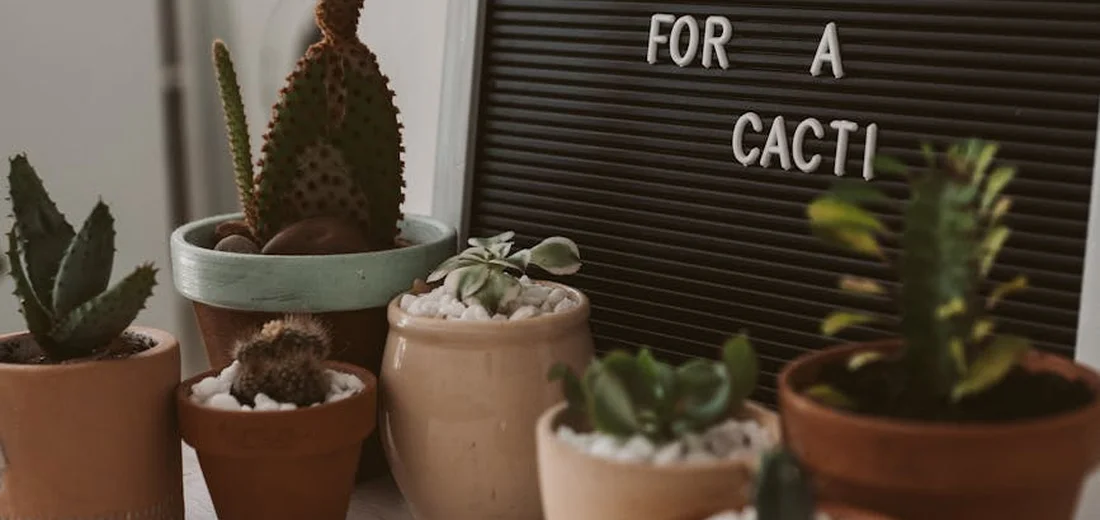
Even the most low-light succulents need a specific kind of care to truly thrive. One big question is just how much light different succulents actually need. Understanding light needs helps you adjust placement and avoid scorching or etiolation. Over the years, I’ve found that getting these three things right makes all the difference between a plant that merely survives and one that flourishes.
Step 1: Mastering the Watering Rhythm
This is the most common mistake I see. In lower light, soil takes much longer to dry out. Your watering schedule needs to slow down dramatically compared to a succulent in a sunny window. I wait until the soil is completely dry all the way to the bottom of the pot before I even think about watering.
Stick your finger deep into the soil. If it feels cool or damp, walk away from the watering can. A good rule of thumb is to water half as often as you would for the same plant in bright light.
Step 2: Choosing the Right Soil and Pot
The right home for your plant prevents a world of problems. You need a mix that drains incredibly fast. I always use a gritty cactus and succulent mix and then add extra perlite or pumice to it for even better drainage. This creates air pockets and prevents roots from sitting in moisture.
Your pot choice is just as important. Always, and I mean always, choose a pot with a drainage hole. A decorative pot without a hole is a death sentence for a succulent in low light. Terracotta pots are my go-to because they are porous and help pull moisture away from the soil.
Step 3: Finding the Ideal Spot in Your Home
“Low light” doesn’t mean “no light.” Your plant still needs to see the sky. The best spots are in front of a north-facing window or several feet back from an east or west-facing window. I’ve had great success with snake plants in interior bathrooms with just the ambient light from the doorway. Some snake plant varieties handle low light especially well. For example, Sansevieria trifasciata ‘Laurentii’ or ‘Moonshine’ are reliable in dim corners.
Observe the spot throughout the day. If you can comfortably read a book there without turning on a lamp, it’s probably sufficient for these varieties. Avoid dark corners where no natural light reaches at all.
Solving Common Low-Light Succulent Problems
Don’t panic if your plant starts acting strange. I’ve dealt with all of these issues, and they are almost always fixable.
Stretching and Leggy Growth (Etiolation)
If your succulent starts growing tall and spindly with large gaps between the leaves, it’s begging for more light. This is the plant’s way of desperately reaching for any light source it can find. Why do succulents get leggy? They stretch for light when it’s scarce. The first thing I do is gently move it to a brighter location. You can’t fix the stretched part, but you can prevent it from getting worse.
For a severely stretched plant, I often use the “chop and prop” method. You can behead the top rosette, let it callous, and replant it to start a new, more compact plant.
Yellowing Leaves and Root Rot
Soft, mushy, yellow leaves are a classic sign of overwatering, which low light makes much more likely. The moment you see this, stop watering and check the roots immediately. Gently remove the plant from its pot. Healthy roots are firm and white or light tan.
If the roots are brown, black, and slimy, you have root rot. Cut away all the rotten roots with a sterile knife, let the plant dry out for a day or two, and then repot it into fresh, dry soil. Do not water for at least a week after repotting to let it recover.
When Growth Seems to Stop
It’s normal for succulents to have slower growth in low light and especially during the winter. As long as the plant still looks healthy and isn’t stretching, don’t worry. This is its natural rest period.
If you want to encourage a bit of growth, try moving it to a slightly brighter spot for just a few hours a day, like on a coffee table that gets morning sun. Even a small boost can make a difference.
Boosting Light for Happier Indoor Succulents
If you’re committed to a specific dark spot, you can still make it work with a few clever tricks.
One of the easiest things I do is rotate my plants a quarter turn every time I water them. This ensures all sides get their moment in the dim light, promoting even growth and preventing lopsided stretching.
You can also use reflective surfaces to your advantage. Placing a mirror on a wall adjacent to your plants will bounce available light around the room, giving them a subtle but beneficial boost. A simple white backdrop behind the plants can have a similar effect.
For rooms with virtually no natural light, a small, energy-efficient grow light is a fantastic solution. You don’t need a big, bulky setup; a simple LED bulb in a desk lamp for a few hours a day can be a game-changer. Used correctly, grow lights help succulents stay compact and colorful. A simple timer and the right spectrum keep them thriving year-round. I use one on a timer for my succulent shelf during the gloomy winter months, and the plants love it.
FAQs
Are low-light succulents safe for cats?
Many low-light succulents like Haworthia and Snake Plants are non-toxic to cats, but always check specific varieties for safety. For homes with pets, look for pet-safe succulent varieties and verify their safety for your animals before bringing any plant indoors.
Can low-light succulents be grown outdoors?
Yes, some low-light succulents can thrive outdoors in shaded or partially shaded areas away from direct sunlight.
Where can I buy low-light succulents?
You can find low-light succulents for sale at local garden centers, online plant retailers, or specialty succulent shops. For a complete shopping guide on where to buy succulent plants, keep reading. It covers store types, price ranges, and what to look for when selecting plants.
What low-light succulents don’t produce pollen indoors?
Varieties like Snake Plants and certain Haworthias are often pollen-free, reducing allergy risks in indoor environments.
What do Reddit users recommend for low-light succulents?
On Reddit, users commonly suggest Haworthia and Snake Plants for their proven success in low-light indoor spaces.
Which succulents are best for very dark houses?
Snake Plants and ZZ Plants are highly recommended for extremely dark rooms due to their exceptional low-light tolerance.
Bringing Life to Your Low-Light Spaces
Remember, the secret to thriving succulents in dim rooms is choosing the right varieties and adjusting your care routine. My top three picks for guaranteed success are the Snake Plant, ZZ Plant, and Haworthia. For beginners, this approach fits with our list of the best succulents for beginners—the top 10 easy-care varieties.
Don’t be intimidated by the lack of sun-you are now equipped with the knowledge to make your space greener. Go pick out a new plant friend and enjoy the process; you’ve got this!
Further Reading & Sources
- 12 Low light succulents for your home or office
- Low Light Indoor Succulents – Succulents For Dark Spaces Indoors | Gardening Know How
- House & Indoor Succulents | Mountain Crest Gardens®
- Ideal Low Light Succulents that Thrive in the Shade
Lena Greenfield is a passionate horticulturist and plant care expert with over 10 years of experience cultivating and nurturing hardy house plants. With a deep understanding of both indoor and outdoor gardening, Lena shares practical advice on choosing, caring for, and maintaining resilient plants that flourish year-round. Through her knowledge and hands-on approach, Lena helps plant lovers transform their spaces into vibrant, green sanctuaries, no matter their gardening experience.
Light Requirements