
Watering Succulents After Repotting: Your Simple Guide
Published on: November 13, 2026 | Last Updated: November 13, 2026
Written By: Lena Greenfield
Repotting your succulents might leave you unsure about the right time to water them.
You could be concerned about overwatering leading to root rot or underwatering causing stress, but I’ve navigated this many times in my years of caring for succulents.
I’ll share when to water, how to water properly, and key signs to watch for in your plants based on my hands-on experience.
The Critical Wait: When to First Water After Repotting
This is the part where most new succulent owners get nervous. You’ve just given your plant a fresh home, and your instinct is to give it a welcome drink. Resist that urge completely-the single most important step after repotting is to wait before watering. I’ve learned this the hard way after losing a beautiful echeveria to rot by being too eager.
Your succulent needs this dry period to recover. During repotting, its delicate root hairs get disturbed and often develop tiny, invisible abrasions. Watering immediately creates a perfect environment for bacteria and fungi to enter these wounds, leading to root rot. A dry soil period forces the plant to focus on healing these roots and adapting to its new pot.
How Long Should You Wait?
The standard waiting period is about one week. I always mark my calendar. But this isn’t a rigid rule. You need to become a plant detective and look for these signs that your succulent is ready for its first drink:
- The soil is bone-dry. Stick your finger an inch or two into the potting mix. It should feel completely dry and crumbly, with no coolness or moisture.
- The leaves show slight thirst. Look for a little bit of give or softness when you gently squeeze a lower leaf. Don’t wait for severe wrinkling, just a subtle sign that it’s ready for water.
- The plant feels secure. If you gave it a gentle tug a few days after repotting and it felt loose, wait until it feels firmly anchored before watering.
Quick Tip: Succulents in terracotta pots may be ready for water sooner than those in plastic or glazed ceramic, as the clay wicks moisture away from the soil faster. Choosing the right pots and containers is essential for maintaining healthy succulents.
How to Water Succulents Post-Repotting
Once the waiting period is over, it’s time for the main event. How you water is just as critical as when. The goal is to encourage deep, strong root growth from the very start.
I use the “soak and dry” method for every single one of my succulents, and it has never failed me. This mimics the infrequent, heavy downpours they would experience in their natural habitats. In a complete guide on how often to water succulents, we’ll cover species, climate, and soil to tailor your watering routine. You’ll learn practical signs to watch for and simple schedules to keep plants thriving.
The Perfect First Watering: A Step-by-Step Guide
- Take your plant to the sink. This is non-negotiable. You need to water thoroughly and let the excess drain freely without the plant sitting in a saucer of water.
- Water slowly and evenly. Use a watering can with a narrow spout to pour water all over the soil surface, not just in one spot. Continue until you see water running freely out of the drainage hole at the bottom.
- Let it drain completely. Leave your plant in the sink or on a draining rack for at least 15-20 minutes, or until no more water drips out. This ensures the entire root ball is moistened and flushes out any salts or minerals from the new soil.
- Return it to its spot. Only place it back in its decorative pot or on its saucer once all dripping has stopped.
What to Avoid
- No misting or light sprinkles. This encourages shallow roots and can lead to a weak plant. Succulents need a deep, infrequent drink, not a daily spritz.
- Never let it sit in water. “Wet feet” is the fastest way to kill a succulent. Always empty the cachepot or saucer after watering.
- Don’t water on a schedule. Your plant’s water needs will change with the seasons, light, and humidity. Always check the soil first.
After that first crucial watering, you’ve set your repotted succulent up for success. From here, simply return to your normal watering routine, always waiting for the soil to dry out completely between sessions. Watch your plant, not the calendar, and it will reward you with robust growth.
Recognizing Your Succulent’s Water Needs
Your succulent will tell you when it’s thirsty, you just have to learn its language. I always look for two key signals: slightly wrinkled leaves and bone-dry soil. In addition, watch for soft, translucent leaves or a pale, sunken appearance, which are signs your succulent needs water. A plump, happy succulent has smooth, firm skin, but a thirsty one starts to look a little deflated.
Don’t wait for severe shriveling. A gentle squeeze can help; a well-hydrated leaf will feel taut, while a thirsty one has a bit more give. I check my repotted plants every few days with this simple touch test.
The soil is the other half of the story. Stick your finger an inch or two into the potting mix-if no soil sticks to your skin, it’s time to consider a drink. I’ve found this method more reliable than any schedule, as your home’s light and humidity play a huge role.
Preventing Common Watering Mistakes
The biggest mistake I see is loving a plant to death with too much water. Overwatering is the fastest way to lose a succulent, especially a freshly repotted one with tender new roots. A soggy environment invites root rot, a silent killer that can destroy your plant from the ground up.
Many gardeners also use the wrong water. If your tap water is hard, the minerals can build up in the soil and harm your succulent’s roots over time. I use filtered or rainwater for my collection, and the difference in their health is noticeable. For the best water types for watering succulents, rainwater or filtered water are often top choices. Dechlorinated or distilled water can also work well.
Another common error is shallow watering. Giving your plant just a few sprinkles encourages weak, surface-level roots instead of a strong, deep root system. When you do water, you must do it thoroughly, which leads us perfectly to the best techniques.
Tools and Techniques for Optimal Watering

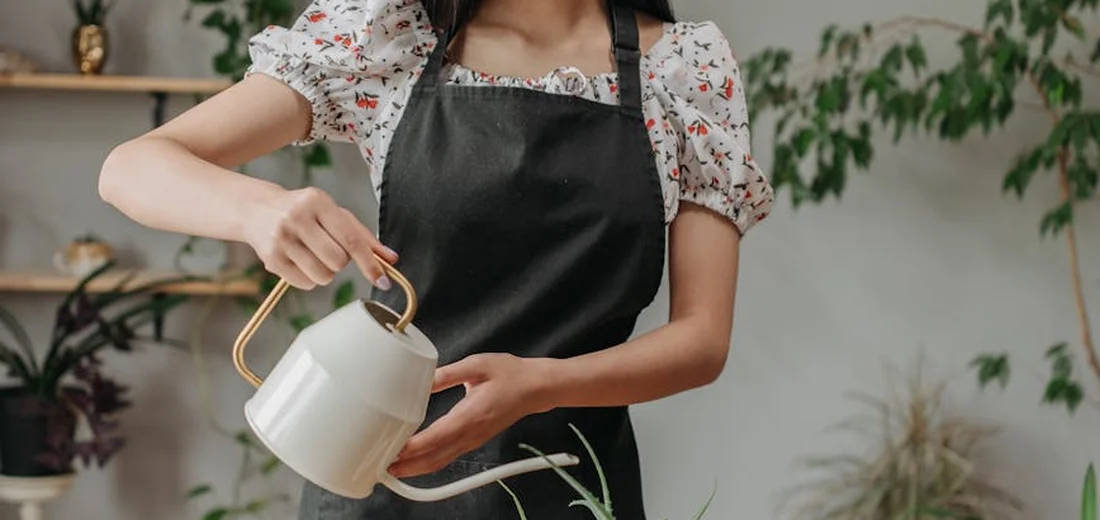
Having the right tools makes all the difference between guessing and knowing. A simple watering can with a long, narrow spout gives you perfect control to water the soil directly without splashing the leaves.
Using Moisture Meters Effectively
A moisture meter took the anxiety out of watering for me. For a truly accurate reading, insert the probe deep into the pot, near the root ball but away from the very edge. Leave it in place for a full minute to let the sensor adjust.
Don’t just trust the first number you see. I always take readings in two or three different spots to get a complete picture of the soil’s moisture level. Remember to wipe the probe clean after each use to keep it accurate for years.
Bottom Watering Method
Bottom watering is my go-to technique for ensuring a deep, even soak. This method encourages roots to grow downward, seeking out the moisture, which builds a sturdier plant.
- Place your repotted succulent (in a pot with drainage holes) into a sink or tray filled with a few inches of water.
- Let it sit for about 20-30 minutes. You’ll see the top of the soil become dark and moist.
- Remove the pot from the water and let all the excess drain away completely before returning it to its saucer.
Bottom watering is fantastic for preventing soil compaction and ensuring every single root gets a drink. I use this for all my smaller to medium-sized succulents and they absolutely thrive. For a full walkthrough of bottom watering techniques, see my succulents complete guide. It covers timing, soaking duration, and how to prevent overwatering.
Seasonal and Environmental Considerations
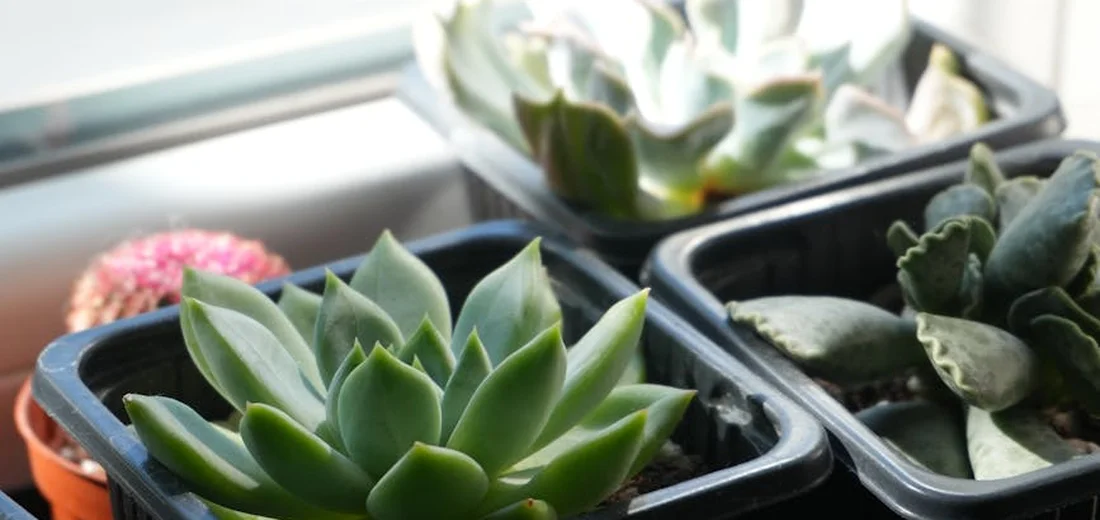
Your succulent’s thirst level isn’t a fixed schedule; it’s a dance with the seasons. I’ve learned that my watering can gets a lot more use in the bright, warm days of spring and summer when my plants are actively growing. The soil dries out faster, and the plants are using more water to fuel new growth.
When autumn arrives and the light softens, I start to pull back. Growth slows way down, so I water less frequently. Winter is the real test of patience. With lower light levels and cooler temperatures, the soil can stay moist for weeks. I might only give my repotted succulents a tiny sip once a month, or sometimes not at all if they show no signs of thirst. It’s crucial to adjust watering based on the season.
Your home environment plays a huge role, too. A succulent sitting in a hot, sunny south-facing window will need water far more often than one in a cooler, shadier spot. Homes with dry, forced-air heating in winter can surprisingly create a thirstier environment than a humid summer day. Temperature and humidity for succulents can significantly impact their health; they thrive with bright light and moderate warmth, and they prefer dry air. Always let the plant’s condition and the soil’s dryness be your final guide, not the calendar. For more detailed information, check out the Temperature and humidity for succulents.
Monitoring Recovery and Adjusting Care
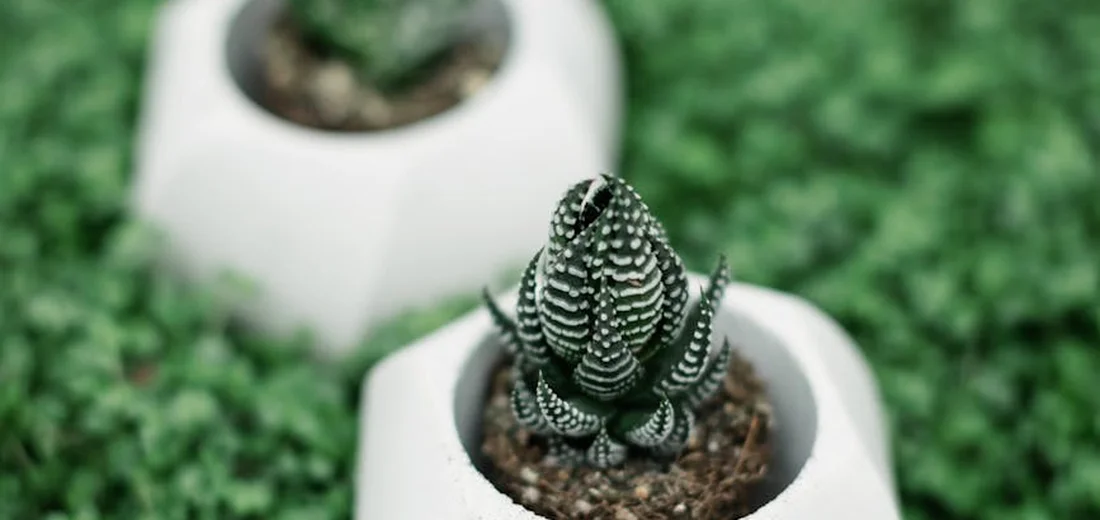
After the repotting shuffle, your succulent needs a little TLC to get back on its feet. Think of this as its recovery period.
Initial Acclimation Phase
The first few weeks are all about observation. I like to call this the “watch and wait” stage. You’ve given it that first careful watering, and now you need to see how it responds.
Look for these positive signs that your plant is happy:
- Firm, plump leaves that show no new wrinkles.
- New, tiny growth at the center of the plant (rosettes) or along the stem.
- A general perky, upright appearance.
A quick tip: Gently give a leaf a soft squeeze. A firm leaf means it’s fully hydrated and doing well in its new home. If you see any leaves at the bottom softening and turning yellow, don’t panic. The plant is often reabsorbing that leaf for energy. Just pluck it off to keep things tidy and prevent rot.
Long-Term Care Adjustments
Once your succulent has settled in and is showing new growth, you can gradually shift to a more standard care routine. This doesn’t mean going back to a rigid schedule, but rather tuning into your plant’s new normal, especially when transitioning between seasons.
Your repotted plant in fresh soil might have different drainage and water retention than before. I find my plants often need slightly more frequent watering in their first year in a new, well-draining mix compared to an old, compacted one.
Here is how I adjust my approach long-term:
- Stick with the “soak and dry” method, thoroughly drenching the soil.
- Wait until the soil is completely dry all the way to the bottom of the pot before even thinking about watering again.
- Pay extra attention during heatwaves or periods of intense sun, as these can dry soil out in record time.
The most important long-term adjustment is learning to read your specific plant. My Jade plant tells me it’s thirsty when its leaves get a little less firm, while my Aloe’s leaves start to curl inwards slightly. This personalized care is what turns a good plant parent into a great one.
FAQs
Should I water immediately after repotting?
No, avoid watering immediately to prevent root damage and rot.
How long should I wait before watering after repotting?
Wait about one week, but always verify the soil is completely dry first.
How can I tell if a repotted succulent needs water?
Check for slightly wrinkled leaves and bone-dry soil to indicate thirst.
Is bottom watering better after repotting?
Yes, bottom watering promotes deep root hydration without disturbing the soil.
Should I water with fertilizer after repotting?
No, do not add fertilizer to avoid stressing the plant’s recovering roots.
What signs indicate overwatering after repotting?
Yellow, mushy leaves or a soft stem often point to overwatering and potential rot.
Your Succulent’s Fresh Start: Wrapping It Up
Ultimately, the golden rule for watering after repotting is to give your succulent a brief dry period to heal its roots before introducing moisture.
- Wait about a week before the first watering
- Always check that the soil is completely dry first
- Provide a thorough soak until water runs from the drainage holes
I’ve nurtured countless succulents over the years, and this simple routine has never failed me. Trust your instincts, give your plant that little bit of patience, and watch it settle into its new home beautifully. For newly propagated succulents, a dedicated aftercare guide makes all the difference. My care guide for newly propagated succulents walks you through essential steps—rooting, watering, light, and healing.
Further Reading & Sources
- r/succulents on Reddit: Water after repotting?
- When should you water succulents after repotting?
- Repotting – Desert Plants Of Avalon
- 6 Things No One Tells You About Repotting Succulents – 46 & Spruce | Wholesale Supply House
Lena Greenfield is a passionate horticulturist and plant care expert with over 10 years of experience cultivating and nurturing hardy house plants. With a deep understanding of both indoor and outdoor gardening, Lena shares practical advice on choosing, caring for, and maintaining resilient plants that flourish year-round. Through her knowledge and hands-on approach, Lena helps plant lovers transform their spaces into vibrant, green sanctuaries, no matter their gardening experience.
Repotting Guidelines