
Best Outdoor Succulents for Your Garden and Landscape
Published on: January 16, 2026 | Last Updated: January 16, 2026
Written By: Lena Greenfield
Are you looking for beautiful, low-maintenance plants that can handle the outdoors? You might be worried they can’t survive your local weather, but I’m here to show you that many succulents are tougher than they look.
In this guide, I’ll share my favorites from years of gardening, covering top plant picks, creative landscaping ideas, simple care routines, and solutions for common problems.
My Top Picks for Hardy, Low-Maintenance Outdoor Succulents
Over the years, I’ve killed my fair share of plants, but these outdoor succulents have consistently proven to be the toughest survivors in my garden. If you want a plant that forgives forgetfulness and thrives on neglect, start with these champions.
Sempervivum (Hens and Chicks)
I call these my “set-it-and-forget-it” plants. They form beautiful, geometric rosettes and spread by producing tiny “chicks” around the mother plant. I’ve had a single clump of Sempervivum survive a surprise snowstorm and bounce back looking even better. They are incredibly cold-hardy and perfect for filling in rock gardens or cracks in stone walls.
Sedum (Stonecrop)
Sedum is a massive family, but for the ground, you can’t beat low-growing varieties like ‘Angelina’ or ‘Blue Spruce’. Their colorful, needle-like foliage creates a stunning carpet that suppresses weeds and handles foot traffic. I use them as a living mulch around my taller plants, and they require zero effort once established.
Agave
For a dramatic, architectural statement, nothing beats an Agave. I have a small Agave parryi in a sunny, well-draining corner, and it’s a real showstopper. Just be mindful of its sharp spines and give it plenty of room to grow-these are not plants you want to accidentally brush against. They store so much water in their leaves that they can go weeks without a drink.
Choosing the Perfect Outdoor Succulents for Your Region
Picking the right plant for your local climate is the single most important step for success. Trust me, trying to fight your natural environment is a battle you will lose, no matter how much you love a particular succulent. Here’s my regional breakdown from personal trial and error.
Best Outdoor Succulents for Arid and Southwest Climates
If you live where the sun is intense and rain is rare, you have the perfect environment for a stunning succulent landscape. Your main goal here is to provide excellent drainage and protect plants from reflected heat off walls or pavement. For outdoor succulent landscaping ideas and design tips, try grouping plants by height and color and using gravel to boost drainage.
- Opuntia (Prickly Pear Cactus): This is the workhorse of the desert garden. I’ve seen them thrive in pure gravel. Their flat pads and colorful fruit are iconic, and they are remarkably resilient.
- Aloe: While many think of them as houseplants, larger Aloe species like Aloe striata or Aloe marlothii are fantastic outdoors in arid zones. They provide amazing texture and occasional flower spikes that hummingbirds adore.
- Echeveria: For that perfect, rose-shaped succulent look, Echeverias are your best bet. They love the dry air and intense light, developing vibrant stress colors on their leaf tips.
Best Outdoor Succulents for Humid and Coastal Areas
Humidity is the biggest challenge for succulents, as it promotes rot. The key is to choose varieties with thinner leaves that dry out quickly and to plant them in exceptionally well-draining soil, maybe even on a slope. Temperature and humidity management is essential for healthy succulents. Most thrive in warm temperatures and relatively dry air.
- Kalanchoe luciae (Paddle Plant): This plant has been a star performer for me in humid climates. Its large, flat leaves get beautiful red edges in the sun and it seems unbothered by muggy summer air.
- Crassula ovata (Jade Plant): A classic for a reason. Jade plants adapt well to coastal humidity as long as they aren’t overwatered. I’ve seen them grow into massive, tree-like shrubs near the coast.
- Portulacaria afra (Elephant Bush): This is a fast-growing, shrubby succulent with small, jade-green leaves. It handles humidity much better than most and can be easily pruned into a small hedge or topiary.
Quick Tip: In humid areas, always water the soil directly and avoid getting the leaves and the center of the rosettes wet to prevent fungal issues.
Best Outdoor Succulents for Colder Northern Zones
Yes, you can grow succulents outdoors even if you get frost and snow! The secret is to pick varieties that are truly cold-hardy and to ensure they go into winter with dry soil, as wet soil freezing is what usually kills them. Understanding cold hardiness helps you choose which succulents will survive winter outdoors. It also guides how you protect them when temperatures dip.
- Sempervivum (Hens and Chicks): I’m mentioning them again because they are the undisputed kings of the cold. Most varieties are hardy down to USDA zone 4 (-30°F / -34°C). They actually benefit from a cold period.
- Sedum spurium (Dragon’s Blood Sedum): This low-growing sedum forms a dense mat that turns a brilliant burgundy-red in the fall. It’s tough as nails and can handle the freeze-thaw cycles of spring with no problem.
- Sedum ‘Autumn Joy’: This is a taller sedum that provides fantastic late-season interest. Its broccoli-like flower heads start pink, mature to a rusty bronze, and can stand tall in the garden even through light snowfalls.
In my experience, a simple gravel mulch around the base of cold-hardy succulents helps protect their crowns and improves drainage immensely over the winter months.
Designing Your Dream Outdoor Succulent Garden
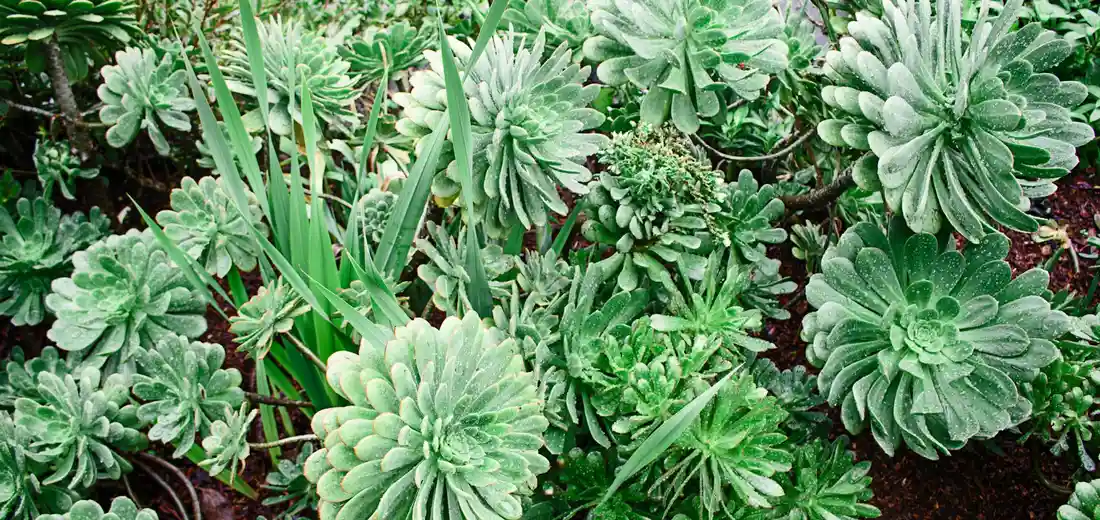
Creating Stunning Outdoor Succulent Containers
I love designing succulent containers because they let you play with colors and textures right on your patio. Start with a container that has drainage holes to prevent soggy roots, which I’ve learned is non-negotiable for healthy succulents. In my experience, terra cotta pots work wonders as they breathe and dry out faster than plastic.
Choose a variety of succulents that thrive in similar light conditions. Mix tall, spiky plants like agave with trailing ones like sedum for a dynamic look that catches the eye. I often use a “thriller, filler, spiller” approach to create balanced arrangements.
- Pick a focal point succulent as your “thriller,” such as echeveria.
- Add “fillers” like hens and chicks to fill gaps.
- Include “spillers” like string of pearls to drape over edges.
Fill your container with a fast-draining soil mix. I make my own by combining potting soil with perlite or coarse sand, which gives roots the airy home they crave. After planting, water lightly to settle the soil and place in a spot with morning sun.
Incorporating Succulents into Rock Gardens and Borders
Rock gardens and borders are perfect for succulents because they mimic their natural habitats. Succulents blend beautifully with stones, adding pops of green, purple, or blue that make your garden feel like a desert oasis. I’ve designed many rock gardens, and the key is to use succulents that handle heat and drought well. How to build a stunning succulent rock garden provides great tips on selecting and arranging these plants.
Start by clearing the area and adding a layer of gravel for drainage. Arrange rocks in clusters to create microclimates where succulents can nestle and thrive. This setup reduces water runoff and keeps roots cool.
- Use low-growing succulents like sempervivum for ground cover between rocks.
- Plant taller varieties like yucca as focal points in borders.
- Space plants to allow for growth, as overcrowding can lead to rot.
For borders, mix succulents with drought-tolerant perennials. I often pair lavender with sedum for a fragrant, textured edge that requires minimal care. Remember, succulents in rock gardens need less water, so let the soil dry completely between watering.
Essential Care Guide for Outdoor Succulents
Step-by-Step Guide to Watering Your Outdoor Succulents
Watering outdoor succulents can be tricky, but I’ve honed a simple method over the years. Always check the soil moisture first by sticking your finger an inch deep – if it’s dry, it’s time to water. This prevents overwatering, which is the top killer of succulents. Avoid common watering mistakes: water only when the soil is dry, and never let pots sit in standing water. Staying mindful of moisture and drainage helps keep succulents healthy.
- Water early in the morning to reduce evaporation and fungal issues.
- Soak the soil thoroughly until water runs out the drainage holes.
- Allow the soil to dry out completely before watering again.
- In rainy seasons, shield plants or reduce watering to avoid rot.
Adjust watering based on the season. In hot summers, I water my outdoor succulents every 7-10 days, but in cooler months, I stretch it to every 2-3 weeks, as recommended in this guide. Succulents store water in their leaves, so they can handle a bit of neglect.
Getting the Soil and Sunlight Right
Soil and sunlight are the foundation of a thriving succulent garden. Use a gritty, well-draining soil mix to mimic the arid conditions succulents love. I blend two parts potting soil with one part perlite and one part coarse sand for optimal drainage.
Most outdoor succulents need at least 6 hours of sunlight daily. Place sun-lovers like aloe and agave in full sun, while partial-shade varieties like haworthia do better with filtered light. In my garden, I’ve seen how too much direct sun can scorch leaves, so observe your plants and adjust their placement.
- For sandy or clay soil, amend with compost to improve texture.
- Rotate pots occasionally to ensure even sun exposure.
- In very hot climates, provide afternoon shade to prevent burning.
Test your soil pH—succulents prefer slightly acidic to neutral levels. For succulents, the ideal soil pH for succulents is around 6.0 to 7.0, which supports nutrient availability. A simple soil test kit helped me balance my garden’s pH, leading to healthier, more vibrant plants. With the right soil and light, your succulents will reward you with robust growth and stunning colors.
Show-Stopping Flowering and Tall Outdoor Succulents
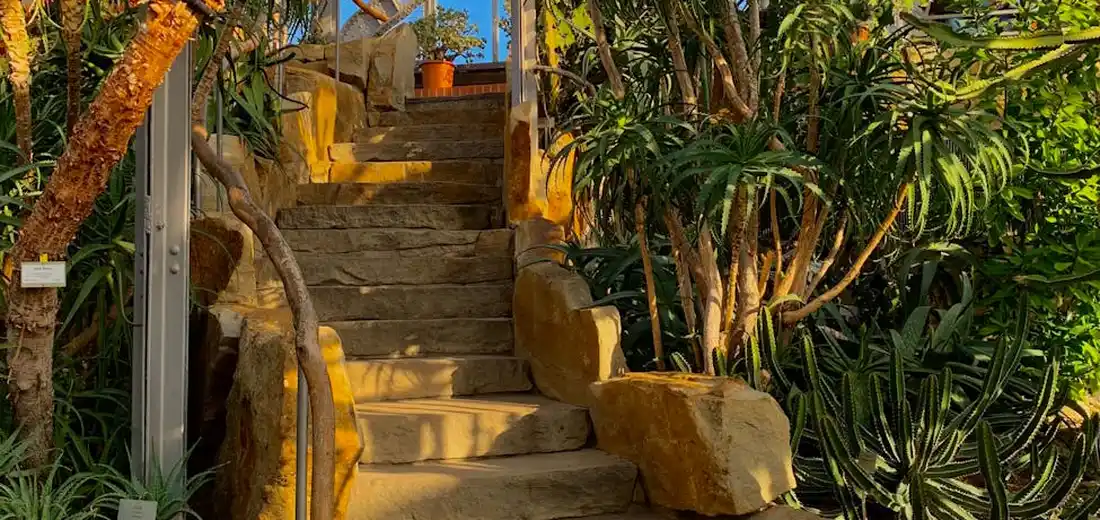
When you want to add some serious vertical drama to your garden, tall flowering succulents are your best friends. I’ve found that a single towering succulent bloom can completely transform a flat landscape into a living sculpture garden. These aren’t your average, low-growing ground covers; they’re the statement pieces that make neighbors stop and stare.
My Top Picks for Dramatic Height and Blooms
After years of experimenting in my own yard, these are the varieties that consistently deliver the most spectacular shows.
- Agave Americana (Century Plant): This is the king of architectural succulents. Its massive, blue-green rosette can reach over six feet wide, and its flower stalk is a true event, shooting up 15 to 30 feet tall. I always warn people to give it plenty of space away from walkways, as its leaf tips are sharp.
- Aloe Marlothii (Mountain Aloe): This one feels prehistoric. It forms a tall, single trunk topped with large, spiny leaves. In winter, it sends up a candelabra of orange or yellow flowers that are a magnet for sunbirds and bees in my garden.
- Yucca Rostrata (Beaked Yucca): For a cleaner, more modern look, this yucca is perfect. It has a beautiful spherical pom-pom of narrow blue leaves on a single trunk. Its summer flower spike is a stunning tower of creamy white bells.
- Echeveria ‘Afterglow’: While not super tall, its large, lavender-rose rosettes stack up to create a gorgeous, colorful mound. The coral-pink flowers on long, arching stalks are like something from a fairy tale.
How to Get Your Succulents to Flower
Getting these beauties to bloom is easier than you think. It’s all about mimicking their natural, sometimes harsh, conditions.
- Maximize Sun Exposure: Most flowering succulents need a full day of direct sun to trigger their blooming cycle.
- Embrace the Seasons: Don’t panic if your plant looks a little stressed by summer heat or winter chill. This environmental stress is often the signal it needs to produce flowers.
- Go Easy on the Fertilizer: I use a low-nitrogen, bloom-booster fertilizer only once in the early spring. Too much food, especially nitrogen, encourages leaf growth at the expense of flowers.
Solving Common Outdoor Succulent Problems
Even the toughest succulents can run into trouble. The good news is that almost every problem is fixable if you catch it early. My number one rule for succulent troubleshooting is to always check the soil and roots first; they tell you everything.
Pest Patrol: Dealing with Unwanted Visitors
Outdoor succulents are generally pest-resistant, but a few critters can cause headaches.
| Pest | Signs | My Go-To Solution |
|---|---|---|
| Mealybugs | White, cottony fluff in leaf crevices | Dab them with a cotton swab dipped in 70% isopropyl alcohol. I do this at sunset to avoid sunburn on the leaves. |
| Aphids | Clusters of tiny green or black bugs on new flower buds | A strong spray of water from the hose often knocks them right off. For stubborn cases, I use insecticidal soap. |
| Snails & Slugs | Irregular holes chewed in leaves, slime trails | I hand-pick them at night with a flashlight and use a pet-safe slug bait around the garden’s perimeter. |
Fixing Watering Woes and Fungal Issues
Overwatering is the single biggest killer of outdoor succulents. Here’s how to diagnose and fix it.
- Symptom: Mushy, Translucent Leaves
- Diagnosis: Classic overwatering. The roots are drowning and rotting.
- Fix: Stop watering immediately. Gently unpot the plant, cut away any black or mushy roots with a sterile knife, and repot into fresh, dry, gritty soil. Wait at least a week before even thinking about water.
- Symptom: Brown, Scabby Patches on Leaves
- Diagnosis: This is often edema, where the plant absorbs water faster than it can use it, causing cells to burst.
- Fix: Improve air circulation and reduce your watering frequency. The scars are permanent, but new growth will be healthy.
- Symptom: White, Powdery Film on Leaves
- Diagnosis: Powdery Mildew, common in humid climates with poor air flow.
- Fix: Mix 1 tablespoon of baking soda and 1/2 teaspoon of liquid soap in a gallon of water. Spray the leaves thoroughly once a week until it clears. Thinning out crowded plants to improve airflow is the best long-term prevention.
Quick Tip: If you’re unsure whether to water, stick your finger two inches into the soil. If it’s dry, it’s time. If it’s damp, wait. This simple test has saved more of my plants than any fancy gadget.
FAQs
What are the best outdoor succulents for California?
In California, choose drought-tolerant succulents like Dudleya and Aeonium that adapt to both coastal and inland climates.
What are the best outdoor succulents for Colorado?
For Colorado’s cold winters, select hardy varieties such as Orostachys and certain Sedum species that resist frost.
What are the best outdoor succulents for Texas?
Texas gardens benefit from heat-resistant succulents like Dasylirion and Hesperaloe that handle intense sun and dry spells.
What are the best outdoor succulents for Florida soil?
In Florida’s sandy soil, opt for succulents like Senecio and Graptopetalum that require excellent drainage to prevent rot.
Where can I buy the best outdoor succulents?
You can purchase quality outdoor succulents from local nurseries, online retailers, or specialty succulent growers. For a complete shopping guide on where to buy succulent plants, explore our detailed guide covering options, pricing, and shipping. This resource helps you compare sources and choose the best fit for your garden.
What are the best tall outdoor succulents?
For dramatic height, consider succulents like Beaucarnea and Fouquieria that grow vertically and add structure to your garden.
Your Succulent Garden Awaits
In my years of gardening, I’ve found that success with outdoor succulents comes down to selecting the right plants for your environment and sticking to simple care routines. Here’s a quick reminder of the essentials. This outdoor succulent care guide focuses on growing succulents in your garden. With these basics, you can build a thriving outdoor display.
- Choose hardy varieties like Sedum or Agave that can handle your local weather.
- Plant in sunny, well-draining spots to prevent waterlogged roots.
- Water sparingly, only when the soil feels completely dry to the touch.
For ongoing tips and support, explore more on Hardy House Plants. Don’t stress-every gardener learns by doing, and your outdoor space will soon be a lush, low-maintenance retreat!
Further Reading & Sources
- What type of succulents do best in full hot sun in California …
- Plant These 12 Succulents for Instant Impact in Containers
- Best Outdoor Succulents | Mountain Crest Gardens®
- Outdoor Succulent Garden with Cold Hardy Succulents | Succulents and Sunshine
Lena Greenfield is a passionate horticulturist and plant care expert with over 10 years of experience cultivating and nurturing hardy house plants. With a deep understanding of both indoor and outdoor gardening, Lena shares practical advice on choosing, caring for, and maintaining resilient plants that flourish year-round. Through her knowledge and hands-on approach, Lena helps plant lovers transform their spaces into vibrant, green sanctuaries, no matter their gardening experience.
Types of Succulents