
What Are Hardy Succulents? Cold-Resistant Varieties Explained
Published on: January 17, 2026 | Last Updated: January 17, 2026
Written By: Lena Greenfield
Are you worried your beautiful succulent collection won’t survive the winter chill? Hardy succulents are the resilient varieties that can handle frost and even snow, bringing vibrant color and texture to your garden year-round.
I’ve grown dozens of cold-hardy succulents in my own zone 6 garden, and I’ll walk you through what makes a succulent “hardy,” the temperature ranges they can survive, specific cold-resistant varieties to try, and simple care tips for winter success.
Understanding Hardy Succulents
When I first heard the term “hardy succulent,” I pictured a plant wearing a tiny winter coat. In reality, a hardy succulent is one that has evolved specific survival strategies to withstand freezing temperatures that would turn a typical succulent to mush. It’s not just about brute-force endurance; it’s a fascinating biological adaptation.
Think of the water inside a plant’s leaves. For most succulents, that water freezes, expands, and ruptures the cell walls—a death sentence. They store water in their leaves and stems to survive dry conditions, but not all are equipped for freezing temperatures. Hardy varieties, like many Sedums and Sempervivums, have learned to replace that water with natural sugars and proteins that act like antifreeze. I’ve brushed snow off my Sempervivums only to find them perfectly green and happy underneath.
What Makes a Succulent “Cold-Hardy”?
It’s a combination of factors that I’ve observed in my own garden:
- Leaf Structure: Many have smaller, tighter rosettes that protect the central growing point from the elements.
- Waxy Coatings: A thicker farina (that powdery coating) helps shield leaves from harsh, drying winds and intense winter sun.
- Dormancy: They often go fully dormant in winter, halting growth to conserve energy until spring.
One crucial detail many beginners miss is that hardiness is about more than just temperature; it’s also about soil conditions. Do succulents thrive? They do, but only when soil drains well and moisture is kept in check. A hardy succulent sitting in wet, soggy soil during a freeze is a goner. The cold itself is manageable, but cold and wet is a deadly combination.
Top Benefits of Growing Cold-Hardy Succulents
Planting hardy succulents transformed my winter garden from a barren patch into a textured, colorful landscape. The biggest benefit is the sheer year-round visual interest they provide when most other plants have disappeared. You get to enjoy your gardening efforts even on the coldest, grayest days. By planning with form, color, and texture, you can design a stunning succulent garden that stays vibrant year-round.
Four Reasons to Love Them
- Year-Round Garden Structure
My Sedum ‘Autumn Joy’ stands tall with its dried flower heads, catching frost and looking spectacular. Hardy succulents provide the “bones” of your garden, offering form and texture through all seasons. While other plants die back, these stalwarts hold the fort.
- Extremely Low Maintenance
Once established, my hardy succulents ask for almost nothing. They are the ultimate “plant it and forget it” specimens, needing little more than well-draining soil and some sunshine. I spend less time babying them and more time just enjoying their presence. For beginners wondering whether succulents are easy care, our complete guide has you covered.
- Natural Pest and Deer Resistance
I used to battle slugs and deer until I filled my borders with Sempervivums. Their thick, often bitter-tasting leaves are naturally unpalatable to most common garden pests. This means you can skip the chemical repellents and enjoy a more organic garden.
- Easy Propagation and Spreading
Hardy succulents are generous plants. They readily produce offsets (or “chicks”) that you can easily snap off and replant to fill other areas for free. I’ve created entire new garden beds just from the babies my mother plants produced over two seasons. These traits are perfect for an outdoor succulent care guide about growing succulents in your garden. With sun and well-drained soil, offsets root quickly and expand your beds.
Quick Tip: For instant impact, plant hardy succulents in groups of three or five; their mat-forming habit will quickly fill in to create a lush, cohesive look.
The resilience of these plants is genuinely encouraging. Watching a plant you nurtured not only survive but thrive through a tough winter gives you a real sense of gardening accomplishment. They teach you about the quiet strength and adaptability of nature.
Meet the Hardy Genera: Sempervivum, Sedum, and More
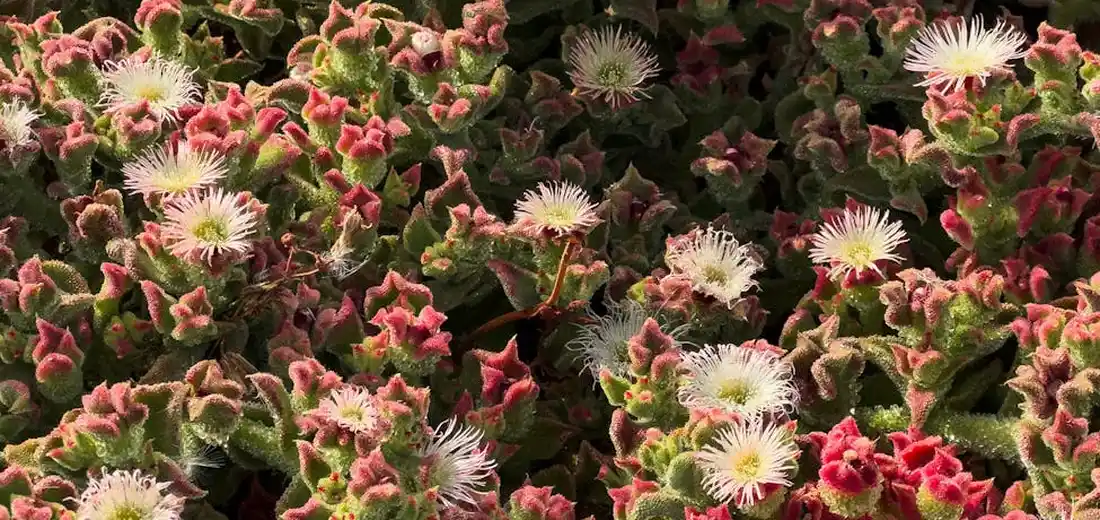
Over the years, I’ve killed my fair share of delicate succulents to frost, which is how I learned to truly appreciate these tough-as-nails genera. They don’t just survive the cold; many actually need it to display their most vibrant colors. Curious whether succulents are deer-resistant and how cold-hardy they are? This post is part of a complete guide on those topics.
Sempervivum (Hens and Chicks)
If I had to pick one succulent to trust in a snowstorm, it would be Sempervivum. I’ve seen my own ‘Hens and Chicks’ poking through a light dusting of snow, completely unfazed. Their common name comes from their growth habit: a large central “hen” surrounded by many smaller “chicks.”
The real magic is their lifecycle-after a few years, the mother hen will flower spectacularly and then die, making space for all her offspring to continue the colony.
- Cold Tolerance: Hardy down to USDA Zone 3 (-40°F/-40°C).
- Sunlight: Thrives in full sun; develops best color with plenty of light.
- My Top Picks: ‘Red Rubin’ for its deep burgundy tones, and ‘Oddity’ for its quirky, rolled leaves.
Sedum (Stonecrop)
Sedums are the incredibly versatile workhorses of the succulent world. I use them as lush groundcover, in vertical wall planters, and even in patio cracks. They come in two main forms: upright, clump-forming varieties and low-growing, spreading types.
Their fleshy leaves store so much water that they can handle both cold snaps and surprising periods of drought once established.
- Cold Tolerance: Generally hardy from Zones 3 to 9, depending on the species.
- Sunlight: Most prefer full sun, but many low-growing types tolerate partial shade.
- My Top Picks: ‘Autumn Joy’ for its giant pink flower heads that bees adore, and ‘Blue Spruce’ for its needle-like, blue-green foliage.
Other Frost-Hardy Stars
While Sempervivum and Sedum get most of the attention, don’t overlook these other champions. I’ve had great success mixing them into my garden for texture and variety.
- Jovibarba: Often called the “rollers,” these look very similar to Sempervivum but produce chicks that detach and roll away from the mother plant to root elsewhere.
- Rosularia: I love these for their fuzzy, soft leaves and delicate star-shaped flowers. They form tight rosettes and are perfect for rock gardens.
- Orostachys: These form beautiful, geometric rosettes and are some of the most cold-tolerant succulents I’ve grown, often handling Zone 5 winters with ease.
Quick Tip: A light layer of snow can actually act as an insulating blanket, protecting your hardy succulents from harsh, drying winds.
Finding the Right Hardy Succulents for Your USDA Zone
Knowing your USDA Hardiness Zone is the single most important step to success. It’s like a cheat sheet for what will thrive in your garden’s specific winter conditions. I always check plant tags and nursery descriptions for the zone information.
Think of your zone number as a guide to the average minimum winter temperature in your area-the lower the number, the colder the winters.
A Simple Zone Guide for Hardy Succulents
| USDA Zone | Average Minimum Temp | Excellent Succulent Picks |
|---|---|---|
| 3-4 | -40°F to -30°F (-40°C to -34°C) | Many Sempervivum, Sedum spurium, Sedum kamtschaticum |
| 5-6 | -20°F to -10°F (-29°C to -23°C) | Most Sempervivum and Sedum, Jovibarba, Rosularia |
| 7-8 | 0°F to 20°F (-18°C to -7°C) | Agave parryi, Delosperma (Ice Plant), many larger Sedum |
| 9+ | 20°F and above (-7°C and above) | A huge range! Include hardier Echeveria, Aloe, and Graptopetalum. |
Don’t forget about your garden’s microclimates. A spot against a sunny, south-facing wall can be a full zone warmer than an exposed, windy corner, letting you push the boundaries of what you can grow. I’ve successfully overwintered a Zone 7 Agave in my Zone 6 garden by tucking it right against my warm house foundation.
Essential Care for Your Cold-Resistant Succulents

Step 1: Planting for Success
Getting your hardy succulents off to a strong start is the single most important thing you can do for them. I always use a gritty, fast-draining soil mix, and I make my own by combining two parts potting soil with one part perlite and one part coarse sand. This mix prevents water from pooling around the roots, which is a death sentence in cold, wet conditions. The pot matters just as much as the soil inside it. Always choose a container with a drainage hole; I’ve learned this the hard way after losing a beautiful Sempervivum to a pretty, but hole-less, pot. Terracotta pots and other suitable containers are my go-to because they breathe, helping the soil dry out faster.
Step 2: Seasonal Watering and Feeding
Your watering routine needs to change with the seasons, just like your wardrobe. During their active growing season in spring and summer, I water my hardy succulents when the soil is completely dry. In the winter, these tough plants go dormant, and you must dramatically reduce watering to maybe once a month or even less. It’s important to adjust the watering frequency based on the season to avoid overwatering. I always check the forecast before a winter watering-if a hard freeze is coming, I skip it entirely to prevent the roots from freezing in damp soil. For feeding, a half-strength, balanced fertilizer applied once in early spring is all they need to fuel a year of growth.
Step 3: Simple Frost Protection Strategies
Even cold-hardy plants appreciate a little TLC when the mercury plummets. For potted succulents, the easiest move is to bring them against a south-facing wall or onto a covered porch for the winter. A simple bedsheet or frost cloth draped over your in-ground plants on a cold night can make a huge difference, trapping warmth from the soil. I keep old sheets in my shed just for this purpose. For my most prized specimens, I’ll sometimes add a layer of dry mulch, like straw or bark, around the base to insulate the crown after the ground has frozen.
How to Propagate Your Hardy Succulents
One of the most rewarding parts of growing hardy succulents is making more of them for free. I love filling my garden with plants I started myself. The two easiest methods I use are leaf cuttings and stem cuttings. Propagating succulents from leaf cuttings is a simple, satisfying way to multiply your collection. Just lay the detached leaves on well-draining soil in bright, indirect light and water sparingly as they root.
Leaf Cuttings
This method works perfectly for rosette-forming types like Sempervivum.
- Gently twist a healthy, plump leaf from the stem, making sure you get the entire base.
- Lay the leaf on top of dry soil in a bright spot, but out of direct sun.
- Wait. In a few weeks, you’ll see tiny pink roots and a miniature rosette forming.
- Mist the soil lightly every few days once the roots appear.
Quick tip: Don’t water the leaf until it has roots, or it will just rot.
Stem Cuttings
This is my preferred method for leggy Sedum plants.
- Use a clean, sharp knife or scissors to cut a piece of stem, about 3-4 inches long.
- Remove the leaves from the bottom inch or two of the stem.
- Let the cut end dry and form a callus for a day or two.
- Stick the bare stem into fresh, dry succulent soil.
- Wait a week before giving it its first light watering.
The key to success with any propagation is patience and resisting the urge to overwater. Seeing those first new leaves is a thrill every single time.
Common Questions
What are some cold hardy succulents for zone 7?
Agave parryi and many larger Sedum varieties are excellent choices for zone 7 gardens.
Which cold hardy succulents thrive in zone 8?
Delosperma (Ice Plant) and a wide range of Sedum species perform very well in the milder winters of zone 8.
Can you recommend cold hardy succulents for zone 6?
Jovibarba and Rosularia are fantastic, resilient options that can handle the cold winters of zone 6.
What cold hardy succulents are best for zone 9?
Hardier Echeveria and Graptopetalum varieties are great selections for the warm winters of zone 9.
How do I care for cold hardy succulents in zone 5?
Ensure they are planted in extremely well-draining soil to survive the combination of cold and moisture in zone 5.
What are the most cold tolerant succulents for zone 4?
Many Sempervivum and Sedum spurium are among the toughest succulents, capable of surviving the harsh winters of zone 4.
Ready to Grow Your Cold-Hardy Succulent Collection?
To ensure your hardy succulents thrive in chilly conditions, focus on selecting resilient varieties and providing consistent care—I’ve kept mine vibrant through snowy winters by sticking to these essentials. Understanding cold hardiness helps these succulents survive winter outdoors and guides which varieties to plant outside and what protection they need.
- Opt for proven cold-resistant types like Sempervivum or Sedum.
- Use well-draining soil and limit watering in cold months.
- Offer light protection during severe frosts.
For more hands-on tips and seasonal advice, follow along at Hardy House Plants (www.hardyhouseplants.com). You’re already on the right track-these tough plants are built to impress, and with a little attention, they’ll brighten your space year-round.
Further Reading & Sources
- Hardy Succulents, Cold Tolerant Succulents | Mountain Crest Gardens®
- 15 Outdoor Hardy Succulents for Cold Climates | THE NEXT GARDENER – Thenextgardener
- Cold-Hardy Succulents for Northern Climates
- Hardy Succulents
Lena Greenfield is a passionate horticulturist and plant care expert with over 10 years of experience cultivating and nurturing hardy house plants. With a deep understanding of both indoor and outdoor gardening, Lena shares practical advice on choosing, caring for, and maintaining resilient plants that flourish year-round. Through her knowledge and hands-on approach, Lena helps plant lovers transform their spaces into vibrant, green sanctuaries, no matter their gardening experience.
Types of Succulents