
Prettiest Succulent Varieties for Home Decor and Gifting
Published on: January 26, 2026 | Last Updated: January 26, 2026
Written By: Lena Greenfield
Looking for a plant that’s both beautiful and nearly impossible to kill? You’ve come to the right place. I’ve spent years filling my home with these sculptural gems and giving them as gifts that are always a hit.
In this guide, I’ll share my favorite varieties, covering unique options for your home, easy-care tips for beginners, and the best picks for a thoughtful gift.
Top Succulent Picks for Their Unique Beauty
Echeveria: The Rosette Royalty
In my years of collecting, Echeverias have always been the showstoppers on my windowsills. Their perfect, flower-like rosettes come in a stunning array of colors, from pale lilac to fiery orange and deep blue-green. I love how they look like living art, especially when arranged together in a shallow bowl. They do crave a lot of bright, direct light to maintain their compact shape and intense color. If they start to stretch out, it’s their way of telling you they need more sun.
My personal favorite is the Echeveria ‘Perle von Nurnberg’. Its powdery, purple-pink leaves are simply mesmerizing. Quick tip: Water these at the soil level, not over the leaves, to keep their beautiful farina (that powdery coating) intact.
Haworthia and Aloe: Striking Stripes and Textures
If you’re looking for something a little different with incredible geometric patterns, this group is for you. I often recommend Haworthias to friends with lower-light homes, as they are far more tolerant than most succulents. Their sculptural, often striped leaves add a modern, architectural feel to any room. I have a Haworthia cooperi on my desk that looks like a cluster of tiny, translucent grapes-it never fails to start a conversation.
Aloes, like the popular Aloe vera, bring a spiky, textured element to your collection. Beyond their good looks, having an Aloe vera on hand is my go-to for minor kitchen burns-just snap off a leaf tip and apply the soothing gel. They are incredibly forgiving plants that thrive on a little neglect.
Crassula and Sedum: From Classic to Quirky
This family is wonderfully diverse, offering everything from the classic Jade Plant to varieties that look like they’re from another planet. The Crassula ovata, or Jade Plant, is a staple for a reason; it’s incredibly resilient and can live for decades, becoming a true family heirloom. I’ve had mine for over ten years, and it’s been propagated into gifts for countless friends. For those keeping one indoors, a complete jade plant care guide for growing Crassula ovata indoors offers practical tips on light, watering, and soil.
Then you have the quirky Sedums, like Sedum morganianum, or Burro’s Tail. Its long, trailing stems covered in plump, blue-green leaves are perfect for hanging planters, creating a beautiful cascading effect. Just be gentle when moving it-those leaves pop off easily!
Best Succulents for Memorable Gift-Giving
Long-Lasting and Hardy Choices
When I give a plant as a gift, I want it to thrive, not just survive a few weeks. Choosing a hardy succulent is the best way to ensure your gift brings joy for a long time, even if the recipient isn’t a plant expert. These are my top picks for their durability and easy-going nature.
- Snake Plant (Sansevieria): It’s virtually indestructible. It tolerates low light and irregular watering, making it perfect for an office or a beginner.
- Zebra Haworthia: With its striking white stripes, it’s visually appealing and very tolerant of lower light conditions. It’s a tough little plant that’s hard to kill.
- Jade Plant (Crassula ovata): A symbol of good luck, this plant is a gift that can grow with a person for years. It’s very forgiving of occasional forgetful watering.
Quick tip: Pair your gifted succulent with a simple care card-just a note about watering only when the soil is completely dry and giving it bright, indirect light. This small gesture sets your friend up for success.
Succulents with Special Meaning
Plants can carry so much sentiment, and I love selecting one that matches the occasion. Gifting a succulent with a specific meaning adds a deeper, more personal layer to your present. It shows you’ve put real thought into it. Succulents are popular for their easy care, striking shapes, and versatility in any space. Their resilience and variety are a big reason why everyone loves them.
- For a New Home: A Jade Plant is traditionally associated with prosperity and friendship. It’s a wonderful wish for good fortune in a new chapter.
- For a Birthday or Celebration: An Echeveria in a beautiful pot symbolizes enduring charm and resilience. Its rose-like form is a living bouquet that lasts.
- For Someone Needing Comfort: An Aloe vera plant represents healing and protection. It’s a practical, caring gift that says, “I’m thinking of your well-being.”
- For a Wedding or Anniversary: A String of Pearls (Senecio rowleyanus) with its cascading trails of bead-like leaves symbolizes purity and is a beautiful metaphor for a growing, connected life together.
I always tell people that a meaningful succulent gift isn’t about the price tag; it’s about the story and the life it represents. It’s a small piece of nature that carries your best wishes.
Designing with Succulents: Styling for Home and Presentation
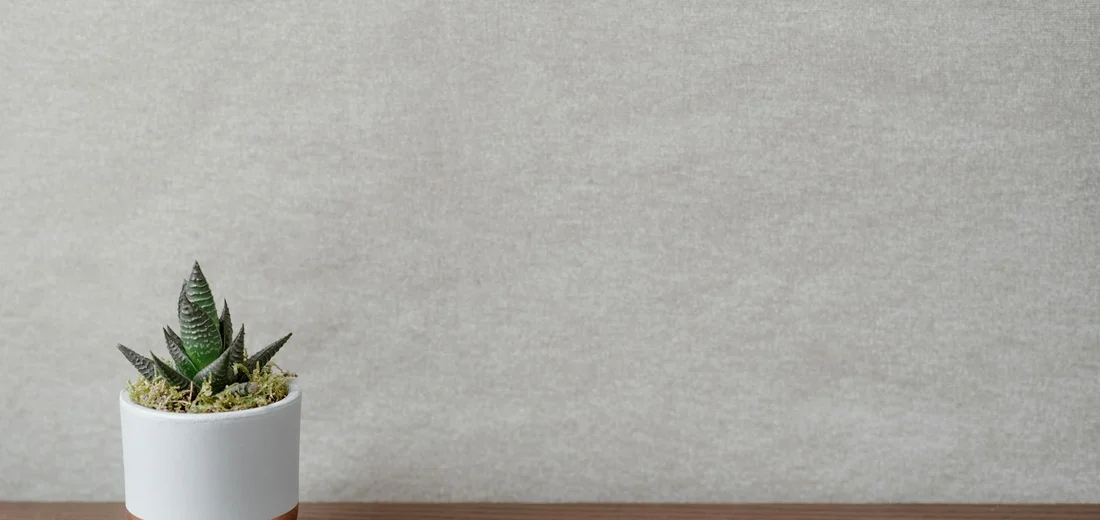
Arranging succulents is where the real fun begins—it’s like being a living art director for your own home. I’ve found that thinking of them as colorful, textured building blocks makes the design process much less intimidating and way more creative. Here are some creative ways to decorate display succulents in your home.
Step 1: Selecting a Color Palette
Start by choosing a color story for your arrangement or room corner. Playing with color is one of the fastest ways to create a mood, from serene to vibrant.
- For a Calm, Monochromatic Look: Combine different shades of green. Think of a Jade Plant’s deep emerald with the soft, pastel green of a Graptopetalum. The variation in texture keeps it interesting.
- For a Warm, Sunset Vibe: Use succulents that blush in the sun. An Echeveria ‘Perle von Nurnberg’ (lavender-pink) paired with a Coppertone Sedum (orange-gold) creates a stunning, warm glow.
- For a Cool, Modern Feel: Incorporate silvery-blue tones. A Blue Chalk Stick (Senecio serpens) next to a powdery Echeveria ‘Blue Atoll’ feels fresh and contemporary.
My favorite trick is to place a single, brightly colored succulent, like a vibrant Red Pagoda, into an otherwise green arrangement for a surprising pop of color.
Step 2: Choosing the Right Container
The pot is the frame for your succulent masterpiece, and it makes a huge difference. Choosing a container with personality can elevate a simple plant into a standout decor piece.
- Drainage is Non-Negotiable: I’ve learned this the hard way! Always pick a pot with a hole in the bottom. If you fall in love with a pot without one, use it as a decorative cache pot and keep the plant in a plain plastic nursery pot inside it.
- Material Matters: Terracotta is my go-to for fussy succulents because it’s porous and helps soil dry out faster. Ceramic glazed pots are beautiful but hold moisture longer, so you must water less frequently.
- Think Outside the Pot: Don’t be afraid to use unconventional items. I’ve planted Hen and Chicks in a vintage teacup (with a layer of gravel at the bottom) and created a stunning centerpiece in a shallow, wide wooden bowl.
Step 3: Creative Wrapping for Gift Succulents
Gifting a succulent is giving a living piece of joy. Presenting it beautifully shows the recipient you’ve put thought into their lasting gift.
- Secure the Pot: Place the potted succulent in the center of a large square of decorative kraft paper or a colorful fabric square.
- Gather and Tie: Pull the corners of the paper up around the base of the plant, creating a little pouch. Secure it with a natural jute twine or a pretty ribbon.
- Add a Personal Touch: Tuck a small, handwritten care tag into the twine. I like to write a simple message like, “Thrives on sunshine and occasional sips of water.” It’s personal and helpful.
For a super quick gift, I sometimes just slide a small succulent pot into a beautiful, oversized coffee mug-it’s a two-in-one present they’ll love.
Essential Care for Keeping Succulents Pretty
Keeping your succulents looking their best is surprisingly straightforward once you know their simple language. These plants are tough, but they communicate their needs clearly through their leaves and growth patterns. Knowing what they need to thrive makes all the difference.
Step 1: Providing the Perfect Light
Light is like food for succulents; it determines their color, shape, and health. Finding that sweet spot of bright, indirect light is the single most important factor for vibrant, compact growth.
- The Goldilocks Zone: A south or east-facing windowsill is usually perfect. The leaves should look bright and colorful, not faded or washed out.
- Watch for Stretching: If your succulent starts growing tall and leggy with space between the leaves, it’s desperately reaching for more light. This is called etiolation. Move it to a brighter spot.
- Avoid Sunburn: Yes, they can get sunburned! If you see brown, scorched patches on the leaves, it’s getting too much direct, harsh afternoon sun. A sheer curtain can provide the perfect filter.
Step 2: Mastering the Watering Routine
Overwatering is the #1 killer of succulents, but I’ve developed a foolproof method. Forget the calendar; the “soak and dry” method is the only watering schedule you need to remember. This is part of our complete guide on how often to water succulents. We’ll break down simple rules for watering frequency across different setups.
- Check the Soil: Stick your finger about two inches into the soil. If it feels completely dry, it’s time to water.
- Water Deeply: Take the plant to the sink and water it thoroughly until water runs freely out of the drainage hole. This ensures the entire root ball gets moisture.
- Let it Drain: Leave the plant in the sink for a few minutes to let all the excess water drain away. Never let it sit in a saucer of water.
- Wait Until Bone Dry: Do not water again until the soil is completely dry all the way through. This could be every 10-14 days, but it depends on your home’s temperature and light.
When in doubt, wait another two days. A thirsty succulent is always better than a drowned one.
Step 3: Using the Right Soil Mix
Regular potting soil holds too much moisture and will lead to root rot. Succulents need a gritty, fast-draining mix that mimics their native, arid habitats.
- Buy a Specialized Mix: Look for a bag labeled “Cactus and Succulent Potting Mix” at your garden center. It’s a great, convenient starting point.
- Make Your Own Gritty Mix (My Preference): I mix two parts potting soil with one part perlite and one part coarse sand. This creates the perfect airy, well-draining environment for the roots to breathe.
- Top Dressing for the Win: After potting, add a thin layer of small pebbles, aquarium gravel, or crushed granite on top of the soil. This keeps the base of the plant dry, prevents soil from splashing onto the leaves, and looks incredibly polished.
How to Multiply Your Succulent Collection
One of my absolute favorite parts of growing succulents is how easily you can make more plants for free. Propagation is like a fun, ongoing science project on your windowsill. I’ve filled entire shelves with plants I started from a single leaf or a tiny offshoot.
Leaf Propagation in 4 Steps
This method feels a little bit like magic. You can create a whole new plant from just one leaf that fell off. I’ve done this countless times with Echeverias and Graptopetalums.
- Choose the Right Leaf: Gently twist a healthy, plump leaf from the stem. You want a clean break where it detaches completely. Avoid skinny or damaged leaves.
- Let it Callus: This is the most critical step! Lay the leaf on a dry paper towel out of direct sun. Leave it alone for 2-4 days until the broken end forms a dry, scab-like layer. Skipping this often leads to rot.
- Lay on Soil: Place the callused leaves on top of well-draining succulent soil. Do not bury them. I mist the soil lightly every few days when it feels dry, but never soak it.
- Wait for the Magic: In a few weeks, you’ll see tiny pink roots and a miniature rosette emerging. Keep misting until the mother leaf withers away, then pot your new baby plant.
Quick Tip: The best time to propagate is during your succulent’s active growing season, typically spring and early summer. The plants are full of energy and root much faster. If a plant shows signs of disease, avoid propagating from it and instead treat or discard the affected parts to prevent spread. Propagate only from healthy growth once the plant is disease-free.
Dividing Offsets and Pups
Many succulents, like my beloved Aloe and Haworthia, are generous and grow little baby plants right at their base. Dividing these “pups” is the fastest way to get a mature-looking new plant. It’s far quicker than starting from a leaf. Transplanting those pups into fresh, well-draining soil is how you propagate succulents successfully. With a little patience and bright, indirect light, they root quickly.
First, gently remove the entire mother plant from its pot. Brush away the soil so you can see where the pup connects to the main plant. Look for a pup that has started to form its own root system-this is your best candidate for a successful separation.
Using a clean, sharp knife or your fingers, carefully separate the pup from the mother. Try to keep as many roots intact on the pup as possible. If you have to cut it, that’s okay! Just let the cut end callus over for a day or two before you plant it in its own small pot with fresh soil.
Quick Tip: Water the mother plant a day or two before you plan to divide it. This makes the roots more flexible and less brittle, reducing the chance of damage during the process.
FAQs
What are the most visually striking succulent varieties?
Echeverias with their rosette shapes and Sedums with trailing habits are highly striking.
How can I ensure my succulents stay pretty year-round?
Provide consistent care with proper light, water, and soil to maintain their health and appearance.
Are there pretty succulents that are safe for cats and dogs?
Yes, varieties like Haworthia and some Echeverias are generally considered non-toxic to pets.
What are the best pretty succulents for office desks?
Low-light tolerant succulents like Zebra Haworthia or Snake Plant are perfect for desk decor.
Can I grow pretty succulents in a bathroom with high humidity?
Most succulents prefer dry air, but some like Aloe can tolerate occasional humidity if well-ventilated.
How do I choose a pretty succulent that symbolizes something special?
Select varieties with traditional meanings, such as Jade Plant for prosperity or String of Pearls for purity.
Your Succulent Story Starts Here
From my own plant-parenting journey, I’ve learned that the prettiest succulents for your home or as gifts are those that blend visual charm with simple care needs. Focus on varieties that adapt well to indoor light and won’t demand constant attention. For beginners, the best succulents—[top 10 easy-care varieties](https://hardyhouseplants.com/best-succulents-for-beginners-top-10-easy-care-varieties)—make a reliable starting point. They’re forgiving and thrive with minimal fuss. Here’s a quick reminder:
- Pick succulents with unique shapes or colors to match your decor style.
- Always check for good drainage and water only when the soil is dry.
- Share succulents as gifts with a care note-it makes them extra special!
I’m always adding fresh tips and plant spotlights to help you grow. Follow along at Hardy House Plants (www.hardyhouseplants.com) for more easy, feel-good advice. You’ve got a green thumb waiting to shine-succulents are forgiving and fabulous for any space!
Further Reading & Sources
- 59 Succulents You Should Grow That Are Perfectly Low-Maintenance
- Top 20 Succulent Types at a Glance – Debra Lee Baldwin
- 80 Types of Succulents for Beginners and Expert Gardeners
- Types of Succulent Plants (with pictures) | Succulents and Sunshine
Lena Greenfield is a passionate horticulturist and plant care expert with over 10 years of experience cultivating and nurturing hardy house plants. With a deep understanding of both indoor and outdoor gardening, Lena shares practical advice on choosing, caring for, and maintaining resilient plants that flourish year-round. Through her knowledge and hands-on approach, Lena helps plant lovers transform their spaces into vibrant, green sanctuaries, no matter their gardening experience.
Types of Succulents