
Why Do Succulents Get Leggy and How to Fix It?
Published on: February 20, 2026 | Last Updated: February 20, 2026
Written By: Lena Greenfield
Have you noticed your succulents stretching out and looking sparse instead of staying compact? This leggy growth, called etiolation, happens when they aren’t getting enough light and start reaching for the sun.
In my years of tending to succulents, I’ve fixed many stretched-out plants and will guide you through why succulents get leggy, how to prevent it, and easy steps to fix it for lush, happy plants.
What Leggy Succulents Look Like: Spotting the Signs
You know that look when a plant seems to be reaching for something? That’s exactly what leggy growth is. Instead of a compact, tight rosette, your succulent starts to look stretched out and awkward.
- Elongated, stretched-out stems between the leaves.
- Wider gaps between leaves that used to be snug together.
- A general “leaning” posture, often toward the nearest light source.
- Leaves that may appear smaller, paler, or weaker than before.
- The stem itself might become thin and weak, unable to support the plant’s weight.
I had a beautiful Echeveria ‘Perle von Nurnberg’ that sat on a shelf just a little too far from the window. Within a few weeks, its once-tight center had stretched into a long, bare neck, desperately craning for more sun. It was a classic case, and it taught me to be much more observant of light conditions.
Why Succulents Stretch: Uncovering the Causes
Legginess isn’t a random event; it’s your plant’s direct response to its environment. Understanding the ‘why’ is the first step to providing the perfect fix.
Insufficient Light and Etiolation
This is the number one reason your succulents get leggy. The scientific term is etiolation. When a succulent isn’t getting enough light, it goes into survival mode, stretching its stems to find a brighter spot. This is called phototropism.
Succulents crave bright, direct light for several hours a day. A north-facing window often isn’t enough. I learned this the hard way with a jade plant that became so top-heavy it nearly toppled over. Moving it to a south-facing window stopped the stretching immediately, and the new growth was beautifully compact again.
Overwatering and Its Effects
While we often think of overwatering causing rot, it can also lead to weak, leggy growth. The plant grows too quickly with the excess water, resulting in soft, unstable stems that can’t support themselves.
This is different from underwatering, which typically causes shriveled leaves, not elongation. My go-to check is the “finger test”-I stick my finger two inches into the soil and only water if it’s completely dry. This simple habit prevents both overwatering and the spindly growth that can come with it.
Pot Size and Root Health
A pot that’s too small can sometimes contribute to stress that affects overall growth, but it’s rarely the primary cause of legginess. If the roots are severely crowded, the plant might focus energy on upward growth instead of producing new leaves.
Repotting into a container just one to two inches wider can help. Remember, a bigger pot isn’t always better, as too much soil holds more water and increases rot risk. If your plant has plenty of light and the right water but is still in a tiny pot, an upgrade might be the final piece of the puzzle.
Genetics and Natural Growth Habits
Sometimes, your plant is just doing what comes naturally! Some succulents, like many Sedum or Senecio varieties, are simply trailing or upright growers by nature. They aren’t leggy; they’re just built that way.
Rosette-forming Echeverias can also develop a longer stem over many years, which is a sign of a happy, maturing plant. Don’t fight your plant’s natural shape—embrace it or use it to create stunning, tall specimens. Knowing your specific succulent’s growth habit helps you manage your expectations and care for it properly. With proper echeveria succulent care, you can nurture beautiful rosette varieties through good light and drainage.
Fixing Leggy Succulents: Step-by-Step Solutions
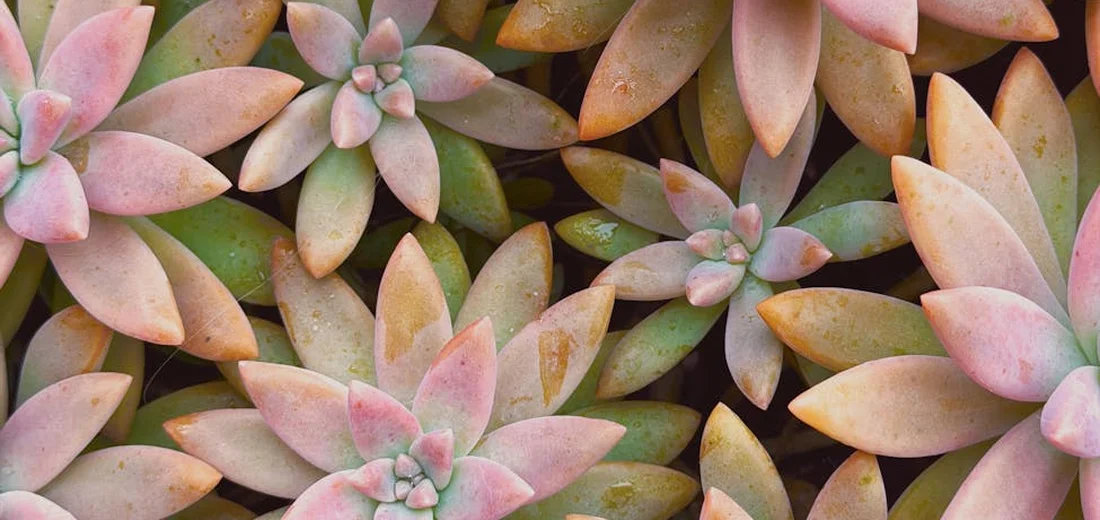
When your succulents stretch out, it’s a fixable issue I’ve handled countless times. Start by assessing the plant’s condition to choose the right approach for revival. My method involves pruning, light adjustments, and repotting based on what each plant needs. Fixing stretched growth also helps prevent etiolation from returning. Keep succulents in bright light and adjust spacing and care to maintain compact, healthy growth.
- Inspect the plant for stem elongation and leaf spacing.
- Decide if pruning, light changes, or repotting is the primary solution.
- Gather clean tools and materials before beginning any work.
These steps have helped me turn lanky succulents into lush, compact beauties. Patience and consistency are your best allies in this process.
Pruning and Trimming Techniques
Pruning leggy stems encourages new, tighter growth from the base. I always sterilize my pruning shears with isopropyl alcohol to prevent infections. This simple habit has kept my plants disease-free for years.
- Identify elongated stems and plan cuts just above leaf nodes.
- Make sharp, angled cuts to promote quick healing and new shoots.
- Remove any yellow or damaged leaves to redirect energy.
After pruning, I place the cuttings in soil to propagate new plants. You can grow multiple compact succulents from one leggy parent this way. For leaf cuttings, lay a healthy leaf flat on well-draining soil and wait for roots to form. A new rosette will emerge from the leaf base as it roots.
Increasing Light Exposure
Insufficient light is a common cause of stretching, so boosting exposure is crucial. Move succulents to a south-facing window for maximum brightness without direct harsh sun. I revived an etiolated jade plant by shifting it seasonally—it plumped up in weeks. Recognize seasonal stress signs like legginess or color changes, and respond by adjusting light and placement for succulents. Early action helps recovery.
If natural light is low, use full-spectrum grow lights placed 6 inches above the plants. Setting a timer for 12 hours daily mimics ideal conditions and prevents further elongation. My indoor collection thrives under LEDs during gloomy winters.
Repotting for Better Health
Repotting gives roots room to breathe and access better soil. Check for root-bound plants or soggy soil as signs it’s time to repot. I do this in spring when plants are actively growing.
- Gently remove the succulent and shake off old soil.
- Trim any rotten or tangled roots with clean scissors.
- Choose a pot with drainage holes that’s slightly larger than the root ball.
- Fill with a mix of cactus soil and perlite for fast drainage.
- Water lightly after repotting and avoid fertilizing for a month.
This refresh supports sturdy growth. Your succulent will settle in and resist stretching with improved root health.
Preventing Leggy Growth: Long-Term Care Tips
Keeping succulents compact starts with daily habits I’ve refined over time. Focus on light, water, and soil to maintain their natural shape. Consistent care prevents the need for drastic fixes later, as explained in our guide to keeping succulents small and healthy.
Optimizing Light and Placement
Succulents crave bright, indirect light for at least 6 hours daily. Position them near east or west windows where light is strong but not scorching. Not all succulents have the same light needs. We’ll explore how much light different succulents really need. I rotate my pots weekly to ensure even exposure on all sides.
- Use grow lights on timers if your home lacks sunny spots.
- Adjust placement with seasons-move plants closer to windows in winter.
- Watch for color changes; vibrant hues mean good light levels.
Proper placement stops stretching before it starts. Bright, consistent light is the foundation of compact succulent growth.
Watering and Soil Best Practices
Overwatering weakens stems and leads to elongation. Water only when the top inch of soil feels dry-I use the finger-test to gauge moisture. This trick has saved my plants from root issues many times.
- Use a fast-draining mix with sand, perlite, and potting soil.
- Water deeply until it drains out, then let the soil dry completely.
- Reduce watering in cooler months to match slower growth.
Well-draining soil and mindful watering build strong roots. Less frequent drinks encourage succulents to stay dense and healthy. In our bottom watering techniques section of the succulents complete guide, you’ll learn how to hydrate from below for steady growth without oversoaking.
Fertilizer and Nutrient Balance
Balanced nutrients support steady growth without excessive stretching. Apply a diluted, balanced fertilizer during active growth periods for best results. I use a 10-10-10 formula every 6 weeks from spring to fall.
- Avoid high-nitrogen fertilizers that promote weak, fast growth.
- Stick to half-strength solutions to prevent nutrient burn.
- Skip fertilizing in winter when plants are dormant.
Moderate feeding keeps growth compact. Too much fertilizer can do more harm than good, so less is often more.
Propagating from Leggy Stems: Turning Problems into New Plants
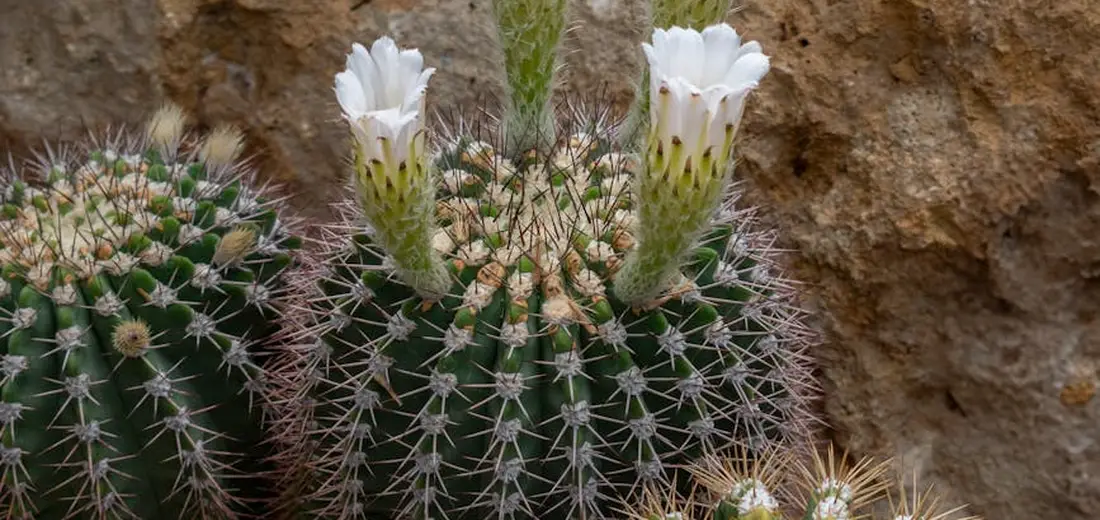
Don’t you dare throw away those long, pruned stems! Leggy growth is a fantastic, free source for propagating dozens of new baby succulents. I’ve turned a single overgrown echeveria into an entire windowsill family using this exact method.
Here is my simple, step-by-step guide to propagation from cuttings.
- Make a clean cut. Use sharp, sterilized scissors or pruners to snip the leggy stem. Leave a few inches of stem below the rosette of leaves.
- The crucial callous stage. Place the cutting in a dry, shaded spot for 2-4 days. You must let the cut end form a dry, hardened callous; this prevents rot when you plant it. I lay mine on a paper towel on the kitchen counter.
- Plant your calloused cutting. Fill a small pot with a fast-draining succulent mix. Make a small hole and place the calloused stem inside, just deep enough to support it upright. Do not water it yet.
- Wait for roots. Place the pot in bright, indirect light. Wait about a week, then give the soil a very light sprinkle of water. The goal is to encourage the roots to search for moisture. In 2-4 weeks, you should feel resistance if you give the plant a gentle tug, meaning roots have formed.
- Resume normal care. Once rooted, you can begin watering it like a mature succulent, soaking the soil only when it’s completely dry.
I once propagated a jade plant that had become so tall it toppled over. From that one “failed” plant, I successfully grew seven new, compact jades that I gave away as gifts. It feels like magic every single time.
When to Use Grow Lights for Healthy Succulents
Sometimes, your home just doesn’t get enough light, no matter how hard you try. Grow lights are the secret weapon for keeping succulents compact and colorful in dim apartments or during gloomy winters. To use grow lights effectively for succulents, set a timer for about 12-14 hours of light daily. Place the lights 6-12 inches above the foliage and choose full-spectrum bulbs for balanced growth. My north-facing windowsill would be a succulent graveyard without them.
You should seriously consider a grow light in these situations.
- Your windows receive less than 4-6 hours of direct sun daily.
- You notice every succulent you own is starting to stretch, regardless of its location.
- You live in a region with long, dark winters.
- Your colorful succulents, like echeverias, are fading to a plain green.
Choosing the right light is easier than you think. Look for full-spectrum LED panels; they are energy-efficient, produce little heat, and provide the complete light spectrum plants need. I use a simple, clip-on LED panel for my collection.
Place the light 6 to 12 inches above your plants and run it for 12-14 hours a day. A simple plug-in timer is a lifesaver for maintaining a consistent daily “sun” schedule without you having to remember. My echeverias under a light stay a stunning pink and purple, while their siblings on a regular shelf revert to green.
It’s an upfront investment that pays for itself in vibrant, healthy plants year-round.
FAQs
How can I encourage bushier growth in a leggy succulent?
Prune the elongated stems and provide ample light to stimulate multiple new shoots from the base.
Is it possible to reverse etiolation in succulents?
While the stretched stems won’t shrink, new growth can be compact with improved light conditions.
What should I do if my succulent is leaning heavily due to legginess?
Stake the plant temporarily after pruning and increase light exposure to support upright growth.
Can low humidity cause succulents to become leggy?
No, low humidity is not a direct cause of legginess; it’s primarily due to insufficient light or overwatering.
How do I know when it’s time to replace a severely leggy succulent?
If the plant is too weak or damaged, it’s better to propagate healthy parts and start anew.
Are there any succulents that don’t get leggy easily?
Yes, some like Haworthia or Gasteria are more tolerant of lower light and less prone to stretching.
Keep Your Succulents Compact
Remember, the secret to fixing a leggy succulent is simple: give it more light, prune the stretched growth, and propagate the cuttings to create new, full plants. Your main action plan is to assess the light, snip the stem, and give the cuttings a new life. When the cuttings have rooted, transplant them into individual pots to propagate succulents successfully. Use fresh, well-draining soil and bright light to help them settle in.
I’ve rescued dozens of stretched-out succulents using these exact steps, and you can too. If you’re wondering whether succulents are easy to care for as a beginner, our complete guide has you covered. This beginner-friendly guide breaks down essential tips and starter steps so you can grow thriving plants with confidence. For more straightforward plant care tips that really work, be sure to check out our other guides on Hardy House Plants. You’ve got this!
Further Reading & Sources
- Succulents With Long Stems: How To Fix Leggy Stems
- Succulent Etiolation: Understanding and Fixing Leggy Growth – Succulents Box
- How to Fix Leggy Succulents – The Creek Line House
- Succulents Stretching and Getting Leggy? Why and What To Do – Succulent Plant Care
Lena Greenfield is a passionate horticulturist and plant care expert with over 10 years of experience cultivating and nurturing hardy house plants. With a deep understanding of both indoor and outdoor gardening, Lena shares practical advice on choosing, caring for, and maintaining resilient plants that flourish year-round. Through her knowledge and hands-on approach, Lena helps plant lovers transform their spaces into vibrant, green sanctuaries, no matter their gardening experience.
Light Requirements