
Is Your Snake Plant Dying? Here’s How to Save It
Published on: February 21, 2026 | Last Updated: February 21, 2026
Written By: Lena Greenfield
You’ve noticed your snake plant doesn’t look right, and you’re worried you might lose this tough, forgiving houseplant. Don’t panic-it’s often easier to revive than you think, and I’ve brought many neglected snake plants back from the brink.
In this guide, I’ll walk you through the clear signs of trouble and the exact steps I take to nurse them back to health. We’ll cover how to spot overwatering, diagnose root rot, fix drooping leaves, and provide the simple care adjustments that make all the difference.
Spotting the SOS Signals: Key Signs Your Snake Plant is Unwell
Your snake plant might be crying out for help with visual clues you can spot easily. I’ve learned from years of tending these resilient plants that catching issues early often means the difference between revival and loss.
- Yellow leaves typically shout overwatering, where roots drown in soggy soil and can’t function properly.
- Brown tips often whisper underwatering or sunburn, especially if the soil feels parched or leaves show crisp edges.
- Drooping leaves can signal root rot from too much water or a plea for more light, making the plant slump sadly.
- Mushy leaves are a red alert for advanced root rot, feeling soft and squishy like overripe fruit when you gently squeeze them.
When Leaves Turn Yellow or Brown
Discoloration tells a story, and decoding it helps you respond right. In my own collection, I’ve seen yellowing from overwatering spread evenly across leaves, while browning from thirst concentrates on tips.
- Yellow leaves from overwatering appear uniformly pale and soggy, often with wet soil that smells musty-a sign roots are suffocating.
- Brown tips from underwatering feel dry and crispy, with soil pulling away from the pot’s edges, begging for a deep drink.
- Brown patches from sunburn look scorched and irregular, usually on leaves facing direct sunlight, unlike the even browning of drought stress.
The Dreaded Droop and Mushy Feel
When leaves droop and turn mushy, it’s a serious cry for help. From personal experience, mushy leaves have a texture like overcooked vegetables and can emit a faint, unpleasant odor similar to decay.
This often points to root rot, where roots become dark, slimy, and unable to support the plant. If you notice this, act fast-I’ve saved plants by cutting away rotten parts and repotting in fresh soil.
Unwanted Guests: Checking for Pests
Pests can sneak in and wreak havoc, but a quick inspection catches them early. I always check my plants weekly, as mealybugs and spider mites love to hide in leaf crevices.
- Mealybugs look like tiny cotton balls clustered on leaves or stems, sucking sap and weakening the plant over time.
- Spider mites create fine webbing and cause stippling-tiny yellow or white spots-on leaves, especially in dry conditions.
To inspect, wipe leaves with a damp cloth and examine both sides and the soil surface. If you spot pests, isolate the plant and treat it with a mix of water and mild soap-it’s a trick I’ve used for years.
Getting to the Root of the Problem: Diagnosing the Cause
Pinpointing the issue requires a simple, step-by-step approach. I guide my diagnosis by checking soil, roots, and light, which has helped me revive countless struggling plants. I also identify common light-related problems and propose fixes. These range from adjusting placement to using supplemental lighting as needed.
- Start with soil moisture: Insert your finger an inch deep-if it’s wet, overwatering is likely; if bone-dry, underwatering may be the culprit.
- Move to root inspection: Healthy roots are firm and white, while rotten ones are soft and brown, often with a foul smell.
- Assess light exposure: Look for leaf color and growth patterns-scorched leaves mean too much sun, while stretching indicates not enough.
The Soil and Root Check-Up
Examining roots gives you a clear picture of plant health. I always do this gently to avoid stress, and it’s saved many of my snake plants from root rot.
- Carefully tilt the pot and support the base as you slide the plant out. If it resists, tap the pot’s sides or run a knife around the edge to loosen soil.
- Brush off soil and inspect the roots under running water for clarity. Healthy roots feel sturdy and look creamy white, while rotten ones are mushy, dark, and may fall apart easily.
- Trim any damaged roots with sterilized scissors, then let the plant air-dry for a few hours before repotting in well-draining mix to prevent future issues.
Assessing Your Watering Routine
Watering mistakes are common, but easy to fix with observation. Snake plants thrive on neglect, so I use the ‘soak and dry’ method—water deeply, then wait for the soil to dry completely. For an indoor, complete guide on watering snake plants indoors, this approach is a solid baseline. We’ll tailor schedules to light and season to keep them thriving indoors.
- Overwatered plants have consistently damp soil, yellowing leaves, and a heavy pot-ease up and let the soil dry out fully between waterings.
- Underwatered plants show dry, pulling-away soil, wilted leaves, and brown tips-give them a thorough drink until water drains from the bottom.
Stick to a schedule where you water only when the top inch of soil is dry. This approach mimics their natural arid habitat and keeps roots happy and rot-free.
Evaluating Light and Location
Light plays a big role in how your snake plant behaves. Even though they’re low-light tolerant, the right spot encourages vibrant growth without stress. So, what are the complete light requirements for snake plants? Here’s a quick overview.
- Too much direct sun causes leaf scorch with brown, brittle patches-move the plant to indirect light, like near a north-facing window.
- Not enough light leads to stretching, where leaves grow tall and pale-while they survive, moderate indirect light keeps them compact and colorful.
Don’t fret if your space is dim; snake plants adapt well. I’ve kept mine in shady corners for years, and they still add greenery without fuss, just growing a bit slower.
The Revival Rescue Plan: Step-by-Step Recovery
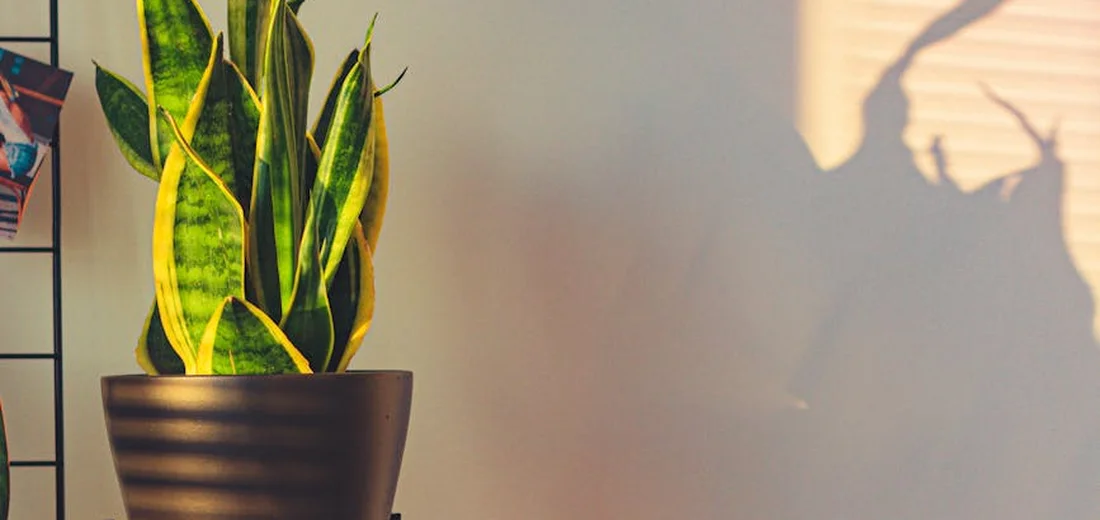
Seeing your snake plant struggle can be worrying, but I’ve brought many back from the brink with a simple, methodical approach. This step-by-step plan is what I use in my own home to give my plants their best shot at a full recovery, including knowing how to handle tricky situations like broken leaves.
Step 1: Address Immediate Damage
- Grab a pair of clean, sharp scissors or pruning shears. I wipe mine down with a little rubbing alcohol to prevent spreading any unseen germs.
- Identify the leaves that are too far gone. Look for leaves that are completely yellow, are mushy to the touch, or have extensive brown, crispy patches. These leaves are draining energy and won’t recover.
- Cut these damaged leaves all the way down to the soil line. Make a clean, straight cut. Don’t be shy about removing them; the plant will thank you.
- Leave any leaves that are only partially damaged, especially if they still have some healthy green sections. The plant can still use these for photosynthesis.
A quick tip: If a leaf tip is just brown and crispy, you can simply snip off the brown part at an angle to mimic the leaf’s natural shape. It makes the plant look tidier while you nurse it back to health.
Step 2: Treat Root Rot and Repot
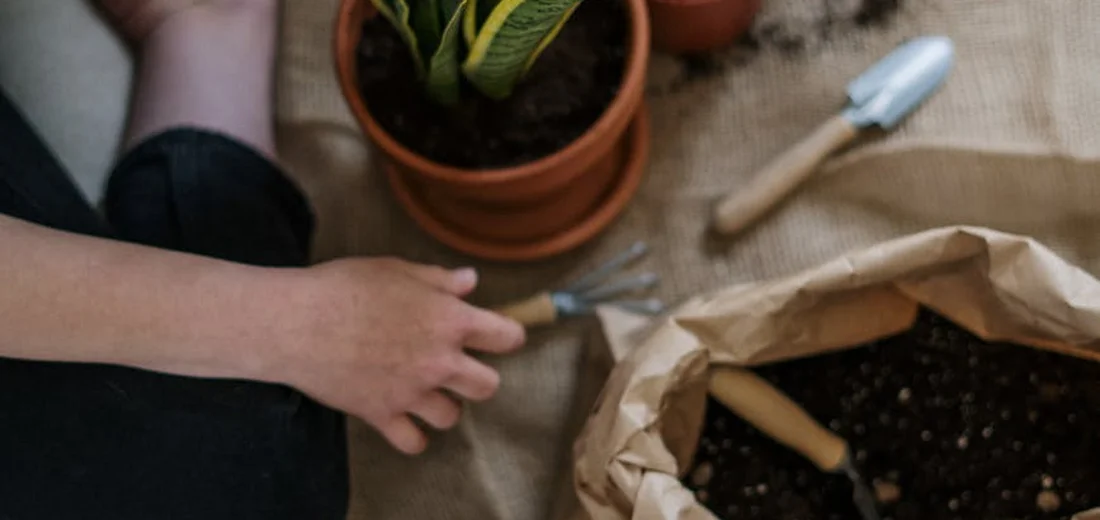
- Gently tip the plant out of its pot. You might need to squeeze the sides of a plastic pot or run a knife around the edge of a ceramic one to loosen it.
- Brush away the old soil from the root ball so you can see the roots clearly. I do this over an old newspaper to contain the mess.
- Inspect the roots carefully. Healthy snake plant roots are firm and orange-ish in color. Rotten roots are mushy, brown or black, and might smell bad.
- Using your clean shears, snip off all the rotten roots. Be ruthless here-any rot left behind will just spread. You only want to keep the firm, healthy roots.
- Let the root system air out for a few hours. This gives the cuts a chance to callous over, which helps prevent re-infection.
- While the roots are airing, prepare your new pot and soil. Choose a pot with drainage holes that is only 1-2 inches wider than the remaining root ball. A pot that’s too big holds excess moisture.
My go-to DIY soil mix that has never failed me is two parts regular potting soil, one part perlite, and one part coarse sand. This creates the perfectly chunky, fast-draining environment snake plants crave to prevent future rot.
Step 3: Reset Your Care Routine
- Place your repotted plant in a spot with bright, indirect light. An east-facing window is ideal, or a few feet back from a south or west window. Avoid direct sun, which can scorch the tender, recovering leaves.
- This is the most critical part: do not water your plant immediately after repotting. I typically wait a full week before giving it its first drink. This pause allows the roots to settle and any tiny injuries from repotting to heal, which drastically reduces the risk of the rot returning.
- When you do water for the first time, water thoroughly until it runs out of the drainage holes, then let all the excess water drain away completely. Never let the plant sit in a saucer of water.
- Hold off on fertilizer for at least 3-4 months. Your plant needs to focus on growing new roots, not processing extra nutrients. The fresh soil has enough food to sustain it for a while.
Be patient and resist the urge to overwater. Your main job now is to provide stable light and wait for the soil to dry out completely between waterings. In my experience, you’ll see signs of new growth in a few weeks if the rescue is successful.
Propagation as a Backup: Saving a Piece of Your Plant
Sometimes, despite our best efforts, the main plant is just too damaged to save. This is not a failure-it’s an opportunity to create new plants from the old one. Correctly cutting snake plant leaves is essential for successful propagation. Snake plants are incredibly easy to propagate from leaf cuttings, and I always see this as a hopeful, life-affirming process.
How to Take and Root a Healthy Leaf Cutting
- Select a healthy leaf from your original plant. Even if the plant is dying, there’s often one leaf that’s still in decent shape. Choose one that is as firm and green as possible.
- Using your clean shears, cut the leaf into sections that are about 3-4 inches long. It’s helpful to make a small notch on the top of each cutting so you remember which end is “up.”
- Lay the cuttings on a paper towel in a cool, dry spot out of direct sun. Let them sit for 2-3 days. This allows the cut ends to form a dry, calloused layer, which is essential to prevent rot when you plant them.
- Once calloused, stick the cuttings about an inch deep into a small pot filled with moist cactus or succulent mix (or the DIY mix I mentioned earlier). Make sure you plant the correct end down-the end that was closest to the roots.
- Place the pot in bright, indirect light and water very sparingly, only when the soil is completely dry. The goal is to keep the soil barely moist, not wet.
New roots and a tiny pup (a baby plant) will slowly emerge from the base of the cutting. This process requires patience and can take a couple of months, but the reward is a brand new, healthy snake plant that you grew yourself. Propagating snake plants with cuttings can be done in water or soil. Water propagation lets you watch the roots develop before you pot the pup.
Signs of Success: How to Know Your Snake Plant is Recovering

Watching for these positive changes is my favorite part of plant rescue. Seeing new growth is the ultimate confirmation your care is working.
- New Root Growth: When you gently tug the plant, it should feel firmly anchored. This resistance means healthy white roots are spreading through the soil again.
- Firming Leaves: Wrinkled, soft leaves will slowly become plump and rigid as they rehydrate. A thirsty leaf that bounces back is a sure sign of recovery.
- Emergence of New Shoots: The most exciting signal is a tiny, pointed spear poking up from the soil line. I call these my “victory spears.”
- Return of Color: Pale or yellowing leaves will stop declining, and the deep green, variegated patterns will become more vibrant.
Quick tip: Mark your calendar when you start treatment; recovery can take a few weeks, so patience is your best tool.
Keeping It Thriving: Preventative Care for a Healthy Future
Now that your plant is on the mend, let’s build a simple routine to keep it that way. A happy snake plant is an almost hands-off snake plant. The core of its care boils down to three things: infrequent watering, bright indirect light, and the right gritty soil mix.
Crafting the Perfect Watering Schedule
Forget watering on a strict calendar day. The only schedule you need is the “soil dryness schedule.” I let the potting mix dry out completely all the way to the bottom of the pot before I even think about watering.
My personal method is the trusty chopstick test. Stick a wooden chopstick or skewer deep into the soil, just like testing a cake. Leave it for a minute, then pull it out. If it comes out clean, with no damp soil stuck to it, it’s time to water. If it has dirt on it, wait another week and test again.
In my home, this usually means a deep, thorough soak every 3-6 weeks, depending on the season. When you do water, do it thoroughly until it runs freely out of the drainage hole.
Choosing the Right Spot and Soil
Light is your plant’s best friend. Place your snake plant in a spot with bright, indirect light for the fastest and sturdiest growth. A north or east-facing window is perfect, or a few feet back from a south or west window. This is part of our complete indoor snake plant care guide, from placement to maintenance. Continue reading for simple routines on watering, cleaning, and upkeep.
Pot and soil choice are non-negotiable for long-term health. You must use a pot with a drainage hole. I’ve learned this the hard way after losing a plant to a “decorative” pot with no way for water to escape.
For soil, a standard potting mix is too moisture-retentive on its own. I always mix in perlite or coarse sand to create a gritty, fast-draining environment that mimics their natural habitat. A 2:1 ratio of potting mix to perlite has never failed me. That said, many growers opt for a ready-made perlite succulent soil mix. These mixes are formulated to be airy and fast-draining, perfect for succulents.
FAQs
What is snake plant revival?
Snake plant revival is the process of restoring a dying plant to health by correcting care mistakes and promoting new growth.
How often should I water a snake plant to help it revive?
Water only when the soil is completely dry, typically waiting a week after repotting before the first thorough drink—especially for succulents and other hardy houseplants.
What soil mix is best for reviving a snake plant?
Use a fast-draining mix like two parts potting soil, one part perlite, and one part coarse sand to prevent root issues.
How much sunlight does a snake plant need for revival?
Provide bright, indirect light, such as from an east-facing window, to support recovery without causing stress.
Can cutting damaged leaves help revive a snake plant?
Yes, removing yellow or mushy leaves redirects the plant’s energy toward healthy growth and root development.
How long does it take for a snake plant to revive?
Recovery usually takes a few weeks to months, with new shoots indicating successful revival.
Your Snake Plant’s Comeback Starts Now
From my own plant-parenting journey, I can tell you that saving a snake plant hinges on correcting its water, light, and soil conditions quickly. Focus on these core actions: Different snake plant types may prefer different light and soil mixes, so tailor your approach. Adjust light, water, and soil to suit the variety you have.
- Check soil moisture deeply before each watering to prevent root rot.
- Move the plant to bright, indirect light if it’s looking pale or stretched.
- Repot into fresh, well-draining soil if the current mix stays soggy.
Remember, these plants are survivors-I’ve seen many bounce back with simple tweaks and a little patience. For more hands-on tips tailored to your home, keep following along at Hardy House Plants; we’re rooting for you and your green companion every step of the way!
Further Reading & Sources
- Save a Rotting Snake Plant : 4 Steps (with Pictures) – Instructables
- r/houseplants on Reddit: Snake plant is dying. Total plant newb here – how do I revive her? And what to do with the dead leaves?
- Snake Plant Dying – Causes and How to Save It – Abana Homes
- Rescue A Dying Snake Plant – Snake Plant Care Indoors – YouTube
Lena Greenfield is a passionate horticulturist and plant care expert with over 10 years of experience cultivating and nurturing hardy house plants. With a deep understanding of both indoor and outdoor gardening, Lena shares practical advice on choosing, caring for, and maintaining resilient plants that flourish year-round. Through her knowledge and hands-on approach, Lena helps plant lovers transform their spaces into vibrant, green sanctuaries, no matter their gardening experience.
Stress Symptoms