
Desert Rose Plant Care: Growing Adenium Obesum Indoors
Published on: March 5, 2026 | Last Updated: March 5, 2026
Written By: Lena Greenfield
You love the look of a desert rose with its thick, sculptural trunk and vibrant flowers, but you’re worried you can’t keep this sun-loving beauty happy inside your home. I’m here to tell you that you absolutely can, and I’ve grown these stunning plants on sunny windowsills for years.
In this guide, I’ll walk you through everything I’ve learned from my own experience to help your desert rose thrive. We’ll cover proper watering, ideal sunlight, the perfect soil mix, when and how to repot, and how to troubleshoot common problems.
Welcoming the Desert Rose into Your Home
Bringing your new Desert Rose home is exciting, but it’s also a big change for the plant. The first thing I always do is give it a thorough inspection for any signs of pests or disease, especially under the leaves and in the crevices of its unique caudex (that swollen trunk). A quick check now saves a lot of trouble later.
Your plant has likely been in a greenhouse or a store with very different light and humidity than your home. I recommend placing it in its intended permanent spot immediately and resisting the urge to move it around for at least a week or two. This gives it a stable environment to start adjusting to, which reduces stress.
Hold off on watering right away, even if the soil feels dry. I wait about 5-7 days after bringing a new succulent home before its first watering, which allows any tiny, disturbed roots to callous over and prevents rot. This simple patience has saved more plants than I can count—especially when watering succulents after repotting.
Finding the Perfect Spot: Sunlight and Light Exposure
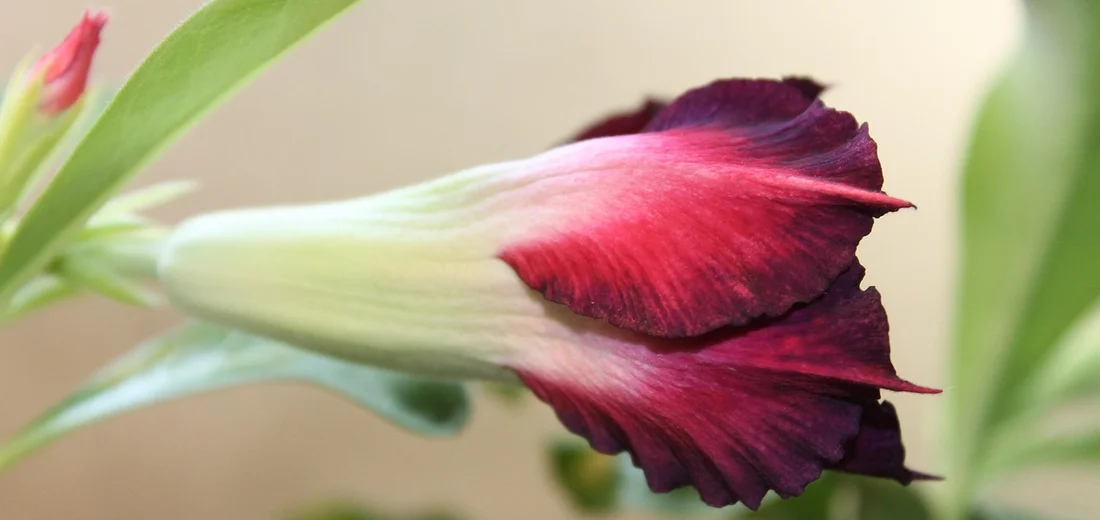
Light is the single most important ingredient for a happy, blooming Desert Rose. In my sunroom, I’ve found that an unobstructed south-facing window is the absolute gold standard, providing the intense, direct light these plants crave for 6-8 hours a day. Without enough light, they become leggy, their growth stretches out, and they simply won’t produce their beautiful trumpet-shaped flowers.
East or west-facing windows can also work, but you need to be strategic. For an east-facing window, push the plant as close to the glass as possible to soak up every minute of that morning sun. A west-facing window often provides a good intensity of afternoon light, but be cautious of the heat magnified through the glass during summer, which can potentially scorch the leaves.
If you only have a north-facing window or your home is naturally dim, don’t lose hope. I’ve successfully supplemented natural light with a full-spectrum grow light placed about 12 inches above the plant for 12-14 hours a day, and it kept my Desert Rose compact and happy through a gloomy winter.
Signs Your Plant Needs More Light
- Stretching or leaning dramatically toward the light source.
- Large gaps between leaves on the stem (this is called etiolation).
- Pale green or yellowing leaves instead of a deep, healthy green.
- A complete lack of flowers during the growing season.
Quick Light Adjustment Tip
If you need to move your plant to a sunnier location, do it gradually. Suddenly shifting a plant from low light to intense, direct sun can cause sunburn, leaving ugly, bleached spots on the leaves. Acclimate it over a week by giving it an extra hour of direct sun each day.
Watering Your Desert Rose: The Soak and Dry Method

Getting the watering right is the single most important skill for a happy Desert Rose. I learned this the hard way after nearly losing a beautiful specimen to root rot. These plants store massive amounts of water in their thick, swollen caudex (that’s the cool, bulbous trunk), so they are built for drought.
Forget a weekly schedule. The only way to know if your plant needs water is to check the soil. I stick my finger about two inches into the potting mix. If it’s completely dry, it’s time for a drink. If there’s any moisture at all, I walk away. For succulents, you can also read signs beyond soil moisture: wrinkled or shriveled leaves mean it’s thirsty, while plump, firm leaves usually mean it’s fine for now.
When it is time to water, you need to do it properly. Here’s my simple soak and dry method:
- Take your plant to the sink or outside.
- Slowly pour room-temperature water over the soil, avoiding the leaves and caudex.
- Continue pouring until you see water freely running out of the drainage hole in the bottom of the pot.
- Let the pot sit in the sink to drain fully for 15-20 minutes before putting it back in its decorative pot or saucer.
Quick Tip: A thirsty Desert Rose will feel a bit soft or give slightly when you gently squeeze the caudex. A well-hydrated one is firm and hard. This is a great tactile check to confirm what the soil is telling you.
Your watering frequency will change with the seasons. In the summer, with more light and heat, my plants might need water every 7-10 days. In the winter, when growth slows, I might only water them once a month or even less. This is part of a general guide on how often to water indoor plants. Actual schedules can vary by species, pot size, and indoor conditions.
Potting Mix and Drainage: The Foundation of Health
Your watering efforts will fail if your plant is sitting in the wrong soil. Regular potting soil holds too much moisture and will suffocate the roots. You absolutely must use a mix that is fast-draining and gritty. Think of the rocky, sandy soils of their native habitats.
For years, I used a pre-mixed cactus and succulent soil, but I found it still held a bit too much water for my liking. Now, I make my own simple blend, and my plants have never been happier. This makes me wonder: are the best soil mixes different soil mixes for succulents, or can one versatile blend work across the board? In my experience, some varieties seem to prefer grittier, fast-draining mixes, while others tolerate a touch more organic matter.
My go-to Desert Rose potting recipe is:
- 50% high-quality cactus and succulent potting mix
- 30% perlite or pumice (for aeration)
- 20% coarse sand or small aquarium gravel (for weight and drainage)
This creates an airy, loose environment where water flows through instantly and roots can breathe. The pot you choose is just as critical as the soil inside it. Always, always use a pot with a drainage hole. A pot without one is a death sentence for this plant.
Terracotta pots are my top choice because they are porous and allow the soil to dry out even faster. When repotting, which you only need to do every 2-3 years, select a new pot that is only one size larger than the old one. A pot that’s too big holds excess soil that stays wet for too long.
Temperature, Humidity, and Air Circulation

Desert Roses are sun-worshippers that thrive on warmth. They perform best in temperatures between 65°F and 90°F (18°C – 32°C). My plants sit in a south-facing window where they bask in bright, direct light for most of the day.
If you don’t have a sunny window, a strong grow light is a fantastic alternative. I use one for a few of my succulents during our gloomy winters, and it keeps them from getting leggy. Here’s how to use grow lights for succulents effectively.
Unlike many tropical houseplants, Desert Roses don’t need high humidity. Average household humidity of 30-50% is perfectly fine. In fact, good air circulation is far more important than high humidity for preventing fungal issues and promoting strong growth.
I make sure my plants aren’t crammed too close together, and I often run a ceiling fan on low in the room. This simple step mimics the gentle breezes of their natural environment and keeps the air around them fresh. Pruning crowded growth improves air circulation and light penetration. It also helps keep leaves dry and reduces disease risk.
Be very mindful of cold drafts from windows or doors in the winter. Temperatures below 50°F (10°C) can cause damage and trigger leaf drop. Quick Tip: If your plant drops its leaves suddenly, check the temperature first-it’s often a sign it’s too cold. Move it to a warmer spot, and with proper care, it will usually leaf out again when conditions improve.
Pruning, Shaping, and Repotting Your Plant
Pruning your desert rose is less about strict rules and more about guiding its beautiful, sculptural form. I always prune mine in the active growing season, from late spring to summer, when the plant has the most energy to heal and push out new branches. This is when you’ll see the best results.
My Simple Pruning Process
- Use clean, sharp pruning shears or a knife wiped with rubbing alcohol.
- Identify any long, leggy branches or branches that are crossing and rubbing against each other.
- Make your cut at a 45-degree angle, about a quarter-inch above a leaf node (the bump where a leaf grows from).
- Don’t panic when you see the milky sap! It’s toxic and can irritate skin, so I always wear gloves and wash my hands immediately after.
To encourage a thicker, fuller caudex (that amazing swollen trunk), you can also gently lift the plant slightly during repotting so more of it sits above the soil line. Shaping a desert rose is a slow, rewarding art that lets you create a truly unique living sculpture for your home.
When and How to Repot
Desert roses actually like being a bit root-bound, so you only need to repot every 2-3 years. I look for two signs: roots peeking out of the drainage hole, or the plant seeming top-heavy and unstable in its current pot.
- Timing is Key: Always repot at the very beginning of the growing season, just as you see new buds forming.
- Pot Choice: Select a new pot that is only 1-2 inches wider than the old one. A shallow, wide pot often works better than a deep one, as it mimics their natural growing conditions and highlights the caudex.
- The Perfect Mix: I make my own blend for fantastic drainage: 50% succulent & cactus mix, 25% perlite, and 25% coarse sand or poultry grit.
When you repot, it’s the perfect time to check the health of the roots. Gently tease them apart and snip away any that are black, mushy, or shriveled with your sterilized shears. For beginners following a repot succulents step-by-step guide, this is a key early checkpoint. Let the plant sit out of soil for a day before repotting to allow any cut roots to callous over, which helps prevent rot. After that, continue with the rest of the step-by-step guide for potting and aftercare.
Dealing with Pests and Common Problems
Even the hardiest plants can have issues, but catching them early makes all the difference. My number one tip for pest prevention is to regularly wipe down those thick, glossy leaves with a damp cloth; it keeps them clean and lets you spot trouble fast. Keep an eye on the undersides of leaves and on new growth to spot early warning signs of pest infestations on your plants. Early detection makes it easier to act before the damage spreads.
Common Unwanted Visitors
- Spider Mites: Look for fine webbing and tiny yellow stipples on leaves. I blast them off with a strong stream of water in my sink or shower. For stubborn cases, insecticidal soap or neem oil works wonders.
- Mealybugs: These look like tiny balls of white cotton, often hiding in leaf joints. I dip a cotton swab in rubbing alcohol and dab them directly-it’s instant and effective.
- Aphids: They tend to cluster on new, tender growth. A simple spray of water or insecticidal soap usually knocks them out.
Solving Common Desert Rose Ailments
Yellowing Leaves: This is often a cry for help about water. If the leaves are soft and yellow, you’re likely overwatering. If they’re dry and crispy, the plant is thirsty. Always let the soil dry out completely between waterings to avoid the dreaded root rot. If yellowing and drooping persist, it’s time to troubleshoot further—inspect roots, drainage, and light. We’ll cover more troubleshooting common succulent problems like yellowing and drooping next.
Leaf Drop: Don’t panic if your plant drops leaves suddenly! This is its dramatic way of telling you something has changed. A sudden move to a darker spot, a sharp temperature drop, or the beginning of its dormant period can all trigger leaf drop. Assess the environment and correct the issue, and new leaves will usually follow.
Soft, Mushy Caudex: This is a serious sign of overwatering and rot. If you catch it early, you can perform “surgery” by cutting away all the soft, rotten tissue until you reach firm, healthy flesh, then letting it dry thoroughly before attempting to re-root it in fresh, dry mix.
Navigating Winter Dormancy and Slower Growth

This is the part that often worries new desert rose owners, but it’s a completely natural and necessary rest period. When the days get shorter and cooler, your desert rose will naturally begin to slow down, and it might even drop most or all of its leaves-this is normal, not a death sentence!
I move my plants to the coolest, brightest spot in my house for the winter, usually a south-facing windowsill away from heating vents. The key during dormancy is to drastically reduce watering. I might only give mine a tiny sip of water once a month, just enough to keep the roots from completely desiccating. The goal is to keep the caudex firm, not to support active growth.
- Hold the Fertilizer: Do not fertilize your plant at all during its dormant period. It’s asleep and won’t use the nutrients, which can instead build up and harm the roots.
- Embrace the “Bonsai” Look: Your plant may look like a quirky, sculptural piece of driftwood for a few months. Enjoy its unique architecture!
- The Spring Wake-Up Call: You’ll know dormancy is ending when you see tiny new leaf buds forming on the branches. This is your signal to gradually resume watering and begin your fertilizing schedule again, welcoming your plant back to its growing season.
This cycle of vigorous summer growth and deep winter rest is what keeps your desert rose healthy and strong for decades. Learning to work with its natural rhythm, rather than fighting it, is the secret to long-term success with this stunning plant.
FAQs
Can I grow Adenium Obesum outdoors in non-tropical climates?
You can grow it outdoors in summer but must bring it indoors before temperatures drop below 50°F to avoid cold damage.
What is the best fertilizer for an indoor Desert Rose?
Use a balanced, water-soluble fertilizer diluted to half strength every 4-6 weeks during the active growing season.
Is Desert Rose safe for homes with pets?
No, Desert Rose is toxic to pets if ingested, so keep it out of reach of cats and dogs.
How can I propagate Desert Rose from seeds indoors?
Plant fresh seeds in a well-draining mix, keep them warm and lightly moist until they sprout, which usually takes 1-3 weeks.
What are the signs of over-fertilization in Desert Rose?
Over-fertilization may cause yellowing leaves, leaf drop, or a white crust on the soil surface from salt buildup. If you notice these signs, adjust your fertilization and follow steps to fix it.
Can Desert Rose tolerate dry indoor air from heating systems?
Yes, it tolerates average indoor humidity well, but ensure good air circulation to prevent pest issues.
Your Desert Rose Journey Starts Now
Remember, a happy Desert Rose thrives on bright light, sparse watering, and a cozy pot with sharp-draining soil. Focus on these four pillars for success: provide maximum sunlight, water only when the soil is completely dry, use a gritty cactus mix, and fertilize lightly during the growing season.
You’ve got this! Armed with these simple tips, you can confidently welcome this beautiful, sculptural plant into your home. Trust your instincts, observe your plant’s cues, and enjoy the unique, bonsai-like beauty your Desert Rose will bring for years to come.
Further Reading & Sources
- How to Grow and Care for Desert Rose
- How to Grow and Care for Desert Rose Plants Indoors
- Desert Rose Care: Growing Desert Roses Indoors or Outdoors – 2025 – MasterClass
- C A RING F O R D ESERT RO SE (Adenium)
Lena Greenfield is a passionate horticulturist and plant care expert with over 10 years of experience cultivating and nurturing hardy house plants. With a deep understanding of both indoor and outdoor gardening, Lena shares practical advice on choosing, caring for, and maintaining resilient plants that flourish year-round. Through her knowledge and hands-on approach, Lena helps plant lovers transform their spaces into vibrant, green sanctuaries, no matter their gardening experience.
Light and Temperature