
Common Problems in Mixed Plant Collections and Solutions
Published on: March 10, 2026 | Last Updated: March 10, 2026
Written By: Lena Greenfield
Are your mixed plant collections looking a little under the weather? You might be noticing some plants thriving while others struggle, and I’ve been right there with you in my own indoor jungle over the years.
I’ll guide you through watering imbalances, pest invasions, light mismatches, soil issues, and humidity troubles with fixes I’ve personally used to keep my plants happy and healthy.
The Watering Conundrum: Too Much vs. Too Little
Spotting the Signs of Overwatering and Waterlogging
I’ve killed more plants with kindness (read: overwatering) than with neglect. If your plant’s leaves are turning yellow and feel soft or mushy, you’re likely loving it a little too much with your watering can. A musty smell from the soil is another dead giveaway. For succulents, overwatering looks like translucent, squishy leaves that might even burst. I learned this the hard way with a beautiful jade plant that I essentially turned to mush.
Waterlogging is the advanced stage of overwatering where the roots literally suffocate. When you unpot a plant and the roots are dark brown, slimy, and smell foul, that’s root rot from waterlogging. The soil will also stay wet for an alarmingly long time. My maidenhair fern taught me this lesson; it was a sad, soggy demise.
Understanding the Impact of Underwatering
Underwatering has a completely different look. Your plants will tell you they’re thirsty with crispy, brown leaf edges and overall droopiness. Succulents will pucker and wrinkle, using up the water stored in their leaves. The soil will pull away from the edges of the pot, and the whole container will feel suspiciously light when you lift it. These are the telltale signs that your succulents need water—check the soil moisture to decide whether a drink is due.
I once forgot a string of pearls on a high shelf for a month. The pearls were shriveled like raisins, but a good soak brought about 80% of them back to their plump, happy state. Most plants are surprisingly resilient to a dry spell, but consistent underwatering will stunt their growth and leave them vulnerable.
Crafting a Custom Watering Schedule for a Mixed Collection
Forget watering everything on a strict weekly schedule. It’s the fastest way to create problems. I group my plants into “thirst levels” rather than giving them all the same treatment. This simple mental shift saved my mixed collection. In a diverse plant collection, smart watering schedules matter more than fixed calendars. I’ll share practical strategies for tailoring schedules to different plant groups.
- The “Check Weekly” Group: This includes most of my tropicals like Pothos, Philodendron, and Spider Plants. I check their soil moisture every 7-10 days.
- The “Forget-Me-Nots” (Succulents & Cacti): These guys get a deep drink only when their soil is completely dry, which can be every 2-4 weeks depending on the season and light.
- The “Always Thirsty” Crew: Ferns, Calatheas, and Nerve Plants fall here. They like to stay consistently moist (but not soggy!), so I check them every few days.
The absolute best tool I own isn’t a fancy gadget; it’s a simple wooden chopstick. Stick it into the soil like you’re testing a cake. If it comes out clean, it’s time to water. If soil particles stick to it, hold off. This method has never failed me.
Unwanted Guests: Identifying and Eradicating Pests
Common Culprits: Spider Mites, Mealybugs, and Fungus Gnats
Pests happen to the best of us. Bringing home a new plant is often how they sneak in. Spider mites are tiny and love dry conditions, leaving behind fine, silky webbing on the undersides of leaves. The leaves may also look stippled or dusty.
Mealybugs look like tiny bits of fluffy white cotton hiding in leaf joints and stem crevices. They’re slow-moving but prolific. Fungus gnats are those annoying little black flies that buzz around the soil surface. While the adults are just a nuisance, their larvae in the soil can munch on tender roots, especially of seedlings.
My Go-To Pest Control Protocol
My approach is immediate and escalates only if needed. The first step is always isolation. As soon as I spot a pest, the affected plant goes into quarantine away from the rest of my collection. Quarantining new plants before they join the collection helps prevent pest spread. I treat signs early to keep outbreaks from taking hold.
- Physical Removal: For mealybugs, I dip a cotton swab in rubbing alcohol and dab each bug I see. It’s satisfyingly effective. For a light spider mite infestation, I take the plant to the sink or shower and blast the leaves with water to dislodge them.
- Homemade Spray: I mix 1 teaspoon of mild liquid soap (like Castile soap) with 1 liter of water in a spray bottle. I thoroughly spray the entire plant, making sure to coat the undersides of the leaves, and wipe it down. I repeat this every 3-4 days for two weeks to break the pest life cycle.
- Soil Drenches for Gnats: For fungus gnats, I let the soil dry out completely between waterings. A top dressing of sand or gravel can help. For a serious problem, I use a biological control like Mosquito Bits soaked in my watering can.
Consistency is your greatest weapon in the fight against pests. One treatment is rarely enough. You have to be persistent to win the battle. I’ve cleared up dozens of infestations this way without needing to resort to harsh chemicals.
Light and Location: Finding the Sweet Spot
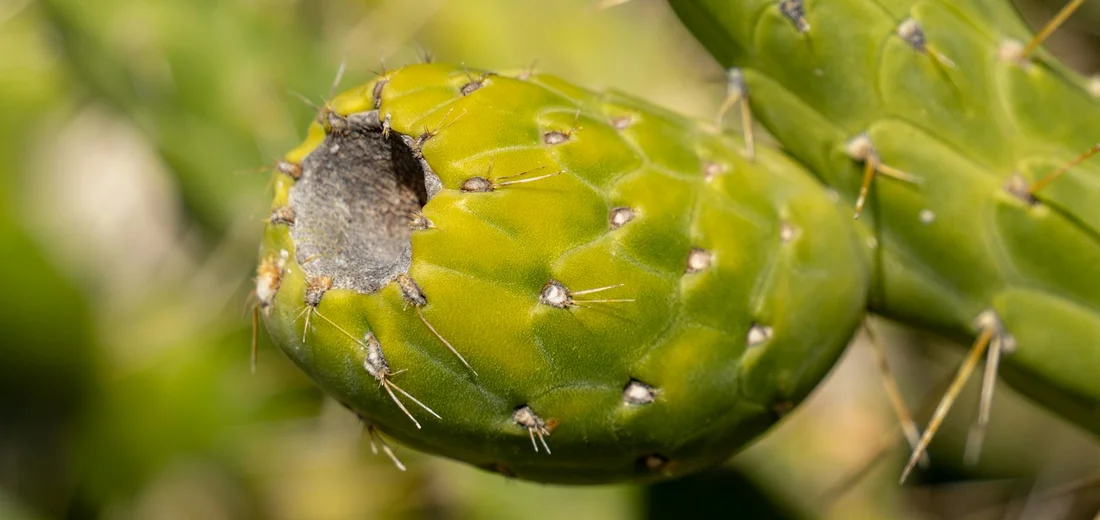
Getting the light right for a mixed collection is my biggest ongoing challenge. I’ve learned that even a few feet can mean the difference between a thriving plant and a struggling one. My sun-loving echeverias sulk in the spot where my pothos is perfectly happy.
The Twin Perils of Etiolation and Sunburn
Etiolation is when a plant stretches out, reaching for more light. The stems get long and weak, and the leaves grow farther apart. I’ve seen this in my own snake plants when I placed them in a dim corner for too long. Once a plant has etiolated, that stretched growth won’t revert, but you can behead it and propagate a more compact new plant.
Sunburn is the opposite problem. It shows up as bleached, crispy, or brown patches on the leaves. My mistake was moving a zebra haworthia from a north-facing window directly into a south-facing one. It got scorched within days. Acclimate plants to brighter light over a week or two by gradually increasing their exposure.
Arranging Your Collection for Optimal Light
I treat my windowsills like a theater, arranging my plants based on their light needs. Here is my simple system:
- Front Row (Direct Sun): For the sun-worshippers. This is where my cacti and most of my succulents live, right on the southern sill.
- Middle Row (Bright, Indirect Light): A foot or two back from the window. This is prime real estate for my prayer plants and peperomias.
- Back Row (Low Light): Further into the room or in north-facing windows. My ZZ plant and snake plant are perfectly content here.
A quick tip: Rotate your plants a quarter turn every time you water them. This prevents them from leaning dramatically toward the light source and promotes even growth.
Soil and Sustenance: The Foundation of Health
I used to think all bagged potting soil was the same. I was wrong. The right soil mix is the single most important factor for preventing root rot and keeping your plants fed. Think of soil as your plant’s home-it needs to be comfortable and have good plumbing.
Preventing Poor Drainage and Salt Buildup
Poor drainage is a silent killer. If water sits in the pot for days, the roots suffocate and rot. I always add extra drainage to my mixes. My go-to recipe is two parts standard potting soil, one part perlite, and one part coarse orchid bark. This chunky mix creates air pockets, allowing water to flow through quickly and roots to breathe.
Salt and mineral buildup from tap water and fertilizer appears as a white crust on the soil surface or pot rim. It can harm roots. I flush my pots every few months by taking them to the sink or shower and letting water run slowly through the soil for a minute or two. This washes the excess salts away.
Recognizing and Fixing Nutrient Deficiencies
Plants talk to us through their leaves. A nutrient deficiency often shows up as discoloration. If you’re wondering why my plant’s leaves are turning yellow, this guide on nutrient problems explains what to look for. Here’s what I look for:
- Pale Green or Yellow Leaves (Especially Older Ones): This often signals a nitrogen deficiency. The plant is cannibalizing its older leaves to support new growth.
- Purple Tints or Dark Veins on Light Leaves: This can be a sign that the plant needs more phosphorus, which is crucial for energy transfer and root development.
I use a balanced, water-soluble fertilizer diluted to half-strength during the active growing season (spring and summer). To support maximum growth, I time feeding with the plants’ peak growing period. For my succulents, I use a specific fertilizer formulated for cacti and succulents, as it has a different nutrient ratio. Always fertilize damp soil to avoid burning the roots.
The Domino Effect: Preventing the Spread of Problems
Quarantine and Cleanliness are Non-Negotiable
I learned this lesson the hard way after a beautiful new pothos I brought home gifted my entire collection with a nasty case of spider mites. Always quarantine new plants for at least two weeks, ideally in a separate room. This gives you time to spot any hitchhiking pests or signs of disease before they can jump ship. Quarantine is especially important for succulents, which can harbor pests or hidden diseases in tight leaf crevices. Use this time to inspect and treat new succulents to prevent disease spread to the rest of your collection.
During this time, I do a thorough inspection. I look under leaves, along stems, and even gently check the top of the soil. I also wipe down the leaves with a damp, soft cloth to remove any dust or potential pest eggs. Keeping your plant’s leaves clean isn’t just for looks; it helps them breathe and photosynthesize more efficiently. A simple wipe-down every few weeks for your whole collection makes a world of difference.
Managing Humidity and Airflow to Deter Fungal Issues
Fungal problems like powdery mildew love stagnant, humid air. Your mixed collection might have plants with different needs, so finding a balance is key. I group my humidity-loving plants, like ferns, together and use a small humidifier for them. For my succulents and cacti, they stay in a brighter, airier spot.
The single best thing you can do is promote good airflow. A small, oscillating fan set on low in your plant room works wonders to keep the air moving and prevent fungal spores from settling. Just make sure it’s not blowing directly onto your plants, as this can cause stress. I run mine for a few hours each day, and I’ve seen a dramatic drop in issues like mold on the soil surface.
Proactive Care: Repotting and Root Health
Knowing When a Plant is Pot-Bound
Roots need room to grow, and a cramped plant is an unhappy plant. Here are the clear signs I look for that scream, “It’s time for a new pot!”:
- Roots are visibly growing out of the drainage holes.
- When you gently lift the plant, the root ball holds the shape of the pot perfectly.
- The plant dries out incredibly fast, needing water every couple of days.
- New growth has stalled, even during the growing season.
- You see a dense web of roots circling the surface when you look at the soil.
A plant that is severely root-bound can’t take up water or nutrients effectively, no matter how much you feed it. It’s like trying to run a marathon with your shoes tied together.
A Stress-Free Guide to Repotting
Repotting doesn’t have to be scary! I’ve repotted hundreds of plants, and this simple method has never failed me. With the right tools—a sharp trowel, clean gloves, and the right-sized pot—your repotting will go smoothly and set the plant up for success.
- Water your plant a day or two before repotting. Hydrated roots are more flexible and less likely to snap.
- Gently squeeze the pot and tip the plant sideways, supporting the base of the stem as you ease it out.
- Inspect the root ball. Use your fingers to gently loosen any tightly circling roots. This encourages them to grow outward into the new soil.
- Place a layer of fresh, well-draining potting mix in the bottom of the new pot (only 1-2 inches larger in diameter).
- Set your plant in, making sure it’s sitting at the same soil level as before. Fill in around the sides with more soil, gently tamping it down to remove large air pockets.
After repotting, wait about a week before you water again. This gives any tiny root abrasions time to heal and prevents rot. Place the plant in a spot with bright, indirect light and let it settle into its new home. These recovery tips after repotting help your plant re-establish its roots after repotting.
FAQs

What are effective strategies for labeling and cataloging plant collections?
Use waterproof labels with plant names and care details, and maintain a digital log or app to track watering, fertilizing, and growth history.
How can you prevent the spread of diseases in plant collections?
Regularly inspect plants for unusual spots or wilting, and immediately isolate and treat any affected specimens with appropriate fungicides or removals.
What are best practices for repotting and pruning in plant collections?
Prune during active growth seasons to remove dead or leggy stems, and always use clean, sharp tools to make precise cuts that encourage healthy regrowth.
How should you manage climate and humidity for sensitive plant collections?
Employ hygrometers to monitor levels and use humidifiers or dehumidifiers as needed to maintain ideal conditions for each plant group without promoting mold. By dialing in the right humidity, you support healthy indoor plants. Balanced moisture levels reduce stress and help foliage stay vibrant.
How do you prevent cross-contamination between different plant species in plant collections?
Sterilize gardening tools and pots between uses on different plants, and wash hands thoroughly to avoid transferring pests or pathogens.
What record-keeping and documentation are recommended for plant collections?
Document planting dates, soil mixes, and any pest or disease incidents in a dedicated journal or spreadsheet to identify patterns and improve care over time.
You’ve Got This: A Quick Recap for Happy Plants
In my years of tending mixed collections, I’ve seen that most issues resolve when you tailor care to individual plant needs and observe regularly. Balancing light, water, and soil for diverse plants keeps the group healthy. Each species has its own rhythm, so care must balance needs rather than favor one plant.
- Match watering and light to each plant’s preferences.
- Inspect for pests and diseases during routine care.
- Rotate and space plants to prevent overcrowding.
Trust your instincts and enjoy the journey-your attentive care will transform your space into a lush, thriving oasis.
Further Reading & Sources
- Plant Collections – an overview | ScienceDirect Topics
- Plant collecting – Wikipedia
- Instructions for Plant Collecting | Museum | Museum of the North
- r/houseplants on Reddit: How do you maintain your collection once you officially have a LOT of plants?
Lena Greenfield is a passionate horticulturist and plant care expert with over 10 years of experience cultivating and nurturing hardy house plants. With a deep understanding of both indoor and outdoor gardening, Lena shares practical advice on choosing, caring for, and maintaining resilient plants that flourish year-round. Through her knowledge and hands-on approach, Lena helps plant lovers transform their spaces into vibrant, green sanctuaries, no matter their gardening experience.
Common Growth Issues