
Full Sun Succulents: Heat-Tolerant Varieties That Thrive
Published on: January 26, 2026 | Last Updated: January 26, 2026
Written By: Lena Greenfield
You want to grow beautiful succulents, but your sunniest spot feels more like a desert than a garden. I’ve been there, watching plants get scorched, and I’m here to tell you that the right varieties will not just survive, they will absolutely flourish.
In this guide, I’ll share the sun-loving champions from my own collection, including top variety picks, smart placement tips, and essential care advice to keep them happy and healthy all season long.
Understanding Heat-Tolerant Succulents
Heat-tolerant succulents are plants that naturally thrive in hot, sunny environments like deserts and arid regions. I’ve grown many of these in my own sunny windowsills and patios, and their ability to handle intense heat comes from evolutionary tricks developed over centuries.
These plants often hail from places with limited rainfall, so they’ve adapted to store water in their leaves, stems, or roots. For instance, I’ve noticed that genera like agave, aloe, and opuntia excel in full sun because their structures minimize water loss while maximizing sun absorption.
- Agave: With its robust, sword-like leaves, it conserves moisture efficiently, making it a star in hot climates.
- Aloe: Originating from African arid zones, its gel-filled leaves act as a natural coolant and hydrator.
- Opuntia: Commonly known as prickly pear, it has flattened pads that reduce surface area exposed to sun, helping it survive scorching temperatures.
In general, if you live in a dry or sunny region, these succulents can mimic their native habitats with minimal effort. Succulents originate in arid and semi-arid regions around the world, from deserts in Africa to dry areas in North America and Asia. Understanding their native climates helps explain why they tolerate sun and drought so well. I always remind fellow plant lovers that choosing the right succulent for your climate can turn a challenging spot into a lush, low-maintenance oasis.
Key Characteristics of Sun-Loving Succulents
Sun-loving succulents share several traits that make them perfect for bright, hot conditions. From my experience, these characteristics not only help them survive but flourish with little intervention. With proper care, they are some of the most resilient plants.
- Thick, fleshy leaves or stems that store water for long dry spells.
- Sun resilience: They often have a waxy coating or light color to reflect excess sunlight and prevent burning.
- Drought-tolerant nature: They require infrequent watering, and I’ve found that letting the soil dry out completely between waterings keeps them happy.
- Well-draining soil needs: A mix with sand, perlite, or gravel ensures roots don’t sit in moisture, which I’ve seen prevent root rot in my own collection.
- Slow growth rates: This helps them conserve energy and resources in harsh conditions.
- Shallow root systems: They quickly absorb surface moisture from brief rains or dew.
Quick tip: Always use a pot with drainage holes and a gritty soil mix to mimic their natural environment and avoid overwatering.
Top Varieties of Full-Sun Succulents
Here are some of the best heat-tolerant succulents I’ve personally cultivated that love basking in full sun. Each has unique qualities that make them suitable for different settings, whether in pots indoors or as part of an outdoor garden. Even heat-tolerant succulents have preferred temperature ranges, typically around 60–85°F (15–29°C). Knowing these ranges helps you select varieties for your climate and keep them thriving in sun.
- Agave: Ideal for outdoor xeriscaping due to its large size and architectural appeal.
- Aloe: Perfect for pots with its compact growth and handy medicinal properties.
- Opuntia: Great for gardens but handle with care because of spines; it’s very resilient.
- Echeveria: Best in containers where you can control sun exposure to prevent leaf scorch.
- Sedum: Excellent as ground cover in sunny areas, requiring minimal upkeep.
- Crassula: Versatile for both indoor and outdoor use, and very forgiving for beginners.
Agave
Agave plants are incredibly durable and can handle full sun exposure without issue. I’ve used them in xeriscape designs to create striking focal points that need almost no water once established.
- Description: Large rosettes with thick, spiky leaves that range from blue-green to variegated shades.
- Care tips: Water deeply but infrequently, and avoid wetting the crown to prevent rot.
- Ideal conditions: Full sun, well-draining soil, and plenty of space to grow; they’re suited for outdoor gardens rather than small pots.
In my garden, agave has thrived for years with just occasional rainfall, proving how low-maintenance they are in hot climates.
Aloe
Aloe varieties are not only heat-tolerant but also offer soothing gel for skin care. I keep a pot of aloe vera on my sunny kitchen windowsill for easy access to its healing properties.
- Description: Spiky, fleshy leaves that contain a cooling gel, often with speckled or striped patterns.
- Care tips: Water when the soil is dry to the touch, and repot every few years to refresh the soil.
- Ideal conditions: Bright, indirect to full sun; they do well in pots indoors or outdoors in warm regions.
Quick tip: If leaves start to brown, move them to a spot with slight afternoon shade to prevent sunburn while still enjoying plenty of light.
Opuntia (Prickly Pear Cactus)
Opuntia is one of the toughest succulents for full sun, with paddle-like pads that store water efficiently. I’ve grown these in rocky soil outdoors, and they’ve withstood heatwaves with ease.
- Description: Flat, segmented pads covered in spines or glochids (tiny hairs); some produce edible fruit.
- Care tips: Use tongs or gloves when handling to avoid spines, and plant in sandy, fast-draining soil.
- Ideal conditions: Full sun, minimal watering; great for outdoor gardens or large containers.
From experience, opuntia rarely needs fertilizing and can even tolerate poor soil, making it a go-to for challenging spots.
Echeveria
Echeverias are known for their beautiful rosette shapes and come in many colors that intensify with sun exposure. I love how they add a pop of color to sunny patios, but I’ve learned to watch for signs of too much direct light.
- Description: Tight rosettes of fleshy leaves in hues like pink, blue, or green; they often flower on tall stalks.
- Care tips: Provide morning sun and afternoon shade in extremely hot areas to prevent leaf scorch.
- Ideal conditions: Bright light, well-draining soil; perfect for pots where you can move them as needed.
If you notice the leaves getting crispy, simply shift them to a slightly shadier spot-they bounce back quickly with adjusted care.
Sedum
Sedums are fantastic for covering sunny ground areas and are very drought-tolerant. I’ve used them in rock gardens where they spread easily and require almost no attention.
- Description: Low-growing with small, plump leaves; some varieties have trailing habits ideal for borders.
- Care tips: Water sparingly and trim back if they get too leggy to encourage bushier growth.
- Ideal conditions: Full sun, poor to average soil; excellent for outdoor gardens or as container spillers.
These are so easy that I often recommend them to beginners looking for a fail-proof sun-loving plant.
Crassula (Jade Plant)
Crassula, or jade plants, are highly adaptable and can handle full sun once acclimated. I’ve had a jade plant for over a decade that thrives both indoors by a sunny window and outdoors in summer.
- Description: Thick, glossy leaves on woody stems; they can develop a tree-like appearance over time.
- Care tips: Water only when the soil is completely dry, and avoid overwatering to prevent root issues.
- Ideal conditions: Bright light, well-draining soil; suitable for pots indoors or sheltered outdoor areas.
With minimal care, crassulas can live for years, symbolizing resilience and adding greenery to any sunny space.
Essential Care for Sun-Exposed Succulents
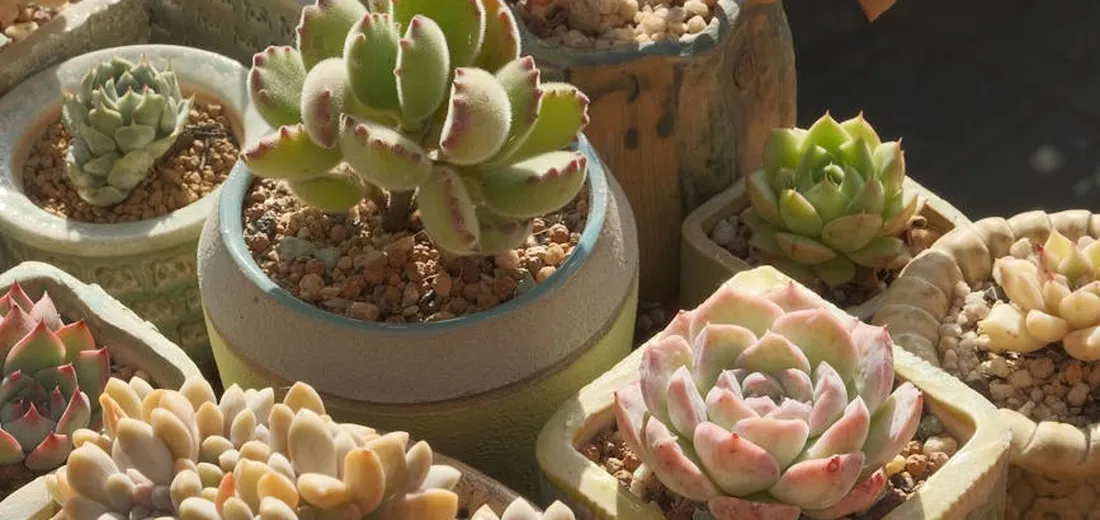
Taking care of a sun-loving succulent is a bit different from caring for a typical houseplant. I’ve learned that these plants thrive on a simple routine of bright light, the right soil, and a careful watering hand.
Light Requirements
Full sun means at least six hours of direct sunlight daily. In my experience, a south-facing window or a spot on a sunny patio is perfect.
- Start by observing the light in your chosen spot for a full day. Does it get consistent morning sun or intense afternoon rays?
- Morning sun is gentler and is a fantastic starting point for most succulents.
- Avoid placing plants directly against hot glass in a window, as this can magnify the heat and cause scorching.
- If you notice the stems stretching out or the colors looking washed out, your plant is begging for more light.
Quick tip: Rotate your pots a quarter-turn every week to ensure all sides get even sun exposure and grow straight.
Soil and Potting Mix
The single most important thing for a happy, sun-baked succulent is soil that doesn’t hold onto water. I can’t stress enough how a well-draining mix is your best defense against root rot, especially when the plant is working hard in the heat.
I always make my own mix, but you can also buy a pre-made cactus and succulent blend. Here is what I use for my sun-lovers:
- Potting soil (a basic, all-purpose kind works fine)
- Coarse sand or poultry grit
- Perlite or pumice
Aim for a mix that is about half potting soil and half gritty materials. When you water it, the water should run straight through the pot and out the drainage hole, not pool on the surface.
Watering in Heat
It seems logical to water more when it’s hot, but with succulents, you have to be smart about it. They are built to handle dry spells.
- Check if the soil is completely dry. I stick my finger an inch or two into the pot.
- Look for signs of thirst on the plant itself. The leaves may feel softer, look slightly wrinkled, or be less plump.
- When it’s time, give your succulent a deep, thorough watering. Soak the soil until water flows freely from the drainage hole.
- Then, let it be. Allow the soil to dry out completely before you even think about watering again.
Watering in the early morning is best, as it gives any accidental water on the leaves time to evaporate before the hot sun can magnify it and cause burns.
Temperature and Humidity Management
Most of these tough succulents prefer the dry heat of a desert over a humid jungle. Managing their environment is key to preventing heat stress during a scorching heatwave.
- Good air circulation is a must. A gentle breeze from a fan or an open window helps prevent pests and fungal issues.
- If a heatwave is forecast, consider moving potted plants to a spot with bright but indirect light for a few days.
- For succulents in the ground, a temporary shade cloth during the hottest part of the day can be a lifesaver.
- Most importantly, avoid misting your succulents. They don’t need the extra humidity and wet leaves can lead to sunburn.
Acclimating Succulents to Full Sun
Moving a plant from a store shelf or a shaded corner straight into blazing sun is a recipe for disaster. I learned this the hard way with a beautiful Echeveria that got a nasty sunburn before I understood the importance of a slow introduction.
Step-by-Step Acclimation Process
Think of this like building up a tolerance. You wouldn’t run a marathon without training first!
- Start your plant in a location that gets only 1-2 hours of gentle morning sun.
- After 3-4 days, if the plant looks happy, move it to a spot that gets about 3-4 hours of morning sun.
- Each week, gradually increase its sun exposure by an hour or two, slowly introducing it to the stronger afternoon sun.
- The entire process should take about 3 to 4 weeks before your succulent can handle a full day of direct sun.
Patience is your best tool here; a rushed acclimation will set your plant back far more than a slow and steady one.
Identifying and Treating Sunburn
Even with the best care, sometimes a leaf gets scorched. Here’s what to look for and what to do.
Signs of sunburn include:
- Yellow or white patches on the leaves, usually on the side facing the sun.
- Brown, crispy, or sunken spots that feel dry to the touch.
- In severe cases, the entire leaf may turn brown and wither.
If you see sunburn, don’t panic. The damaged parts of the leaf will not recover, but the plant itself is usually fine.
- Immediately move the plant to a shadier location to prevent further damage.
- Do not pull off the sunburned leaves. Let the plant reabsorb them naturally.
- Resume the acclimation process from an earlier, shadier step once the plant has stabilized.
- Ensure you are watering correctly, as a thirsty plant is more susceptible to sun damage.
Watering and Soil Strategies for Hot Weather
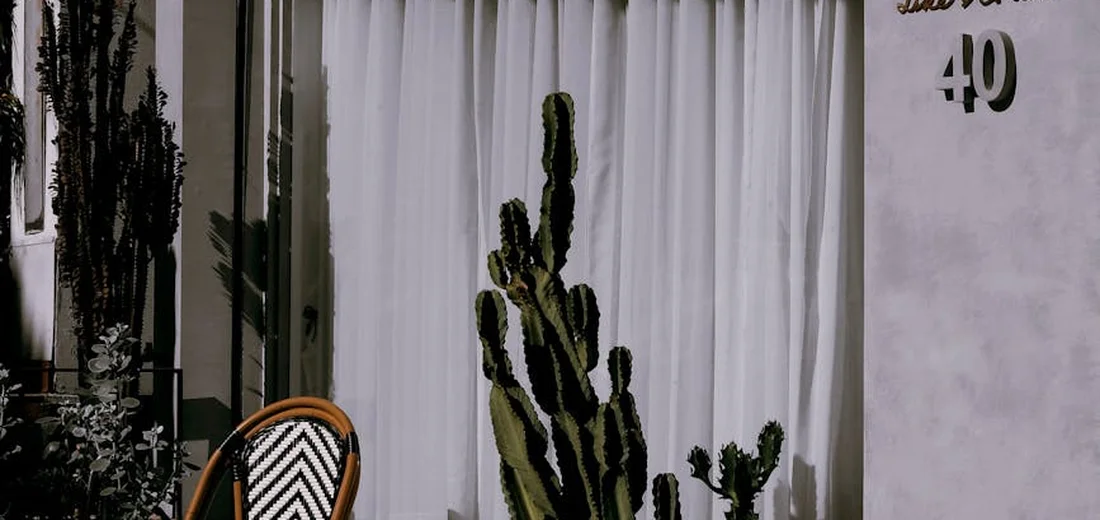
When the sun beats down, your succulents need a smart game plan to stay happy and hydrated. I’ve learned through trial and error that a little tweak in soil and watering can make all the difference in preventing heat stress. Understanding temperature and humidity needs helps keep succulents healthy. When you balance these with soil and watering, you’ll prevent heat stress and promote thriving plants. Let’s dive into how you can set up your plants for success.
Optimizing Soil for Drainage
In hot climates, soggy soil is a succulent’s worst enemy because it leads to root rot. Over the years, I’ve found that mixing your own soil ensures it drains quickly, which is crucial for full-sun conditions. You don’t need fancy products-many household items work great. Here are my go-to amendments:
- Coarse sand: Adds grit and improves aeration.
- Gravel or small pebbles: Creates air pockets for roots to breathe.
- Perlite: Lightweight and helps water flow through easily.
- Crushed eggshells: A free option that adds drainage and a bit of calcium.
- Pumice: Holds some moisture but prevents compaction.
I often use a mix of two parts potting soil to one part sand and perlite for my outdoor succulents. This simple blend has saved many of my plants from overheating during scorching summers. If you enjoy DIY, you can tailor your own succulent potting mix with simple recipes. Here are a few easy succulent potting mix recipes you can try at home.
Smart Watering Practices
Watering in heat isn’t about quantity; it’s about timing and technique. I always water early in the morning so the soil absorbs moisture before the sun evaporates it, reducing the risk of leaf burn. For drought-tolerant plants like succulents, follow these dos and don’ts to keep them thriving:
- Do water deeply but infrequently, allowing the soil to dry out completely between sessions.
- Don’t water in the evening, as damp leaves overnight can invite fungal issues.
- Do check soil moisture with your finger-if it’s dry an inch down, it’s time to water.
- Don’t use a spray bottle; a thorough soak encourages strong root growth.
Quick tip: If you’re forgetful, set a weekly reminder to check your plants—consistency is key in hot weather. I’ve seen succulents perk up within hours after a well-timed drink. For a complete guide on how often you should water succulents, check out our watering guide. It explains how soil, pot size, and climate influence frequency so you can tailor care to your plants.
Indoor vs. Outdoor Placement for Sun Succulents
Choosing where to place your sun-loving succulents can affect their health and growth. Based on my experience, indoor and outdoor settings each have unique benefits, so pick what fits your space and lifestyle. Let’s compare the options to help you decide. Also, think about where to keep or store succulent plants—choose a location that’s easy to access and meets light and airflow needs. This planning will keep care simple and consistent.
Succulents for Pots and Containers
Pots give you control over soil and light, making them ideal for beginners. I love growing compact varieties like haworthia and lithops indoors because they handle bright, indirect light well and don’t outgrow their space quickly. Here’s how to set them up for success:
- Pot selection: Choose terracotta or clay pots with drainage holes-they breathe better and prevent waterlogging.
- Indoor light tips: Place near a south-facing window for maximum sun exposure; rotate pots weekly for even growth.
- Soil mix: Use a lightweight, fast-draining blend to mimic their natural habitat.
- Watering: Water sparingly, as indoor air can be drier; I check every 10-14 days in summer.
In my home, a haworthia on a sunny windowsill has thrived for years with minimal fuss, proving that pots can be a low-maintenance choice.
Succulents for Outdoor Gardens
If you have a sunny garden spot, hardy succulents can transform it into a drought-resistant oasis. I’ve used yucca and sempervivum in my outdoor beds because they withstand intense heat and require little upkeep once established. Consider these ideas for landscaping in full-sun areas:
- Rock gardens: Group succulents with stones to retain heat and improve drainage.
- Borders: Plant along pathways or edges for a structured, colorful display.
- Ground cover: Use low-growing varieties to reduce soil erosion and suppress weeds.
- Container clusters: Mix different types in large pots for a portable garden effect.
Quick tip: Mulch with gravel around outdoor succulents to keep roots cool and reduce water loss-it’s a trick I swear by in hot climates. My sempervivum patch has survived multiple heatwaves with this approach.
FAQs
What are heat tolerant succulents?
Heat-tolerant succulents are drought-resistant plants that store water in their leaves and stems and thrive in full sun and high temperatures.
What are heat tolerant succulents in California?
In California, ideal heat-tolerant succulents include agave and opuntia, which are well-suited to the state’s sunny and arid conditions.
What heat tolerant succulents for pots?
For pots, select compact varieties like echeveria and crassula that handle container growth and full sun exposure effectively.
What heat tolerant succulents outdoors?
Outdoor heat-tolerant succulents such as sedum and yucca are excellent for garden beds and can endure intense sunlight with minimal care. These are among the best outdoor succulents for your garden landscape, offering structure and color with minimal fuss. Use them to anchor borders, rock gardens, or drought-tolerant features.
What are heat tolerant succulent plants in Australia?
In Australia, heat-tolerant succulent plants like aloe and sedum perform well in the hot, dry climates common in many regions.
What heat tolerant succulent plants for pots?
Heat-tolerant succulent plants for pots include haworthia and lithops, which are small and adapt easily to indoor or patio settings with bright light.
Your Heat-Tolerant Succulent Success Awaits
From my years of nurturing succulents in blazing sun, the best approach is to choose hardy varieties and master a simple, consistent care routine. I’ve seen even novice gardeners achieve stunning results by focusing on these core elements. Keep this quick checklist in mind: An outdoor succulent care guide can help you master growing succulents in your garden. With these basics, you’ll keep them thriving in sunny spaces.
- Select proven sun-lovers like Echeveria, Sedum, or Aloe for reliable performance.
- Use fast-draining soil and water only when completely dry to avoid rot.
- Place pots where they get at least 6 hours of direct light daily for vibrant colors.
You’ve got this-I started with just a few pots and now enjoy a thriving collection that handles heat with ease. Stick with these tips, and your sun-drenched succulents will reward you with robust growth and minimal fuss. For more hands-on guidance and plant stories, explore other articles on our website to continue your green journey confidently.
Further Reading & Sources
- Heat Tolerant Succulents | Mountain Crest Gardens®
- Terribly hot summers? These succulents can handle it | Succulents and Sunshine
- Best Full Sun Succulents | Mountain Crest Gardens®
- Best Full Sun Succulents & Cacti | Planet Desert
Lena Greenfield is a passionate horticulturist and plant care expert with over 10 years of experience cultivating and nurturing hardy house plants. With a deep understanding of both indoor and outdoor gardening, Lena shares practical advice on choosing, caring for, and maintaining resilient plants that flourish year-round. Through her knowledge and hands-on approach, Lena helps plant lovers transform their spaces into vibrant, green sanctuaries, no matter their gardening experience.
Light and Temperature