
Summer Succulent Care: Simple Tips to Beat the Heat
Published on: April 9, 2026 | Last Updated: April 9, 2026
Written By: Lena Greenfield
Summer heat can stress your succulents, making them prone to sunburn and dehydration. If you’re worried about keeping them healthy and vibrant, I’m here to help based on my years of growing succulents in hot climates.
From my own garden trials, I’ll guide you through key areas like watering routines, sunlight protection, soil choices, and pest management to ensure your plants thrive all season long.
Mastering Summer Watering for Succulents
Summer heat turns your succulents into thirsty little camels, but they still crave those dry spells between drinks. I’ve found that increasing water frequency is necessary, but the soak-and-dry method remains the golden rule.
Always check the soil before you reach for the watering can. I rely on two simple methods.
- Finger Test: Push your finger two inches into the soil. If it feels completely dry, it’s time to water.
- Pot Weight: Lift the pot. A light pot means the soil is dry, while a heavy one indicates there’s still moisture inside.
My typical summer schedule involves a deep watering every 7-10 days, but this can change with extreme heat.
- Take your succulent to a sink or outdoor area.
- Water slowly at the base until you see it freely running out the drainage hole.
- Let the pot drain completely before returning it to its saucer or decorative pot.
Your succulent will tell you when it needs a drink. Watch for these clear signs of thirst.
- Wrinkled or puckered leaves, especially on the bottom of the plant.
- Leaves that feel soft and flexible rather than firm and plump.
Humid heat is a hidden danger. Overwatering in muggy conditions is the fastest way to cause root rot, a problem I’ve rescued many plants from. The soil stays wet longer, suffocating the roots.
Optimizing Sun Exposure and Shade
Finding the perfect light balance is your key to a stress-free summer. Succulents love light, but the intense afternoon sun can be too much of a good thing. So, how much light do different succulents really need? We’ll break down the needs by common varieties and show how to tailor light for each.
I always aim for a spot that gets generous morning sun and protective afternoon shade. The gentle morning rays provide the energy they need without the harsh, scorching intensity of midday.
When the forecast calls for a heatwave, I use a few simple methods to shield my plants.
- Shade Cloth: A 30-50% shade cloth draped over a patio or plant stand works wonders.
- Strategic Moving: I simply pick up my potted succulents and move them to a shadier spot for the hottest part of the day.
- Using Larger Plants: Placing smaller succulents in the dappled shadow of a larger shrub or tree provides natural protection.
Keep a close eye on your plants for these warning signs of too much sun.
- Discoloration, where vibrant greens fade to pale yellow or bleached white.
- Scorched spots that look like brown or black crispy patches on the leaves.
If you need to move a plant to a brighter location, do it slowly over one to two weeks. Gradual acclimation prevents sunburn and gives your succulent time to build a tolerance. I start by giving my jade plant just an hour of extra morning sun, increasing the time by about 30 minutes every other day.
Creating the Ideal Summer Soil Mix
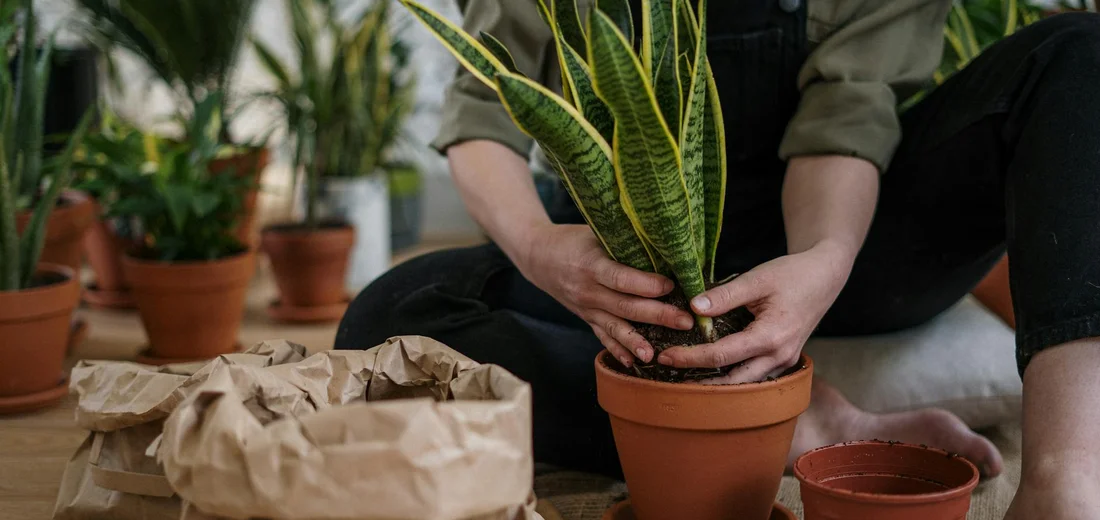
In my years of growing succulents, I’ve seen how a fast-draining potting mix can make or break their summer health. It’s like giving them a comfy, breathable bed that stops roots from drowning in soggy soil.
- Coarse sand adds grit and improves drainage.
- Perlite lightens the mix and prevents compaction.
- Potting soil provides a base but should be minimal to avoid holding too much water.
This blend lets water run through quickly, which is key for preventing waterlogging. Succulents naturally handle dry spells, and the right soil helps them tap into that drought tolerance without stress.
If your succulent’s current soil feels heavy or stays wet, repot it with a fresh mix for a summer refresh. I gently remove old soil, trim any mushy roots, and place it in a slightly larger pot with drainage holes. Repotting succulents can be delicate, so follow these step-by-step instructions to do it right.
A thin layer of mulch, like small pebbles, can hold just enough moisture to cool roots on scorching days. Keep it light to avoid trapping excess water-succulents prefer a dry environment overall.
Fertilizing Succulents in Summer
Summer is when many succulents are actively growing, so a light fertilizer boost can work wonders. I stick to a diluted, balanced fertilizer, such as a 10-10-10 formula, to avoid overwhelming them. Knowing when and how to fertilize your succulents ensures they thrive during their growth period.
- Apply fertilizer every 4 to 6 weeks during peak summer months.
- Always water the soil first to prevent root burn, and avoid splashing leaves.
- Use half the recommended strength to keep it gentle on your plants.
Over-fertilization shows up as yellowing leaves or brown tips, a sign I’ve learned to watch for over time. If this happens, leach the soil by running water through it for a few minutes to flush out excess salts.
From my experience, less is more with succulents-they thrive on minimal feeding. A light touch keeps them green and growing without the risk of damage.
Shielding Succulents from Extreme Heat
Even sun-loving succulents have their limits, and a brutal heatwave can push them past the point of comfort. I’ve learned that proactive protection is far better than trying to nurse a stressed plant back to health.
Simple Strategies for Heat Protection
You don’t need a greenhouse to give your plants a break from the scorching sun.
- Group Plants Together: I often cluster my potted succulents. They create their own slightly more humid microclimate, which helps slow down moisture loss from their leaves and the soil.
- Use a Small Fan: On especially still, hot days, I’ll run a small oscillating fan near my plant shelf. It doesn’t cool the air much, but the movement prevents hot, stagnant air from settling around the plants, which can lead to rot and stress.
- Employ Shade Cloth: A 30-50% shade cloth is a fantastic investment for a patio or balcony garden. It filters the intense midday sun, preventing leaf scorch.
Recognizing the Cry for Help: Signs of Heat Stress
Your succulents will tell you when they’re too hot; you just have to know how to listen.
- Wilting or Drooping: Leaves that normally look plump and firm become soft, wrinkled, and may droop downward.
- Color Changes: Many succulents get beautiful “sun stress” colors, but a sudden, overall pale or bleached appearance, especially with brown, crispy patches, is sunburn.
- Leaf Drop: The plant may start shedding its lower leaves at an accelerated rate as a survival tactic.
Boosting Air Circulation in 3 Steps
Good airflow is a non-negotiable for healthy succulents in summer.
- Ensure there’s at least a few inches of space between your pots so air can move freely around each one.
- If indoors, open a window for a cross-breeze or use a small fan on a low setting for a few hours a day.
- For outdoor plants, trim back any nearby dense foliage that might be blocking the wind.
Increased airflow helps cool the plants and is your first line of defense against fungal issues that thrive in hot, humid, and still conditions.
When to Relocate Your Plants
If you see signs of severe sunburn or if temperatures are forecast to be consistently above 95°F (35°C), it’s time to move them. I shift my most sensitive succulents to a spot with bright, indirect light, like a covered porch or a shelf set further back from a sunny window. In general, succulents thrive best within an optimal temperature range for succulents—about 70–85°F (21–29°C) by day with cooler nights. Keeping them within this range helps prevent issues from heat stress.
The Surprising Role of Your Pot
The container you choose plays a huge role in root temperature. Dark-colored plastic and metal pots absorb heat and can literally bake the roots inside. I always opt for light-colored terracotta or ceramic pots for my outdoor succulents, as these materials breathe and stay much cooler.
Transitioning Succulents Between Indoor and Outdoor Spaces
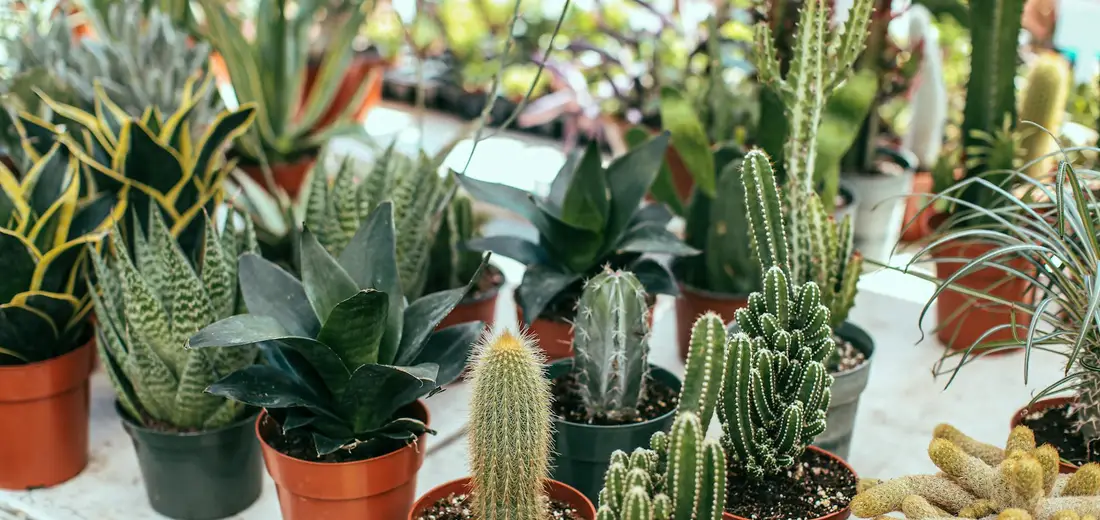
Giving your indoor succulents a summer vacation outdoors can supercharge their growth, but the move must be handled with care to avoid shocking them. To optimize growth, time the move for after the last frost when daytime temperatures are consistently warm, and ease them into outdoor light and conditions gradually to prevent shock.
Weighing the Pros and Cons
Moving plants outside exposes them to more intense light and better air circulation, which often results in tighter, more colorful growth. The biggest risk is sunburn; an indoor-grown plant is simply not prepared for the power of full, direct sun. You also need to be more vigilant about pests and sudden summer downpours that can waterlog them.
Your Blueprint for Gradual Acclimation
Never move a succulent from a dim windowsill directly to a sunny patio. This process should take 1-2 weeks.
- Week 1, Morning Sun Only: Place your plants in a spot that gets gentle morning sun for 1-2 hours, then is in shade for the rest of the day.
- Week 2, Increase Exposure: Gradually increase their time in the morning sun by an hour every few days.
- Final Placement: After they’ve adjusted to 4+ hours of direct morning sun, you can consider moving them to a spot that gets some afternoon sun, if desired. Always observe for signs of stress.
Key Factors to Monitor Closely
During this transition period, keep a close eye on two things:
- Light Changes: Watch the leaves for bleaching or browning. If you see it, pull them back to a shadier spot immediately.
- Temperature Swings: Be mindful of cool nights following hot days. Some tender succulents might need to be brought inside if nighttime temps dip too low.
I check my transitioning plants every single day for the first week-it’s the best way to catch a problem before it becomes a disaster.
Making the “Indoors vs. Outdoors” Decision
Whether you keep a succulent indoors year-round depends entirely on your local climate. If you live in a region with very high summer humidity or frequent, heavy rain, it’s often easier and safer to keep them in a bright, sunny window indoors. I keep my rare and fussy varieties inside where I can perfectly control their environment, while my hardy Sempervivums and Sedums thrive outside all summer long.
Recognizing and Addressing Summer Stress Signs
Summer heat can push even the toughest succulents to their limits. I’ve learned that catching stress early is the single most important skill for keeping your collection thriving through a heatwave. You need to become a plant detective, looking for the subtle clues your succulents give you.
Common Summer Succulent Problems
Three main villains pop up when the mercury rises. I see them every year in my own greenhouse.
- Overwatering: This is the biggest killer. Our instinct is to water more in the heat, but that can drown their roots.
- Sunburn: Just like us, succulents can get a nasty burn from too much intense, direct sun.
- Pests: Mealybugs and spider mites love warm, dry conditions. They see your stressed plants as a vacation buffet.
Visual Cues for Each Problem
Your plants are talking to you. Here’s how to understand what they’re saying.
Overwatering Looks Like This:
- Leaves feel soft, mushy, and translucent, almost like a water balloon.
- The plant’s base or stem may turn black or dark brown.
- Leaves fall off at the slightest touch.
A quick tip: If the soil is still wet and the leaves are squishy, stop watering immediately and let the pot dry out completely.
Sunburn Looks Like This:
- Brown, crispy, or white scorched marks on the tops of leaves.
- Discoloration is permanent and won’t fade back to green.
- The burned areas feel dry and papery to the touch.
Pest Infestations Look Like This:
- Mealybugs: Tiny, white, cotton-like fluffs tucked in leaf crevices.
- Spider Mites: Fine, wispy webbing between leaves and a dusty, dull look on the plant.
Steps for Pruning Damaged Leaves
Don’t be afraid to give your plant a haircut. Removing damaged parts helps it focus energy on healthy new growth.
- Use a clean, sharp pair of scissors or pruning shears. I wipe mine with rubbing alcohol first.
- Gently hold the damaged leaf and snip it off at the base where it meets the stem.
- If a leaf is only partially damaged, you can sometimes just trim off the brown tip.
- For sunburn, remove the entire affected leaf so the plant doesn’t waste resources on it.
Always clean your tools after pruning to prevent spreading any potential disease to other plants.
When and How to Adjust Care Routines Promptly
The moment you spot a problem, it’s time to act. Delaying care adjustments for even a few days can be the difference between a full recovery and losing the plant.
- For Overwatering: Move the plant to a shadier, cooler spot immediately. Do not water again until the soil is bone-dry deep into the pot. In severe cases, you may need to unpot it, remove any rotted roots, and repot in fresh, dry soil.
- For Sunburn: Relocate the plant to a place with bright, but indirect, light. A spot with morning sun and afternoon shade is perfect. The burned leaves won’t heal, but the plant will stop new damage and grow new, healthy leaves.
- For Pests: Isolate the sick plant from your others. For mealybugs, I dip a cotton swab in rubbing alcohol and dab each bug. For spider mites, a strong spray of water or an insecticidal soap works wonders. Repeat treatments every few days until they’re gone.
My best advice is to adopt an “observe and adapt” mindset. Check on your succulents every few days during a heatwave. A simple shift in location or a pause in watering can solve most summer stress issues before they become catastrophic. Learn to recognize seasonal stress signs in your succulents. Respond quickly to keep them thriving.
FAQs
What is summer succulent care?
Summer succulent care focuses on adjusting routines like watering, light exposure, and soil to help plants handle heat and prevent stress.
How often should I water succulents in summer?
Water succulents deeply every 7-10 days in summer, but always check that the soil is completely dry first.
What light conditions do summer succulents need?
Summer succulents need bright morning sunlight with protection from intense afternoon rays to avoid damage.
How can I prevent sunburn on succulents during summer?
Prevent sunburn by gradually introducing succulents to stronger light and providing shade during the hottest parts of the day. If sunburn occurs, move the plant to bright indirect light and reintroduce sun gradually to prevent recurrence.
Should I fertilize succulents in summer and if so how often?
Yes, fertilize succulents with a diluted, balanced formula every 4-6 weeks during the summer growing season.
Can I move succulents outdoors in summer or should I keep them indoors?
You can move succulents outdoors in summer, but transition them slowly over 1-2 weeks to prevent shock from sun exposure. This same careful pacing helps when transitioning succulents between seasons without shock. When changing from season to season, ease light and temperature gradually to support steady growth.
Your Summer Succulent Success
In my years of growing succulents, I’ve learned that summer care boils down to balancing water, light, and airflow to prevent stress. Remember these core tips: Think of this as a seasonal care guide that adjusts watering, light, and protection as the year changes. With it, you tailor care through every season.
- Water deeply but only when the soil is bone-dry.
- Provide bright, indirect light to avoid sunburn.
- Ensure pots have excellent drainage for healthy roots.
You’re all set to nurture your succulents with confidence-trust your instincts, and enjoy watching them thrive in the warmth!
Further Reading & Sources
- Complete guide to succulent care | Patch
- How to Care for Succulents in The Summer – Succulents Box
- Summer Succulent Care – Master Gardener Association of San Diego County
- Growing Succulents Indoors | Yard and Garden
Lena Greenfield is a passionate horticulturist and plant care expert with over 10 years of experience cultivating and nurturing hardy house plants. With a deep understanding of both indoor and outdoor gardening, Lena shares practical advice on choosing, caring for, and maintaining resilient plants that flourish year-round. Through her knowledge and hands-on approach, Lena helps plant lovers transform their spaces into vibrant, green sanctuaries, no matter their gardening experience.
Light and Temperature