
How to Change and Maintain Vibrant Succulent Colors
Published on: April 13, 2026 | Last Updated: April 13, 2026
Written By: Lena Greenfield
Are your succulents looking a bit dull and green when you hoped for fiery reds or deep purples? I’ve felt that disappointment too, but after years of nurturing these plants, I can assure you that vibrant colors are within reach with a few mindful adjustments.
In this guide, I’ll walk you through my tried-and-true methods, covering light exposure, watering habits, soil composition, temperature influences, and common pitfalls to avoid.
The Colorful Science Behind Your Succulents
Those stunning reds, purples, and oranges aren’t just for show; they’re your plant’s built-in sunscreen. I’ve learned that succulents produce pigments like anthocyanins (reds/purples) and carotenoids (oranges/yellows) as a protective response to environmental stress. When a succulent feels perfectly comfortable, it often stays a simple green to maximize photosynthesis.
Think of it like a person getting a tan at the beach. You’re essentially encouraging a beautiful, healthy stress response that brings out those hidden rainbows. It’s not about hurting the plant but finding that sweet spot where it feels just challenged enough to show off.
In my own collection, I watched a green Echeveria ‘Perle von Nurnberg’ transform into a lavender dream. The key was a combination of factors, with sunlight being the most powerful trigger by far. Temperature and water play supporting roles, but light is the director of this colorful play.
Sunlight: Your Number One Tool for Vibrant Hues
If you only change one thing to boost color, make it light. Bright, direct light is the single most effective way to tell your succulent it’s time to put on a show. I always see the most dramatic changes in plants that get several hours of morning sun, which is strong but less harsh than the afternoon blaze. Not all succulents need the same amount of light, though—some prefer a bit more shade or indirect sun. In the next section, we’ll look at how much light different succulents really need to thrive.
-
Step 1: Assess your plant’s current light situation.
Look at where your plant lives now. Is it in a north-facing window or a spot with only indirect light? A happy, but green, succulent is your starting point. This initial assessment prevents you from shocking your plant with a sudden, drastic change. -
Step 2: Gradually increase light exposure over 1-2 weeks.
Do not move it from a dim shelf to a full-sun patio in one day. I move my plants to a slightly brighter spot every 2-3 days. A slow introduction allows the plant to build up its protective pigments without getting sunburned. You might start by moving it from a table to a windowsill. -
Step 3: Monitor for signs of too much light (bleaching, scorch marks).
Keep a close eye on the leaves, especially the tops that face the sun. If you see pale, bleached patches or crispy brown edges, that’s your succulent crying “Uncle!” and it needs a slight step back from the intensity. Treating and preventing sunburn on succulents. A little red tinge is good; actual brown scarring is not. -
Step 4: Find the perfect, sustained bright light spot.
Once your plant is acclimated and showing richer color without damage, you’ve found its happy place. This spot should provide consistent, bright light for most of the day to maintain those vibrant hues. An east-facing patio or a south-facing window (with a sheer curtain in summer) often works perfectly.
Quick tip: Rotate your succulents a quarter-turn each time you water them. This ensures all sides get even light exposure, preventing lopsided growth and encouraging uniform color. If your succulents look leggy, it’s usually because they’re not getting enough light—move them to a brighter spot or add a grow light. Regular rotation helps, but the real fix is providing adequate light for compact growth.
Watering for Color: The Delicate Balance of Drought Stress

I learned the hard way that loving a succulent to death with water results in a very green, very stretched-out plant. To see those fiery reds and deep purples, you need to put your plant on a careful watering schedule that mimics its natural, dry habitat. This mild drought stress signals the plant to produce protective pigments, like anthocyanins (which give us those gorgeous purples and reds) and carotenoids (for the vibrant oranges and yellows).
Think of it this way: when a succulent has all the water it could ever want, it grows fast and focuses on being green for maximum photosynthesis. When water is a little scarce, it slows down, tightens up, and starts “sunscreening” itself with brilliant colors to protect its tissues from the sun’s intensity.
Here is the simple method I use for my most colorful succulents:
- Wait until the soil is completely, totally dry. Stick your finger in the soil up to the second knuckle-if you feel any moisture at all, wait.
- When it’s dry, give it a thorough, deep watering. I take my plants to the sink and water until it runs freely out of the drainage hole.
- Now, this is the crucial part: let all the excess water drain away completely. Never let your succulent sit in a saucer of water.
- Return the plant to its sunny spot and forget about it again until the soil is bone-dry once more.
Quick Tip: For a fast check, gently squeeze a lower leaf. If it feels firm and plump, it doesn’t need water. If it has a little give and feels a bit soft, it’s time for a drink.
Soil and Food: The Foundation for Fantastic Color
Your watering efforts will be wasted if your succulent is sitting in the wrong soil. The perfect soil mix is your number one tool for preventing rot and encouraging the mild stress that leads to color. I always make my own mix because it gives me complete control over the drainage. Common succulent soil problems—compact soil, poor drainage, and overly damp mixes—are easy to fix with a gritty, well-draining mix. Fixing these issues keeps roots healthy and rot at bay.
My go-to, color-boosting soil recipe includes three key components:
- Potting Soil: This is the organic base that holds a tiny bit of moisture and nutrients. I use a standard, all-purpose potting mix.
- Perlite: These little white pieces are essential. They create air pockets in the soil, preventing it from compacting and ensuring water flows through quickly.
- Coarse Sand or Pumice: This adds grit and weight, further improving drainage and mimicking the rocky ground these plants love.
I mix these in a ratio of 2 parts potting soil to 1 part perlite and 1 part coarse sand. This creates a fast-draining environment where roots get the oxygen they need and are never waterlogged.
When it comes to food, less is definitely more for color. A high-nitrogen fertilizer will make your plant grow quickly and stay green. For vibrant color, I use a fertilizer that is low in nitrogen and higher in phosphorus and potassium. Look for a fertilizer labeled for cacti and succulents or one with a ratio like 5-10-10.
My feeding schedule is very light. I only fertilize during the active growing season (typically spring and summer) and I dilute the fertilizer to half the strength recommended on the bottle. I feed my colorful succulents just once at the very beginning of spring and maybe once more in the middle of summer-that’s it! This provides a gentle nutrient boost without spurring excessive green growth.
Quick Tip: A terracotta pot is a great partner for your well-draining soil, as the porous clay allows the soil to dry out even faster from all sides.
How Temperature Influences Your Succulent’s Palette
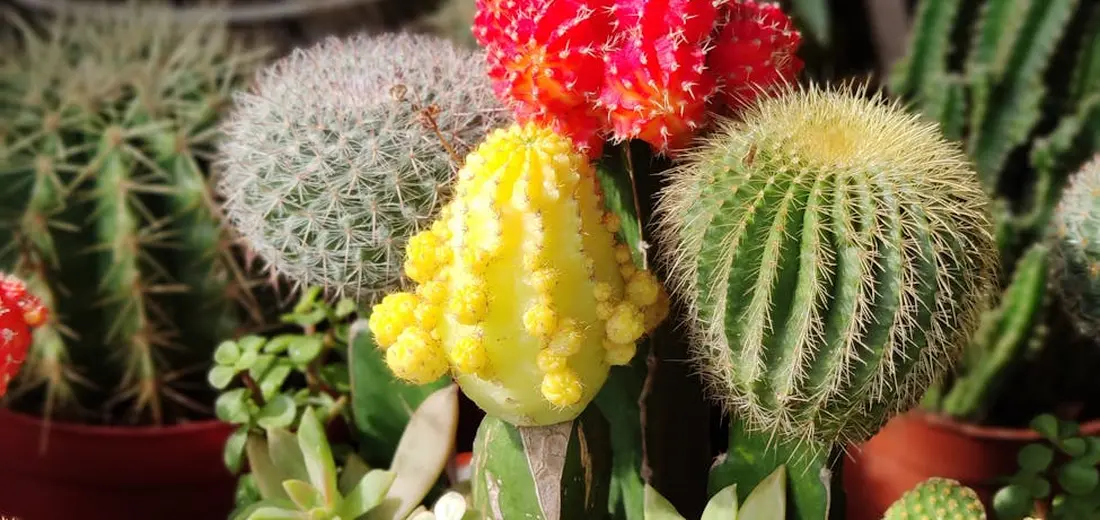
Think of temperature as the secret switch for your succulent’s most vibrant hues. Many of the most stunning reds, purples, and oranges are stress colors, a beautiful response to cooler conditions. I learned this the hard way when my prized Echeveria ‘Perle von Nurnberg’ turned a stunning lilac-purple after a cool spell on my porch, only to fade back to green when I brought it inside for the winter.
Cooler temperatures, especially the drop between day and night, signal to the plant that it’s time to produce protective pigments like anthocyanins (reds/purples) and carotenoids (oranges/yellows). This is a completely natural and healthy reaction, not a sign the plant is suffering. It’s the plant’s version of putting on a colorful winter coat.
Creating the Ideal Temperature Conditions
You don’t need a fancy greenhouse to mimic these conditions.
- Seasonal Shifts are Your Friend: I get my best color results in spring and fall when nighttime temperatures reliably dip into the 50s °F (10-15°C).
- Utilize a Sunny Window: A cool, bright windowsill is a perfect spot. The glass amplifies the light while the indoor temperature stays moderate.
- Be Patient and Observe: Color changes don’t happen overnight. It can take a few weeks of consistent cool exposure to see a noticeable shift.
Quick tip: A slight chill is the goal, not a freeze. Always protect your succulents from frost, which can cause irreversible damage to their delicate cells—especially when you’re testing cold-hardiness in winter.
Choosing the Right Succulents for a Colorful Display
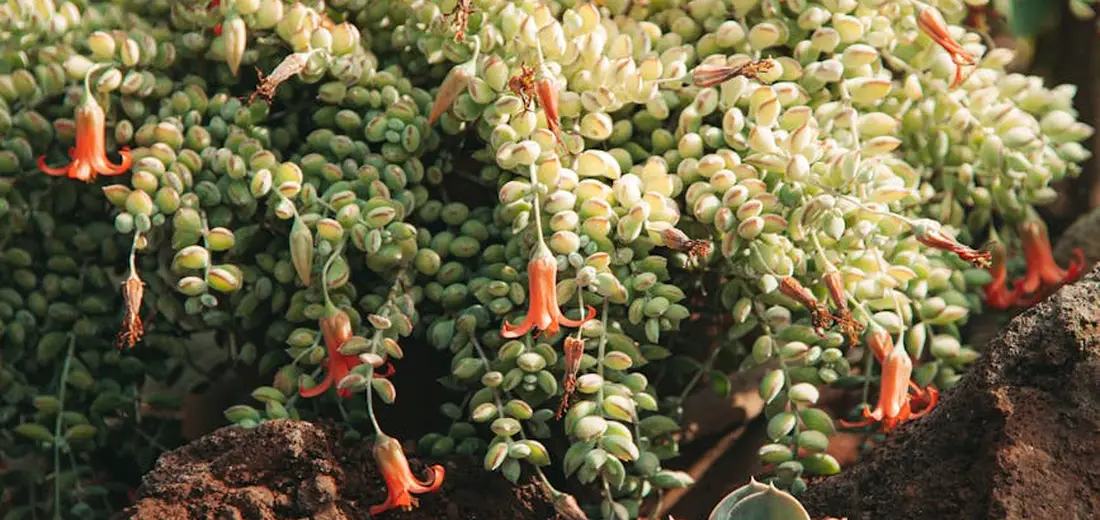
Starting with a succulent that’s genetically predisposed to be colorful is half the battle. Some varieties are simply more flamboyant and will show color with less effort than others. Over the years, I’ve found certain types are almost guaranteed to put on a show. To turn that show into a stunning display of rare colorful succulents, plan color, contrast, and placement. This approach makes the most of their natural flamboyance.
My Top Picks for Reliable Color
These are the workhorses in my collection that consistently impress.
- Echeveria: This genus is a superstar. Look for ‘Perle von Nurnberg’ (lavender-pink), ‘Afterglow’ (pastel lavender), or ‘Topsy Turvy’ (bluish-silver with pink tips).
- Sedum: ‘Sedum nussbaumerianum’ (Coppertone Stonecrop) turns a brilliant coppery-orange in bright light. It’s a fast-grower and perfect for spilling over pot edges.
- Aeonium: ‘Aeonium ‘Zwartkop’ is the classic black rose. Its near-black foliage provides incredible drama and contrast in any arrangement.
- Graptopetalum: These often have a pearlescent, dusty look. ‘Graptopetalum paraguayense’ (Ghost Plant) flushes with pink and yellow in the sun.
What to Look For at the Nursery
Don’t just grab the greenest plant you see.
- Check for Existing Color: Even a hint of red on a leaf edge or a purple tinge means the plant has the capacity for more. This is a great sign.
- Assess the Shape: Avoid plants that are stretched out or have large gaps between leaves (etiolated). This means they weren’t getting enough light to begin with.
- Feel the Leaves: They should be firm and plump, not soft or mushy. A healthy plant is better equipped to handle the “stress” that brings out color.
Here’s a quick guide to help you match a plant to your specific conditions:
| If You Have… | Try This Succulent | Why It Works |
|---|---|---|
| Lots of Direct Sun | Sedum adolphii | It thrives on intense light and turns a fiery golden-orange. |
| Bright Indirect Light | Echeveria ‘Lola’ | It develops lovely pink and lavender tones without needing the harshest rays. |
| A Cool, Sunny Spot | Sempervivum (Hens & Chicks) | These are cold-hardy and exhibit deep reds and purples when chilled. |
Starting with a succulent bred for color makes the entire process of maintaining those vibrant hues so much easier and more rewarding. You’re setting yourself up for success from day one. From pink, blue, and purple varieties, you can infuse your collection with vibrant color. These colorful varieties make color-focused care even more rewarding.
Troubleshooting: When Your Succulent’s Colors Fade
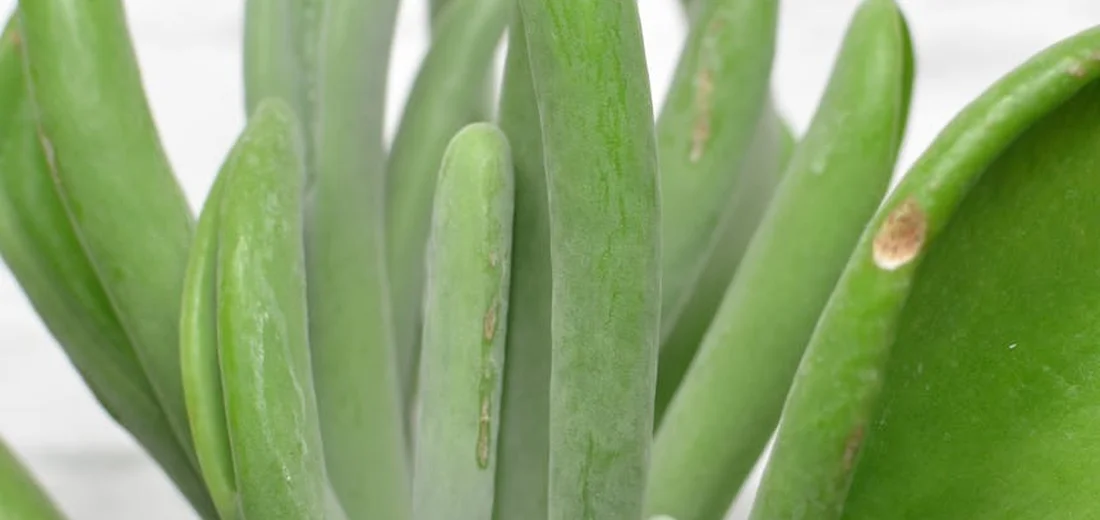
Seeing your succulent’s beautiful colors fade can be worrying, but I’ve been there many times. In my experience, color changes are your plant’s way of talking to you, and learning its language is the first step to fixing the problem.
Problem: Succulent turning pale green or stretching.
This is called etiolation, and it’s your succulent’s desperate search for more light. The plant is stretching out, creating a long, weak stem with wide gaps between the leaves.
The instant you notice stretching, move your plant to a significantly brighter location, like a south-facing windowsill.
- Cause: Insufficient sunlight.
- Solution: Gradually introduce it to more direct light to avoid sunburn. The stretched part won’t shrink back, but new, compact growth will form at the top.
- My tip: I gently rotate my succulents a quarter turn every time I water them. This prevents them from leaning and encourages even, colorful growth on all sides.
Problem: Leaves developing brown, crispy spots.
Those unsightly spots are almost always a sunburn. I learned this the hard way after moving a jade plant from a shady spot directly into blazing afternoon sun.
Think of succulent sunburn like a human sunburn; it happens from a sudden, intense exposure they aren’t used to.
- Cause: Too much direct, harsh sunlight too quickly.
- Solution: Provide filtered light or morning-only sun for a while. The burned leaves won’t heal, but you can prune them for aesthetics once the plant is stable.
- My tip: When increasing light, do it over 1-2 weeks. Start with just an hour of morning sun and slowly increase their time in the brighter spot.
Problem: Vibrant colors fading to a uniform green.
This is the most common question I get! Your succulent is reverting to its “default” factory setting because it’s perfectly happy and doesn’t feel the need to show off.
Colorful stress is a survival response, and a lush green plant often means it’s getting a little too comfortable.
- Cause: A combination of too much water and not quite enough light.
- Solution: The fix is twofold. First, let the soil dry out completely between waterings. Second, slowly give it more light to encourage those pigments to return.
- My tip: I use the “taco test” for my Echeverias. Gently squeeze a leaf; if it flexes easily like a taco shell, it’s thirsty. If it’s firm, hold off on watering.
Problem: Lower leaves yellowing and becoming soft.
This is a classic sign of overwatering. The leaves feel mushy and translucent because they are literally filled with too much water and are starting to rot.
Soft, yellow leaves at the base are a red flag that your watering habits need an immediate adjustment.
- Cause: The roots are sitting in wet soil for too long, leading to root rot.
- Solution: Stop watering immediately. Remove the plant from its pot to check the roots. Cut away any black, mushy roots with a sterile knife and repot into fresh, dry, well-draining soil.
- My tip: I always use a pot with a drainage hole and a gritty soil mix I make myself with half potting soil and half perlite. This has saved more plants than I can count.
FAQs
How long does it typically take for a succulent to show color changes after adjusting light?
Color changes can appear within a few weeks to a couple of months with consistent light exposure.
Can over-fertilizing prevent my succulent from coloring up?
Yes, excessive fertilizer, especially high in nitrogen, can promote green growth and inhibit color development.
Is it possible to bring back color to a succulent that has turned completely green?
Absolutely, by gradually increasing light exposure and adjusting watering habits to induce mild stress.
Do succulents need a dormant period to develop vibrant colors?
While not always necessary, many succulents show enhanced colors during cooler seasons when growth slows.
How does pot size affect succulent coloration?
A pot that is too large can hold excess moisture, leading to overwatering and reduced color intensity.
Can I use grow lights to enhance succulent colors indoors?
Yes, full-spectrum grow lights can provide the intense light needed to encourage color changes in indoor settings.
Your Colorful Succulent Journey Starts Now
To keep your succulents brilliantly colorful, remember it’s all about mastering their three key needs: bright light, less water, and a touch of temperature stress. Focus on providing plenty of sun, watering only when the soil is completely dry, and allowing for cooler temperatures to trigger those stunning red, purple, and orange hues. Wondering why succulents turn colors like yellow, brown, red, or purple? These shifts reflect pigment changes in response to light, water, and temperature stress.
You’ve got this! Don’t be afraid to experiment and observe how your plants respond. With a little patience and these simple tips, you’ll be well on your way to growing a vibrant, happy rainbow of succulents on your windowsill.
Further Reading & Sources
- How to Make Succulents Colorful | Plant Care Tips | Planet Desert
- The biological principle of how succulents change color – Springer Garden
- How to Make Your Succulents Turn Red – Succulents Box
- Colorful Succulents: Why Succulents Change Colors? | Harddy Frequently Asked Succulent & Cactus Questions blog
Lena Greenfield is a passionate horticulturist and plant care expert with over 10 years of experience cultivating and nurturing hardy house plants. With a deep understanding of both indoor and outdoor gardening, Lena shares practical advice on choosing, caring for, and maintaining resilient plants that flourish year-round. Through her knowledge and hands-on approach, Lena helps plant lovers transform their spaces into vibrant, green sanctuaries, no matter their gardening experience.
Light Requirements