
Soil Testing Made Simple: How to Test and Understand Your Soil for Healthier Plants
Are your plants not thriving no matter how much you water or fertilize? A soil test is your secret weapon to uncover exactly what your garden is missing or has too much of.
Drawing from my own gardening journey, I’ll walk you through the entire process, covering collecting soil samples, choosing test kits, interpreting pH and nutrient levels, and making easy adjustments.
Before You Test: A Quick Guide to Soil Health
Think of a soil test as a wellness check-up for your plant’s home. It reveals the three big pillars of soil health: pH level, nutrient content, and physical texture. I’ve learned that getting this baseline is far better than guessing why a plant looks unhappy.
You should consider a soil test if you spot these common symptoms in your plants:
- Yellowing leaves, especially between the veins
- Stunted growth or no new leaves for months
- Brown, crispy leaf tips and edges
- Leaves dropping unexpectedly
- A general look of being “off” despite good light and water
I once had a beautiful fern that started getting crispy no matter what I did; a simple test showed my soil was far too alkaline for its liking. This entire process is detective work, and the soil test is your most important clue. You’re not just looking at the plant-you’re investigating the environment it lives in.
Gathering Your Soil Sample: The First Crucial Step
Getting a good sample is everything. A bad sample gives you bad data, and that’s worse than no data at all. Here’s how I do it correctly every time.
-
Use composite sampling from multiple spots in the pot. Don’t just dig in one place. I take a tiny bit of soil from near the stem, from the outer edge, and from a spot in between. This mix gives you an average reading of the entire pot’s condition, which is what your plant’s roots are actually experiencing.
-
Sampling depth is different for regular potted plants versus succulents. For most houseplants, I go down about 2 to 3 inches, where the majority of the feeder roots are active. For succulents and cacti, I only go about an inch deep, as their root systems are much shallower and more sensitive.
-
You don’t need fancy tools. I’ve used a clean teaspoon, a chopstick to scoop, or even a small hand trowel. The goal is to get the soil without disturbing the roots too much. Just make sure whatever you use is clean and dry to avoid contamination. That said, the tools for successful plant repotting you choose do matter for a successful repotting. Simple, clean tools used with care help keep roots intact.
-
Avoid these common mistakes. Never sample just from the surface, as it can be very different from the root zone. Also, be careful to avoid any chunks of slow-release fertilizer you might see, as this will heavily skew your nutrient results.
My quick tip: Let your soil sample dry out on a paper towel before testing. This gives you a more stable reading, especially for pH, and prevents mold from forming in your test kit.
Your Soil Testing Toolkit: DIY Kits vs. Lab Analysis
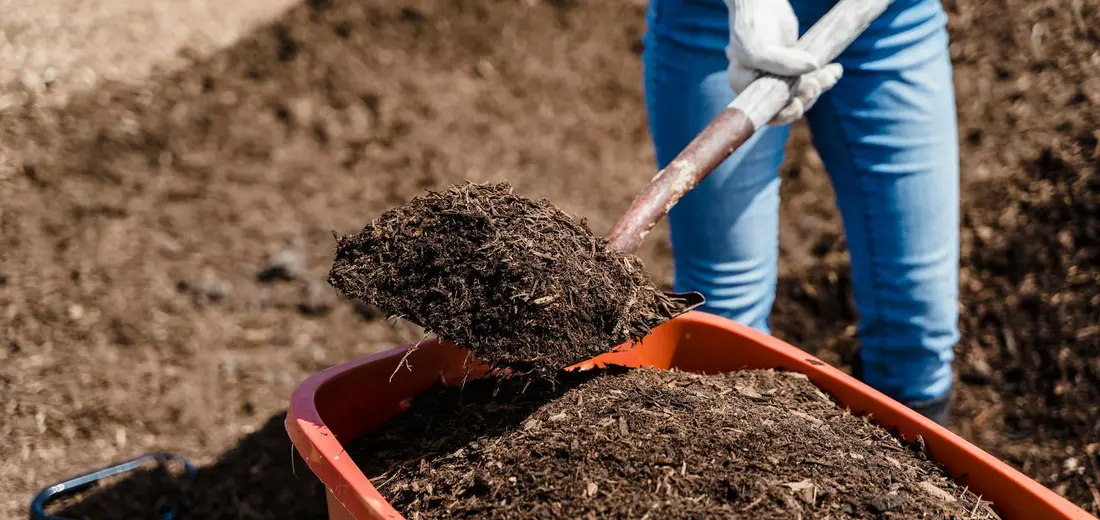
You have two main paths for testing your soil: a quick DIY kit or a detailed lab analysis. I’ve used both over the years, and your choice really depends on how deep you want to go.
- DIY Test Kits: These are your fast, affordable friends. I always keep one on hand for quick check-ups. They’re fantastic for getting a general sense of your soil’s health in under 30 minutes. The trade-off is that they are less precise than a professional lab test, giving you a ballpark figure rather than an exact measurement.
- Professional Lab Analysis: This is the full medical work-up for your soil. You send a sample away and get a comprehensive report back. It’s incredibly detailed, but it costs more and you have to wait for the results. I send a sample to my local extension service every few years for a deep dive.
A basic DIY kit from your local garden center will typically measure your soil’s pH and the primary nutrients, often called NPK (Nitrogen, Phosphorus, and Potassium).
A detailed lab report, on the other hand, is like a complete soil biography. It often includes levels of crucial micronutrients like iron and zinc, the Cation Exchange Capacity (CEC-which tells you how well your soil holds nutrients), and the percentage of organic matter. This information is gold for creating a perfect, long-term feeding plan.
Performing a Basic DIY Soil Test
Testing for Soil pH
- Collect a small soil sample from a few inches below the surface of your pot and place it in the test kit’s provided container.
- Add the testing powder or liquid, followed by the distilled water, and cap the vial. Shake it vigorously for the time specified in the instructions.
Let the mixture settle. The liquid will change color. Compare this color to the chart on your kit-this tells you if your soil is acidic (low pH), alkaline (high pH), or neutral. For most of my houseplants and succulents, I’m aiming for a slightly acidic to neutral reading.
Checking Nutrient Levels (NPK)
- Follow your specific kit’s directions to prepare separate soil samples for testing Nitrogen (N), Phosphorus (P), and Potassium (K). This usually involves different capsules or liquids for each.
- After adding the reagents and water, shake each vial and wait for the prescribed time for the color to develop.
Match the resulting color in each vial to its corresponding chart. The intensity of the color indicates the concentration of that nutrient, typically ranging from “deficient” to “adequate” to “surplus.” A pale color often means a lack of that nutrient, while a very deep color suggests your soil has plenty.
Assessing Soil Texture and Drainage
- The Jar Test: Take a cup of your soil and put it in a clear jar with water. Shake it up until everything is mixed and then let it sit for a full day. You’ll see the soil separate into distinct layers-sand at the bottom, silt in the middle, and clay on top. This visual tells you your soil’s composition and helps you understand its natural drainage tendencies.
- The Squeeze Test: Grab a handful of moist (not soggy) soil and give it a firm squeeze in your palm. Then, poke it. If it falls apart immediately, it’s likely sandy and fast-draining. If it holds its shape but crumbles when you touch it, you have lovely, loamy soil. If it stays in a tight, slick ball, you have heavy clay that holds too much water. This simple test gives you instant, tactile feedback on moisture and aeration.
Making Sense of Your Results: The Interpretation Guide
What Your Soil pH Result Means
Getting your pH number is like finding out your plant’s comfort zone. Most common houseplants are happiest in a slightly acidic to neutral range, from about 6.0 to 7.0. I’ve tested the soil for my pothos and philodendrons countless times, and they always thrive when I keep them in this sweet spot. It’s especially important to choose and prepare the right soil for indoor plants to maintain this balance.
Succulents, including my jade plants and echeverias, are a bit more flexible but prefer a similar range. The real magic happens when you understand that pH controls which nutrients your plant can actually absorb. It’s important to know the ideal soil pH for your succulents to keep them healthy. If your pH is too high (alkaline), it can lock away essential nutrients like iron and manganese, leading to yellow leaves. A pH that’s too low (acidic) can make phosphorus unavailable, stunting your plant’s growth.
Decoding Your NPK and Nutrient Levels
Think of NPK as your plant’s main course. Nitrogen (N) is the green growth engine, responsible for lush, vibrant leaves. When my plants look pale or their growth has stalled, a nitrogen deficiency is often the first thing I check for.
Phosphorus (P) is all about the roots and flowers. A healthy dose of phosphorus encourages strong root development and helps flowering plants, like my African violets, produce more blooms. Correcting phosphorus deficiency leads to healthier roots and more abundant blooms. Ensuring the right phosphorus levels supports robust plant growth from root to bloom. Potassium (K) is the plant’s overall health manager, regulating its internal systems and improving disease resistance.
Interpreting your levels is straightforward. Optimal levels mean your plant is getting a balanced meal and should continue growing well. Low levels signal it’s time to feed your plant with a fertilizer matching the deficiency. High levels, especially of nitrogen, can cause weak, leggy growth and might indicate you’re over-fertilizing.
Understanding Electrical Conductivity (EC) and Salts
Electrical Conductivity sounds complex, but it’s simply a measure of how much “stuff” is dissolved in your soil’s water. A high EC reading means there’s a high concentration of salts and nutrients, which can actually pull water right out of your plant’s roots. I learned this the hard way with a fiddle leaf fig that developed brown, crispy leaf edges from accumulated fertilizer salts.
This is a classic sign of fertilizer buildup, often from using too much or not flushing the soil periodically. High EC can prevent your plant from taking up water properly, causing what looks like underwatering even in damp soil. For most houseplants and succulents, you want a low to moderate EC to ensure easy nutrient and water uptake.
From Diagnosis to Action: Choosing Your Soil Amendments
Now for the fun part-fixing the issues you’ve uncovered! Based on my own trial and error, here’s a quick-reference guide to match your test results with the right solution.
| Test Result | Recommended Amendment | My Go-To Product/Ingredient |
|---|---|---|
| pH too low (Acidic) | Raise pH | Garden Lime (Dolomitic) |
| pH too high (Alkaline) | Lower pH | Elemental Sulfur or Peat Moss |
| Low Nitrogen (N) | Boost Green Growth | Blood Meal or a balanced liquid fertilizer |
| Low Phosphorus (P) | Strengthen Roots & Blooms | Bone Meal or a “Bloom Booster” fertilizer |
| Low Potassium (K) | Improve Overall Health | Kelp Meal or Potash |
| High EC / Poor Drainage | Flush Salts & Improve Texture | Perlite, Pumice, or Horticultural Grit |
Always mix amendments thoroughly into the top layer of soil and water well to activate them. For drainage issues, I find that repotting with a fresh, gritty mix is often more effective than just topping the old soil. Adding a handful of perlite or orchid bark to a standard potting mix has saved many of my succulents from soggy feet. Using the right soil amendments for succulents is crucial for their health.
Creating Your Plant’s Perfect Soil Recipe
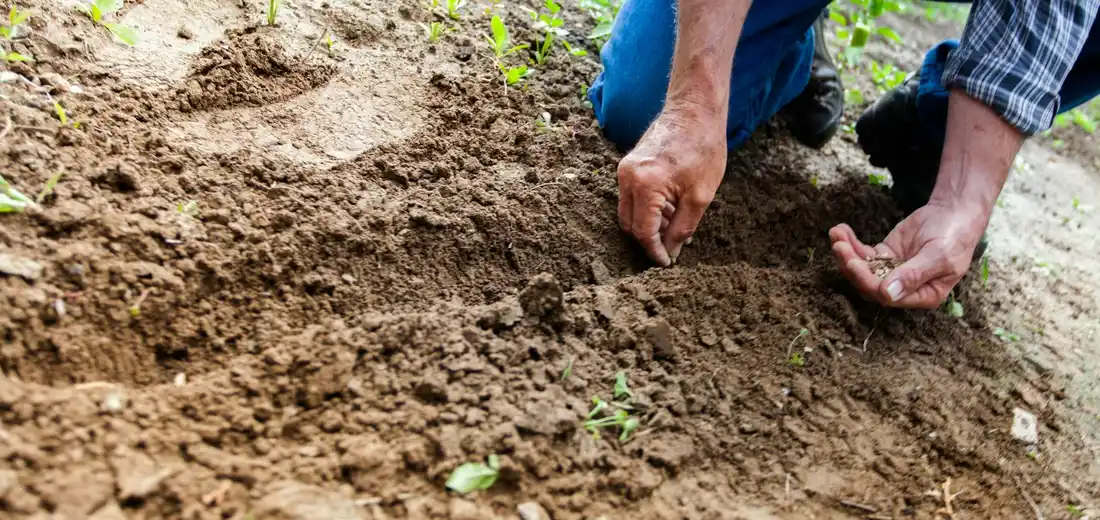
Once you have your soil test results, it’s time to become a plant chef and whip up a custom potting mix. Think of your soil test as a recipe card telling you exactly which ingredients you need to add or reduce.
Soil Mix Recipes for Your Plant Family
Here are two of my go-to recipes that I use all the time based on what my plants are telling me they need.
The Tropical Treasure Mix (For Moisture-Loving Plants)
I use this for my prayer plants, ferns, and calatheas when a test shows the soil is drying out too quickly and lacks organic matter.
- 2 parts high-quality potting soil (the base)
- 1 part peat moss or coco coir (for moisture retention)
- 1 part perlite (for aeration and to prevent compaction)
- A handful of worm castings (for a gentle nutrient boost)
This mix creates a fluffy, moisture-retenive environment that mimics a tropical forest floor, which my humidity-loving plants absolutely thrive in.
The Gritty Succulent Savior Mix
This is my absolute favorite for succulents, cacti, and snake plants, especially when a test reveals the soil is holding too much water. This is a perfect lead-in to the use of succulent soil for snake plants, which walks you through the right soil mixes. It also shows simple tests to ensure your soil drains properly.
- 1 part potting soil
- 1 part coarse sand (improves drainage dramatically)
- 1 part pumice or perlite (creates air pockets for roots)
I sometimes swap the pumice for poultry grit if I have it on hand. The goal here is to create a mix that dries out uniformly and quickly, giving those thick, water-storing roots the fast-draining home they crave.
The Role of Your Soil Ingredients
Understanding what each component does helps you tweak your recipes like a pro.
- Organic Matter (Potting Soil, Compost, Coco Coir): This is the pantry of your soil, holding onto moisture and nutrients for your plant’s roots to access later.
- Inorganic Components (Perlite, Pumice, Sand): These are the structural elements. They don’t break down and create permanent air pockets, ensuring roots get oxygen and water never sits for too long.
Balancing organic and inorganic materials is the secret to preventing both drought stress and root rot.
A Personal Repotting Story
I had a Monstera that was just… sad. It wasn’t growing, and the leaves were yellowing. A soil test showed it was both compacted and nutrient-deficient. I mixed up a batch of my Tropical Treasure Mix, being extra generous with the perlite. Within a month of repotting, it pushed out two massive, split leaves-it was literally thanking me for the upgrade. That experience cemented my belief in custom soil mixes.
When and How Often to Test Your Plant’s Soil
Timing your soil tests is just as important as doing them. You don’t need to test every week, but a little strategy goes a long way.
The best time to test is at the start of the active growing season, which is typically early spring for most houseplants. This gives you a baseline before your plant kicks into high gear.
Testing Schedule: Fast Growers vs. Slow Succulents
- Fast-Growing Plants (like Pothos or Philodendron): Test these every 6 to 12 months. They use up water and nutrients quickly and can exhaust their soil medium faster.
- Slow-Growing Succulents & Cacti: You can often go 1 to 2 years between tests. Their slow growth and infrequent watering mean their soil conditions change much more gradually.
Always test your soil if you notice any signs of distress, like yellowing leaves, stunted growth, or soil that stays wet for over a week. It’s your first line of detective work.
Keep a Simple Soil Log
I keep a small notebook in my plant care kit. When I test, I jot down the date, the plant, what the test revealed, and what action I took (like “added pumice to mix”). This log has been invaluable for spotting long-term trends and remembering what worked for a particular plant the last time it had issues. It turns random care into informed plant parenting.
Common Questions
What is a soil test interpretation?
A soil test interpretation explains what your soil’s pH and nutrient levels mean for the specific health of your houseplants and succulents. It can also help you identify common succulent nutrient deficiencies and guide targeted fixes to restore vitality.
How do I get fertilizer recommendations from a soil test?
Fertilizer recommendations are based on whether your NPK levels are low, optimal, or high, guiding you to choose a product that corrects any deficiencies.
Is there a soil test interpretation guide for houseplants?
Yes, a houseplant-specific interpretation guide helps you translate generic results into actionable steps for plants that prefer slightly acidic to neutral pH and well-draining soil.
What is an example of interpreting a soil test?
An interpretation example would be identifying yellowing leaves on a succulent as a sign of iron deficiency caused by a soil pH that is too alkaline.
Why is soil test interpretation for agriculture different from houseplants?
Agricultural interpretations are for large-scale field crops, while houseplant interpretations focus on the unique needs of plants in containers with limited soil volume.
What is Mehlich-3 soil test interpretation?
Mehlich-3 is a specific chemical extractant used in lab tests to measure nutrient levels, and its interpretation provides a highly accurate analysis of your soil’s fertility.
Your Soil Testing Journey: A Quick Recap
From my years of nurturing everything from fiddle-leaf figs to resilient succulents, I’ve found that performing regular soil tests and tweaking your care routine based on the findings is the simplest way to ensure your plants not only survive but flourish. A little soil detective work today can save you from major plant problems tomorrow, especially for succulents that need specific care.
- Test for pH and key nutrients like nitrogen and phosphorus every few months.
- Adjust watering and fertilizing based on your soil’s specific needs.
- Always use well-draining soil mixes to prevent root issues.
Now that you’re equipped with the know-how, I encourage you to grab a soil test kit and give it a try—you’ll be amazed at how this small step boosts your confidence as a plant parent. For absolute beginners, these simple guidelines are your essential indoor planting tips to get started. Stick with easy, consistent care and you’ll build confidence quickly. Your plants will thank you with brighter leaves and stronger growth, making your indoor space even more joyful.
Further Reading & Sources
- Soil Testing
- A Gardener’s Guide to Soil Testing | NC State Extension Publications
- Soil Testing for Horticultural Needs | Ohioline
- A Field Guide To Soil Sampling – Soil Health
Lena Greenfield is a passionate horticulturist and plant care expert with over 10 years of experience cultivating and nurturing hardy house plants. With a deep understanding of both indoor and outdoor gardening, Lena shares practical advice on choosing, caring for, and maintaining resilient plants that flourish year-round. Through her knowledge and hands-on approach, Lena helps plant lovers transform their spaces into vibrant, green sanctuaries, no matter their gardening experience.
Fertilization