
How to Prune and Trim Pothos for Lush, Healthy Growth
Published on: March 27, 2026 | Last Updated: March 27, 2026
Written By: Lena Greenfield
If you’re unsure where to start with pruning your pothos, you’re not alone-many plant lovers worry about snipping the wrong vine and stunting their plant’s progress. With a few simple cuts, you can actually encourage fuller, faster growth and prevent that straggly, overgrown look.
Drawing from my own years of nurturing pothos in various indoor spaces, I’ll guide you through the best time to prune, tools you’ll need, step-by-step trimming, aftercare, and mistakes to avoid so you can trim with confidence.
Why Pruning Your Pothos is Essential for a Thriving Plant
Many plant parents are hesitant to make the first cut, but I promise you, pruning is an act of love. Think of it less like a haircut and more like a strategic energy redirector for your plant. Your pothos only has so much energy to give, and without pruning, it can waste that precious fuel on maintaining long, sometimes sparse, vines.
I’ve seen it time and again in my own collection-a pothos I’ve regularly pruned is a full, bushy beast, while one I’ve left to its own devices gets long and “leggy” with big gaps between leaves. Pruning directly encourages the plant to push out new growth from multiple points, creating that lush, dense look we all adore. It tells the plant, “Hey, focus your efforts right here!”
- Promotes Bushier Growth: Snipping the end of a vine signals the plant to grow new stems from the nodes (those little brown bumps) lower down on the plant, filling it out.
- Controls Size and Shape: Pothos are vigorous growers! Pruning lets you keep your plant looking intentional and well-groomed, not like it’s trying to escape the pot.
- Improves Overall Plant Health: By removing yellowing, dead, or damaged leaves, you help prevent the spread of disease and allow the plant to focus its resources on healthy foliage.
- Creates New Plants for Free: This is my favorite part! Those cuttings you take aren’t waste-they’re future pothos babies you can propagate in water or soil.
Quick tip: Don’t be scared to cut! Pothos are incredibly resilient and will reward your bravery with vigorous new growth.
The Best Time to Give Your Pothos a Trim
While you can technically give your pothos a light tidy-up any time of year, the absolute best time is during its active growing season. For most of us, that’s the spring and summer months when the days are longer and brighter. Pothos also respond to their light and temperature needs, thriving in bright, indirect light and steady room temperatures. Sudden changes in light or cold drafts can slow healing after pruning. This is when the plant is naturally primed to heal quickly and burst forth with new leaves.
I avoid major pruning in the deep winter when growth naturally slows. The plant is more dormant then, and it will take much longer to see those new shoots appear. A light trim to remove a dead leaf is always fine, but save the big shaping sessions for when the sun is shining.
Spotting the Signs Your Pothos Needs Pruning
Your pothos will often tell you when it’s ready for a trim. You just have to know what to look for. I always start by taking a few steps back and looking at the plant’s overall shape and vibe. Is it looking a little wild?
- Long, Leggy Vines with Few Leaves: If you see long stretches of bare vine, it’s a clear sign the plant is putting energy into length, not fullness.
- Vines Getting Tangled or Overcrowded: When the vines start to look like a messy ball of yarn, it’s time to untangle and trim for better air circulation.
- Yellowing or Browning Leaves: These leaves won’t turn green again. Pruning them away keeps the plant looking fresh and healthy.
- The Plant is Outgrowing Its Space: Is your pothos starting to climb your bookshelf or take over an entire corner? That’s your cue for a size-management trim.
- It Just Looks “Sad” or Sparse: Sometimes, a plant just loses its pep. A good pruning can be the shock it needs to perk up and try again.
Trust your gut-if you look at your pothos and think it could look better, you’re probably right, and pruning is the answer.
Gathering Your Pothos Pruning Toolkit
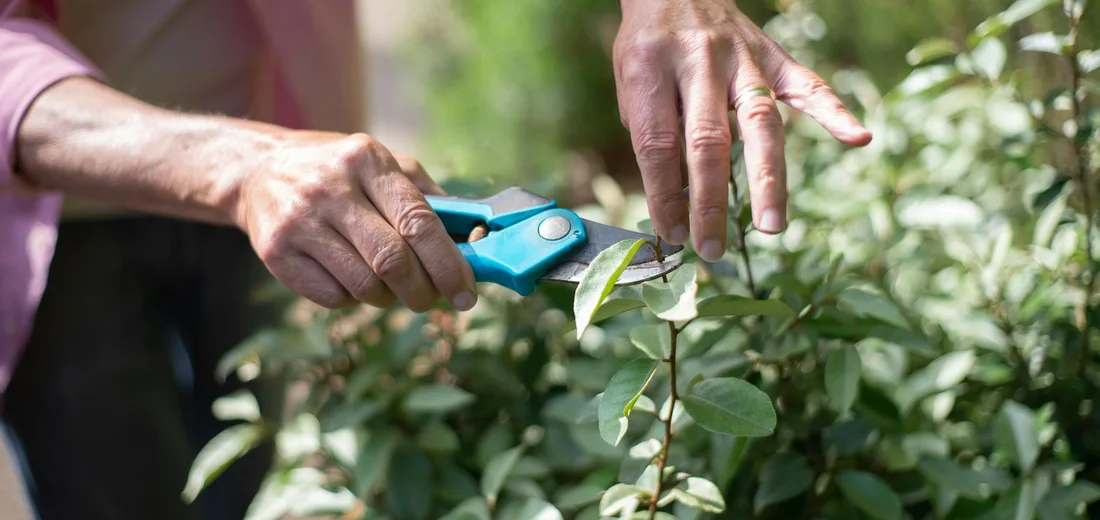
Having the right tools on hand makes the whole process smoother and safer for your plant. You don’t need a fancy arsenal; just a few key items will set you up for success. I keep my kit in a small basket right next to my plant shelf so it’s always ready. For beginner plant parents, these essential tools and supplies form a simple, confidence-boosting starter kit. With them, plant care becomes easier and more enjoyable.
Choosing and Sterilizing Your Pruning Shears
The most important tool is a sharp pair of pruning shears or sharp scissors. Dull blades crush and tear the stems, creating open wounds that are slow to heal and prone to disease. I’ve made this mistake before, and the plant took much longer to bounce back. Essential pruning starts with the right tools. Clean, sharp implements help cuts heal and keep plants healthy.
Sterilizing your tools is a non-negotiable step. I wipe the blades with rubbing alcohol before I start and between plants. This simple act prevents spreading any hidden pests or bacteria. Sterilizing pruning tools specifically helps prevent disease from moving from one plant to another. A quick wipe between cuts keeps the entire bed healthier.
- Sharp, clean pruning shears or scissors
- Isopropyl alcohol and a cloth for sterilization
- A small container of water (for propagating your cuttings!)
- Gloves if you have sensitive skin, as pothos sap can be irritating
The Step-by-Step Guide to Pruning Pothos Vines
Pruning a pothos is less about strict rules and more about guiding its energy. Think of yourself as a director, telling the plant where to put its efforts for the best show. If your goal is a fuller, bushier pothos, prune toward the tips to spur new growth and fill it in. With a little patience, you’ll see branches thicken along the vines. Take a deep breath—you can’t really mess this up.
How to Prune Leggy Stems for a Fuller Look
Leggy stems are long vines with lots of space between the leaves. They often happen when the plant is searching for more light. To encourage a fuller, bushier plant, you need to cut these long runners back. I look for the barest sections of the vine.
- Trace the leggy stem back to a point where you see a leaf.
- Look for a small, brownish bump on the stem near the base of that leaf; this is a node.
- Make a clean cut about a quarter-inch above that node.
- Don’t be shy! Cutting back a long vine by half its length is perfectly fine.
The plant will respond by sending out new growth from the node just below your cut, often creating two new vines instead of one. This is how you turn one long, sparse stem into multiple bushy branches.
Shaping Your Pothos: Bushy Plant vs. Trailing Vine
Your desired look dictates your pruning strategy. I have pothos in both styles around my home.
For a Bushy, Compact Plant: Focus your pruning inward. Regularly pinch or snip off the very tips of the longest vines. This method signals the plant to stop growing long and start filling out from the center. You can also take the cuttings you’ve made and plant them back into the same pot’s soil to instantly add density.
For a Long, Trailing Vine: Your pruning goal is maintenance, not restriction. Let the main vines grow long and beautiful. Only prune to remove yellowing leaves, damaged sections, or the occasional thin, weak-looking stem that saps energy from the showstoppers. This keeps the long vines healthy and vibrant.
Quick Tip: Don’t toss those cuttings! Place them in water to grow new roots, and you’ll have a brand new pothos plant to enjoy or share with a friend in just a few weeks. Learn how to propagate pothos plants effectively with our step-by-step guide.
What to Do With Your Pothos Cuttings: Easy Propagation
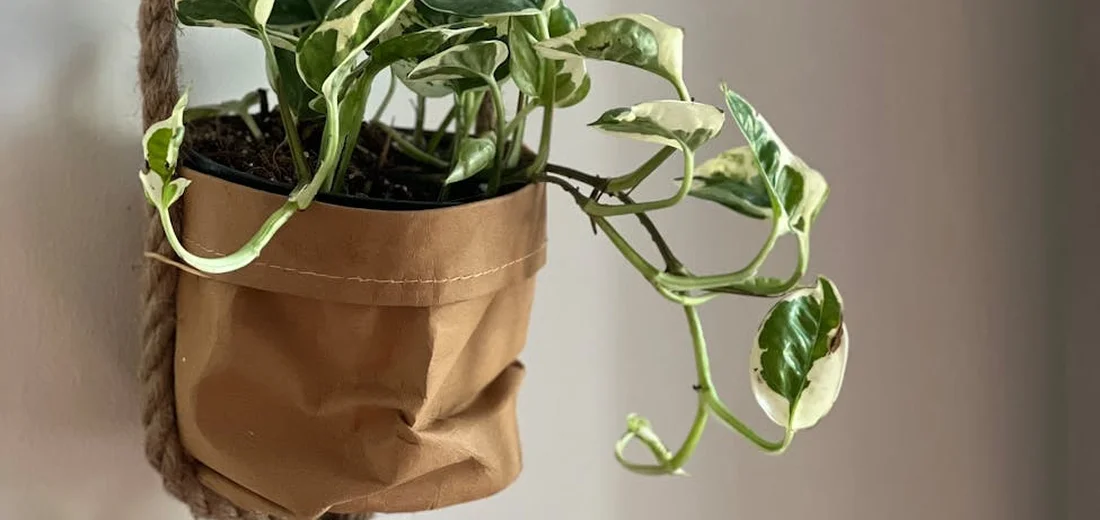
You’ve just given your pothos a trim, and now you have a handful of vibrant green stems. Don’t you dare throw those cuttings away – this is your chance to create free plants for every room in your house. I’ve filled my home with pothos this way, and it’s one of the most rewarding parts of plant care. If you ever want to branch out, ZZ plants propagate well with water cuttings or by rhizome division.
Two Foolproof Methods for Rooting Pothos
I always use one of these two methods, and both have a near-perfect success rate in my experience.
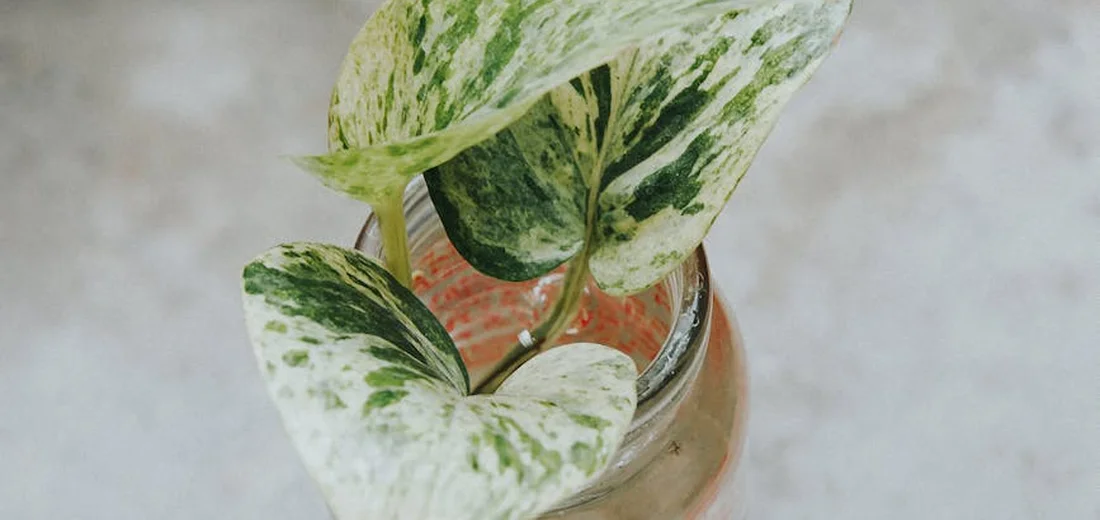
- Water Propagation: This is my go-to for beginners. Place your cuttings in a jar of room-temperature water, making sure the nodes (those little brown bumps on the stem) are submerged. Leaves should stay high and dry. Pop the jar on a bright windowsill, and you’ll see tiny white roots emerge in just a week or two.
- Soil Propagation: For a faster transition to a permanent home, plant cuttings directly into a moist, well-draining potting mix. I make a small hole with a pencil, insert the cutting so a node is buried, and gently firm the soil around it. Keep the soil lightly moist (not soggy) for the first few weeks.
My Secret for Propagation Success
Over the years, I’ve learned one trick that makes all the difference. Always use a sharp, clean pair of scissors or pruners to take your cuttings. A clean cut heals faster and is less likely to introduce disease, giving your new plant babies the best possible start.
Post-Pruning Pothos Care for Rapid Recovery
Your plant just had a “haircut,” and a little TLC will help it bounce back stronger than ever. Think of this as the recovery phase.
Immediate Aftercare Steps
Right after pruning, I follow this simple routine.
- Check the Soil: Feel the top few inches of soil. If it’s dry, give your pothos a thorough, deep watering until water runs out the drainage holes. This helps hydrate the plant after the stress of pruning.
- Find the Perfect Spot: Move your plant to a location with bright, indirect light. Avoid direct sun, which can scorch the tender new growth that’s about to emerge.
- Hold the Fertilizer: Resist the urge to fertilize for at least 3-4 weeks. The roots are sensitive right now, and fresh fertilizer can do more harm than good.
What to Expect in the Coming Weeks
Your pothos will tell you it’s happy. Within a week or two, you should see tiny new buds forming at the leaf nodes just below where you made your cuts. This is the plant’s energy being redirected to create fresh, bushy growth. Those little buds will quickly unfurl into beautiful, heart-shaped leaves.
Keep up with your normal watering routine, only watering when the top inch or two of soil feels dry. The single biggest mistake I see after pruning is overwatering-a recovering plant uses less water, so let it dry out a bit more between drinks. In no time, your pothos will look fuller, healthier, and more vibrant.
Common Pothos Pruning Mistakes and How to Avoid Them

I’ve made nearly every pruning mistake you can imagine with my pothos over the years. Learning from these errors is what helped me grow a truly lush, jungle-like plant. Let’s walk through the common pitfalls so you can sidestep them completely.
Overzealous Chopping
The biggest mistake is getting scissor-happy and removing too much foliage at once. I did this to my Golden Pothos, and it looked so sad and stubby for months. Never remove more than one-third of the plant’s total growth in a single session. This prevents shock and gives your plant enough leaves to continue its photosynthesis duties.
Using Dull or Dirty Tools
Using old kitchen scissors or dirty pruners is an invitation for trouble. A dull blade will crush and tear the stem, creating a ragged wound that struggles to heal. I always keep a dedicated pair of sharp, clean scissors for my plant chores. A clean, sharp cut heals faster and drastically reduces the risk of disease entering the plant. Wipe your blades with rubbing alcohol before you start.
Cutting in the Wrong Place
This is a huge one. Simply snipping a vine anywhere will leave you with a leafless stump that may not grow back. You need to be strategic. Always make your cut just above a leaf node-that little brown bump on the stem where a leaf is or was attached. This is where new growth will emerge. Cutting between nodes often results in a dead end.
- Do: Cut about a quarter-inch above a healthy-looking leaf node.
- Don’t: Cut randomly in the middle of a long, bare section of vine.
Pruning at the Wrong Time
While pothos are forgiving, they have a prime growing season. I avoid major pruning in the deep winter when growth naturally slows. The best time for a significant trim is during the active growing season, spring and summer. This is when the plant has the most energy to push out new shoots and recover quickly from its haircut.
Not Pruning at All
It might sound counterintuitive, but neglecting to prune is a mistake. Without occasional trimming, your pothos can become leggy, with long vines and sparse leaves. Regular, light pruning encourages the plant to grow more densely and become bushier at its base. Think of it as a regular styling appointment for your plant!
Quick Tip: If you see a vine with long stretches between leaves, that’s a perfect candidate for a trim. Cutting it back will encourage new growth points to activate.
Ignoring the Aftermath
What you do after pruning matters just as much. I used to just walk away, but I learned that post-prune care is crucial. Resist the urge to overwater right after a prune. With less foliage, the plant will use less water, and soggy soil can lead to root rot. Simply return to your normal watering routine and watch for new growth.
FAQs
Can pothos pruning be done in fall or winter?
Light pruning for maintenance is fine in fall or winter, but save major cuts for spring and summer to avoid stressing the dormant plant.
How often should you prune pothos to encourage bushier growth?
Prune every 2-3 months during the growing season to stimulate new stems and maintain a dense, full appearance.
Should you prune pothos stems or cut back the roots for pruning?
Prune only the stems and vines, as root trimming is unnecessary and can harm the plant’s stability and health.
How do you propagate pothos from pruning cuttings?
Root stem cuttings with at least one node in water or moist soil to grow new pothos plants easily.
Should you remove yellowing leaves during pruning?
Yes, always trim yellowing leaves to keep the plant healthy and prevent energy waste on dying foliage.
What are common mistakes to avoid when pruning pothos?
Avoid over-pruning, using dirty tools, and cutting below nodes to prevent damage and encourage proper regrowth.
Your Lush, Happy Pothos Awaits
To keep your pothos thriving, remember to prune just above a leaf node during its active growth season for a bushier plant and to propagate the cuttings. Pruning also helps you control the plant’s size and shape, keeping it tidy as it grows. This makes it easier to manage its overall appearance. Regular pruning gives you a fuller plant, more plants from cuttings, and a healthier pothos overall.
Now you have the knowledge—go give your pothos a little trim! Trust your instincts, use those clean shears, and enjoy the rewarding process of shaping your plant’s growth. You’ve got this. If your pothos is looking stressed or dying, a careful trim can help revive dying pothos by removing dead growth and encouraging new leaves. With proper aftercare, you’ll see it bounce back.
Further Reading & Sources
- How and When to Prune Pothos Plants | Gardener’s Path
- You Should Prune Your Pothos Now for a Fuller Plant-How to Do It Right
- Prune Pothos For A Fuller, More Fabulous Plant | Gardening Know How
- Discover how to prune pothos with these 5 expert steps | Homes and Gardens
Lena Greenfield is a passionate horticulturist and plant care expert with over 10 years of experience cultivating and nurturing hardy house plants. With a deep understanding of both indoor and outdoor gardening, Lena shares practical advice on choosing, caring for, and maintaining resilient plants that flourish year-round. Through her knowledge and hands-on approach, Lena helps plant lovers transform their spaces into vibrant, green sanctuaries, no matter their gardening experience.
Pruning Techniques