
ZZ Plant Light and Temperature: Simple Tips for Healthy Growth
Published on: August 15, 2026 | Last Updated: August 15, 2026
Written By: Lena Greenfield
ZZ plants are known for their toughness, but they still need the right light and temperature to avoid issues like slow growth or leaf discoloration. From my years of caring for ZZ plants, I’ve found that even small changes in their environment can make a big difference in how they thrive.
In this guide, I’ll share my firsthand insights on ideal light types, temperature ranges, signs of stress, and easy fixes to keep your plant happy.
Understanding ZZ Plant Light Needs
I’ve tested ZZ plants in every corner of my home, and their flexibility still amazes me. ZZ plants are champions of adaptability, but they do have preferences that will make them truly flourish. Getting the light right is the single biggest factor in how quickly they grow and how vibrant they look.
Thriving in Low Light
My ZZ plant lived in a north-facing bathroom with just a small, frosted window for two years. It didn’t just survive; it put out new shoots. Their rhizomes, those potato-like roots, store water and energy, allowing them to endure light levels that would starve other plants. This is why they’re perfect for offices, hallways, or rooms far from windows. Even when kept indoors, you shouldn’t water it often—wait until the top inch of soil is dry before watering. Overwatering indoors is a common mistake, and ZZ plants usually thrive with a light soak every 2-3 weeks.
Just remember, “low light” doesn’t mean “no light.” A dark closet is a death sentence, but a spot where you can comfortably read a book during the day is perfect. In these conditions, growth will be very slow, and you’ll need to water much less frequently.
The Sweet Spot: Bright, Indirect Light
While they tolerate low light, I saw my ZZ plant truly come alive when I moved it to my bright living room. Placing your ZZ plant near an east or north-facing window provides the ideal gentle, filtered sunshine it craves. The leaves become a deeper, richer green and new growth appears more frequently. In its tropical native habitat, ZZ plants grow under the canopy with warm temperatures and filtered light in well-draining soil. Mimicking those growing conditions at home—steady warmth, humidity, and bright indirect light—helps them thrive.
Think of a spot where the sun’s rays never directly touch the leaves. A few feet back from a south or west window, shielded by a sheer curtain, is also fantastic. In this sweet spot, your ZZ will reward you with steady, robust growth without any risk of sunburn. This is where you’ll see it at its absolute best.
Light Conditions to Avoid for Your ZZ Plant
For all their toughness, there is one light situation ZZ plants simply cannot handle. Direct, hot sunlight is the fastest way to damage your ZZ plant’s beautiful waxy leaves. I learned this the hard way with a plant I placed on a sunny patio; the leaves scorched in just one afternoon.
Avoid any spot where intense sun beams directly onto the plant for more than an hour or two, especially during the harsh midday hours. South and west-facing windowsills often provide too much direct exposure. If the only spot you have gets direct sun, a simple sheer curtain is your best friend for diffusing the light.
Recognizing Signs of Light Stress
Your ZZ plant will tell you clearly when the light is wrong. You just need to know how to listen.
- Too Much Light: Look for faded, washed-out green leaves. You might see dry, brown, crispy patches or yellowing, especially on the sides facing the window. The soil will also dry out remarkably fast.
- Too Little Light: The plant will stop producing new growth entirely. Existing stems may start to stretch out awkwardly and lean heavily toward the light source. The vibrant green color can become dull.
When I see any of these signs, the first thing I do is feel the soil and then reassess the plant’s location. Moving a stressed ZZ plant to a more suitable spot often resolves the issue within a few weeks. They are remarkably resilient and quick to bounce back once their environment is corrected.
The Ideal Temperature Range for a Happy ZZ Plant
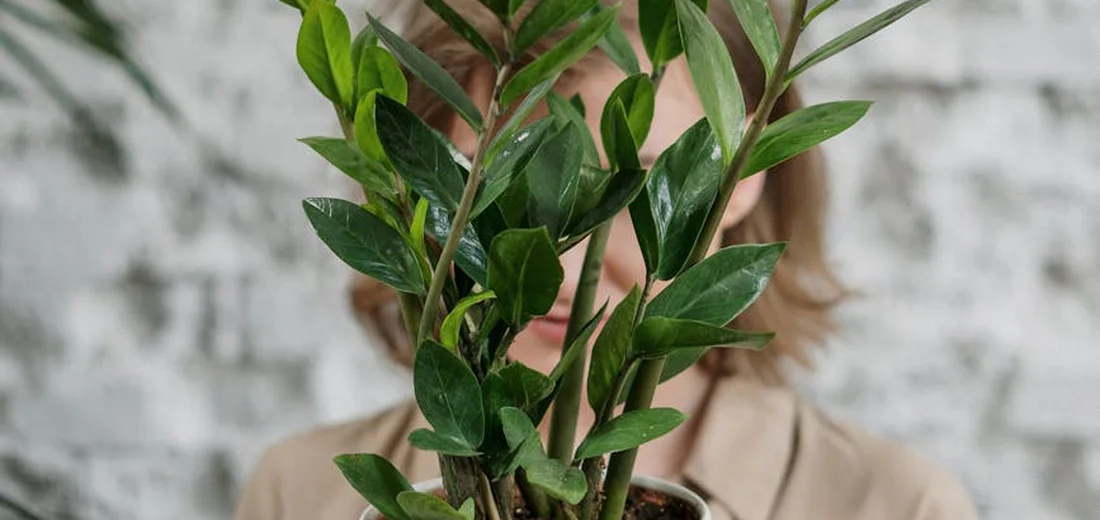
ZZ plants are true champions of the indoor climate, thriving in the same temperatures most people find comfortable. I’ve found they do best in a steady range of 65-85°F (18-29°C), which is pretty much standard for a climate-controlled home. They aren’t fussy, but they definitely have limits. You can find some other indoor plants suited for different climate zones and seasons to complement your ZZ plant care.
I keep a close eye on the thermostat during winter, ensuring it doesn’t dip below 45°F (7°C) for any prolonged period. A brief, chilly draft from an opening door is one thing, but sustained cold near a window can cause damage.
Navigating Seasonal Temperature Shifts
Your home’s environment changes with the seasons, and your ZZ plant will adapt if you help it a little. My main strategy is simply moving plants away from drafty windows in the winter and pulling them back from hot, single-paned windows in the summer. This small adjustment prevents most temperature-related stress.
Watch for these subtle signs your ZZ is feeling the temperature change:
- Yellowing leaves can signal the plant is too cold, especially if paired with wet soil.
- Curling or crispy leaf tips might mean it’s too close to a heat vent or a hot window.
- A general slowdown in growth during winter is normal, but a complete halt could mean it’s just too chilly for its liking.
Finding the Perfect Spot: Combining Light and Temperature
The magic happens when you balance these two factors. A spot with perfect light can be ruined by a bad temperature, and vice versa. I always look for a location that offers bright, indirect light without the thermal extremes that often come with it. Think about the feeling of a warm, sun-dappled spot in a forest-that’s the vibe we’re after.
Your ZZ’s rhizomes (those potato-like roots) store water, so a hot, sunny spot will make it thirsty more often. A cool, dark corner will keep the soil wet for too long. The goal is a stable, middle-ground environment where light and temperature work together, not against each other.
Best Window Orientations for Balanced Light
Over the years, I’ve tested ZZ plants in every window of my house. Here’s my personal ranking from best to trickiest, especially when comparing different types like the Raven ZZ and Classic ZZ plants:
- North-Facing Windows: These are often the goldilocks zone. They provide consistent, gentle light all day with very little risk of scorching or overheating.
- East-Facing Windows: A fantastic choice. Your ZZ gets a few hours of soft morning sun, which is gentle enough not to burn the leaves, followed by bright indirect light for the rest of the day.
- West-Facing Windows: Proceed with caution. The afternoon sun here can be intense. Place your plant a few feet back from the glass or use a sheer curtain as a filter.
- South-Facing Windows: This is the most challenging spot. The light is simply too strong and hot. If a south window is your only option, keep the plant several feet away from the actual window pane to avoid leaf burn.
Problem-Solving Tricky Microclimates
Sometimes, a room that seems perfect has a hidden microclimate that can bother your plant. Here’s how I handle common issues:
- The Dark Corner: If you love a ZZ in a dim spot but worry about light, I rotate it. Every month, I give it a 2-3 week “vacation” in a brighter room to recharge.
- The Heat Vent/AC Unit: These create wildly fluctuating temperatures and dry air. This is the number one cause of crispy tips in my collection, so I always place plants at least three feet away from these air sources.
- The Sun-Trap Window: A window that gets a concentrated beam of sun can act like an oven. A simple, inexpensive sheer curtain diffuses the light and cuts the heat dramatically, saving your plant from a slow cook.
Troubleshooting Common Light and Temperature Issues
Even the tough ZZ plant can send out an SOS with its leaves. I’ve learned to spot these subtle cries for help, and correcting the issue is often simpler than you’d think. The key is to observe what the plant is telling you and then adjust its environment accordingly.
Reviving a Stressed ZZ Plant
If your ZZ plant is looking a bit under the weather, don’t panic. These plants have incredible survival instincts, and with a little targeted care, they almost always bounce back. I’ve rescued many a ZZ from the brink by following these steps. If you’re wondering the best way to prune and maintain ZZ plants, start with clean, sharp shears. Trim back leggy growth and remove yellowing leaves to keep the plant neat and healthy.
Signs Your ZZ Plant Needs Help
Your plant communicates through its foliage. Here are the most common signals I see:
- Yellowing Leaves: This is the classic sign of overwatering, but it’s often tied to light. A ZZ in very low light uses water very slowly, so the soil stays wet for too long and the roots suffer.
- Leggy, Stretched Growth: If the spaces between the leaves on a stem are getting long, your ZZ is literally reaching for more light.
- Brown, Crispy Leaf Tips: This can happen from too much direct sun, essentially a sunburn, or from consistently low humidity.
- Drooping or Wrinkled Stems: This usually means the plant is thirsty, but it can also be a sign of temperature shock if it’s been near a cold draft or a heating vent.
Your Step-by-Step Recovery Plan
Based on my experience, here is the exact process I use to nurse a struggling ZZ back to health.
- Assess the Situation. Look at the symptoms and trace them back to the most likely cause. Check the soil moisture with your finger and think about where the plant has been living.
- Adjust Its Spot Immediately. If it’s sunburned, move it back from the window. If it’s leggy, move it closer to a light source. This single change makes the biggest difference.
- Check the Roots. For yellowing, I gently take the plant out of its pot to inspect the roots. Healthy ZZ roots are firm and white or orange. If they are mushy and brown, you’ve found root rot. Snip off all the rotten parts with clean scissors.
- Repot if Necessary. If you found root rot, repot the plant into fresh, well-draining soil and a pot with a drainage hole. Do not water it right away-let it settle for a week.
- Establish a New Watering Routine. Going forward, water only when the top few inches of soil are completely dry. In its new, better-lit location, it will use water more efficiently.
- Be Patient. A ZZ plant recovers slowly. It may not push out new growth for several months as it focuses on rebuilding its root system. Resist the urge to over-care for it during this time.
Quick tip: If a stem is completely yellow or mushy, it’s best to cut it off at the soil line. This helps the plant focus its energy on the healthy growth.
FAQs
What is the ideal lux level for ZZ plants?
ZZ plants thrive in lux levels between 50 and 400 for low-light areas, but up to 1000 lux encourages healthier growth. Ensuring they have enough light contributes to their growth rate and ultimate size.
Do ZZ plants grow well under artificial light?
Yes, ZZ plants can grow effectively under full-spectrum LED or fluorescent lights if provided for 10-12 hours daily.
What is a common ZZ plant light myth discussed on Reddit?
A frequent misconception on Reddit is that ZZ plants need no light at all, but they require some ambient or artificial light to survive. In the ultimate guide to ZZ plants, we also cover pot size and related repotting tips.
Can ZZ plants tolerate full shade?
ZZ plants can endure full shade for short periods, but prolonged absence of light will lead to leaf loss and decline.
What is the minimum light needed for ZZ plants indoors?
ZZ plants need at least a few hours of indirect light daily to stay healthy, though they can persist with less for a while. If you’re ever unsure about the health of your ZZ plant, check this guide to identify the signs of a healthy ZZ plant.
How do you provide proper lighting for ZZ plants in dark rooms?
Use artificial grow lights placed within a foot of the plant and run them for 12-14 hours each day to compensate for lack of natural light.
Your ZZ Plant Is Ready to Thrive
To keep your ZZ plant happy, just remember it enjoys bright, indirect light but is incredibly tolerant of low light, and it prefers the same comfortable room temperatures you do. Your main jobs are to find a spot away from harsh, direct sun and protect it from cold drafts. That care is part of a ZZ plant care guide covering watering, light, and soil requirements. Water sparingly and let the soil dry between waterings, keep the plant in bright indirect light, and use a well-draining potting mix.
- Light: Bright, indirect is best; low light is fine; direct sun will scorch.
- Temperature: A cozy 65-75°F (18-24°C) is perfect; keep it above 45°F (7°C).
You’ve got this. Armed with this simple guide, you can confidently place your ZZ plant and watch it grow into a lush, beautiful part of your home. This complete introduction to the ZZ plant walks you through care basics, benefits, and quick tips, so you know exactly what to expect. You’ll learn why it’s a resilient, low-maintenance addition to any space. Go find that perfect spot-your resilient green friend is waiting.
Further Reading & Sources
- ZZ Plant 101: How to Care for ZZ Plants | Bloomscape
- ZZ Plant | Home and Garden Education Center
- How to Care for ZZ Plant | Light & Water Needs | easyplant
- ZZ Plant Care – How to Grow Zamioculcas zamifolia – Soltech
Lena Greenfield is a passionate horticulturist and plant care expert with over 10 years of experience cultivating and nurturing hardy house plants. With a deep understanding of both indoor and outdoor gardening, Lena shares practical advice on choosing, caring for, and maintaining resilient plants that flourish year-round. Through her knowledge and hands-on approach, Lena helps plant lovers transform their spaces into vibrant, green sanctuaries, no matter their gardening experience.
Light and Temperature