
When to Move Succulents Outside for Healthy Growth
Published on: March 30, 2026 | Last Updated: March 30, 2026
Written By: Lena Greenfield
You’re probably wondering when it’s finally safe to move your indoor succulents outside, and if you time it wrong, you’re worried you might shock or even kill your favorite plants. I’ve made that mistake myself, and I’ll help you get it right.
In this guide, I’ll share my personal experience and cover the exact timing and temperature ranges, key signs your succulents are ready, and my simple step-by-step process for acclimating them without stress.
Why Your Succulents Will Thrive Outdoors
Moving my succulents outside each spring completely transforms them. Outdoor light is simply richer and more dynamic than anything we can provide on a windowsill. I’ve watched pale, stretched-out echeverias compact down and develop vibrant stress colors you just can’t get indoors.
Beyond the incredible light boost, your plants get a major health upgrade. Superior air circulation dramatically reduces the risk of fungal issues and pests like mealybugs. Indoors, stagnant air is a silent enemy; outside, a gentle breeze strengthens stems and keeps foliage dry.
Rainwater is like a superfood for succulents. It’s naturally soft, slightly acidic, and free of the minerals found in tap water that can build up in the soil over time. My plants always have a fresher, more vibrant look after a good rain shower.
The Perfect Seasonal Timing for Outdoor Moving
Timing is everything with this transition. Get it right, and your plants will reward you with explosive growth. The single most important rule is to wait until all danger of frost has completely passed for your area. One cold night can undo months of care.
I always aim for a period of stable, mild weather. Look for a forecast with consistent nighttime temperatures—this is far more critical than a single warm day. Are there optimal temperature ranges for succulents? Generally, most succulents prefer daytime temps around 70–85°F (21–29°C) with cooler nights, avoiding frost. A gradual introduction over a week or two allows your succulents to acclimate without shock.
Reading the Thermometer: Your Key to Success
Forget the date on the calendar and focus on the actual temperatures. Most common succulents are happiest when nighttime lows are consistently above 50°F (10°C). This is my personal green light signal. Humidity matters too—succulents generally prefer dry air and good air circulation. Keeping temperatures steady with moderate to low humidity helps ensure healthy succulents.
Here’s the temperature guide I follow from my own experience:
- 50-55°F (10-13°C): Safe for hardy succulents like Sempervivum and many Sedum. A good starting point.
- 55-60°F (13-15°C): Ideal for moving the majority of my collection, including Echeveria and Graptopetalum.
- 60°F+ (15°C+): Perfect for more cold-sensitive varieties like some Aloes and tender Euphorbias.
Quick Tip: If a surprise cold snap is forecast after you’ve moved them out, simply bring potted succulents inside for the night or throw a frost cloth over in-ground plantings. It’s an easy insurance policy.
Is Your Climate Ready? A Quick Zone Check
Your USDA Hardiness Zone is a fantastic tool, but it’s a guide, not an absolute rule. I use my zone to understand my average last frost date, which is the real starting pistol for the moving process. You can find yours with a quick online search.
Your local microclimate matters more than you think. A sheltered patio or a south-facing wall can create a pocket that’s significantly warmer than the rest of your yard. This is where I place my most temperature-sensitive plants first.
If you live in a region with very hot summers, your strategy will be different. In desert climates, I provide afternoon shade to prevent sunscald on my succulents during the peak summer heat. These steps are part of care for succulents in heat during hot summer months. Pair shade with mindful watering for best results. Observing how the sun moves across your space is the best preparation you can do.
Your Step-by-Step Guide to Hardening Off Succulents
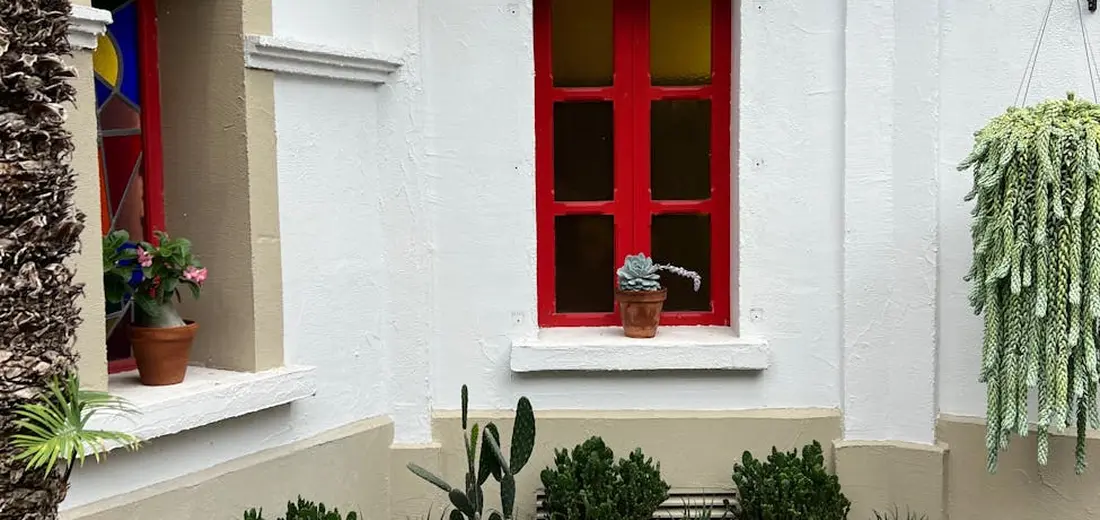
Moving your succulents directly from your living room to the great outdoors is a surefire way to shock them. I learned this the hard way when I scorched a beautiful echeveria by giving it a full day of sun right away. The process of slowly introducing them to outdoor conditions is called “hardening off,” and it’s the single most important step for a successful transition. That same approach shines when you transition succulents between seasons without shock. By easing them through changes in light, temperature, and humidity, you protect color and vitality.
Think of it like building up a tolerance. Your indoor plants have lived a sheltered life with consistent, filtered light. Suddenly exposing them to intense, direct sun is like going from a cozy couch to running a marathon without training.
A Sample 7-Day Acclimation Schedule
This schedule is my go-to method, perfected over several springs. Always check the weather forecast first and avoid starting if heavy rain or a cold snap is predicted.
- Day 1 & 2: Place your succulents in a spot that gets complete, full shade for 2-3 hours. A covered porch or the shadowy side of your house is perfect.
- Day 3 & 4: Move them to a location that gets gentle morning sun for about 2 hours, then return them to shade for the rest of the day.
- Day 5: Give them 3-4 hours of that lovely morning sun. This is where you’ll really start to see them perk up and embrace the light.
- Day 6: Allow for 5-6 hours of sun, which can now include some milder late-afternoon rays. Keep a close eye on the leaves for any discoloration.
- Day 7: If they look strong and happy, you can leave them out for a full day in their intended permanent spot. Quick tip: If any plant seems stressed, just dial back the sun exposure for a couple more days. Patience always pays off.
Throughout this entire week, feel the soil daily. Outdoor conditions, especially wind, can dry pots out faster than you expect.
Choosing the Best Outdoor Spot for Your Plants
Not all outdoor space is created equal for succulents. The ideal spot mimics their natural, arid habitats—think bright light with excellent drainage and good air circulation. In this outdoor succulent care guide for growing succulents in your garden, we’ll cover how to pick spots and prepare soil. You’ll also find simple tips on watering and seasonal care.
I always look for a location that gets a solid 6 hours of sunlight, preferably the gentler morning sun. An east-facing spot is usually a winner. South-facing areas can work, but they often require a little more finesse to prevent scorching during the peak summer heat.
Avoid placing them in low-lying areas where water can pool after a rainstorm, as “wet feet” is the fastest way to lose a succulent to root rot. Elevating pots on feet or a bench helps immensely with drainage and air flow.
Sunburn Prevention is Easier Than You Think
Sunburn on a succulent shows up as bleached, white, or brown crispy patches on the leaves. Once it happens, those marks are permanent, but the plant can usually recover and grow new, undamaged leaves.
The best defense is a good offense: that careful hardening-off process we just covered. If you notice your plants getting a bit too much light, don’t panic. Quick tip: A simple 30% shade cloth draped over a temporary frame can provide instant relief from intense afternoon sun.
You can also use the natural shade from taller plants or a tree with dappled light. I often use my patio furniture or even a taller, sun-hardy plant like a yucca plant to cast a protective shadow over more sensitive succulents during the hottest part of the day.
Adjusting Your Care Routine for the Outdoors
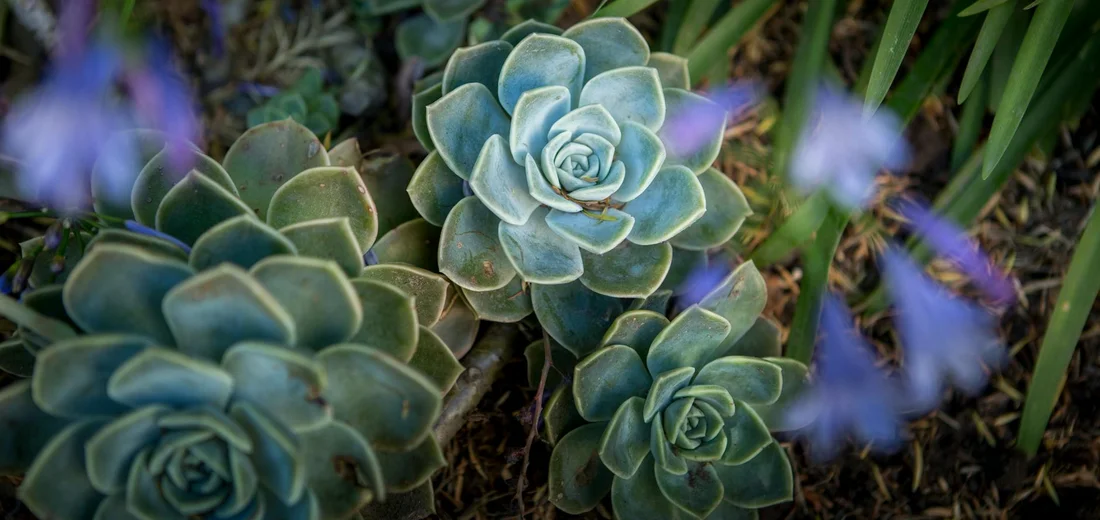
Moving your succulents outside completely changes their world, and your job shifts from a strict scheduler to an observant guardian. The biggest mistake I see is people sticking to the same indoor watering schedule once their plants are outside. Wind and sun will dry out the soil much faster.
I test the soil with my finger every few days. If the top inch is bone dry, it’s time for a deep, thorough watering until it runs out the drainage hole. Always water in the early morning so any splashes on the leaves can dry before the hot sun magnifies them, which can cause sunburn.
Keeping a Watchful Eye for Pests and Disease
Your indoor sanctuary is mostly pest-free, but the great outdoors is a bug buffet. I do a quick pest patrol every time I water. Turn over leaves and look closely in the tight spaces where the leaves meet the stem.
- Aphids: These tiny green or black bugs love new growth. A strong spray of water from the hose usually knocks them off.
- Mealybugs: They look like tiny bits of fluffy cotton. I keep a cotton swab and a small bottle of 70% isopropyl alcohol in my gardening kit to dab them directly.
- Snails and Slugs: They leave a silvery slime trail and chew big holes in leaves. I hand-pick them off at dusk or dawn when they’re most active.
Good air circulation is your best defense against disease. Make sure your succulents aren’t crammed together; give them space to breathe. Light, gentle airflow around your succulents helps evaporate moisture and reduces the risk of fungal infections. Aim for steady but soft movement of air rather than a direct, harsh blast. If you see black or mushy spots on the stem, it’s often a sign of overwatering or a fungal issue, and you should act fast to remove the affected parts.
Navigating the Seasons With Outdoor Succulents
Your outdoor succulent care isn’t a one-time setup; it’s a dance with the seasons. I have a mental calendar that guides my actions from spring to fall. That guide evolves with the calendar, guiding adjustments through winter dormancy into spring growth. It’s a year-round plan that tweaks watering, light, and protection as the seasons shift.
Spring is all about growth. This is when I see the most active development, so I might give my succulents a half-strength dose of a balanced, water-soluble fertilizer just once as they wake up.
Summer requires vigilance. The intense midday sun can still be too harsh, even for acclimated plants. If I notice any leaves turning white or brown and crispy, I scoot the pot to a spot with afternoon shade. This is also when I water most frequently, but I always check the soil first.
Fall is the signal to start preparing for the move back inside. Once nighttime temperatures consistently dip below 50°F (10°C), I begin the transition. I bring them in for the night and put them back out during the day for about a week or two. This reverse-hardening off helps them readjust to lower indoor light levels.
Never leave them out for that first surprise frost. I learned this the hard way one year-a single cold snap turned a beautiful jade plant to mush. It’s better to bring them in a little early than one night too late.
Common Questions
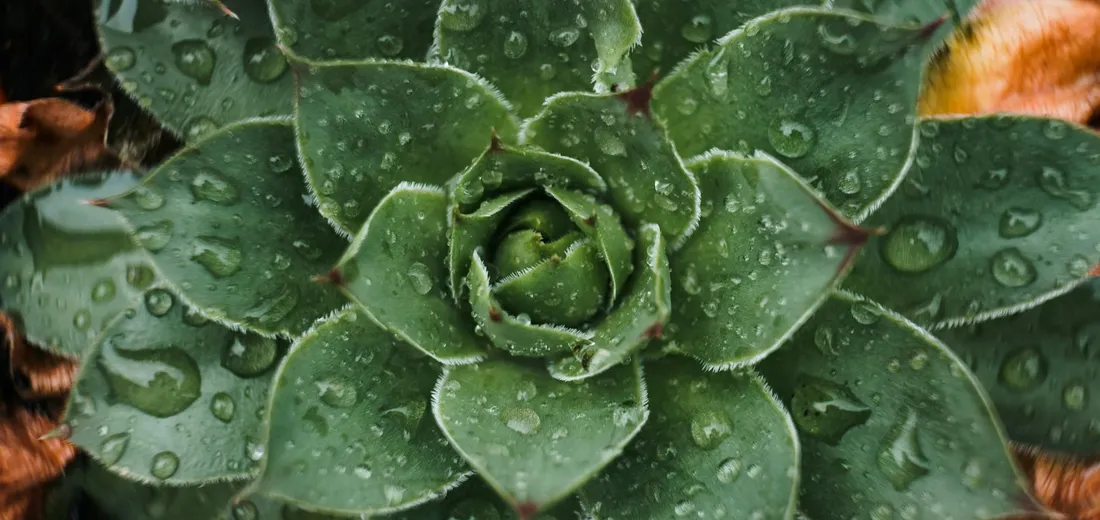
What is the first sign my succulents are ready to go outside?
When nighttime temperatures in your area are consistently above 50°F (10°C), it is a safe initial sign to begin the moving process.
Can I move all my succulents outside at the same time?
No, you should prioritize moving hardy varieties like Sempervivum first and save more cold-sensitive types like some Aloes for when it is consistently warmer.
Do I need to repot my succulents before moving them outdoors?
No, it is generally better to keep them in their familiar pots to avoid compounding the stress of repotting with the stress of the environmental change.
How do I know if the outdoor spot I chose is too sunny?
If you notice bleached white or crispy brown patches on the leaves, your succulent is getting too much direct sun and needs more shade.
When should I start bringing my succulents back inside?
Begin the process of moving them back indoors when nighttime temperatures start to consistently drop below 50°F (10°C) in the fall.
What should I do immediately if my succulent gets sunburned outside?
Move it to a shadier location immediately to prevent further damage, as the sunburned marks are permanent but the plant can often recover with new growth.
Your Succulent’s Outdoor Adventure Awaits
Ultimately, the perfect time to move your succulents outside hinges on waiting for consistently warm temperatures and then gradually introducing them to their new environment. Remember these three simple rules: wait until nighttime temperatures are reliably above 50°F, start them in a shaded spot for a week, and always bring them in before the first fall frost. Understanding cold hardiness helps you decide which plants can stay outdoors through winter and which need protection. Some succulents tolerate frost with proper shielding, while others must be brought inside.
You’ve got this! Trust your instincts, watch how your plants respond, and enjoy watching them thrive in the fresh air and sunshine. Happy growing!
Further Reading & Sources
- Tips for Taking Indoor Succulents Outside for the Summer | Succulents and Sunshine
- Succulent Spring Care: When to Move Them Outside – Succulents Box
- How to Care for Outdoor Succulents
- How to Move Indoor Succulents Outside in Spring: Expert Tips – Happy Succulent Care
Lena Greenfield is a passionate horticulturist and plant care expert with over 10 years of experience cultivating and nurturing hardy house plants. With a deep understanding of both indoor and outdoor gardening, Lena shares practical advice on choosing, caring for, and maintaining resilient plants that flourish year-round. Through her knowledge and hands-on approach, Lena helps plant lovers transform their spaces into vibrant, green sanctuaries, no matter their gardening experience.
Light and Temperature