
Do Snake Plants Release Oxygen at Night? Debunking the Bedroom Plant Myth
Published on: March 16, 2026 | Last Updated: March 16, 2026
Written By: Lena Greenfield
You’ve probably heard that snake plants release oxygen at night, making them ideal for your bedroom. But is this claim actually true, or could relying on it leave you with poor air quality while you sleep?
Drawing from my years of nurturing snake plants in various home environments, I’ll clear up the confusion. We’ll explore how plant respiration works, why snake plants are unique, the origins of the bedroom myth, the real air-purifying benefits, and my hands-on care tips for healthier plants.
How Plant Respiration Really Works
Most people picture plants as these quiet, oxygen-making machines, but the reality is more complex. Plants are living things that, just like us, are constantly breathing. During the day, they perform photosynthesis, using sunlight to convert carbon dioxide and water into food (sugars) and releasing oxygen as a byproduct. This is the process we all learn about in school.
At night, when the sun is gone, the equation flips. Without sunlight to power photosynthesis, plants switch to respiration, a process where they consume oxygen and release carbon dioxide. They do this to break down the sugars they made during the day for energy to grow. So, the common belief that all plants are oxygen factories 24/7 is a bit of a myth.
The Truth About Snake Plants and Nighttime Oxygen
This is where snake plants stand out from the crowd. While they do follow the basic rules of respiration, they have a special trick up their sleeve. Snake plants are among a group of clever plants that use a different method to make their food, allowing them to release oxygen even in the dark. I’ve kept snake plants in my bedroom for years, not just for their looks, but for this unique quality.
You won’t be getting a gust of fresh air, but the gentle, continuous release can contribute to a better sleep environment. Having a plant that isn’t competing with you for oxygen at night is a small but noticeable benefit for air quality.
What is CAM Photosynthesis?
CAM stands for Crassulacean Acid Metabolism. It sounds complicated, but it’s simply a brilliant water-saving adaptation that some desert plants, including snake plants, evolved. Instead of opening their pores during the hot, sunny day and risking water loss, CAM plants open them at night to take in carbon dioxide.
Here’s the simple step-by-step of what happens:
- Nighttime: The plant’s tiny leaf pores (stomata) open. It takes in carbon dioxide and stores it as an acid.
- Daytime: The pores close tight to conserve water. Using the stored sunlight energy, it converts that acid into sugars, releasing oxygen in the process.
This means that a small amount of the oxygen release from the previous day’s sunlight actually happens at night. I think of my snake plant as a little night-shift worker, quietly processing yesterday’s sunlight while I sleep.
Quantifying the Oxygen Output
Let’s be realistic about what one snake plant can actually do for your bedroom air. The amount of oxygen a single snake plant releases at night is very, very small. It’s not enough to significantly raise the oxygen levels in an entire room.
To put it in perspective, the oxygen you’d get from one snake plant is a tiny fraction of what you consume with just one breath. You would need a veritable jungle of snake plants to meaningfully impact the oxygen concentration in a standard bedroom.
So, what’s the real benefit? The value isn’t in oxygen production alone. It’s in the combination of factors:
- Continuous, Low-Level Oxygen: Unlike most plants, it’s not adding to the CO₂ in your room at night.
- Air Purification: NASA’s famous study highlighted the snake plant’s ability to remove toxins like benzene and formaldehyde from the air.
- Psychological Benefits: The simple presence of greenery can reduce stress and promote a sense of calm, aiding sleep.
Enjoy your snake plant as a beautiful, low-maintenance companion that gives a little back, but don’t rely on it as your primary air filtration system. It’s a wonderful bonus, not a medical device. In winter, follow a simple care guide to keep them healthy in the cold months. Provide stable temperatures, brighter indirect light, and water sparingly.
Why the “Bedroom Plant” Myth Persists
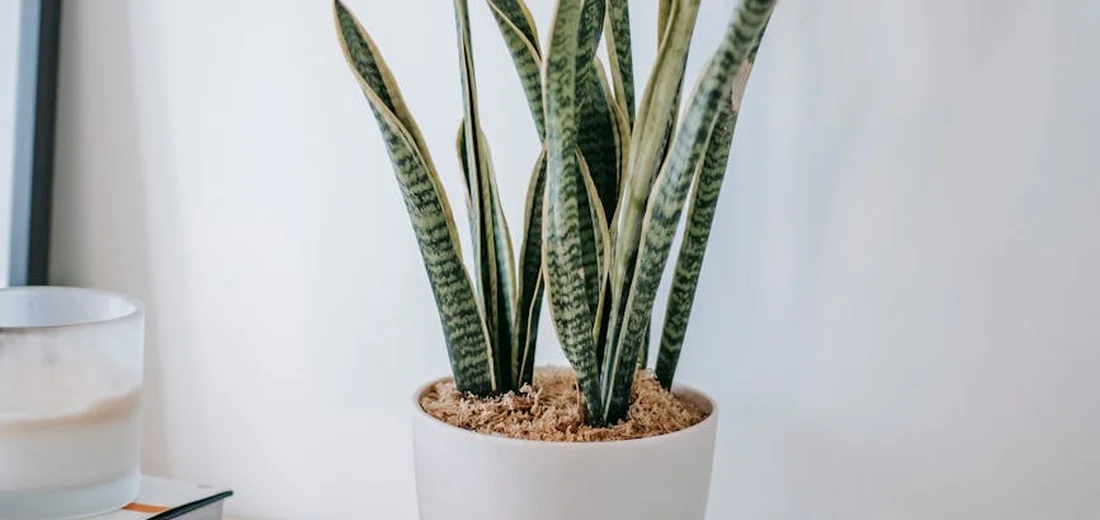
This idea has incredible sticking power, and I see it shared constantly in plant groups. The core of the myth comes from a beautiful oversimplification of how snake plants breathe. They use a process called Crassulacean Acid Metabolism (CAM), which is a fancy term for a clever survival trick.
Most plants open their tiny leaf pores, called stomata, during the day to take in carbon dioxide for photosynthesis. This is when they release oxygen as a byproduct. CAM plants like snake plants, however, keep their stomata shut during the hot, dry day to prevent water loss. They open them at night to collect carbon dioxide, which they store and use for photosynthesis the following day.
Because they are actively “breathing in” at night, it’s easy to assume they are also “breathing out” oxygen at the same time. In reality, the actual release of a significant amount of oxygen still happens later, during the daylight photosynthesis process. The idea of a plant producing a burst of fresh oxygen while you sleep is simply more romantic and shareable than the complex biochemical truth.
The Real Benefits of a Snake Plant in Your Bedroom
Even without being a nocturnal oxygen factory, your snake plant is a fantastic bedroom companion. I keep one on my own nightstand, and the benefits are very real. If you’re curious about how often to water snake plants indoors, our complete guide covers watering schedules, signs of overwatering, and best practices. It helps you keep your plant thriving without fuss.
Superior Air Purification (During the Day)
This is the snake plant’s superstar talent. A famous NASA study identified snake plants as excellent at removing common household toxins like benzene, formaldehyde, trichloroethylene, and xylene from the air. While this purification happens as the plant photosynthesizes during the day, it creates a cumulative cleaner air environment in your bedroom 24/7. Regarding snakes and bugs, there’s no evidence that snake plants attract snakes. They don’t specifically repel pests, but their dry soil habit helps deter some common indoor bugs like fungus gnats. You’re essentially letting it do its deep cleaning while you’re at work or out for the day, and you come home to the benefits.
From my experience, rooms with several snake plants just feel fresher. They aren’t dramatically altering the oxygen levels at 2 AM, but they are consistently scrubbing the air of invisible pollutants that off-gas from furniture, carpets, and cleaning products.
- Targets Toxins: It’s particularly good at absorbing formaldehyde, which is common in cosmetic products and glued wood furniture-items often found in bedrooms.
- Works for You: It purifies air passively while you use the room during the day and continues to improve the overall air quality you breathe at night.
- Low Maintenance: Its hardy nature means it won’t drop pollen or leaves that could irritate allergies, making it a safe, clean choice for a sleep space.
Quick Tip: For the best air-purifying effect, keep the leaves dust-free by wiping them with a damp cloth every few weeks. A clean leaf is a more efficient leaf. For the best method, use a gentle damp cloth or a light rinse under lukewarm water. Avoid soaps or oils, which can leave residue and clog stomata.
My Best Practices for Thriving Indoor Snake Plants
Over the years, I’ve killed my fair share of plants, but snake plants taught me the beauty of resilience. My biggest lesson was that a thriving snake plant is a low-oxygen-producing plant, so getting the basics right is how you ensure it’s working hard for you day and night. Let’s get into the nitty-gritty of care. If you’re after faster growth, here are proven tips and techniques that help snake plants thrive. We’ll cover lighting, watering, and soil to maximize growth.
Perfecting Your Watering Routine
I learned this the hard way after losing a beautiful Laurentii to root rot. Snake plants are succulents, storing water in their leaves, so they crave neglect far more than attention from your watering can. Care for different snake plant types by tuning light, water, and soil to their needs. Some varieties tolerate bright indirect light better, others prefer lower light with well-draining soil. Here’s the routine that has never failed me.
- Check the soil moisture by sticking your finger two inches deep. If it’s dry, it’s time to water. If it’s damp, walk away.
- Water thoroughly until it runs out of the drainage holes. This encourages deep root growth.
- Empty the saucer or cache pot after 15 minutes. No plant likes wet feet, especially this one.
- Wait until the soil is completely dry again. In winter, this could mean watering only once a month.
A fantastic trick I use is paying attention to the leaves themselves. If the thick leaves feel a bit soft or look slightly wrinkled, that’s your plant’s way of whispering it’s thirsty. This sensory check is often more reliable than any moisture meter.
Ideal Light and Placement Tips
One of the best things about snake plants is their incredible adaptability to light. While they tolerate low light, placing them in bright, indirect light supercharges their growth and, consequently, their air-purifying power. I’ve experimented with placement all over my home. (Learn more about their specific light needs here).
- Bright, Indirect Light Champion: A spot a few feet back from an east or west-facing window is the sweet spot. The leaves will grow faster and show more vibrant coloration.
- Low Light Survivor: They truly will survive in a north-facing room or a corporate office corner. Growth will be much slower, but the plant will persist.
- Direct Sun Caution: A few hours of gentle morning sun is okay, but harsh afternoon sun can scorch and bleach the beautiful patterns on the leaves.
Quick tip: Rotate your plant a quarter turn every time you water it to ensure it grows straight and doesn’t lean desperately toward the light. I keep one in my bedroom on a dresser away from the window, and it’s been happily pumping out oxygen for years with just the ambient light from the doorway.
FAQs
What did NASA’s study reveal about snake plants and oxygen?
NASA’s study highlighted snake plants for removing toxins like formaldehyde from the air, not for significantly increasing oxygen levels.
How does snake plant oxygen production work?
Snake plants use CAM photosynthesis to release a small amount of oxygen at night by processing stored carbon dioxide from the previous day.
Is the snake plant oxygen myth accurate?
The myth is an oversimplification, as snake plants do release some oxygen at night, but not enough to noticeably improve bedroom air quality.
What are the benefits of snake plants for oxygen?
Snake plants provide continuous, low-level oxygen at night and purify air by removing harmful toxins during the day. They also benefit from proper drainage—using a pot with drainage holes helps prevent overwatering and root rot.
Do snake plants release oxygen at night?
Yes, snake plants release a minimal amount of oxygen at night due to their CAM photosynthesis process.
What do Reddit users commonly discuss about snake plants and oxygen?
Reddit users often debate the effectiveness of snake plants for increasing oxygen and share personal experiences about their air-purifying benefits.
Your Bedroom Plant Companion
While snake plants do release some oxygen at night, the amount is too small to significantly improve your sleep, so the best reason to keep one in your bedroom is for its easy-care nature and reliable air-purifying qualities during the day. Are snake plants good indoor houseplants? They are—tolerant of low light and infrequent watering, making them excellent indoor companions. Here’s what you should remember:
- They are fantastic, low-maintenance plants that thrive on neglect.
- They help clean the air of common household toxins.
- They add a beautiful, sculptural element to any room’s decor.
Don’t overthink the science-simply enjoy your resilient snake plant for the gorgeous, forgiving companion it is. Go give your plant a little check-up, and care for it with the confidence that you’re already doing a great job. This is the complete indoor snake plant care guide, covering placement and ongoing maintenance to help it thrive. Learn the best spots for light and simple routines to keep it healthy year-round.
Further Reading & Sources
- What is the proof that the snake plant releases oxygen even at night? – Quora
- Snake Plant: Benefits, Types, Cautions, and How to Grow
- The Snake Plant and Sleep: Boosting Oxygen in the Bedroom | Sleepopolis
- Boost Your Bedroom’s Oxygen Levels at Night with the Following Houseplants
Lena Greenfield is a passionate horticulturist and plant care expert with over 10 years of experience cultivating and nurturing hardy house plants. With a deep understanding of both indoor and outdoor gardening, Lena shares practical advice on choosing, caring for, and maintaining resilient plants that flourish year-round. Through her knowledge and hands-on approach, Lena helps plant lovers transform their spaces into vibrant, green sanctuaries, no matter their gardening experience.
Light and Temperature