
Organic vs. Synthetic Fertilizers: Which is Better for Houseplants?
You’re standing in the garden center, holding two different fertilizer bottles and wondering which one won’t accidentally harm your favorite houseplant. I’ve been there too, and after years of testing both types on my own collection, I can give you the real-world breakdown.
In this guide, I’ll walk you through my personal experience to help you decide. We’ll cover plant safety, cost, how they work in the soil, and the final results you can expect to see on your leaves.
What Your Houseplants Really Eat: A Plant Nutrition Primer
Think of plant food like a balanced meal. Your plants need a mix of macronutrients and micronutrients to truly thrive, not just survive. The big three, the NPK you see on fertilizer bags, are Nitrogen (N) for lush, green leaves, Phosphorus (P) for strong roots and flowers, and Potassium (K) for overall plant health and disease resistance.
But that’s just the start of the story. My succulents taught me that micronutrients like iron, manganese, and zinc are just as vital, even though they’re needed in tiny amounts. A deficiency in one of these can cause yellowing leaves or stunted growth, even when you’re feeding regularly. So, do micronutrient deficiencies affect plant health? Yes—deficiencies can show up as pale color, slower growth, and less resilience to stress.
Plants absorb these nutrients through their roots in a water solution. It’s like they’re drinking a nutrient smoothie. This is the fundamental difference in how organic and synthetic fertilizers work. Synthetics dissolve quickly into that smoothie, while organics need to be broken down first.
The Organic Route: Feeding Your Plants and Your Soil
I switched to organic fertilizers for most of my collection after seeing the long-term difference. Organic fertilizers don’t just feed your plant; they feed the entire soil ecosystem. They are made from natural materials like bone meal, kelp, worm castings, or compost.
These materials release nutrients slowly as soil microbes break them down. This creates a living, healthy soil that mimics what plants would find in nature. I’ve noticed my plants are more resilient to the occasional missed watering when they’re in organically-rich soil.
- Builds healthier soil over time by encouraging beneficial microbes and improving soil structure.
- Provides a slow, steady nutrient release that’s less likely to cause fertilizer burn.
- Often made from renewable resources, making it a more sustainable choice.
- Adds organic matter to the soil, which helps with water retention and aeration.
Quick Tip: Mix a handful of worm castings into your potting soil when repotting for a gentle, long-lasting nutrient boost.
Potential Pitfalls of Going Organic
As much as I love them, organic fertilizers aren’t perfect for every situation. You have to be patient. The biggest drawback is the slow release of nutrients; your hungry plant won’t get an instant fix. If a plant is severely deficient, a synthetic option might be the better first step to nurse it back to health.
The smell can also be a factor, especially with options like fish emulsion. It’s a potent, earthy smell that dissipates, but it’s not for the faint of heart or for use in small, enclosed spaces.
- Nutrient ratios can be less precise and more variable than synthetic blends.
- They can be more expensive upfront and sometimes harder to find.
- In some cases, they can attract fungus gnats if the topsoil stays too moist from organic matter.
I learned this lesson with a fiddle leaf fig that was looking pale. An organic fertilizer was too slow to correct the issue, so I used a half-strength liquid synthetic to give it a quick green-up before switching back to my organic routine.
The Synthetic Path: Fast-Acting and Precise Plant Nutrition
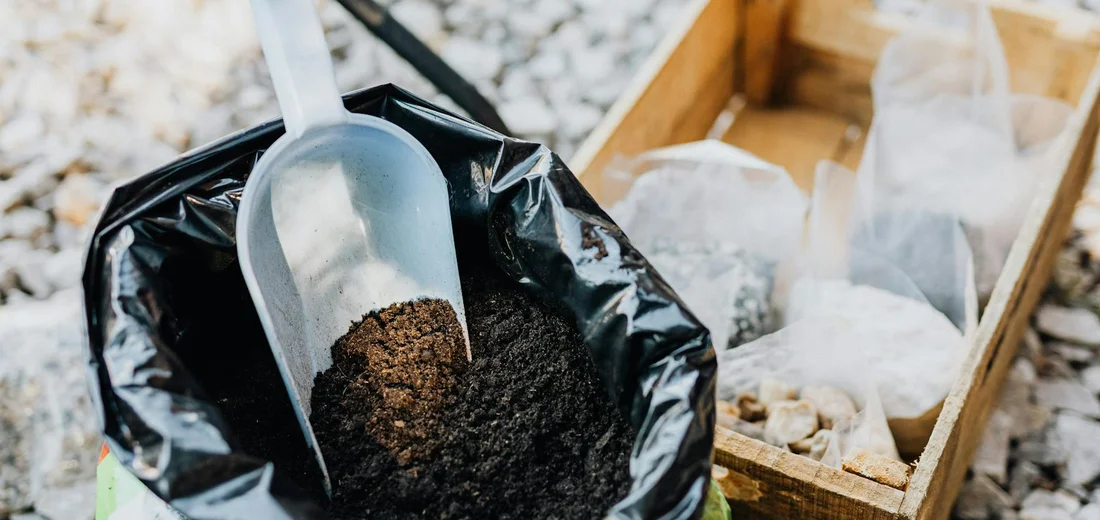
When you see a houseplant looking pale or stunted, it’s tempting to reach for a quick fix. I’ve used synthetic fertilizers for years to give my plants a rapid green-up, especially when I’m preparing them for a show or sale. These formulas deliver nutrients in a form plants can absorb almost immediately, like an intravenous drip of vitamins.
You get precise control over the NPK ratio, which is fantastic for tailoring food to specific plant needs. A high-nitrogen blend can push out lush, green foliage on a fiddle leaf fig, while a bloom booster can encourage flowers on your orchid.
Understanding the Risks of Synthetic Fertilizers
The speed and power of synthetic plant food come with significant responsibility. The biggest risk I’ve encountered is the potential for fertilizer burn, which can scorch roots and leaves if you’re even slightly heavy-handed with the measuring spoon. It’s a harsh lesson to learn from a crispy-brown plant.
Over time, these salts can build up in your potting soil, creating a toxic environment that actually prevents your plant from absorbing water properly. I always see this with my peace lilies; the tips of the leaves turn brown when salt accumulation gets too high.
- Salt Buildup: Accumulates in soil, harming root health and blocking moisture uptake.
- Root Burn: High concentration of chemicals can damage or kill delicate root systems.
- Environmental Impact: Production is energy-intensive and runoff can pollute waterways.
- No Soil Improvement: Feeds the plant directly but does nothing to improve long-term soil structure or microbial life.
Unlike organic options, synthetics don’t feed the living ecosystem within your pot. You’re essentially giving your plant a processed meal instead of cultivating a rich, self-sustaining garden soil in its container.
Head-to-Head: Comparing Fertilizers for Your Home Jungle
Let’s put them side-by-side so you can see the clear trade-offs. I like to think of it as choosing between a home-cooked meal and a protein shake-both have their time and place.
| Feature | Organic Fertilizer | Synthetic Fertilizer |
|---|---|---|
| Nutrient Release | Slow & steady, over weeks or months | Immediate, within days |
| Soil Health | Improves structure & microbiome | No benefit; can cause salt buildup |
| Risk of Burn | Very low | High if misapplied |
| Ease of Use | Mix into soil; harder to overdo | Requires precise dilution |
| Cost Over Time | Often more affordable long-term | Seems cheap but requires frequent reapplication |
For a quick visual scan: organics are the long-game champions for soil and plant health, while synthetics are your emergency responders for a nutrient deficiency.
Making the Choice: Which Fertilizer is Safer for Your Plant?
If your primary concern is safety and building a resilient plant, organic fertilizers are almost always the better choice. I recommend organic options for nearly all my houseplants, especially for beginners who are nervous about accidentally harming their green friends. When you start fertilizing, the best NPK ratio for most houseplants is a gentle, balanced mix applied as a dilute solution. This keeps growth steady while avoiding nutrient burn. The margin for error is so much wider.
Reserve synthetic fertilizers for specific, urgent situations. I might use a diluted synthetic blend on a rapidly growing pothos in the peak of summer, but I’d immediately flush the soil a month later to prevent salt accumulation.
Consider your plant’s personality. Succulents and other slow-growers are much happier with a gentle, organic feeding schedule, while a heavy-feeding monstera might appreciate the occasional synthetic boost during its growth spurt. To truly thrive, succulents also need bright light and well-draining soil. With minimal but consistent care, they can maintain compact, healthy growth.
- For Seedlings & Delicate Plants: Always use a weak, organic fertilizer to avoid shocking their developing systems.
- For Established, Fast-Growing Plants: You can experiment with a hybrid approach, using organic as a base and synthetic as a occasional supplement.
- If You’ve Overwatered: Avoid fertilizer entirely until the plant recovers, as stressed roots cannot absorb nutrients and are susceptible to burn.
Your watering habits also play a role. If you’re someone who sometimes forgets to water, organic fertilizers are far safer as they won’t concentrate into a harmful sludge in drying soil.
Tailoring Your Fertilizer Strategy: Succulents vs. Foliage Plants
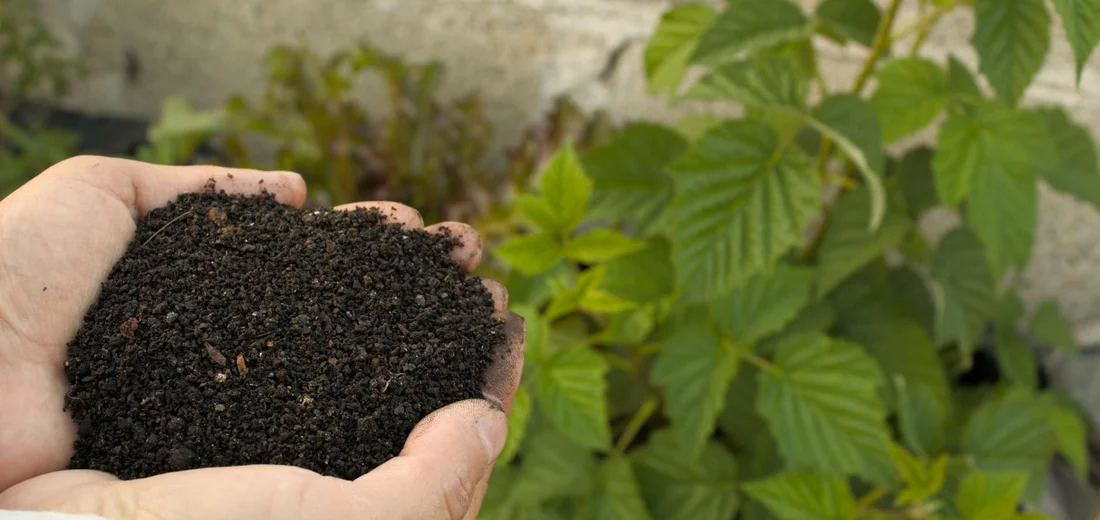
I learned the hard way that you can’t feed a cactus like you feed a Monstera. Treating all your plants the same is a fast track to a fertilizer fiasco. Their needs are as different as their appearances.
The Low-and-Slow Succulent Diet
Succulents and cacti are the camels of the plant world, adapted to survive in nutrient-poor soils. I used to think my jade plant was looking pale because it was hungry, so I gave it a full-strength dose of fertilizer. The result was a sad, leggy plant with burned roots. Over-fertilizing a succulent forces rapid, weak growth that can’t support itself. Leggy growth is usually a sign of too little light. To fix it, give the plant bright, indirect light and prune back the stretched stems; then resume slow, mindful watering and avoid over-fertilizing.
- Frequency is Key: I only fertilize my succulents 2-3 times per year, exclusively during their active growing season in spring and summer.
- Strength Matters: I always use a fertilizer diluted to half or even a quarter of the recommended strength on the bottle.
- Formula Choice: Look for a balanced, low-nitrogen formula or one specifically labeled for cacti and succulents to support sturdy growth.
The Hearty Appetite of Foliage Plants
Your leafy friends like Pothos, Philodendrons, and Fiddle Leaf Figs are the growing teenagers of your indoor jungle. They use a lot of energy pushing out those big, beautiful new leaves and need consistent nutritional support. I keep my foliage plants on a regular feeding schedule during their prime growing months.
- Growing Season Feast: I feed my actively growing foliage plants with a diluted liquid fertilizer every 2-4 weeks from spring through early fall.
- Winter Fasting: I stop fertilizing almost entirely in the winter when light levels drop and growth naturally slows.
- Formula Focus: A fertilizer with a slightly higher nitrogen ratio (the first number on the package, like 3-1-2) is great for encouraging lush, green leaves.
How to Apply Fertilizer Correctly and Avoid Common Disasters
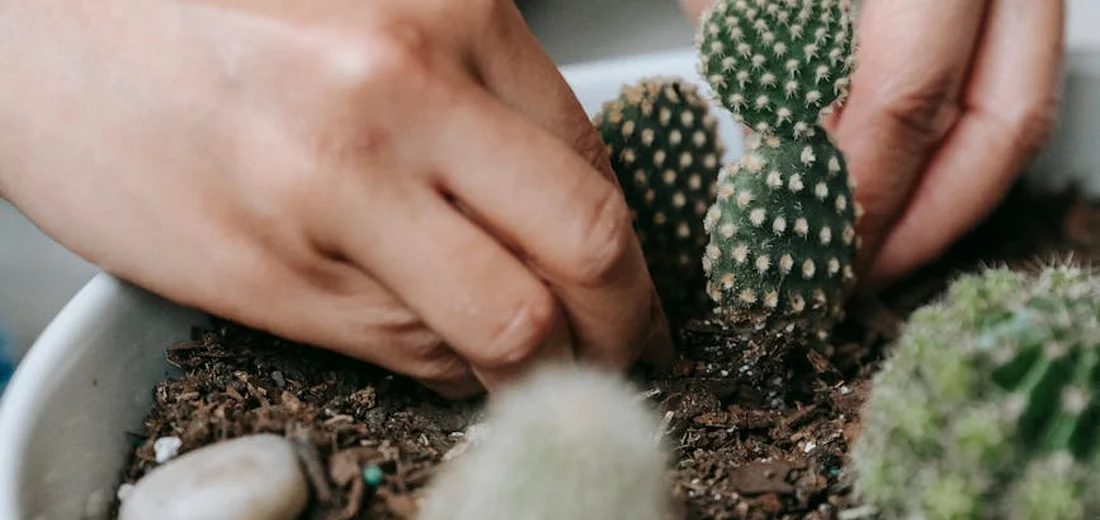
Applying fertilizer isn’t just about pouring it in. Proper technique is what separates a thriving plant from a scorched one. Follow these steps to feed your plants safely.
-
Step 1: Determine the right fertilizer frequency for your specific plant. Don’t guess! A quick online search for “[Your Plant Name] fertilizer schedule” will save you from over or under-feeding. I keep a simple note on my phone with each plant’s feeding needs.
-
Step 2: Always water your plant before applying fertilizer. This is my golden rule. Applying fertilizer to dry soil can shock the roots and cause chemical burns. Water thoroughly a day or so before you plan to fertilize to ensure the roots are hydrated and ready to absorb nutrients safely.
-
Step 3: Dilute liquid fertilizers to half or quarter strength to prevent overfertilization. Bottle instructions are designed for outdoor plants in full sun. For indoor plants, less is always more. I mix my liquid fertilizer in a watering can at half-strength as a standard practice, and I go even weaker for my succulents and sensitive plants, especially when fertilizing succulents.
-
Step 4: Apply evenly and avoid direct contact with stems and leaves. Pour the diluted fertilizer mixture slowly onto the soil, moving around the pot to distribute it evenly. Be careful to keep it off the plant’s stem and leaves, as this can cause rot or spots. If you do get some on the foliage, just wipe it off with a damp cloth.
Quick Tip: If you see a white crust on the soil surface or your plant’s leaves are turning brown at the tips, you might be over-fertilizing. These are signs you should adjust your fertilizing routine. Flush the soil with plenty of clean water to wash away excess salts.
The Long-Term View: Soil Health and Environmental Impact

I’ve seen it in my own collection: a plant that gets fed synthetic fertilizer can look amazing for months, then suddenly crash for no apparent reason. The real story often isn’t about the leaves you see, but the soil and roots you don’t.
How Organic Fertilizers Build Your Soil
Think of organic fertilizers like a slow, home-cooked meal for your plant’s entire ecosystem. When I mix worm castings or compost into my potting soil, I’m not just feeding the plant. I’m inviting billions of beneficial microbes and fungi to move in.
- They create a living, breathing soil web that naturally protects roots from disease.
- They improve soil structure over time, preventing it from becoming hard and compacted.
- They release nutrients slowly and in sync with your plant’s natural growth cycles.
A pot with healthy, living soil is more forgiving if you miss a watering or two. The organic matter acts like a tiny sponge, holding onto moisture and making it available to the roots. When you choose soil for indoor plants, pick a well-draining mix and pre-moisten it before potting. Properly prepared soil gives indoor plants the best start.
The Synthetic Fertilizer Cycle: A Quick Fix
Synthetic fertilizers are like an energy drink for your plants. They deliver nutrients directly and immediately, which is great for a quick boost. But this comes with long-term costs for your soil.
- Soluble salts from the fertilizer build up in the potting mix over time.
- This high salt concentration can actually draw moisture *out* of the plant’s roots.
- The soil becomes a sterile, inert medium rather than a thriving ecosystem.
I learned this the hard way with a fiddle leaf fig. It grew fast with synthetic food, but the soil became so salty and crusty that I had to do a complete emergency repot. You can often see a white, crusty residue on the soil surface or pot rim-that’s the salt buildup.
Beyond Your Windowsill: The Ripple Effect
Our choices as houseplant parents extend beyond our living rooms. The production of synthetic fertilizers is an energy-intensive process that relies heavily on fossil fuels.
- Runoff from these fertilizers can contribute to algal blooms in waterways, a problem often associated with farm fields, but it starts with the same manufacturing process.
- Organic options like compost and kelp meal are often byproducts, making use of materials that would otherwise be waste.
Choosing organic feeds your plant and supports a more circular, less wasteful system. Every time I mix my own potting soil with compost, I feel good knowing I’m reducing my little footprint.
A Quick Tip for Transitioning
If you’ve been using synthetic fertilizers, don’t panic and switch cold turkey. Start by mixing a small amount of worm castings into the top layer of soil during your next watering. This gently introduces the good guys back into the environment.
Common Questions
What is the main difference between organic and synthetic fertilizer?
Organic fertilizers feed the soil ecosystem for slow nutrient release, while synthetic fertilizers feed the plant directly for a fast nutrient boost. In our best fertilizer succulents complete guide, we’ll compare these options and recommend ideal formulas for different succulents. We’ll also cover timing, ratios, and common feeding mistakes to avoid.
What do Reddit gardening communities typically say about organic vs. synthetic fertilizer?
Many Reddit users advocate for organic options for long-term soil health but acknowledge synthetics are useful for quickly correcting deficiencies.
What is the biggest advantage of synthetic fertilizer?
Its primary advantage is providing an immediate, precise nutrient solution that plants can absorb almost instantly.
Is organic or synthetic fertilizer more cost-effective for houseplants?
While the upfront cost of organic can be higher, it is often more affordable long-term as it improves soil and requires less frequent reapplication.
Can I use the same fertilizer for my indoor vegetables as for my decorative houseplants?
Yes, the same principles apply, though you may choose a different NPK ratio to encourage vegetable fruit production over just leafy growth.
Why are some synthetic fertilizers cheaper than organic ones?
Synthetic fertilizers are less expensive to manufacture in bulk, making them cheaper upfront but potentially more costly over time due to the need for frequent use.
Your Plant’s Next Meal
Ultimately, I’ve found that organic fertilizers are the superior choice for building resilient, long-term houseplant health, especially for sensitive succulents. For a quick recap: choose organics for steady, soil-building nutrition; reserve synthetics for a rapid, targeted green-up; and always dilute any fertilizer to half-strength to protect delicate roots. Organic fertilizers work hand-in-hand with organic soil components for succulents to create an ideal growing environment.
Trust your instincts and what you’ve learned here-you have everything you need to make a great choice for your leafy friends. Go give your plants a wonderful, nourishing meal and watch them thrive under your care.
Further Reading & Sources
- Comparison of Organic and Synthetic Fertilizers for Plant …
- Organic Vs. Synthetic Fertilizer: Pros, Cons, And Which To Use
- Organic vs Synthetic Fertilizers in Gardening
- Organic vs. Synthetic Fertilizers | Which Is Best? | Lazy Dog Farm
Lena Greenfield is a passionate horticulturist and plant care expert with over 10 years of experience cultivating and nurturing hardy house plants. With a deep understanding of both indoor and outdoor gardening, Lena shares practical advice on choosing, caring for, and maintaining resilient plants that flourish year-round. Through her knowledge and hands-on approach, Lena helps plant lovers transform their spaces into vibrant, green sanctuaries, no matter their gardening experience.
Fertilization