
Do Succulents Need Fertilizer? (The Essential Guide)
Do succulents need fertilizer? Yes, but the key is knowing when and how to feed them without causing harm.
Many gardeners worry about over-fertilizing and accidentally burning their plants, which is a common concern I’ve helped countless friends avoid through my own succulent care journey.
Drawing from my years of hands-on experience, I’ll walk you through when to fertilize, what type works best, and simple steps to apply it safely so you can keep your succulents thriving and vibrant.
The Real Scoop on Succulent Nutrient Needs
Think of your succulent’s native home: a rocky desert cliffside or a windswept coastal plain. The soil there isn’t rich and loamy like a vegetable garden; it’s lean, gritty, and nutrient-poor. I learned this the hard way after nearly killing a beautiful echeveria by treating it like my tropical houseplants.
Succulents are survival experts, adapted to thrive on very little. Are succulents fast- or slow-growing plants? In most cases, they’re slow growers, which aligns with their reputation for not needing frequent care. Their slow growth habit means they simply don’t require a constant stream of nutrients. Fertilizing them is less about regular feeding and more about providing a gentle, occasional nutrient boost to support their natural cycles. It’s the difference between a constant drip of an IV and a wholesome, occasional meal.
How Their Needs Differ from Other Houseplants
I used the same all-purpose fertilizer on everything when I first started. My pothos and philodendrons loved it, but my succulents became leggy and soft. Here’s the key distinction: In the best fertilizer succulents complete guide, you’ll learn which formulations keep succulents compact and thriving. It explains what to look for and how to apply it for best results.
- Nutrient Strength: Most common houseplants prefer a balanced, regular diet. Succulents need a much weaker, diluted formula applied infrequently.
- Growth Speed: Fast-growing plants use up soil nutrients quickly. Slow-growing succulents do not.
- Root Sensitivity: Succulent roots are highly susceptible to fertilizer burn, whereas many tropical plants have more resilient root systems.
Your goal isn’t to force rapid growth but to gently supplement the sparse nutrients in their potting mix. A happy, healthy succulent is a compact one, not a stretched-out one searching for light and food. Keep them on a light, steady schedule to stay compact. With balanced light and careful feeding, they stay healthy and compact.
Unlocking the Benefits and Risks of Fertilizing
When done correctly, a little fertilizer can work wonders. I see it every spring when I give my collection their first seasonal feed. The benefits are subtle but meaningful.
The Good: What Proper Fertilizing Achieves
- Vibrant Colors: Certain succulents, like many sedums and echeverias, will display more intense reds, purples, and oranges when slightly nutrient-stressed, but a light feed can enhance the depth of these colors without washing them out.
- Stronger Growth Cycles: It supports the production of new leaves and, excitingly, offsets (baby plants). My aloes and haworthias always produce more pups after a feeding.
- Enhanced Flowering: If you have a flowering variety, a mild fertilizer can encourage more robust and longer-lasting blooms.
- Overall Plant Vigor: A gently fed plant is often better equipped to handle minor stressors like repotting or seasonal changes.
A light feeding in the growing season is like a vitamin boost that helps your plant look its absolute best. You’re not trying to change its nature, just support it.
The Bad: The Consequences of Getting It Wrong
This is the part I wish I’d known earlier. Over-fertilizing is far more dangerous than under-fertilizing for these plants.
- Root Burn: Salts in fertilizer can literally scorch the delicate roots, preventing water uptake and leading to a sudden, mushy collapse. I’ve lost a jade plant this way.
- Weak, Leggy Growth: Too much nitrogen forces rapid, soft growth. The plant stretches out, becoming pale and unstable, losing its classic compact form.
- Soil Toxicity: A buildup of fertilizer salts in the soil can create a toxic environment, harming the plant’s root system and the beneficial soil microbes.
When in doubt, skip the fertilizer. A succulent can live happily for years in fresh potting soil without any added feed. It’s always safer to err on the side of too little. Succulents don’t require much to survive.
Your Succulent’s Feeding Schedule: When and How Often
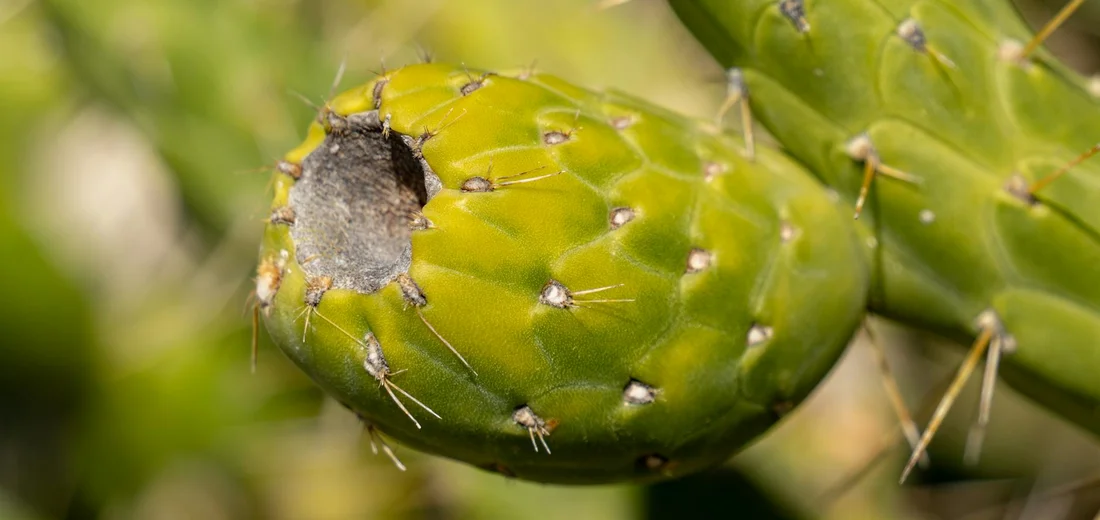
Think of fertilizing like giving your plant a vitamin boost, not a full meal. I’ve found that a “less is more” approach prevents damage and encourages steady, healthy growth. Over-fertilizing is the number one mistake I see, and it can cause weak, leggy growth or even burn the roots.
Seasonal Feeding Cues for Indoor and Outdoor Plants
Your succulent’s appetite changes with the seasons, just like ours. Paying attention to light and temperature tells you exactly when to feed.
- Spring & Summer (The Growing Season): This is prime time. I start feeding my indoor collection in early spring when I notice the days getting longer and new little leaves forming. A light feeding once a month is perfect.
- Fall & Winter (The Dormant Season): Most succulents are taking a long nap. Stop all fertilizing during this period to let your plant rest naturally. They aren’t growing much, so extra nutrients just sit in the soil and can cause harm.
- Outdoor Succulents: They follow the same seasonal rules but can be even more sensitive. I begin feeding my outdoor potted succulents after the last frost has passed and halt feeding about a month before the first expected frost in fall.
Choosing the Best Fertilizer for Your Succulents
Walking down the fertilizer aisle can be overwhelming. You don’t need a fancy, expensive product-you just need the right balance for slow-growing plants. I’ve tried dozens of types over the years, and a simple, well-balanced fertilizer always wins.
Demystifying NPK: What Those Numbers Mean for Your Plant
Those three numbers on every fertilizer package (like 5-5-5 or 10-10-10) are the N-P-K ratio. It’s simpler than it looks.
- N is for Nitrogen: This promotes green, leafy growth. Too much nitrogen can make your succulents grow too fast and become soft and stretched out.
- P is for Phosphorus: This supports strong root development and helps with flowering. It’s crucial for establishing new plants.
- K is for Potassium: This is for overall plant health, helping with disease resistance and water regulation.
For most succulents, I look for a balanced, low-dose fertilizer. A ratio like 5-5-5 or one labeled specifically for cacti and succulents (often a 2-7-7 or similar) works beautifully. It’s important to know when and how to fertilize succulents for maximum growth.
Organic vs. Synthetic Fertilizer: A Simple Breakdown
Both types can work, but they feed your plants in different ways. I use both in my collection depending on the situation.
- Organic Fertilizer (Worm Castings, Compost Tea, Fish Emulsion): This is like serving a home-cooked meal. It improves soil health over time and releases nutrients slowly. I mix worm castings into my soil when repotting for a gentle, long-term nutrient source. The smell of fish emulsion can be strong for indoors, so I use it sparingly on my outdoor plants.
- Synthetic Fertilizer (Liquid or Water-Soluble Powder): This is the fast-acting vitamin shot. It gives plants immediate access to nutrients. I always dilute a liquid synthetic fertilizer to half or even a quarter of the recommended strength to avoid shocking my succulents. This method gives me precise control, especially during the active growing season.
My Step-by-Step Guide to Fertilizing Succulents Safely
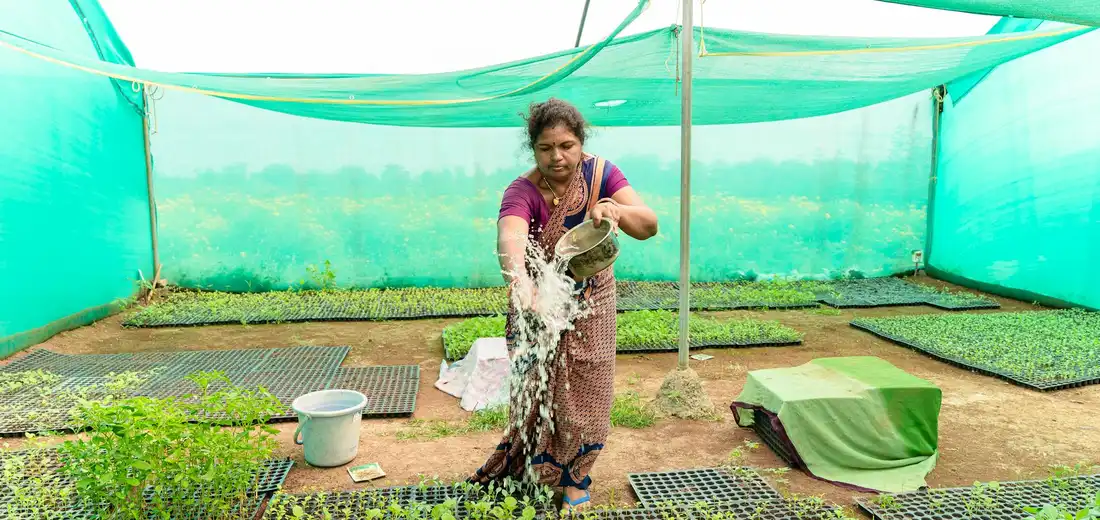
Mixing the Perfect Diluted Solution
I’ve learned through trial and error that getting the dilution right is the single most important step for happy, healthy succulents. Think of fertilizer like a strong spice-a little enhances the dish, but too much ruins it completely.
Here is my no-fail method for mixing a safe, gentle fertilizer solution every single time.
- Start with a balanced, water-soluble fertilizer. I always look for one labeled for cacti and succulents or a general-purpose one with low nitrogen.
- Fill your watering can with the amount of water you plan to use. I use room-temperature water to avoid shocking the roots.
- Check the package instructions for the recommended mixing ratio for standard houseplants.
- Now, cut that amount in half. If it says one teaspoon per gallon, I use half a teaspoon.
- For extra-sensitive succulents or plants in lower light, I dilute it even further to one-quarter strength.
- Stir the solution vigorously until the fertilizer granules are completely dissolved.
Your final mixture should look like weakly brewed tea. This gentle approach provides nutrients without the risk of chemical burn that can come from full-strength formulas. I always apply this diluted solution to soil that is already slightly moist, never to bone-dry dirt.
Reading the Leaves: Signs of Nutrient Problems
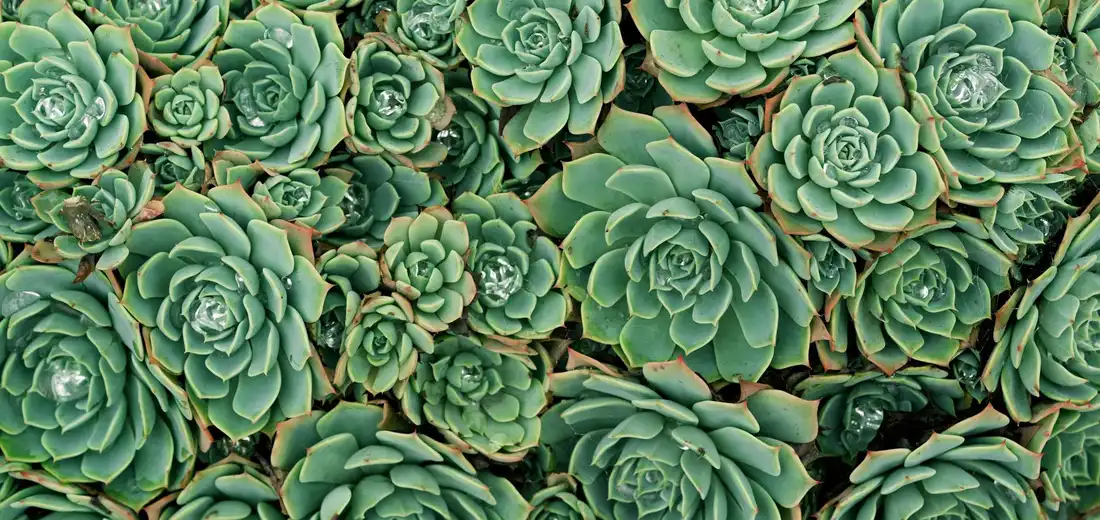
Spotting the Tell-Tale Signs of Overfertilization
Succulents are masters of communicating their discomfort, and overfertilization sends a very clear signal. The first sign I always look for is a white, crusty layer of salt buildup on the top of the soil or around the pot’s rim. This is excess fertilizer that the plant couldn’t use.
Look closely at the leaves themselves for these other warning signs:
- Brown, crispy tips or edges on otherwise healthy-looking leaves, almost like a sunburn.
- Soft, mushy, or translucent leaves that feel rotten, starting at the base of the plant.
- A sudden halt in growth despite what should be ideal conditions.
- Leaves dropping off at the slightest touch.
If you see this, stop fertilizing immediately and flush the soil. I take the plant to the sink and run lukewarm water through the pot for several minutes, letting it drain completely, to wash away the excess salts.
Is Your Succulent Hungry? Clues of a Nutrient Deficiency
While less common than overfeeding, a succulent that needs food has its own distinct look. A hungry succulent isn’t a crisis; it’s a slow, subtle decline that’s easy to correct. The biggest clue is a general lack of vibrancy.
Watch for these subtle hints that your plant could use a nutrient boost:
- Pale or faded coloration, where normally vibrant greens or reds become washed out and dull.
- Extremely slow or stunted growth over an entire growing season, with very few new leaves.
- New leaves emerging significantly smaller than the older, established ones.
- The lower, oldest leaves may turn yellow and shrivel at an accelerated rate.
My quick tip: If your succulent is putting out new growth but it just looks a bit tired, a weak dose of fertilizer is often the perfect pick-me-up. Remember, these symptoms can also be caused by insufficient light, so always assess the plant’s overall environment first.
Simple Homemade Fertilizer Solutions

You don’t need a fancy, store-bought bottle to give your succulents a gentle nutrient boost. I’ve had great success with simple ingredients from my own kitchen, which are not only cost-effective but also reduce plastic waste. These solutions are mild, so they’re much less likely to cause the root burn that strong chemical fertilizers can. These natural, organic options can also help if disease shows up, keeping care gentle and eco-friendly. For common issues like powdery mildew or other fungal spots, simple kitchen remedies can be used as part of an organic treatment plan.
Used Coffee Grounds
As a daily coffee drinker, I used to just toss my used grounds, but now I save them for my plants. Coffee grounds are slightly acidic and add a slow-release dose of nitrogen. Never use them wet or in a thick layer, as they can mold and compact the soil. Here’s my simple process:
- Spread the used coffee grounds on a baking sheet to dry out completely.
- Once dry and crumbly, sprinkle a thin layer (about a tablespoon) on top of the soil in your pot.
- Gently work it into the top inch of soil with a fork or your fingers before you water.
I do this only once at the very start of the growing season for a slow, steady feed.
Eggshell Water
If you notice your succulent’s new growth looking a bit weak or distorted, it might appreciate more calcium. Eggshells are packed with calcium carbonate, which strengthens cell walls and supports overall plant structure. Making eggshell water is my go-to method for a quick, liquid calcium boost.
- Rinse eggshells from 3-4 eggs to remove any residual egg white.
- Crush them roughly and place them in a pot with about 4 cups of water.
- Bring the water to a boil, then turn off the heat and let it steep for at least 8 hours, or overnight.
- Strain the shells out, and use the cooled “eggshell water” to hydrate your succulents as you normally would.
Banana Peel Tea
For a potassium-rich treat that encourages strong roots and better flower production, try banana peel tea. Potassium helps plants move water and nutrients efficiently, making them more resilient. This is my favorite trick for getting my flowering succulents, like my Kalanchoes, to put on a better show.
- Chop up one or two banana peels into small pieces.
- Place them in a jar and cover with about a quart of water.
- Seal the jar and let it sit for 48 hours.
- Strain the liquid, and dilute it with an equal part of fresh water before using it on your plants.
The diluted tea is gentle enough to use once a month during the spring and summer.
Always remember that with any homemade fertilizer, less is more—these are gentle supplements, not heavy meals. I stick to using just one type per growing season to avoid overwhelming my plants. Observing how your succulent responds is the best guide you’ll ever have. To fertilize succulents without attracting pests, apply the mix to the soil only and in small amounts. Then water well after feeding.
FAQs
What is the best fertilizer for succulents?
A balanced, low-dose fertilizer with an NPK ratio like 5-5-5 or one specifically labeled for cacti and succulents is ideal for healthy growth without overfeeding. For more detailed care tips, check out our succulent care guides for specific varieties.
Can I use the same fertilizer for succulents and cacti?
Yes, most cacti and succulents share similar nutrient requirements and do well with the same gentle, diluted fertilizer formulas to avoid root damage. However, it’s equally important to use the right soil amendments for succulents to ensure proper drainage and nutrient availability.
Are homemade fertilizers safe for succulents?
Yes, homemade options like diluted coffee grounds or eggshell water are safe when used infrequently and in moderation to provide a mild nutrient boost.
What fertilizer should I use for succulents in the Philippines?
In the Philippines’ humid climate, opt for a balanced, water-soluble fertilizer and reduce feeding frequency during the rainy season to prevent overwatering issues.
Is there a specific fertilizer recommended for succulents in New Zealand?
In New Zealand, use a locally available cactus and succulent fertilizer, and adjust feeding to align with the cooler, seasonal growth cycles.
What do Reddit users recommend for fertilizing succulents?
Reddit users often advise using half-strength balanced fertilizers and prioritizing infrequent applications to minimize the risk of over-fertilization.
Your Simple Succulent Fertilizing Plan
In my years of nurturing succulents, I’ve learned that a little fertilizer goes a long way to keep them thriving without overwhelming them. Feed your succulents sparingly with a diluted, balanced fertilizer during their active growing season for the best results. If you’ve just repotted, wait 1–2 weeks before feeding to let the roots settle. After that, fertilize sparingly, about every 4–6 weeks during the active growing season. Stick to these core practices:
- Use a water-soluble fertilizer diluted to half strength.
- Apply it only in the spring and summer months.
- Always water the soil first to protect the roots.
You’re now equipped with the knowledge to nourish your plants confidently and watch them flourish. Trust your instincts, give your green friends a gentle feed when they’re growing, and enjoy the rewarding sight of their healthy, happy leaves.
Further Reading & Sources
- Fertilizing Succulents: How, When, Why & With What | Debra Lee Baldwin, Succulent Expert
- What’s the best fertilizer for succulents? – Succulents Box
- How to Fertilize Succulents Scientifically | THE NEXT GARDENER – Thenextgardener
- Learn how to fertilize succulents | Succulents and Sunshine
Lena Greenfield is a passionate horticulturist and plant care expert with over 10 years of experience cultivating and nurturing hardy house plants. With a deep understanding of both indoor and outdoor gardening, Lena shares practical advice on choosing, caring for, and maintaining resilient plants that flourish year-round. Through her knowledge and hands-on approach, Lena helps plant lovers transform their spaces into vibrant, green sanctuaries, no matter their gardening experience.
Fertilization