
Is Compost Good for Succulents? How to Use It Safely
You can absolutely use compost for your succulents, but you must do it carefully to avoid harming their sensitive roots. The biggest mistake I see is gardeners treating compost like a regular potting mix, which can quickly lead to overwatering and rot.
In this guide, I’ll share my hard-won lessons from years of succulent gardening, covering: the benefits of compost for succulents, the hidden risks you need to avoid, how to mix and apply it safely, and my favorite compost alternatives.
Why Succulents Have Special Soil Needs
I learned this the hard way after losing a beautiful jade plant to root rot. Succulents are survivors, adapted to harsh, arid environments where water is scarce and soil is lean and rocky. Their plump leaves and stems act as personal water reservoirs, allowing them to withstand long periods of drought.
This superpower means their roots are not built for constantly damp conditions. Think of their natural habitat: gritty, sandy soil where rainwater drains away in minutes, not hours.
When you place them in rich, moisture-retentive soil, it’s like forcing a camel to live in a swamp. Their roots literally suffocate and rot because they can’t access the oxygen they need. The single most important goal for succulent soil is fast, efficient drainage. Do succulents really need special soil? The truth is they do best in a gritty, fast-draining mix, not in dense, moisture-holding soil.
Here’s what a typical potting mix for other houseplants gets wrong for succulents:
- It holds too much moisture around the roots.
- It decomposes and compacts over time, reducing aeration.
- It’s often too rich in organic matter, promoting soft, weak growth.
The Surprising Benefits of Compost for Succulents
Now, you might be thinking, “But you just said rich soil is bad!” And you’re right. Pure compost is a recipe for disaster. The magic happens when you use compost as a powerful ingredient, not the main course.
From my own potting bench, I’ve seen how a small amount of well-aged compost can transform a good succulent mix into a great one. It provides a gentle, slow-release nutrition that synthetic fertilizers just can’t match.
How Compost Improves Your Potting Mix
Compost is like a multivitamin for your soil. When used correctly, it works wonders.
Compost introduces beneficial microbes and fungi that create a living, healthy soil ecosystem. These tiny organisms help break down nutrients into a form your succulent’s roots can easily absorb.
It also improves the structure of your gritty mix. The organic matter acts like a tiny sponge, holding onto just enough moisture and nutrients so they’re available to the plant between waterings, without waterlogging the roots.
Here’s a quick breakdown of what compost brings to the table:
- Slow-Release Nutrients: Feeds your plant gently over time.
- Moisture Management: Helps the soil hold a tiny bit of usable water without staying soggy.
- Stronger Roots: The improved soil structure allows roots to spread and anchor better.
Think of compost as a nutrient booster that also helps your gritty components work together more effectively. It’s the binding agent that makes the entire potting mix more cohesive and plant-friendly.
The Hidden Dangers of Compost for Succulents
I learned the hard way that even good intentions can harm a plant. Fresh, uncomposted manure or overly rich compost can “cook” succulent roots, causing severe damage before you even notice the leaves wilting. The high salt content in some composts pulls moisture right out of the roots, leaving your plant dehydrated even when the soil is damp.
I once used a bag of compost that was a bit too “fresh” and ended up with a jade plant that had brown, crispy leaf tips within a week. Compost that is too dense retains water like a sponge, creating a soggy environment where succulent roots simply rot away. It’s a heartbreaking sight to see a healthy plant collapse from the bottom up due to root rot.
Recognizing and Preventing Nutrient Burn
Nutrient burn shows up as crispy, brown edges on the leaves, almost like they’ve been sun-scorched. The first sign of trouble is often a white, crusty residue on the soil surface or the pot’s rim, which is a telltale sign of salt and mineral buildup. If new growth emerges stunted or discolored, your compost might be too strong.
To prevent this, I always test a small batch of my compost mix on one plant first. Thoroughly watering the plant until water runs freely from the drainage hole helps flush out excess salts before they can build up to toxic levels. This simple step has saved many of my succulents from a salty demise.
Safe Application Methods for Potted Succulents
Using compost with succulents isn’t about dumping a shovel-full into the pot. Treating compost like a potent spice rather than a main ingredient is the key to unlocking its benefits without the risks. A little goes a very long way in providing a slow-release nutrient boost.
Step 1: Choosing and Preparing Your Compost
I only use fully finished, well-aged compost that looks and smells like rich, dark earth. Your compost should be crumbly and earthy-smelling, with no recognizable pieces of food scraps or yard waste left. Avoid anything that smells sour or ammonia-like, as it’s not ready and will harm your plants.
Before mixing, I always sift my compost through a piece of hardware cloth or an old sieve. Sifting removes large, woody chunks that can create air pockets and prevent the soil from settling properly around the delicate roots. This extra minute of prep work makes for a much smoother, more uniform potting mix.
Step 2: Creating the Perfect Soil Mix Ratio
After years of trial and error, I’ve landed on a ratio that has never failed me. My go-to succulent mix is one part sifted compost to two parts gritty material like perlite, coarse sand, or pumice. This creates a soil environment that holds just enough moisture and nutrients while ensuring excess water drains away instantly.
- 1 part sifted compost
- 1 part perlite (for aeration)
- 1 part coarse sand or poultry grit (for drainage)
Mix these components thoroughly in a large tub before potting. You can test your mix’s drainage by squeezing a handful; it should crumble apart immediately and not hold its shape. If it forms a clump, add more of your gritty materials until it behaves correctly.
Step 3: Timing Your Compost Applications
Timing is everything when feeding succulents. The absolute best time to add compost to your succulent’s life is during repotting at the start of their active growing season, typically in spring. The nutrients will be available right as the plant wakes up and is ready to put out new growth.
For established plants, I apply a thin, half-inch layer of compost as a top dressing once a year in the spring. If your succulent’s leaves are looking pale or growth has slowed to a crawl, a light top-dressing of compost can provide a gentle nutritional pick-me-up. To avoid killing your succulents, pair feeding with essential care tips like using well-draining soil, watering only when the soil is dry, and providing bright, indirect light. Gently scratch it into the top layer of soil and water as usual, allowing the nutrients to slowly seep down.
Troubleshooting Common Compost Problems
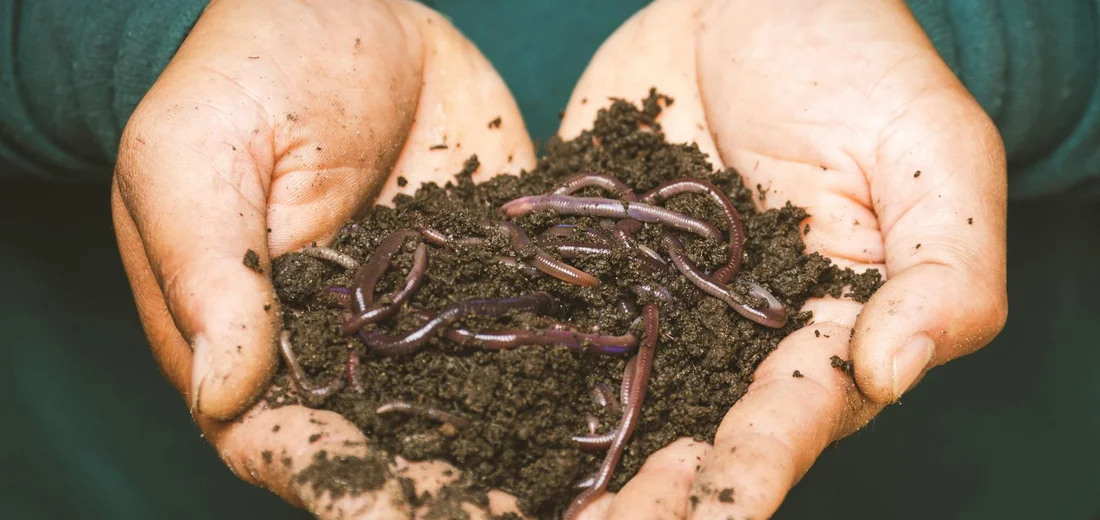
Even with the best intentions, compost can sometimes cause issues for your succulents. I’ve learned to spot these problems early, and fixing them is usually straightforward. Here are the common hiccups and how I handle them.
White Mold or Fungus on the Soil
Seeing a white, fuzzy layer on your soil can be alarming, but don’t panic. This mold is generally harmless and just means your soil environment is a bit too damp and organic for a succulent’s liking. I see this most often when I’ve been a little too generous with the compost or the potting mix doesn’t have enough gritty material.
Here is my simple, two-step fix:
- Scrape off the visible mold from the soil’s surface with a spoon.
- Let the soil dry out completely before you even think about watering again. To help it along, gently stir the top inch of soil with a chopstick to increase air circulation.
Tiny Gnats Flying Around Your Plant
Fungus gnats are those pesky little black flies that love moist, rich soil. An outbreak of fungus gnats is your succulent’s way of telling you the soil is staying wet for too long. The compost provides a fantastic breeding ground for them if the mix is too dense. To get rid of fungus gnats in indoor plants and succulents, let the top layer dry out between waterings. Use a well-draining soil mix to prevent future outbreaks.
I combat them with a one-two punch:
- Place yellow sticky traps in the pot to catch the adult flies.
- Water with a mixture of one part 3% hydrogen peroxide to four parts water. This kills the larvae in the soil without harming your plant.
For a long-term solution, I always make sure my next soil mix has more inorganic material like perlite or pumice.
Your Succulent Looks Mushy or is Dropping Leaves
This is the most serious sign of trouble. If your succulent’s leaves are turning translucent, feeling soft, or falling off at a slight touch, you are likely dealing with root rot from overwatering. A soil mix with too much compost and not enough drainage is often the culprit because it holds moisture around the roots for days. If you’re wondering why your succulent leaves look wrinkly, soft, or squishy, those symptoms usually point to overwatering and root rot. Improving drainage and letting the soil dry out are essential first steps.
You need to act quickly. Here is what I do:
- Immediately take the plant out of its pot and gently brush away all the wet soil from the roots.
- With clean, sharp scissors, cut away any roots that are black, slimy, or mushy. Healthy roots are firm and white or tan.
- Let the plant and its roots air dry on a paper towel for a day or two.
- Repot it into a fresh, much grittier soil mix (like the ones I share below) and do not water for at least a week.
My Go-To Succulent Soil Recipes
After years of trial and error with my own collection, I’ve settled on two primary soil recipes that have never let me down. The goal is always to create a mix that mimics the succulent’s natural, arid habitat—fast-draining and not too rich. I mix these right on my potting bench using a large tub. Want to try this at home? Here are a few easy DIY succulent potting mix recipes you can mix up yourself.
All-Purpose Succulent Mix
This is my standard, everyday mix for most of my succulents, including echeverias, sedums, and haworthias. It provides a little nutritional boost from the compost while ensuring water flows through quickly.
- 2 parts Potting Soil (a basic, well-draining kind)
- 1 part Coarse Sand (horticultural or builder’s sand, not fine play sand)
- 1 part Perlite or Pumice
- A generous handful of Sifted Compost per gallon of mix
I combine everything in a tub and mix it thoroughly with my hands until it’s uniform. You should be able to grab a handful and have it fall apart easily.
Gritty Mix for Sensitive Succulents
I use this mix for plants that are extremely prone to rot, like lithops (living stones), some cacti, and any succulent I’m growing in a pot without a drainage hole. This recipe is intentionally lean and mean, with very little organic material to hold moisture.
- 1 part Potting Soil or Coco Coir
- 1 part Coarse Sand
- 1 part Perlite
- 1 part Pumice or small gravel (⅛” to ¼” size)
- Just one small scoop of Sifted Compost per gallon of mix
This mix dries out incredibly fast, which is exactly what these sensitive plants need. When using this gritty mix, you will likely need to water a bit more frequently, but the risk of rot is almost zero.
FAQs
Can I use compost for succulents?
Yes, compost can benefit succulents when used sparingly in a well-draining mix to avoid root rot.
Is compost good for indoor succulents?
Compost can be used for indoor succulents if mixed with gritty materials to ensure fast drainage in container environments.
What compost should I use for succulents in the UK?
In the UK, opt for a well-draining, multi-purpose compost and amend it with perlite or sand for succulent safety.
How do I use compost for succulents in pots?
Mix a small amount of sifted compost with inorganic materials like perlite and coarse sand in a 1:2 ratio for potted succulents. This highlights the balance between organic and inorganic soil components that succulents prefer. Organic matter provides nutrients, while the inorganic portion ensures rapid drainage to prevent rot.
Can I buy compost for succulents at Homebase?
Homebase may offer compost suitable for succulents, but always verify it is well-draining or enhance it with gritty additives. Also, choose pots or containers with drainage, since succulents thrive when both the mix and the container promote quick drainage.
What is the best compost for succulents?
The best compost is fully decomposed, sifted, and used minimally in a gritty soil blend to provide nutrients without water retention.
Your Succulent Compost Cheat Sheet
You can absolutely use compost for your succulents by mixing a small amount into a gritty potting soil, ensuring it makes up no more than a quarter of the final mix to provide a gentle nutrient boost without risking moisture retention. Always remember to use fully finished, crumbly compost and pair it with materials like perlite or coarse sand for the perfect, well-draining home your succulents crave.
- Use only fully decomposed compost.
- Mix at a 1:3 ratio with inorganic grit.
- Ensure your pot has excellent drainage.
Don’t be afraid to experiment a little in your own garden. I’ve found that a touch of homemade compost makes my succulents thrive with vibrant color. Do succulents need to thrive? They typically do best with well-draining soil and bright light, and a little compost can help them stay vibrant without overfeeding. You’ve got this—your plants are going to love the extra care.
Further Reading & Sources
- r/succulents on Reddit: Is this good compost for succulent soil?
- What’s the best compost for succulents – David Hurrion
- Amazon.com: Cactus Compost
- How to mix your own succulent compost | Honey and Eggs
Lena Greenfield is a passionate horticulturist and plant care expert with over 10 years of experience cultivating and nurturing hardy house plants. With a deep understanding of both indoor and outdoor gardening, Lena shares practical advice on choosing, caring for, and maintaining resilient plants that flourish year-round. Through her knowledge and hands-on approach, Lena helps plant lovers transform their spaces into vibrant, green sanctuaries, no matter their gardening experience.
Fertilization