
How to Move Succulents Between Seasons Without Shock
Published on: April 8, 2026 | Last Updated: April 8, 2026
Written By: Lena Greenfield
Watching your favorite succulents wilt or drop leaves after a seasonal change is frustrating, but it’s completely avoidable. The key to a smooth transition is understanding that your plants need a gentle adjustment period, not a sudden change in their entire world.
I’ve moved hundreds of succulents between my sunny summer patio and their cozy winter spots indoors, and I’ll walk you through the simple steps I use. We’ll cover gradual watering adjustments, acclimating to light changes, managing temperature shifts, and preventing pests so your plants stay happy and healthy all year.
Understanding Your Succulent’s Natural Seasonal Rhythm
I used to treat all my succulents the same year-round, and I’d end up with confused, stressed-out plants. Learning to sync my care with their internal, seasonal clock was the single biggest game-changer for my collection’s health. Most succulents aren’t in a constant state of growth; they have distinct active and dormant phases.
For many common varieties like Echeverias and Sedums, spring and fall are their active growing seasons. This is when they’re thirstier, putting out new roots, and craving more light. Your plant is essentially waking up and asking for breakfast.
Summer can be a tricky time. For some, it’s peak growth, but for others, like many Aeoniums, it’s a dormancy period to escape the intense heat. Winter is almost universally a rest period. During dormancy, your succulent’s metabolism slows way down-it’s hibernating, so it needs far less from you. Understanding these dormancy periods as part of seasonal growth cycles in succulents helps you anticipate plant needs and adjust care accordingly. This awareness also clarifies why watering and feeding should shift with the seasons. Paying attention to these natural cycles prevents you from overwatering a sleeping plant or underfeeding a hungry one.
The Step-by-Step Guide to a Shock-Free Seasonal Transition
Rushing a succulent from one environment to another is like being jerked out of a warm bed into a cold shower. They hate it. The golden rule for any seasonal shift is to make all changes gradually over 1-2 weeks. This slow introduction gives your plant time to physically adapt without panicking. Knowing the key seasonal timing milestones in succulent care helps plan these transitions. Aligning care with the seasons keeps plants healthier.
Step 1: Master the Light Adjustment
Light is the most critical factor. Moving a plant from a dim winter windowsill directly into full, outdoor spring sun will literally scorch its leaves. I learned this the hard way with a beautiful Jade plant that ended up with permanent brown scars.
Start by placing your succulent in its new, brighter spot for just an hour or two on the first day. Increase this exposure by about an hour each subsequent day. If you’re bringing plants back inside for the winter, the reverse is true—they’ll need time to adjust to lower light levels to avoid etiolation (stretching). If your space lacks bright sun, grow lights can keep succulents thriving indoors. Set a timer and place the light a few inches above the plant for even, compact growth.
Quick Tip: Observe the leaves daily; if you see any bleaching or reddish stress colors, pull it back to a shadier spot for a few days before continuing.
Step 2: Acclimate to New Temperature Ranges
Succulents are sensitive to dramatic temperature swings. A plant that’s been cozy at 70°F indoors will be shocked by a sudden 50°F night on the patio. I begin the hardening-off process in late spring, only putting my plants outside during the warmest part of the day and bringing them in well before dusk. This helps prevent seasonal stress in succulents.
Over a week or two, I gradually leave them out for cooler evenings, always ensuring they’re safe from any threat of frost. This slow dance teaches their cells to toughen up and handle the new climate. Remember, cool nights are often fine and even encourage beautiful color changes, but a freeze is a different story.
Step 3: Modify Your Watering Routine for the Season
Your watering can is not your year-round friend. I drastically change my approach based on the season. As growth kicks in during spring, I slowly start watering more deeply and frequently, always waiting for the soil to dry out completely between sessions.
Come summer, if it’s very hot, some plants may need more water, but if they’re dormant, they need even less. In winter, I might go 4-6 weeks between waterings for my indoor succulents, as the soil takes much longer to dry in cooler, lower-light conditions. This is the typical winter vs summer pattern for water-storing succulents: they often need more water in summer heat and far less in winter. The “soak and dry” method remains the rule, but the time between soaks is what changes.
Quick Tip: Stick your finger in the soil-if you feel any moisture at all, wait. When in doubt during a seasonal shift, it’s always safer to underwater.
Step 4: Assess Soil and Fertilizer Needs
Seasonal transitions are the perfect time to check if your succulent needs a soil refresh or a nutrient boost. I always do a quick soil check in early spring; if the potting mix looks broken down or compacted, I repot with a fresh, gritty mix to support new root growth.
Fertilizer is only given during the active growing seasons (spring and fall). I use a diluted, balanced, liquid succulent fertilizer at half-strength, and I only start this feeding about a month after the plant has fully acclimated to its new light and temperature. For maximum growth, time the feeding to the spring growth spurt. Feeding at this moment helps the plant put on size and color fastest. Fertilizing a dormant or stressed plant can burn its roots and cause more harm than good.
Your plant tells you what it needs. Lush new growth in spring is a sign it’s ready for a light meal, while no growth in summer heat means it wants to be left completely alone.
Spotting and Solving Common Seasonal Transition Stress
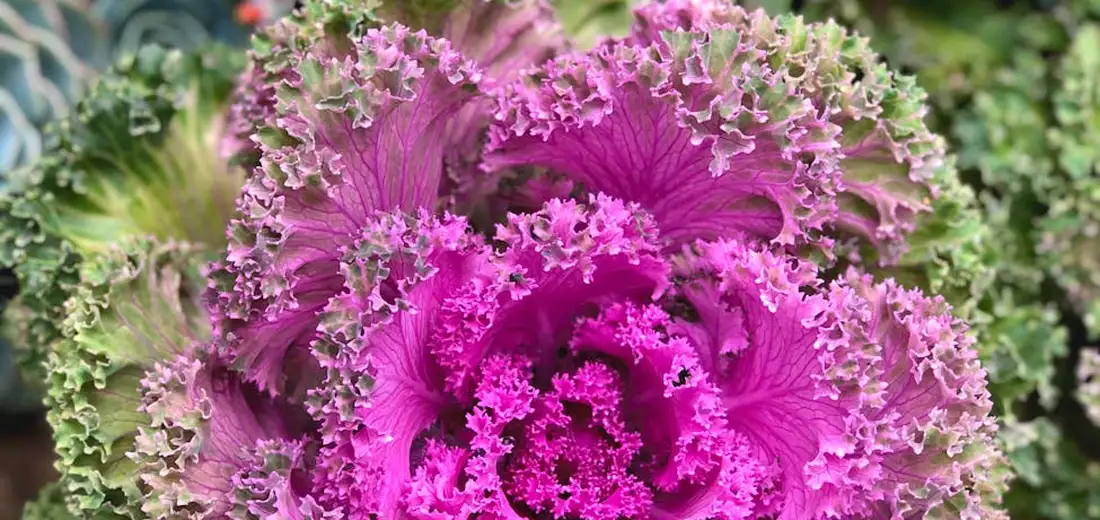
I’ve learned to spot the subtle cries for help my succulents make during season changes. Your plant will tell you exactly what’s wrong if you know what to look for. A sudden change in light or temperature is a big deal for these slow-growing plants.
Key Signs Your Succulent is Stressed
- Leaf Drop: A few lower leaves drying up is normal, but if plump, healthy leaves are falling, it’s a red flag.
- Color Changes: Vibrant greens turning pale or yellow often signal too much sun too quickly. Reds or purples can mean sun stress or, sometimes, a happy “blush.”
- Soft, Mushy Leaves: This is usually a sign of overwatering, which is easier to do when the plant is stressed and not actively growing.
- Etiolation (Stretching): If your succulent starts growing tall and leggy with wide spaces between leaves, it’s desperately reaching for more light.
My Go-To Recovery Plan
When I see stress signs, I act immediately. Moving a stressed plant back to its previous conditions for a week often stops the problem in its tracks. This gives it time to adjust.
- Check your watering. Stressed succulents need less water, not more. Let the soil dry out completely between waterings.
- Assess the light. If it’s getting sunburned, provide dappled shade. If it’s stretching, find a brighter spot.
- Hold off on fertilizer. Feeding a stressed plant is like offering a five-course meal to someone with an upset stomach.
- Be patient. Recovery takes time. You might lose a few leaves, but the plant will often bounce back.
From my experience, a succulent that drops a few leaves is just lightening its load to focus energy on new roots and growth. Don’t panic at the first sign of a yellow leaf; observe the overall trend.
Special Considerations for Moving Succulents Indoors or Outdoors
This is the trickiest part of seasonal care, and I’ve made every mistake so you don’t have to. The key is to avoid any sudden, dramatic shifts.
Moving Succulents Outdoors for Summer
Your indoor-grown succulents have “soft” leaves that burn easily. You must toughen them up through a process called hardening off.
- Start in Full Shade: Place them in a completely shaded outdoor spot for 3-4 days.
- Introduce Morning Sun: Move them to a location that gets only gentle morning sun for about 2 hours for another 3-4 days.
- Gradually Increase Exposure: Slowly increase their time in the morning sun over the next week or two.
- Avoid Midday Sun: Even after acclimating, most succulents appreciate protection from harsh afternoon sun. A spot with bright, indirect light all day is often perfect.
I always do this transition on a cloudy week if possible, as it’s much gentler on the plants. A sudden move from a dim windowsill to a sunny patio will almost always result in scorched leaves.
Bringing Succulents Back Indoors for Winter
This transition is less about sun and more about pests. Your plants have been living their best life outside and might have brought home some tiny, unwanted guests.
- Inspect Thoroughly: Look under leaves, along stems, and in the soil for bugs like mealybugs, aphids, and spider mites.
- Quarantine and Treat: Isolate incoming plants from your indoor collection for at least two weeks. I spray them down with a mixture of water, a few drops of mild dish soap, and a little neem oil.
- Water Less: Once inside, growth will slow. Water them significantly less than you did during their outdoor summer growth spurt.
- Find the Brightest Spot: A south-facing window is ideal. If you don’t have enough light, consider a simple grow light to prevent etiolation.
My biggest lesson here was learning that a few bugs outside are no big deal, but those same bugs inside, with no natural predators, can become an infestation overnight. A strict quarantine period is non-negotiable for protecting your entire indoor plant family.
Fine-Tuning Your Care for Humidity and Ventilation Changes
Many plant parents focus only on light and water, but humidity and airflow are the secret weapons for a seamless seasonal transition. I’ve learned through trial and error that getting these two factors right prevents more problems than almost anything else. Your heating system in winter and your open windows in summer create wildly different environments, and your succulents feel every bit of it. For healthy succulents, keep temperatures steady and humidity low with good airflow. Sudden changes in temperature or humidity can stress them and invite problems.
Why Humidity is a Silent Game-Changer
Succulents store their own water, so they generally prefer dry air. When indoor heating kicks on, the air in your home can become as dry as a desert. This intense dryness can cause leaf tips to brown and soil to dry out much faster than you’re used to. Conversely, a muggy summer can encourage mold and rot. In bathrooms with good ventilation, the higher humidity can actually help some succulents thrive. Just pick humidity-tolerant varieties and ensure the potting mix drains well.
Here’s my simple method for managing humidity:
- In dry winter months, I group my succulents together. They create their own slightly more humid microclimate just by being near each other.
- I keep a small digital hygrometer on my plant shelf. It costs very little and tells me exactly what the air is like right where my plants live.
- If the air is extremely dry, I place a shallow tray filled with water and pebbles near my plants. The water evaporates, adding a tiny bit of moisture to the air without making the soil wet.
Mastering Airflow to Keep Rot at Bay
Stagnant, still air is an invitation for pests and fungal issues. Good ventilation is like giving your plants a strong immune system; it helps them stay resilient through change. I always ensure there’s gentle air movement around my collection, especially during the more humid parts of the year.
My go-to ventilation strategies are easy to implement:
- I use a small, oscillating fan on a low setting placed several feet away from my plants. It doesn’t blast them, but it keeps the air from getting stale.
- On pleasant days, I crack a window in the room for a few hours. The fresh, moving air does wonders. Just make sure your plants aren’t in a direct, cold draft.
- When I water, I make a point to turn the fan on for the next 24 hours. This helps any excess moisture on the leaves or in the soil top dry quickly.
Quick Tip: If you see a white, powdery substance on leaves, that’s powdery mildew, and it means you need more airflow, fast! Wipe the leaves with a damp cloth and improve ventilation immediately.
The Delicate Dance of Moving Plants Outdoors
Transitioning succulents outside for the summer is a classic example where humidity and ventilation matter most. You can’t just move a plant from a stable indoor environment to the full force of the elements in one day. The shock will show up as bleached spots or soft, mushy leaves.
I follow a two-week hardening-off process religiously:
- Week 1: Place plants in a fully shaded, sheltered spot outdoors for just 2-3 hours a day. Gradually increase the time by an hour every other day.
- Week 2: Start introducing them to an hour or two of gentle morning sun. Always bring them back inside before the harsh afternoon sun hits.
- After two weeks, they are usually acclimated to their new spot, which should still have protection from the intense midday sun.
This slow introduction allows them to adapt not just to the light, but also to the breeze, the cooler nights, and the natural humidity swings. Patience here is the ultimate key to preventing sunburn and stress.
FAQs
When is the best time to start moving my succulents for a new season?
Begin the transition process 1-2 weeks before the season officially changes to allow for a gradual adjustment.
Should I repot my succulent when I bring it inside or outside?
Only repot if the soil is compacted or broken down, and ideally do this in early spring to support new root growth.
Is it necessary to fertilize my succulent during a seasonal move?
Avoid fertilizing during the transition and only provide a diluted feed about a month after the plant has fully acclimated to its new conditions.
How do I manage humidity changes for my indoor succulents in winter?
Group plants together or use a pebble tray to create a more humid microclimate and counteract dry air from heating systems.
What is the first thing I should do if I see signs of stress?
Immediately move the plant back to its previous conditions for about a week to halt further stress.
Can I put my succulents outside if I don’t have a shaded area?
Use a sheer curtain or shade cloth to protect them from direct sun until they are fully hardened off.
Your Seasonal Succulent Success
Remember, the secret to a seamless transition is to make every change-in light, water, and temperature-gradually. Your main goal is to mimic the gentle shift of nature’s seasons indoors. Focus on these four pillars:
- Adjust light exposure slowly over a week or two.
- Water only when the soil is completely dry.
- Protect from sudden temperature drops and drafts.
- Always inspect for pests during the move.
You’ve got this. With a little patience and observation, you can guide your succulents through the year’s changes. Go check on your plants-your green thumb is growing stronger with every season.
Further Reading & Sources
- Tips for Taking Indoor Succulents Outside for the Summer | Succulents and Sunshine
- Succulent Spring Care: When to Move Them Outside – Succulents Box
- Moving Succulents Indoors for Winter – Costa Farms
- Wild Interiors – How to Care for Succulents During the Summer
Lena Greenfield is a passionate horticulturist and plant care expert with over 10 years of experience cultivating and nurturing hardy house plants. With a deep understanding of both indoor and outdoor gardening, Lena shares practical advice on choosing, caring for, and maintaining resilient plants that flourish year-round. Through her knowledge and hands-on approach, Lena helps plant lovers transform their spaces into vibrant, green sanctuaries, no matter their gardening experience.
Light and Temperature