
Are Succulents Easy to Care For? A Beginner’s Complete Guide
Published on: May 14, 2026 | Last Updated: May 14, 2026
Written By: Lena Greenfield
Succulents are wonderfully easy to care for, making them ideal for anyone new to plants. If you worry about forgetting to water or not having a green thumb, I can tell you from my own years of growing them that they’re surprisingly resilient and forgiving.
In this guide, I’ll walk you through choosing the right succulent, watering basics, light requirements, soil and potting tips, and troubleshooting common issues so you can enjoy thriving plants with confidence.
Why Succulents Are a Great First Houseplant
I remember killing my first few houseplants because I loved them a little too much with my watering can. Succulents are the perfect antidote to over-loving; they actually thrive on a bit of benign neglect. Their forgiving nature is what makes them such a brilliant gateway into the world of plant parenting.
You can go on a week-long vacation without arranging a complicated watering system. Their plump, fleshy leaves act like built-in water canteens, storing moisture for dry spells. This built-in hydration system means they are far more tolerant of inconsistent watering than your average fern or fiddle-leaf fig.
Beyond being tough, they offer instant gratification. Many varieties propagate incredibly easily. You can often grow a whole new plant from a single leaf that falls off, which feels like pure magic and builds your confidence fast. Transplanting the rooted leaves into well-draining soil is the next step to propagate succulents successfully. Give them bright light and a light touch with water until they establish. I have a windowsill dedicated to baby succulents grown from “rescued” leaves, and it’s my favorite part of the hobby.
They are also space-efficient and versatile. You can create a stunning, living centerpiece by grouping a few different succulents in a shallow dish, creating your own miniature desert landscape. There are plenty of creative ways to decorate with succulents in your home—think hanging planters, glass terrariums, or other vertical displays. They fit on tiny apartment windowsills, brighten up a home office desk, and add a modern, sculptural element to any room.
Choosing Your First Succulent
Walking into a garden center can be overwhelming with so many quirky shapes and colors. The key is to start simple and choose a variety known for its resilience. Think of it like learning to drive; you don’t start with a race car.
Top Beginner-Friendly Succulent Varieties
From my own trial and error, these are the champions that can handle a few rookie mistakes and still look beautiful.
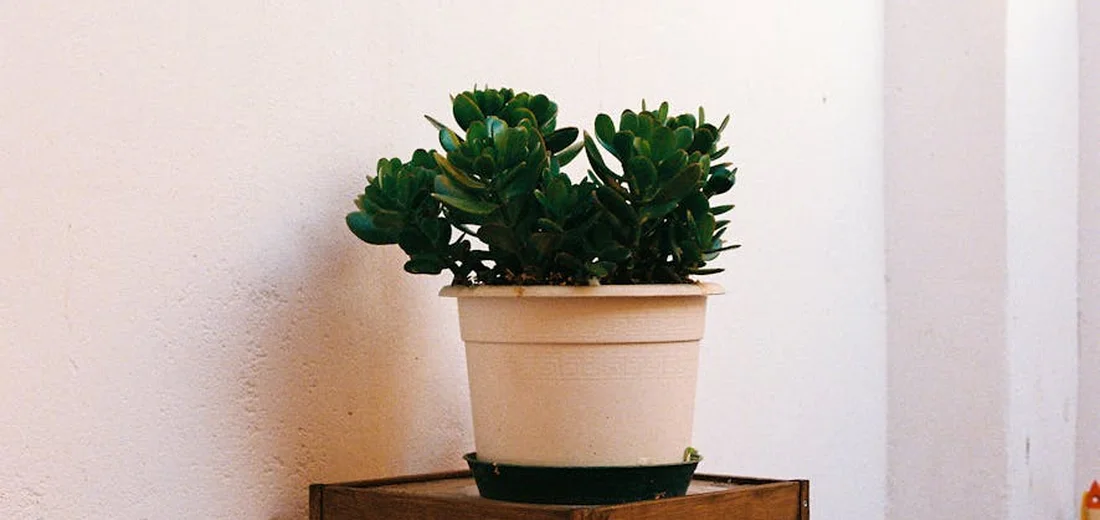
- Jade Plant (Crassula ovata): This is a classic for a reason. Its thick, woody stems and oval leaves are incredibly sturdy. I’ve had a jade plant for over a decade that has survived multiple moves and my early learning curve.
- Aloe Vera: Not only is it handsome, but it’s also a functional first-aid kit for minor kitchen burns. The gel inside its leaves is wonderfully soothing.
- Echeveria: These form beautiful, rose-shaped rosettes. They love bright light and are very straightforward about telling you when they need water (their lower leaves will get a bit soft and wrinkly).
- Haworthia (like the Zebra Plant): With their striking striped patterns, these are perfect for spots with a little less direct light. They stay relatively small and are very slow-growing, so they won’t outgrow their pot quickly.
- Snake Plant (Sansevieria): While technically not a true succulent, it shares the same easy-care ethos. It can survive in very low light and infrequent watering, making it practically indestructible.
How to Pick a Healthy Succulent
Don’t just grab the first pretty one you see. A healthy start is a successful start. Here’s my step-by-step process for picking a winner.
- Examine the Leaves: Look for plump, firm leaves. Avoid any plant with mushy, translucent, or shriveled, crispy leaves. A few dry, crispy leaves at the very bottom are normal, but they shouldn’t be throughout the plant.
- Check the Color: The plant should have a vibrant, consistent color. Be wary of significant discoloration, like yellowing (a sign of overwatering) or extreme paleness (which can mean not enough light).
- Look for Pests: Gently check under the leaves and in the tight spaces where leaves meet the stem. Look for tiny webs (spider mites), white fluffy spots (mealybugs), or little bugs themselves.
- Inspect the Stem and Base: The stem should be sturdy, not wobbly or blackened at the base. A wobbly plant might have root rot. Give the plant a very gentle wiggle; it should feel secure in the soil.
- Assess the Shape: Choose a plant that looks full and compact, not one that is stretched out with large gaps between the leaves. A stretched-out succulent, or one that is “leggy,” has been reaching for more light.
Quick Tip: Always check the soil in the nursery pot. If it’s soaking wet and the store is dark, that plant is a high-risk choice for root rot. Common signs of root rot in houseplants include yellowing leaves and mushy, foul-smelling roots. If you spot these signs, treat it by trimming away affected roots and repotting in fresh, well-draining soil.
The Simple Setup: Pot, Soil, and Light
Getting your succulent’s home right from the start is the biggest secret to easy care. Think of this setup as building a comfortable foundation that does half the work for you. From there, you can design a stunning succulent garden that thrives. Let color, texture, and form guide your layout.
Step 1: Selecting the Right Pot
I’ve killed more plants with the wrong pot than with anything else. Your choice here is critical for preventing root rot.
- Drainage is non-negotiable. Every single pot must have a drainage hole. No exceptions. I learned this the hard way with a beautiful ceramic pot that drowned a jade plant.
- Unglazed terracotta is my go-to. It’s porous, allowing the soil to dry out evenly and helping to prevent overwatering. Plastic pots hold moisture much longer, which is risky for beginners.
- Choose a pot that’s just 1-2 inches wider than the plant’s root ball. A pot that’s too large holds excess soil that stays wet for far too long.
Step 2: Using the Perfect Soil Mix
Regular potting soil is a death sentence for succulents; it’s like making them wear a wet sweater. They need a gritty, fast-draining home. The truth: succulents don’t need special soil—they just need fast drainage. A cactus/succulent mix or gritty DIY blend is best.
- I always buy a bagged succulent and cactus mix from the garden center. It’s a perfect, ready-made starting point.
- For an extra boost, I mix in perlite or pumice. My favorite DIY blend is two parts succulent soil to one part perlite. This creates air pockets and improves drainage dramatically.
- The goal is soil that feels gritty, not dense or muddy. If you squeeze a handful and it clumps, it needs more perlite.
Step 3: Finding the Ideal Light
Light is their food, and getting it wrong is the most common reason succulents get leggy and stretched out.
- A bright, sunny south-facing window is the jackpot. An east or west-facing window is a good second choice.
- Watch your plant’s body language. If it’s leaning dramatically toward the light or the stems are getting long with wide spaces between leaves, it’s begging for more sun.
- If you only have lower light, choose low-light tolerant varieties like the Snake Plant or ZZ Plant. Rotate your pots a quarter turn every time you water to ensure even growth and prevent leaning.
Your Easy Succulent Care Routine
Once the setup is perfect, the daily care is wonderfully simple. This routine is based on checking in with your plant, not a rigid calendar.
The Golden Rule of Watering
Forget watering on a schedule. The number one killer of succulents is overwatering. Your plant will tell you when it’s thirsty. Look for signs like wrinkled leaves or a soft, sunken look. If the soil is dry to the touch, it’s time to water.
- Stick your finger in the soil. If the top inch or two is completely dry, it’s time to water.
- When you water, do it thoroughly. Take your plant to the sink and soak the soil until water runs freely out of the drainage hole. This encourages deep, strong roots.
- Then, walk away. Let the soil dry out completely before you even think about watering again. In winter, this might mean watering only once a month.
Quick tip: A wooden chopstick or skewer is a great moisture meter. Stick it in the soil; if it comes out clean, it’s watering time.
A Little Food Goes a Long Way
Succulents are not heavy feeders. Too much fertilizer can burn their roots and cause weak, spindly growth.
- I only fertilize during their active growing season, which is typically spring and summer.
- Use a balanced, water-soluble fertilizer diluted to half the recommended strength. A little goes a very long way.
- I feed my collection maybe two or three times a year, and they are perfectly happy. When in doubt, skip the fertilizer. They get most of what they need from good soil and sunlight.
Troubleshooting Common Succulent Problems
Even the most resilient plants can have an off day. Don’t panic when you see a problem-succulents are incredibly forgiving and often tell you exactly what they need. I’ve brought many sad-looking plants back from the brink with a few simple adjustments.
Overwatering vs. Underwatering: Spot the Difference
This is the number one question I get from new plant parents. Telling these two apart is simpler than you think once you know the signs.
- Overwatered leaves feel soft, mushy, and translucent. They might turn yellow or brown and drop off at the slightest touch. The stem may also feel soft.
- Underwatered leaves feel thin, wrinkled, and crispy. They’ll look deflated and may curl inward. The plant’s lower leaves often show these signs first.
I always do the “touch test” before I even think about watering. Stick your finger in the soil-if the top inch feels dry and the leaves are wrinkled, it’s time for a drink. If the soil is damp and the leaves are squishy, hold off on watering and improve air circulation.
Preventing and Fixing Root Rot
Root rot is usually a consequence of overwatering, and I’ve unfortunately created this issue myself by being too eager with my watering can. The good news is you can often save the plant.
If your succulent’s stem is black or brown and mushy at the base, you need to act fast.
- Gently remove the plant from its pot and brush away all the wet soil.
- Using clean, sharp scissors, cut away any dark, slimy, or smelly roots. Healthy roots are firm and white or light tan.
- If the rot has traveled up the stem, cut the stem above the rot until you see clean, healthy tissue.
- Let the plant sit out in a shady, airy spot for a few days until the cut end forms a dry callus.
- Repot in fresh, dry succulent mix and do not water for at least a week.
The best cure for root rot is prevention: use a pot with a drainage hole and a gritty soil mix that doesn’t hold onto moisture. For extra safety, you can sterilize the soil or start with a fresh, sterile mix for succulents. Safe methods include heating the soil in the oven at about 180°F (82°C) for 30 minutes or using commercially sterile cactus/succulent mixes.
Simple Succulent Maintenance: Repotting and Propagation
These tasks might sound intimidating, but they’re simple, satisfying, and a great way to connect with your plants. I find repotting and propagating to be my favorite weekend plant activities. If you’re new to succulents, a beginner’s step-by-step repotting guide can help you feel confident. I’ll walk you through each step so you can repot like a pro.
How to Repot Gently
You’ll know it’s time to repot when you see roots growing out of the drainage hole or the plant looks too big for its pot. The best time to repot is during their active growing season in spring or summer. Timing can vary by plant type. Most tropicals and herbs are repotted in spring.
- Water your succulent a day or two before repotting. This makes the roots more flexible and less prone to breakage.
- Tip the pot on its side and gently coax the plant out. If it’s stuck, you can carefully run a butter knife around the inside edge of the pot.
- Loosen the root ball with your fingers, shaking off the old soil. This is a great time to check the root health and trim any dead or overly long roots.
- Place a layer of fresh, dry succulent mix in the new pot (only one size larger than the old one).
- Set your plant in, fill around it with more soil, and gently firm it in place. Wait about a week before you give it its first watering.
Growing New Plants for Free
Propagation is like magic. You can create a whole new plant from a single leaf or a small cutting. My collection has doubled using these methods.
- Leaf Propagation: Gently twist a healthy, plump leaf from the stem. Let it dry for a few days until the end calluses over. Then, just place it on top of dry soil. Mist the soil lightly every few days. In a few weeks, you’ll see tiny pink roots and a new baby plant!
- Stem Cuttings: If you have a plant that’s gotten leggy, cut the top off with a clean knife. Let the cutting callus for a few days, then plant the stem in soil. The original plant will often grow new branches from where you made the cut, giving you two plants from one.
- Offsets (“Pups”): Many succulents like aloe and haworthia grow little baby plants at their base. Once the pup is about one-third the size of the mother plant, you can carefully separate it and pot it up on its own.
FAQs

What is the ideal temperature range for most succulents?
Most succulents prefer temperatures between 60°F and 80°F (15°C to 27°C).
Can succulents survive in low humidity environments?
Yes, succulents thrive in low humidity due to their water-storing adaptations.
How should I deal with common pests on succulents?
Remove pests like mealybugs by dabbing them with rubbing alcohol on a cotton swab.
Can succulents be kept outdoors year-round in my climate?
In frost-free climates, many succulents can stay outdoors, but they need protection in cold winters.
What are the common mistakes beginners make with succulent care?
Overwatering and using non-draining pots are the most frequent errors new owners make.
How much sunlight do different succulent varieties need?
While most need bright light, some varieties like snake plants can tolerate lower light conditions.
Your Succulent Success Story Awaits
After years of tending to my own succulent family, I can confidently say that these plants are wonderfully low-maintenance when you provide bright light, water only when the soil is bone dry, and use a gritty, fast-draining soil mix. Stick to these three simple habits, and your succulents will reward you with vibrant growth and stunning resilience.
- Place them in a sunny spot.
- Water deeply but infrequently.
- Use a pot with excellent drainage.
I started with a single jade plant on my windowsill, and that small step built the confidence to grow an entire collection. You absolutely have what it takes to nurture a happy, healthy succulent-grab your first plant, trust your instincts, and enjoy the journey!
Further Reading & Sources
- Complete guide to succulent care | Patch
- r/succulents on Reddit: How to Properly Care for Succulents
- How to Care for Succulents: 10 Tips | HGTV
- How to Care for Succulents and Cacti – Boyce Thompson Arboretum
Lena Greenfield is a passionate horticulturist and plant care expert with over 10 years of experience cultivating and nurturing hardy house plants. With a deep understanding of both indoor and outdoor gardening, Lena shares practical advice on choosing, caring for, and maintaining resilient plants that flourish year-round. Through her knowledge and hands-on approach, Lena helps plant lovers transform their spaces into vibrant, green sanctuaries, no matter their gardening experience.
Watering Practices