
How to Identify Cacti vs Succulents: Key Differences
Published on: May 20, 2026 | Last Updated: May 20, 2026
Written By: Lena Greenfield
Are you looking at a spiky plant and wondering if it’s a cactus or a succulent? You’re not alone, and the good news is that telling them apart is much easier than you think.
In this guide, I’ll clear up the confusion by showing you the simple visual clues I’ve learned from years of collecting both. We will cover how to spot the key differences, understand what areoles are, and learn their specific care needs.
The Simple Truth About Cacti and Succulents
Think of it this way: all cacti are succulents, but not all succulents are cacti. It’s like all squares are rectangles, but a funky-shaped jade plant isn’t a cactus. I’ve seen so many plant lovers get tripped up by this, but once you understand the single defining feature, you’ll never mix them up again.
The core difference comes down to one special structure that only cacti possess. This is the golden rule I use in my own collection, and it has never failed me. Other succulents store water in their plump leaves or stems, just like cacti, but they lack that one unique identifier. This insight underpins my plant cacti succulents together compatibility guide. It helps you pair cacti with compatible succulents in mixed arrangements.
The One Feature That Defines a Cactus: Areoles
Forget the spines for a moment. The absolute, non-negotiable feature of a true cactus is the areole. If your plant doesn’t have areoles, you are looking at a different type of succulent, no matter how spiny it looks. I learned this the hard way after misidentifying a very prickly Euphorbia years ago!
What Exactly is an Areole?
An areole is a highly modified branch. Imagine it as a tiny, specialized factory on the cactus’s body where all the growth action happens. In my experience, this is the single most important concept to grasp for proper identification.
From this one small spot, the cactus can produce its spines, new stems (called pups), and even its beautiful flowers. It’s the command center for that specific section of the plant. Other succulents might grow spines directly from their skin, but they don’t have this centralized, multi-purpose hub.
How to Spot Areoles on Your Plant
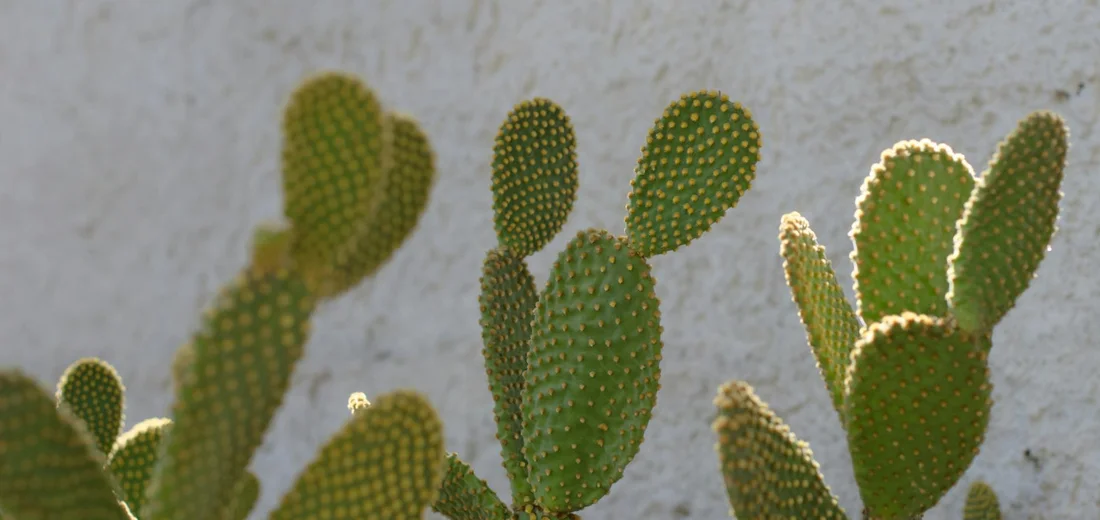
Get up close and personal with your plant. Look for small, fuzzy, or cotton-like bumps arranged in a pattern along the ribs or ridges. Areoles often look like little tufts of wool, even before any spines emerge from them. Run your finger over one gently; it should feel slightly raised and textured.
Here’s my simple two-step check I do with every new spiky plant I find:
- Locate the spines or thorns on the plant.
- Check to see if those spines are growing directly out of a distinct, often fuzzy, pad. If they are, you’ve found an areole and you have a cactus!
Quick Tip: No fuzzy bumps, no cactus. It’s really that straightforward. Plants like Agaves or some Aloes may have sharp leaf tips, but their defenses grow directly from the leaf margin, not from a separate, specialized areole.
Comparing Plant Anatomy: A Side-by-Side Look
Spines vs. Thorns: A Prickly Matter
This is the single most reliable way I tell them apart in my own collection. Cacti spines are actually modified leaves that grow from specialized structures called areoles. Those fuzzy little bumps are the cactus’s command centers for growth.
Run your finger (carefully!) near a cactus spine and you’ll feel that fuzzy areole. Succulents like agaves or aloes have sharp points, but they’re just modified leaf tips or margins. If you don’t see that distinct areole, you’re almost certainly looking at a succulent.
Stems and Water-Storage Adaptations
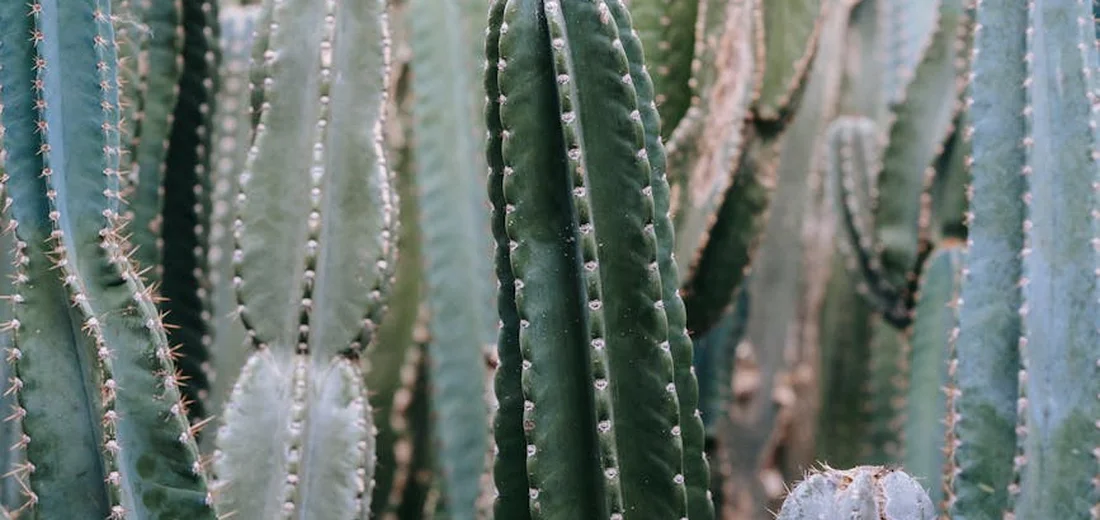
Both plants are masters of water storage, but they use different blueprints. Cacti are the ultimate minimalists; they store virtually all their water in their thick, fleshy stems. This is why a cactus without its spines often looks like a green, ribbed barrel or column. Those ribs allow the stem to expand like an accordion when it rains.
Succulents are more diverse in their approach. A jade plant stores water in its plump leaves, while a euphorbia might use its stem. Some species store water in their leaves, others in their stems, and some can do both. The key difference is that a succulent’s water storage isn’t exclusively tied to the stem.
The Leaf Story: Presence and Absence
Here’s a simple rule I follow: most cacti have no true, photosynthesizing leaves. They sacrificed them long ago to become spine-covered water tanks. By ditching leaves, cacti drastically reduce their surface area and minimize water loss to dry, hot air.
Succulents, on the other hand, almost always have leaves. Their leaves are the main event—they’re typically thick, waxy, and designed to hold moisture. Think of the smooth, rounded leaves of an echeveria or the stacked leaves of a string of pearls. The presence of obvious, fleshy leaves is a huge clue pointing toward succulent plants.
Flowers and Growth Habits: More Clues for Identification
When they bloom, the differences become even more beautiful and obvious. Cactus flowers are often stunning, elaborate, and look like they’re growing directly from the areoles. They tend to be symmetrical and many open during the night to attract specific pollinators.
Succulent flowers are much more varied. You might see the tiny, clustered star-shaped flowers of a haworthia or the tall, dramatic bloom spike of an agave. I’ve found that succulent flowers often grow on a separate stalk that emerges from between the leaves, not from a centralized fuzzy spot. Understanding when and why succulents bloom helps explain their flowering cycles. With the right cues and care, you can anticipate and even encourage blooms.
Watch how they grow, too. Many cacti grow in a solitary, upright manner or form large, tree-like structures in nature. Succulents frequently form clusters or rosettes, readily producing offsets or “pups” around the mother plant. My jade plants are constantly creating little babies at their base, which is a classic succulent trait.
What These Differences Mean for Care
Now that we can spot the physical differences, let’s talk about what they mean for you and your watering can. These structural distinctions are the secret code to understanding their care needs. I’ve learned this through trial and error, and it completely changed my success rate with these plants.
Watering for Cacti vs. Other Succulents
This is the biggest care difference, and it all comes down to those spines. Since cacti don’t have traditional leaves, they lose far less water to the air. They are the ultimate water hoarders.
My method for cacti is the “soak and desert” approach. I completely drench the soil until water runs out the drainage hole, then I let it become bone-dry for a surprisingly long time. I often wait until the cactus shows slight signs of thirst, like a little give when I gently press its flesh.
Other succulents, like my jade plants and echeverias, need a bit more frequent attention. They still hate wet feet, but their leaves mean they transpire more. I water them deeply when the soil is completely dry, but I don’t let them sit in a dry state for weeks on end like I do with my cacti. It’s important to know when your succulents need water.
- Cacti: Deep, infrequent watering. Think of a desert downpour followed by a long drought.
- Succulents: Deep but slightly more regular watering. The soil should still dry out completely between drinks.
Light and Soil Preferences
Light needs follow a similar pattern. Most cacti are sun-worshippers, craving several hours of direct, bright light daily. My south-facing window is reserved for my spiky friends because they simply can’t get enough sun. Without it, they start to stretch out and become pale, a condition called etiolation.
Many succulents also love bright light, but some varieties, like haworthias and snake plants, are more forgiving and can handle bright, indirect light. This makes them fantastic for spaces that get good light but not the intense, direct beams a cactus demands. But how much light do different succulents really need? The answer varies by species and growing conditions.
For soil, the goal for both is excellent drainage, but the recipes differ slightly.
- Cacti Mix: I use a very gritty blend. My go-to is a pre-made cactus mix with extra perlite or pumice added for even faster drainage. It’s almost more rock than soil.
- Succulent Mix: A standard succulent or potting soil amended with perlite works perfectly. It holds a tiny bit more moisture than a cactus mix, which is what they prefer.
Quick Tip: Always plant in a pot with a drainage hole. This is non-negotiable for both cacti and succulents and is the single best way to prevent root rot. Even if you have the right pot, it’s crucial to check your soil for proper drainage.
Putting It All Together: Choosing Your Next Plant
So, which one is right for your home? Ask yourself a couple of simple questions about your space and habits.
If you have a super sunny spot and you’re the type of person who forgets to water, a cactus is your perfect match. They thrive on benign neglect and reward you with incredible, architectural shapes. My first successful plant was a golden barrel cactus because it survived my inconsistent care while I was learning.
If your light is bright but indirect, or if you enjoy the ritual of checking soil moisture a bit more often, lean toward a leafy succulent. You’ll get a wider variety of colors and forms, from the rosettes of sempervivums to the trailing stems of a string of pearls. To grow succulents effectively indoors, you can supplement with grow lights to provide bright, even light. Place the lights a few inches above the plants and run them on a timer for about 12-14 hours a day.
Honestly, you can’t go wrong. Choosing between a cactus and a succulent is about matching a plant’s natural instincts to your home environment. Both bring a unique, low-maintenance beauty that’s hard to beat, but it’s important to understand what succulents really need to thrive.
FAQs

What are some popular non-cactus succulents for beginners?
Jade plants and echeverias are great starter succulents because they are hardy and easy to care for.
How can I avoid confusing cacti with similar-looking plants like euphorbias?
Euphorbias often lack areoles and may have milky sap, unlike true cacti.
In what ways are cacti and succulents better suited for dry environments than other houseplants?
They store water in their tissues, allowing them to withstand longer periods without watering compared to typical houseplants.
What details in close-up photos are most helpful for telling cacti and succulents apart?
Look for areoles-fuzzy bumps where spines grow-as their presence confirms a cactus.
What are the most debated topics about cacti and succulent care on online forums?
Overwatering and ideal light conditions are common points of discussion and confusion among enthusiasts.
Do cacti require different soil pH levels than other succulents?
Both generally prefer slightly acidic to neutral soil, but always check specific species requirements for best results.
You’re Ready to Spot the Difference!
After years of nurturing both cacti and succulents in my own home, I can confidently say that focusing on areoles—the small, fuzzy bumps unique to cacti—is your quickest way to tell them apart. Once you start looking for areoles, identifying cacti becomes second nature, and you’ll never mix them up again. If you’re curious about identifying more succulent types, our Identify your succulent plant type complete guide is the perfect next step. It walks you through distinguishing features across common varieties so you can categorize your collection with confidence.
- Always check for areoles first-they’re the telltale sign of a cactus.
- Notice spine origins: cacti spines grow from areoles, while other succulents may have leaf-based spikes.
- Observe growth patterns: cacti often have a more rigid, segmented structure.
Now that you’ve got these tips, go ahead and examine your plants with a fresh eye-you’ll feel more connected to them and care for them with ease. Happy planting, and enjoy the rewarding journey of watching your green friends flourish!
Further Reading & Sources
- Do You Know the Difference Between Cacti and Succulents?
- r/succulents on Reddit: What’s the difference between succulents and cacti? Sorry to ask, I just wanna know
- Succulents vs. Cacti: What’s the Difference?
- Cacti and succulents | UMN Extension
Lena Greenfield is a passionate horticulturist and plant care expert with over 10 years of experience cultivating and nurturing hardy house plants. With a deep understanding of both indoor and outdoor gardening, Lena shares practical advice on choosing, caring for, and maintaining resilient plants that flourish year-round. Through her knowledge and hands-on approach, Lena helps plant lovers transform their spaces into vibrant, green sanctuaries, no matter their gardening experience.
Types of Succulents