
Do Succulents Regrow Leaves? Understanding Natural Regeneration
Published on: October 29, 2026 | Last Updated: October 29, 2026
Written By: Lena Greenfield
Yes, many succulents can regrow leaves naturally, and it’s a common part of their hardy growth cycle. If you’re concerned about lost leaves or bare patches, rest easy-with the right care, these plants often bounce back and fill out beautifully.
Drawing from my years of nurturing succulents, I’ll explain how regrowth works, what encourages or stops it, and my proven methods for healthy leaf renewal.
The Simple Answer: Yes, and Here’s How
When a leaf pops off one of my succulents, I don’t see it as a loss-I see it as a potential new plant. Succulents are champion regenerators, and a single dropped leaf can sprout an entirely new rosette with the right conditions. I’ve propagated hundreds of succulents on my sunny windowsill, and the process never fails to amaze me.
The key is that the leaf must be a “clean pull.” This means it should detach neatly from the stem, bringing its entire base along with it. If the leaf is torn or crushed, its chances of regrowing drop significantly. Gently wiggle the leaf from side to side until you feel a soft snap; a clean break is your ticket to propagation success.
Once you have your leaf, the waiting game begins. Place it on top of dry, well-draining soil and give it bright, indirect light. Do not water it. I repeat, do not water it yet. The mother leaf contains all the water and nutrients the baby plant needs to get started. Watering a leaf with no roots is a one-way ticket to rot city, a mistake I’ve made more times than I’d like to admit. In a few weeks, you’ll spot tiny pink roots searching for soil, followed by a miniature version of the parent plant.
The Fascinating Science of Succulent Leaf Regrowth
Watching a succulent leaf transform into a new plant feels a little like magic, but it’s actually a brilliant survival strategy. Succulents evolved this ability to clone themselves in harsh, arid environments where reproduction from seed is a risky gamble. Every plump leaf is a self-contained lifeboat, packed with the resources to start over. You can try propagating succulents from leaf cuttings by letting the cut ends callous, then placing the leaves on well-draining soil until roots form. With patience, new plants will sprout from the leaf’s base.
This process relies on specialized cells called meristematic cells. Think of them as blank slate cells, waiting for the right signal to become roots, stems, or leaves. When a leaf is cleanly removed, it triggers these cells at the base to spring into action, first creating a protective layer and then building a new root system. It’s a perfect example of a plant’s incredible resilience.
From Callus to Roots: The First Step
The moment a leaf is separated from the mother plant, its first job is to protect its “wound” from bacteria and fungi. It does this by forming a callus-a dry, scab-like tissue over the broken end. Letting the leaf callus over for a day or two before placing it on soil is a non-negotiable step for preventing rot. I always lay my fresh leaves on a paper towel on the counter to dry out for about 48 hours.
After the callus forms, the real magic begins. You’ll see tiny, hair-like roots emerging from the callused area. These aren’t searching for water yet; they’re seeking contact and stability. Once these roots touch a gritty soil surface, they anchor themselves and signal the leaf that it’s safe to start growing a new shoot, called a pup. The mother leaf will start to shrivel as it sacrifices itself to fuel this new life, which is a completely normal and beautiful part of the cycle.
Photosynthesis Powers New Growth
While the mother leaf acts as a food and water reserve, the new pup needs to start making its own energy. That tiny green rosette you see emerging is already performing photosynthesis, using light to create the sugars it needs to grow bigger and stronger. This is why providing bright, indirect light is so critical from the very beginning.
Without sufficient light, the process can fail. The new growth will become stretched and pale, a condition called etiolation, as it desperately searches for a light source. I keep my propagating leaves on a east-facing windowsill where they get plenty of morning sun without the harsh afternoon rays that could scorch them. Once the pup is established and the mother leaf has fully dried up, you can begin to treat it like a mature succulent, gradually introducing it to more direct light and a regular watering schedule.
Creating the Perfect Environment for Leaf Regeneration
Sun Exposure: The Goldilocks Principle
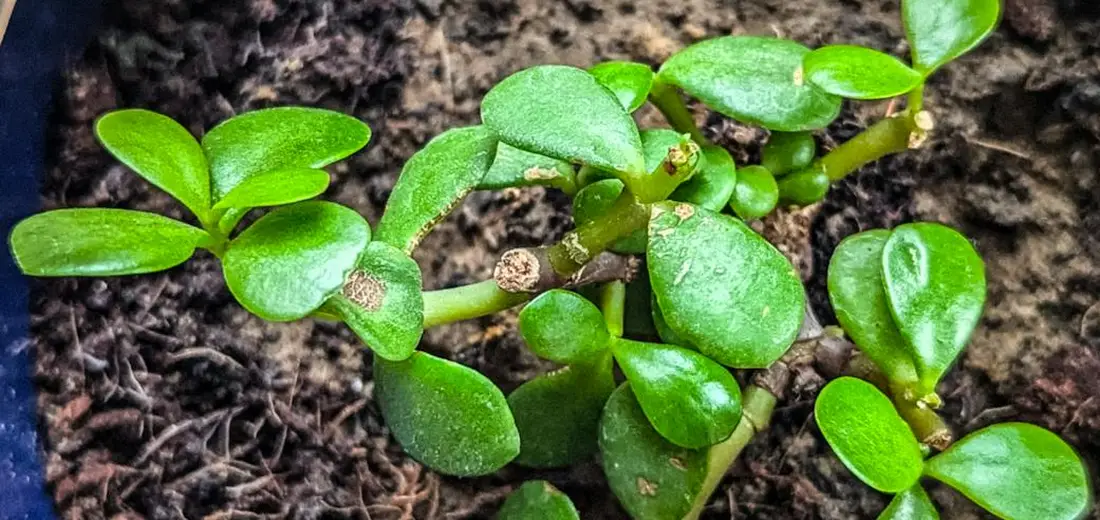
Getting the light right is the single most important factor for convincing a succulent to grow new leaves. Think of it like a Goldilocks situation: not too much, not too little, but just right. In my own sunroom, I’ve seen succulents stretch out and become pale when they’re desperate for more light, a process called etiolation. Different succulents require varying amounts of light, so it’s crucial to understand their specific needs.
On the flip side, I’ve also scorched a few tender leaves by moving a plant into direct, afternoon sun too quickly. A bright spot with indirect light for most of the day, with maybe a few hours of gentle morning sun, is the sweet spot for most varieties. If your plant is recovering from losing leaves, this kind of stable, bright environment gives it the energy it needs without adding stress.
Watering for Regrowth, Not Rot
Your watering routine needs a subtle shift when you’re encouraging new growth. You want to provide enough moisture to support new roots and leaves, but you absolutely must avoid drowning the plant. The classic “soak and dry” method is your best friend here, but you need to be extra vigilant about the “dry” part. I stick my finger a full two inches into the soil; if I feel any dampness at all, I walk away from the watering can.
When you do water, make it count. Water thoroughly until it runs out the drainage hole, then let the pot feel significantly lighter before you even think about watering again. This cycle mimics the natural desert downpours succulents love, prompting them to send out new roots and, eventually, new leaves. A thirsty plant is always better than a waterlogged one. Knowing when to water your plants is just as important as how to water them—learn the signs and symptoms for your succulents’ needs.
Propagating Succulents from Leaf Cuttings: A Step-by-Step Guide
When a leaf falls off, don’t toss it! This is your chance to grow a whole new plant for free. I have a dedicated “propagation station” tray on my windowsill just for this purpose. Here is my tried-and-true method.
- Choose the Right Leaf: Gently twist a healthy, plump leaf from the stem. You want a clean break where it attaches. Avoid using leaves that are already shriveled, discolored, or damaged.
- The Callus is Crucial: Lay the leaf on a paper towel and ignore it for 2-4 days. This allows the broken end to form a dry, scab-like callus. If you skip this step and put a fresh wound on soil, it will almost certainly absorb too much water and rot.
- Lay, Don’t Bury: Place the callused leaves on top of well-draining succulent soil. Do not bury them. I simply arrange them on the surface like little boats.
- Patience and Mist: Place the tray in bright, indirect light. Once you see tiny pink roots emerging, you can begin to lightly mist the soil around them every few days. The mother leaf will slowly shrivel as the baby plant uses its stored energy.
- Let the Mother Go: Once the baby plant is established and the original leaf has completely dried up, you can gently remove it. Now you have a brand new, self-sufficient succulent!
Which Succulents are Champions of Regrowth?

Not all succulents are created equal when it comes to bouncing back. From my experience, some are practically indestructible and will regrow from almost anything.
- Echeveria: These rosette-forming beauties are propagation powerhouses. A single leaf can easily produce a new clone. If you behead one, the stem will often sprout multiple new rosettes.
- Sedum (Stonecrop): Many Sedums are incredibly vigorous. A fallen leaf or broken stem segment will readily root and spread, making them fantastic ground covers.
- Graptopetalum (Ghost Plant): I’ve had Ghost Plant leaves root on dry pavement! They are exceptionally easy to propagate from leaves and are very forgiving of imperfect conditions.
- Kalanchoe: Species like the “Mother of Thousands” are famous for their prolific regrowth, producing tiny plantlets all along their leaf edges.
Quick Tip: Start your propagation journey with an Echeveria-their high success rate is a huge confidence booster!
On the other hand, succulents like Split Rocks (Pleiospilos) or Living Stones (Lithops) are much trickier. They have a very specific growth cycle and rarely, if ever, regrow from a single leaf; they typically need to be grown from seed. To propagate rare succulents successfully, start with clean, viable seeds and keep conditions steady (light, moisture, warmth). Patience pays off. Knowing your plant’s personality helps set the right expectations.
Troubleshooting Slow or Stalled Leaf Regrowth
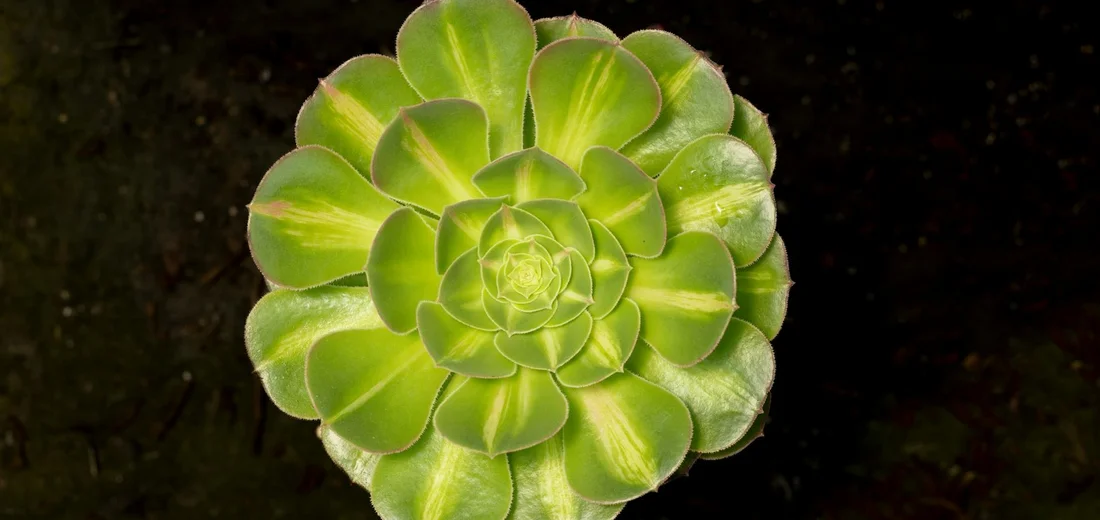
Seeing a bare stem for weeks can be disheartening. I’ve been there, staring at a succulent that seems to have given up. The most common culprit for stalled leaf regrowth is insufficient light. Your plant simply doesn’t have the energy to create new parts without enough sun.
Check your plant’s location. Is it in a bright, sunny window? If not, try moving it to a spot with more indirect light. I once had a jade plant that refused to grow until I moved it from a north-facing to a south-facing window. The difference was incredible.
- Inadequate Light: The plant lacks the energy for photosynthesis.
- Overwatering: Soggy soil can rot the stem, preventing new growth.
- Underwatering: The plant is in survival mode, conserving all resources.
- Nutrient Deficiency: The soil might be exhausted and need a gentle fertilizer.
- Dormancy Period: Some succulents naturally pause growth in summer or winter.
Feel the stem. Is it firm, or does it feel soft and mushy? A firm stem means there’s still hope. A quick tip: gently scratch the stem’s surface with your fingernail; if you see green underneath, the plant is still alive and capable of regrowing. Adjust one care factor at a time and give it a few weeks to respond. Patience is your best tool here.
Your Questions on Succulent Leaf Regeneration, Answered
How Long Does Leaf Regrowth Actually Take?
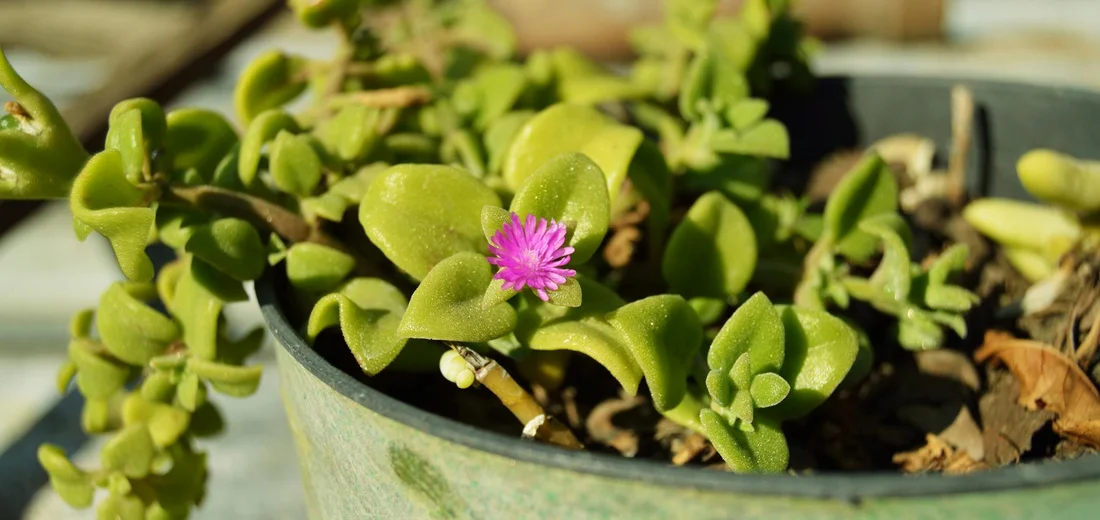
This is the question I get asked the most, and the honest answer is: it depends. From my experience, you can expect to see the first tiny signs of new leaves-little bumps or nubs on the stem-anywhere from 2 to 8 weeks after the old leaves fall off. A succulent like a Sedum might sprout new growth in just a couple of weeks, while a slower-growing Haworthia could take a few months.
The speed depends heavily on the season and the care you provide. Growth is fastest during the plant’s active growing season, typically spring and fall. Providing bright light and watering only when the soil is completely dry will encourage the quickest possible regrowth. Are succulents fast or slow growing plants? Generally, they are slow-growing compared with many other houseplants. Don’t panic if it seems slow; these plants operate on their own timeline.
Is Color Change in New Leaves a Bad Sign?
Not always! In fact, it’s often a fascinating sign of your plant’s adaptability. When new leaves grow in a different color—like red, pink, or purple tips—it’s frequently a response to sun exposure. This “sun stress” is usually harmless and can produce stunningly beautiful foliage. Many succulent collectors actually strive for these vibrant colors. Curious about why succulents turn color to yellow, brown, red, or purple? It’s all about pigment changes caused by light exposure, stress, and temperature.
However, you need to know the difference between pretty stress and a cry for help. If new leaves are coming in pale yellow or almost white, that’s a sign of etiolation-it’s desperately reaching for more light. Too little light often shows up as leggy, stretched growth and pale, underdeveloped leaves. Conversely, if the new growth has crispy, brown spots, it might be getting sunburned from too much direct, harsh light. Observe the color and adjust your plant’s location accordingly.
FAQs
How do succulents regrow leaves?
Succulents regrow leaves by activating specialized meristematic cells at the leaf node to generate new growth.
Can all succulents regrow leaves?
No, not all succulents can regrow leaves, as varieties like Split Rocks and Living Stones typically cannot regenerate from a single leaf.
Why do some succulents regrow leaves slowly?
Some succulents regrow leaves slowly due to factors like seasonal dormancy, insufficient root systems, or genetic traits. Understanding succulent dormancy periods and seasonal dormancy and growth cycles can explain these delays and guide care through resting and active phases.
Does overwatering affect leaf regrowth in succulents?
Yes, overwatering can lead to root or stem rot, which severely hinders or completely prevents the plant’s ability to regrow leaves.
Can I speed up regrowth of succulent leaves with fertilizer?
A diluted, balanced fertilizer applied during the active growing season can provide nutrients to support and potentially accelerate healthy regrowth.
Are there signs of healthy regrowth in succulents?
Signs of healthy regrowth include small, firm bumps or nubs appearing on the stem that gradually develop into plump, vibrant new leaves.
Your Succulent Regrowth Action Plan
In my years of nurturing succulents, I’ve seen that they reliably regrow leaves when you provide consistent care focused on their basic needs. Stick to a simple routine of proper light, careful watering, and patient propagation to encourage natural leaf regeneration. That includes transplanting and taking cuttings to propagate new plants. With clean cuts, proper callousing, and a well-draining soil mix, you can transplant and propagate succulents successfully.
- Place succulents in bright, indirect light for strong growth.
- Water only when the soil is completely dry to prevent rot.
- Gently twist off healthy leaves for propagation if needed.
Now, take these tips and apply them to your own plants with confidence. Do succulents need to thrive? They do, with bright light, well-draining soil, and careful watering. Your attentive care will help your succulents thrive and regrow, turning any setbacks into opportunities for new growth.
Further Reading & Sources
- How to Propagate Succulents from Leaves and Cuttings | Succulents and Sunshine
- How to Grow Succulents from Leaves and Stem Cuttings
- How to Propagate & Grow Succulents From Leaves : 8 Steps (with Pictures) – Instructables
- r/succulents on Reddit: Will leaves regrow on the middle parts of the stem?
Lena Greenfield is a passionate horticulturist and plant care expert with over 10 years of experience cultivating and nurturing hardy house plants. With a deep understanding of both indoor and outdoor gardening, Lena shares practical advice on choosing, caring for, and maintaining resilient plants that flourish year-round. Through her knowledge and hands-on approach, Lena helps plant lovers transform their spaces into vibrant, green sanctuaries, no matter their gardening experience.
Propagation Methods