
Is Your Succulent Overwatered or Underwatered? How to Tell and Fix It
Published on: February 10, 2026 | Last Updated: February 10, 2026
Written By: Lena Greenfield
Are your succulent’s leaves turning yellow and mushy, or are they wrinkled and crispy? It can be tricky to tell if you’re giving your plant too much love with the watering can or not enough.
In this guide, I’ll walk you through exactly what to look for. You’ll learn the specific signs of overwatering, the clear symptoms of underwatering, immediate steps to fix each problem, and how to create a perfect watering schedule for the future.
The Quick Guide: Overwatered vs. Underwatered Symptoms
When your succulent looks sad, the fastest way to diagnose the issue is to compare the symptoms side-by-side. I always tell my friends that the leaves and soil tell the whole story if you know what to look for.
| Symptom | Overwatered | Underwatered |
|---|---|---|
| Leaf Texture | Soft, mushy, translucent | Thin, crispy, wrinkled |
| Leaf Color | Yellow, pale green, black | Dull, faded, sometimes brown |
| Soil Moisture | Constantly wet or damp | Bone-dry, pulls from pot edge |
The Touch Test: Feeling for Turgor
A healthy, well-watered succulent leaf should feel firm and plump, like a grape ready to be picked. This firmness is called turgor pressure, and it’s the best at-home health check you can do. Gently squeeze a lower leaf between your fingers. An overwatered leaf will feel soft and squishy, like an overripe peach. An underwatered leaf will feel thin, limp, and papery. It’s a simple test I use weekly on my own collection.
Identifying an Overwatered Succulent
Visual Signs of Too Much Water
-
Leaf mushiness and translucency are the biggest red flags. The leaves start to look waterlogged and may even feel slimy. I’ve seen leaves become so saturated with water that you can almost see light through them, a clear sign the cells are bursting. This is often the first and most dramatic symptom.
-
Yellowing leaves signal distress, and blackening is a critical warning. The plant starts to lose its vibrant color, turning a sickly yellow or pale green. When you see leaves turning black, it usually means advanced rot has set in, and the tissue is dying. This often starts at the base of the plant or the stem.
-
Leaves drop off with the slightest touch. A healthy succulent holds onto its leaves tightly. If you barely brush against the plant and leaves fall off effortlessly, you are almost certainly dealing with overwatering. They don’t just drop; they often detach with a mushy, rotten base. To prevent this and understand why it happens, focus on proper watering and drainage—overwatering is a common cause of leaf loss. By giving roots a chance to dry between waterings, you reduce leaf drop and keep plants healthier.
The Root of the Problem: Root Rot
-
Root rot looks like dark brown or black, slimy threads instead of firm, white roots. When you unpot the plant, a healthy root system should smell like fresh earth, but a rotten one will have a distinct, foul, swampy odor. It’s a smell you don’t forget once you’ve encountered it.
-
Overwatering is the direct cause of root rot. The soil stays wet for too long, creating an environment without oxygen where harmful fungi and bacteria thrive. These pathogens then attack the roots, making them unable to absorb water or nutrients, which ironically makes the plant above ground show signs of thirst while its roots are drowning.
Identifying an Underwatered Succulent
Signs Your Plant is Thirsty
-
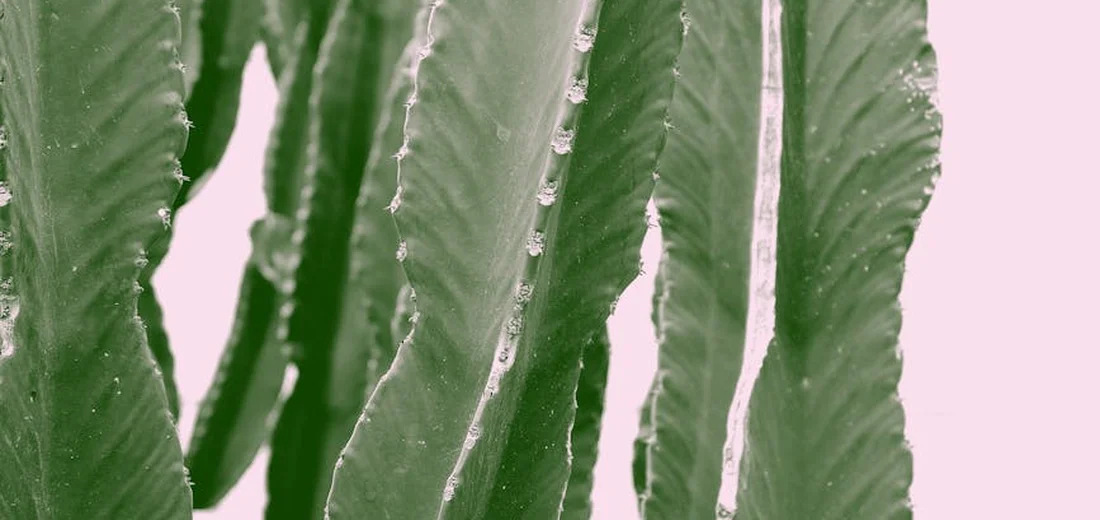
The leaves will start to wrinkle and shrivel, looking more like a raisin than a plump, happy plant. I’ve seen this happen most often on my Echeverias and String of Pearls when I’ve forgotten about them for a week too long.
-
Leaves become thin and papery to the touch, losing their firm, juicy feel. They might even feel a bit crispy around the edges, which is a sure sign they’ve used up their internal water reserves.
-
You’ll notice the soil has pulled away from the edges of the pot, creating a gap. This shrinkage means the soil has become hydrophobic and won’t absorb water easily, which is a classic underwatering clue.
The Feel of a Thirsty Plant
-
A healthy succulent leaf feels firm and taut, like a grape ready to burst. A dehydrated leaf feels flexible, thin, and sometimes crisp, bending easily without that satisfying solidness. Gently squeeze a leaf; if it gives way under light pressure, it’s sending you a thirst signal.
-
The entire plant may look deflated or limp, as if it’s lost its structural integrity. Instead of standing proud and perky, the rosette or stem might appear slumped over and sad.
Immediate Fixes for an Overwatered Succulent
-
Stop watering immediately and gently remove the plant from its pot. This is the most critical first step to prevent further root damage from soggy soil.
-
Inspect the roots and carefully trim away any that are mushy, black, or smell foul. I use clean, sharp scissors for this, and I’m ruthless-only firm, white or tan roots should remain.
-
Let the root ball air dry for a day or two in a warm spot with good air circulation. This gives any small wounds from trimming a chance to callous over, which helps prevent rot when you repot.
-
Repot the plant into a fresh, completely dry, well-draining soil mix. I always use a cactus and succulent blend and add extra perlite for even better drainage to give my plant a fresh start.
Immediate Fixes for an Underwatered Succulent
-
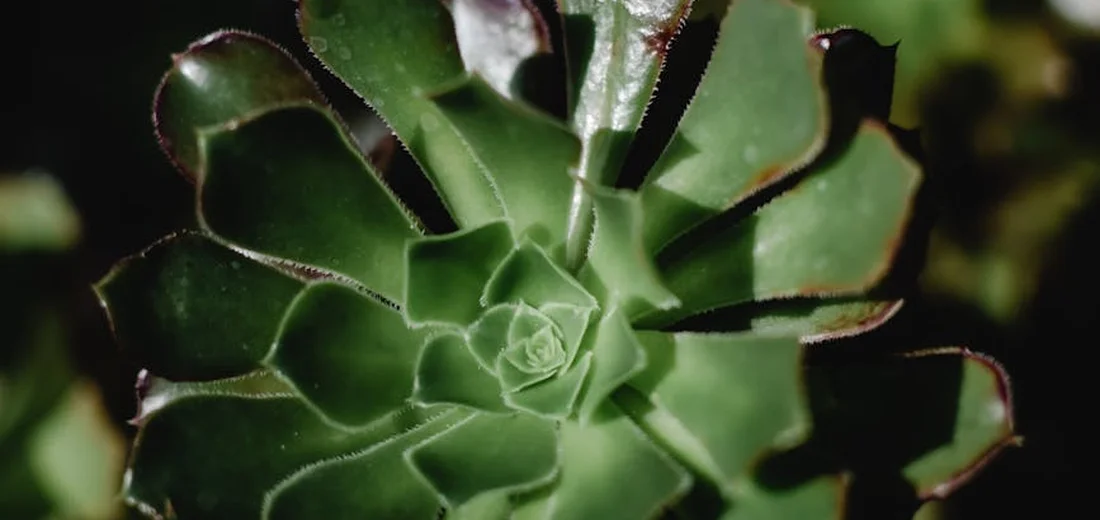
Step 1: Give the plant a thorough, deep watering.
Take your succulent to the sink and water it slowly until you see water running freely from the drainage holes. This deep soak ensures the entire root ball gets moisture, not just the top layer of soil. I’ve found that a quick splash on the surface often misses the deeper roots that are most in need. After repotting, this deep watering helps the plant re-establish in its new pot. It also helps settle the new soil and reduce transplant shock. -
Step 2: Consider the bottom-watering method for even saturation.
Place your pot in a shallow dish or tray filled with about an inch of water. Let it sit for 30-45 minutes. Bottom-watering encourages roots to grow downward and helps the soil absorb moisture evenly from the bottom up, which is perfect for reversing dehydration. I use this method for all my thirsty succulents and they perk up beautifully. That technique is discussed in the bottom watering techniques complete guide. It also covers timing, soak duration, and signs of overwatering. -
Step 3: Allow excess water to drain completely.
After watering, never let your plant sit in a saucer of water. Lift the pot to ensure no water is pooled at the bottom, as this can shock the roots and lead to rot after a period of drought. I always tip my pots sideways over the sink to get out every last drop. -
Step 4: Place in bright, indirect light to aid recovery.
Move your freshly watered succulent to a spot with plenty of light, but out of direct, harsh afternoon sun. The right light helps the plant use its new water reserves efficiently to plump up its leaves and regain its firm shape. An east-facing window is my go-to spot for plant rehab.
Preventing Future Watering Problems
Mastering Your Watering Schedule
-
Advise on the “soak and dry” method.
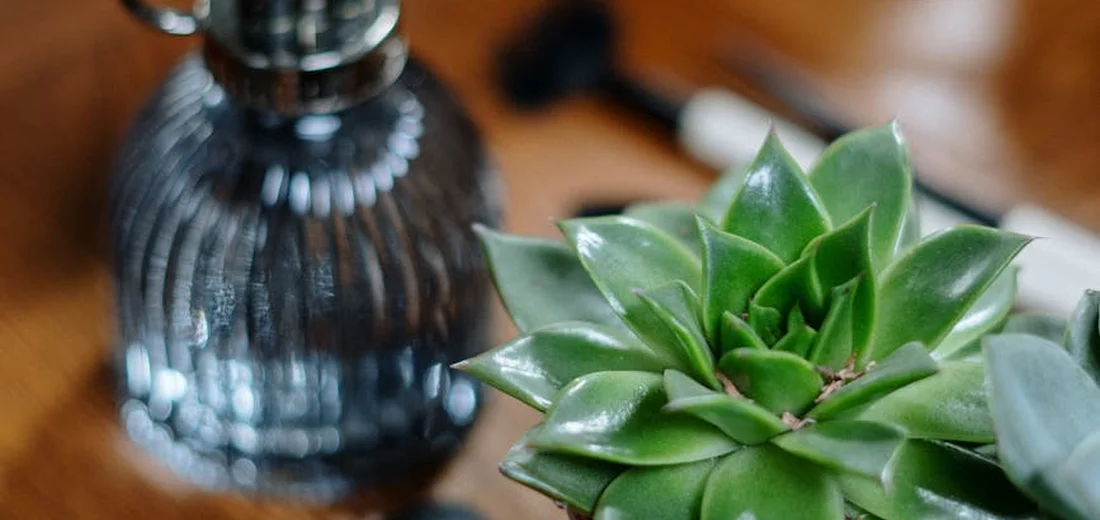
This is the golden rule I follow with all my succulents. Water deeply only when the soil is completely dry all the way to the bottom of the pot, then wait for it to dry out again. It mimics the natural desert rains they’ve evolved to love. For a complete guide on how often to water succulents, check the rest of this guide. Frequency depends on pot size, soil type, climate, and season. -
Suggest using a moisture meter or the finger test.
Forget guessing. I keep a simple moisture meter in my potting shed to check soil dampness deep in the pot, which is far more reliable than just looking at the surface. If you don’t have one, stick your finger two inches into the soil; if it’s dry, it’s time to water. -
Explain how to adjust watering frequency with seasons.
Your succulent’s thirst changes with the light and temperature. In the bright, active growing season (spring/summer), you might water every 1-2 weeks, but in the dormant winter, I sometimes go a month or more between waterings. Always let the soil’s dryness be your guide, not the calendar. Adjust your watering frequency based on the season.
The Right Pot and Soil for Success
-
Emphasize the necessity of drainage holes.
This is non-negotiable for healthy succulents. A pot without a drainage hole is like a bathtub without a drain-it traps water and drowns the roots. Every single one of my succulents lives in a pot with at least one good-sized hole in the bottom. -
Recommend a gritty soil mix recipe (e.g., cactus mix with perlite).
Store-bought cactus soil often holds too much moisture on its own. My favorite DIY mix is two parts cactus soil to one part perlite or coarse sand, which creates the fast-draining, airy environment succulent roots crave. You’ll feel the difference in texture; it’s gritty, not dense. For a straightforward approach, use perlite in succulent soil mixes. This simple tweak boosts drainage and keeps roots well-aerated. -
Discuss how pot material (terracotta vs. plastic) affects drying time.
The pot you choose is a major player in your watering routine. Porous terracotta pots pull moisture from the soil, helping it dry faster and reducing the risk of overwatering-they’re my top choice for beginners. Plastic and glazed ceramic pots retain moisture much longer, so you must water less frequently.
Watching for Recovery: Signs Your Succulent is Healing
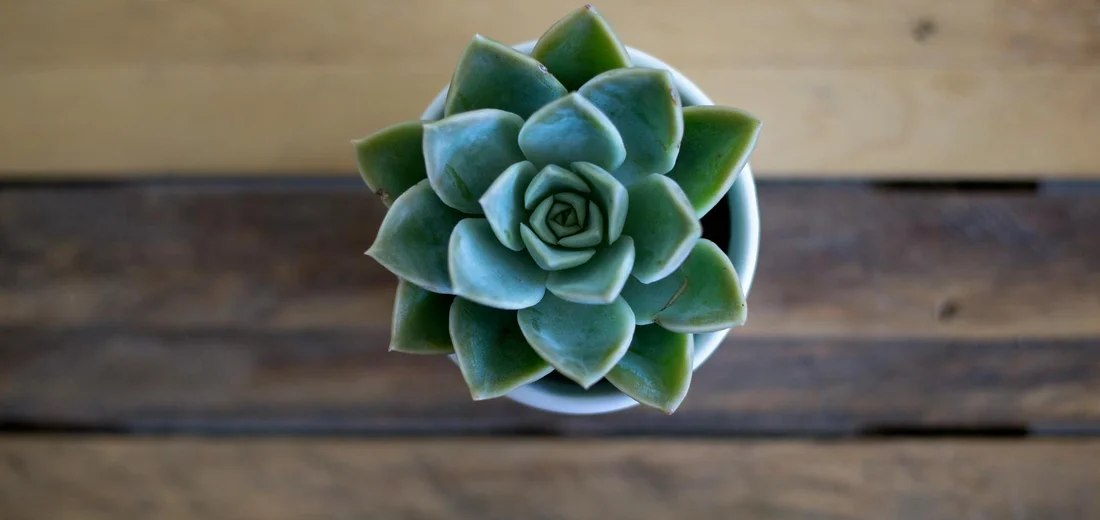
Once you’ve corrected your watering routine, the waiting game begins. I’ve found that the first sign of a successful rescue is often a subtle change in the plant’s overall posture and firmness. It stops looking quite so sad and starts to feel more substantial.
After an Overwatering Rescue
When a succulent recovers from too much water, it stops its downward spiral. You’ll notice the remaining healthy leaves feel firm again instead of soft and mushy, and the plant will stop dropping leaves altogether. The most exciting sign is seeing tiny new growth at the very center of the rosette.
- The base of the stem and remaining roots will feel firm, not slimy.
- The plant’s color may brighten, losing that dull, yellowish tinge.
- New, compact growth emerges from the center, showing the plant has redirected its energy.
After Rehydrating an Underwatered Plant
A thirsty succulent’s comeback is often dramatic and fast. If your plant’s leaves are wrinkly, soft, or squishy leaves, that’s usually a sign they’ve been underwatered and dehydrated. This helps explain the wrinkled look before they’re revived: they need water to regain turgor. Within a few days of a good soak, you’ll see those wrinkled, deflated leaves start to plump up and become smooth and taut again. The plant literally reinflates with water, looking lush and happy.
- Wrinkled leaves gradually smooth out and feel firm to the touch.
- The plant’s color becomes more vibrant, losing the dull or reddish stress tones.
- The lower leaves, which were once crispy and dry, may be shed as the plant focuses on the healthy ones.
Remember, recovery is a slow process, not an overnight fix. An old, severely damaged leaf from overwatering will not heal itself; the plant’s energy goes into growing new, healthy leaves instead. Be patient and consistent with your new care routine, and your succulent will reward you with fresh growth. Succulents do regrow leaves. Understanding natural regeneration helps you care for them during recovery.
Quick tip: Mark your calendar on the day you corrected the watering issue. This helps you track the recovery timeline and stops you from fussing over the plant too much, which can do more harm than good.
Common Questions
What are the signs of an overwatered succulent?
Leaves become soft, mushy, and translucent, and may drop off easily.
How can you tell if a succulent is overwatered?
The soil will feel constantly wet or damp to the touch.
What causes a succulent to become overwatered?
Watering too frequently before the soil has had a chance to dry out completely.
How do you treat an overwatered succulent?
Remove the plant from its wet soil, trim any rotten roots, and repot into fresh, dry, well-draining mix.
How can you prevent overwatering in succulents?
Always use pots with drainage holes and a gritty soil mix, and only water when the soil is completely dry.
Can roots rot from overwatering?
Yes, persistently wet soil suffocates roots, creating an environment where root rot fungi and bacteria thrive.
Your Succulent Success Starts Here
In my years of nurturing succulents, I’ve found that the simplest way to keep them happy is to match your care to their visible cues – once you know what to look for, it becomes second nature. You’ll learn to tell when your succulents need water by looking for signs like wrinkled leaves or dry soil. Recognizing these water-sign symptoms helps you time each watering just right. Focus on these quick checks to diagnose and fix watering issues fast:
- Overwatered: Soft, translucent leaves and soggy soil mean hold back on water and improve drainage.
- Underwatered: Shriveled, crispy leaves and dry soil call for a thorough soak and consistent moisture.
I’ve seen many plant lovers bounce back from watering mishaps, and you will too-your green thumb is stronger than you think! Stick with us at Hardy House Plants for more easy, experience-backed tips to grow your confidence.
Further Reading & Sources
- Are You Overwatering or Underwatering Succulent | THE NEXT GARDENER – Thenextgardener
- How Not to Overwater or Underwater Your Succulents – Succulents Box
- r/succulents on Reddit: How to tell if over or under watered? Enough light?
- Underwatering or Overwatering Succulents – Signs and How to Rescue – CactiCo
Lena Greenfield is a passionate horticulturist and plant care expert with over 10 years of experience cultivating and nurturing hardy house plants. With a deep understanding of both indoor and outdoor gardening, Lena shares practical advice on choosing, caring for, and maintaining resilient plants that flourish year-round. Through her knowledge and hands-on approach, Lena helps plant lovers transform their spaces into vibrant, green sanctuaries, no matter their gardening experience.
Watering Practices