
How Big Do Mini and Small Succulents Grow? Your Size Guide
Published on: April 22, 2026 | Last Updated: April 22, 2026
Written By: Lena Greenfield
You picked out a cute little succulent, and now you’re wondering just how much space it will eventually need. Will it stay that perfect, tiny size, or is it secretly planning to take over your windowsill?
In my years of collecting, I’ve found that most mini succulents stay charmingly compact, but their final size depends heavily on their specific type and care. I’ll walk you through exactly what to expect so you can plan your plant family without any surprises.
In this guide, I’ll cover: typical mature sizes for popular mini succulents, how quickly they reach their full size, the key factors that influence their growth, and simple care tips to keep them healthy and compact.
What Defines Mini and Small Succulents?
In my years of collecting, I’ve found that mini and small succulents aren’t just young versions of larger plants. They are a specific category defined by their compact size, incredibly slow growth rate, and often, a genetic predisposition to stay small. Miniature and small succulents are perfect for limited spaces.
Think of them as the bonsai of the succulent world, naturally inclined to maintain a petite stature.
Key Characteristics
- Compact Size: Their leaves are tightly packed, and their overall form is dense, not leggy or sprawling.
- Slow Growth Rate: You won’t see dramatic changes week-to-week. These plants take their time, often only putting on a few new leaves a year.
- Naturally Dwarf Varieties: Many are cultivated to be small and will never grow into the large specimens you see at garden centers.
Mini vs. Standard Succulents
The main difference lies in their mature size and growth habit. A standard Echeveria might eventually form a rosette the size of a dinner plate, while a mini version will stay the size of a silver dollar. Their mature height and width are intentionally limited, making them perfect for constrained spaces.
Common Features of Mini & Small Succulents
- Typically remain under 6 inches in height at full maturity.
- Often have a similar spread (width), creating a balanced, chunky appearance.
- Ideal for terrariums, fairy gardens, and small pots on windowsills or desks.
- Their root systems are proportionally small, so they thrive in shallow containers.
Typical Size Expectations for Mini Succulents
Managing expectations is key to enjoying these tiny treasures. Patience is your greatest asset, as most mini succulents grow at a glacial pace, often taking several years to reach their full, albeit small, potential. You’re not doing anything wrong if they seem to stay the same size for months.
Their growth rate is so slow that you might only notice they’ve expanded when you compare photos from a year ago.
Mature Size Ranges
Generally, a mature mini succulent will have a height and spread between 1 and 4 inches. Some varieties, like certain succulent plants like Haworthias, stay incredibly compact, while others, like mini Jade plants, might stretch to the higher end of that range over many years.
Growth Rate and Timeline
Most mini succulents will reach their mature size within 2 to 5 years. Their slow expansion is a blessing in disguise, as it means they won’t quickly outgrow their charming little pots. So, are succulents fast or slow growing succulents? For the most part, these mini varieties are slow to moderate growers, which keeps care easy and predictable.
Mini Succulent Size Comparison
| Succulent Type | Mature Height | Mature Width/Spread |
|---|---|---|
| Haworthia cooperi | 2 inches | 3 inches |
| Echeveria ‘Lola’ (mini form) | 3 inches | 4 inches |
| Sedum ‘Little Missy’ | 1-2 inches | 6-8 inches (trailing) |
| Lithops (Living Stones) | 1 inch | 1-2 inches |
| Crassula ‘Buddha’s Temple’ | 4-6 inches | 3 inches |
Factors Influencing Succulent Growth and Size
Light Requirements for Optimal Growth
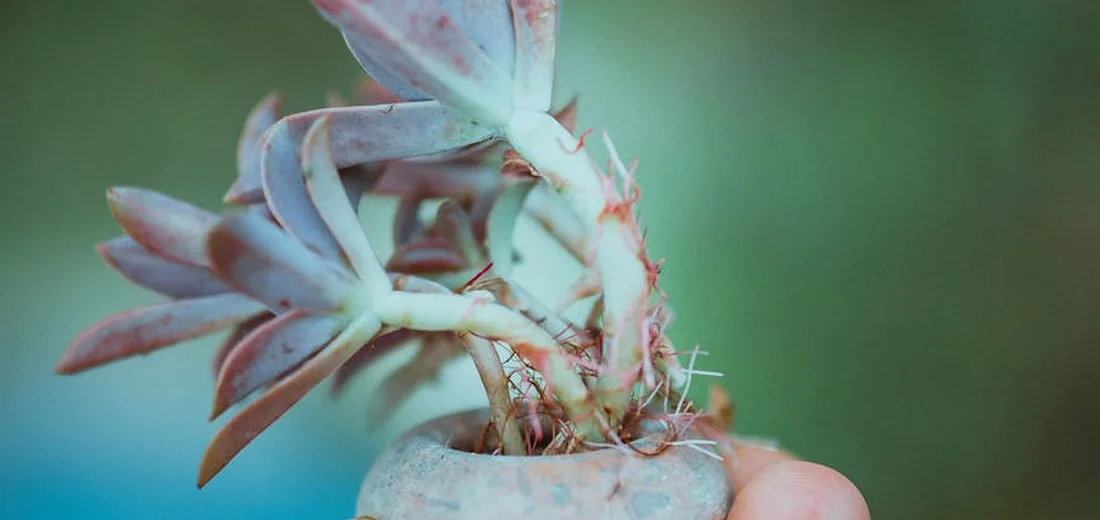
Light is the main driver of how your succulents grow, directly impacting their shape and compactness. In my own collection, I’ve seen a single haworthia stretch out and become leggy after just a few weeks in a dim corner, while its twin under a grow light stayed tight and colorful. Too little light makes them etiolate, or stretch, reaching for a light source and creating a weak, elongated form. That’s why succulents get leggy: they’re not getting enough light. The fix is simple—give them brighter, more consistent light, either by moving them to a sunnier spot or using a grow light, and rotate to promote even growth.
Bright light, on the other hand, encourages the dense, rosette shapes we all love and keeps their colors vibrant.
- For Indoor Plants: Place them in your brightest window, typically a south or east-facing one. If your light is low, a simple clip-on grow light for 6-8 hours a day works wonders.
- For Outdoor Plants: Provide bright, indirect light or morning sun. Most mini succulents can’t handle intense, all-day afternoon sun, which can scorch their leaves.
- Rotate your pots a quarter turn every time you water to ensure all sides get even light and grow symmetrically.
Watering Needs and Impact on Size
Your watering habits are a powerful tool for controlling the size and health of your small succulents. Overwatering is the fastest way to stunt or kill a succulent, as soggy soil leads to root rot, halting growth entirely. Conversely, a careful underwatering routine can help maintain their miniature stature for longer.
Here is my go-to method for checking when to water:
- Stick your finger about two inches into the soil. If it feels dry and you don’t see any soil particles sticking to your skin, it’s time.
- Water thoroughly until you see it run out of the drainage hole at the bottom of the pot.
- Empty the saucer or cache pot after 15 minutes to ensure the plant isn’t sitting in water.
- Wait until the soil is completely dry again before repeating the process. This could be every 10-14 days, but always let the soil be your guide, not the calendar.
Soil Mix and Pot Size Considerations
The right soil and pot act as the foundation for your succulent’s growth. A pot that’s too large will hold excess moisture around a small root system, increasing the risk of rot, while a snug pot helps control their size and promotes a healthier root network. I always choose a pot that’s just an inch or two wider than the plant itself.
A fast-draining soil mix is non-negotiable for preventing waterlogged roots. You can easily make your own:
- Two parts potting soil
- One part perlite
- One part coarse sand or poultry grit
When repotting to manage size, gently loosen the root ball and place it in a new pot with fresh soil, only going up one pot size if you want a little more growth.
Propagation Methods to Manage Growth
Propagation is my favorite way to keep my succulent collection under control and share plants with friends. This process creates new, small plants without the original one getting significantly larger, which is perfect for maintaining a mini garden aesthetic. Most mini succulents readily produce offsets (pups) or can be grown from individual leaves.
Follow these steps to propagate from a leaf:
- Gently twist a healthy, plump leaf from the stem, ensuring you get a clean break.
- Let the leaf sit in a bright, dry spot out of direct sun for a few days until the broken end forms a callus.
- Place the callused leaf on top of dry succulent soil. Mist the soil lightly every few days once you see tiny pink roots forming.
- A new baby plant will eventually sprout from the base of the leaf. The original leaf will wither away as the new plant grows.
Environmental Factors: Temperature and Humidity
Stable, comfortable home environments are ideal for most small succulents. I’ve noticed my plants practically pause their growth during hot, humid summers and then put on a growth spurt when the cooler, drier air of autumn arrives. Most prefer daytime temperatures between 65-80°F (18-27°C) and a slight drop at night. Maintaining balanced humidity and good air circulation supports these temperature/humidity needs, helping healthy succulents thrive.
High humidity can be a challenge, as it slows soil drying and can promote fungal issues.
- Improve air circulation around your plants with a small fan.
- Water less frequently during humid spells, as the soil will take longer to dry.
- Keep plants away from steamy areas like bathrooms and kitchens unless you have excellent ventilation.
Popular Mini and Small Succulent Varieties
Choosing the right varieties is half the battle in creating a manageable mini garden. Over the years, I’ve found that dwarf cultivars and certain genera are naturally predisposed to staying small, making them perfect for tiny pots and terrariums. Here are some of the most reliable compact growers.
- Haworthia: These are tough, low-light tolerant succulents that typically stay under 5 inches tall and wide. They’re slow growers and form neat clumps.
- Echeveria: Many miniature hybrids, like Echeveria ‘Lola’ or ‘Dondo’, form perfect rosettes that rarely exceed 3-6 inches in diameter.
- Sedum: Ground-covering sedums like Sedum dasyphyllum ‘Major’ form dense mats only an inch or two tall, perfect for filling in spaces.
Dwarf cultivars are specifically bred for their small stature. Look for names containing words like ‘mini,’ ‘dwarf,’ ‘pusilla,’ or ‘compacta’ to be sure you’re getting a plant that will stay small.
| Variety | Mature Height | Mature Width | Quick Care Note |
|---|---|---|---|
| Haworthia cooperi | 2-3 inches | 3-4 inches | Prefers bright, indirect light; plump leaves show thirst. |
| Echeveria ‘Lilliput’ | 2 inches | 3 inches | Needs strong light to keep its tight rosette shape. |
| Sedum clavatum | 4 inches | 6 inches (trailing) | Great for hanging pots; water when leaves slightly wrinkle. |
| Aloe ‘Delta Lights’ | 4 inches | 4 inches | Variegated leaves; more sun brings out brighter colors. |
| Crassula ‘Buddha’s Temple’ | 6 inches | 3 inches | Columnar grower; very sensitive to overwatering. |
Care Tips for Controlling Succulent Size
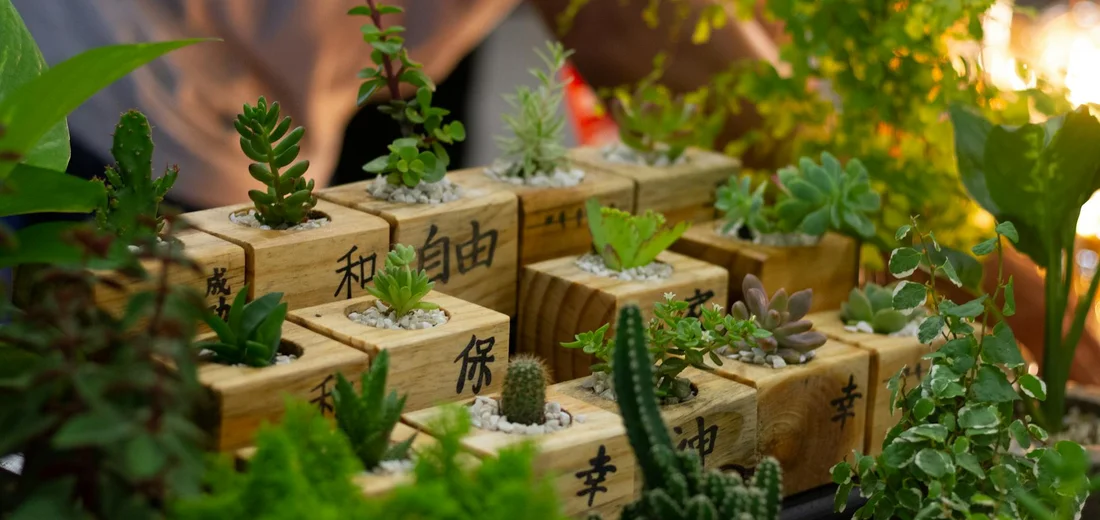
Keeping your succulents small and compact is a fun challenge I tackle in my own collection. The secret is to mimic the slightly stressful conditions of their natural habitats. This encourages them to grow slowly and densely, rather than tall and lanky. This approach helps keep succulents small, compact, and healthy. With careful balance of light, water, and drainage, you can maintain tidy, dense growth.
Pruning for Perfect Proportions
Don’t be afraid to give your succulents a little haircut. I use clean, sharp scissors to snip off any leggy growth or overly long stems. Pruning redirects the plant’s energy back into producing a tighter, more beautiful rosette. You can even propagate the cuttings to grow new, tiny plants.
Mastering Light for Miniature Growth
Light is your most powerful tool for size control. Succulents that don’t get enough light will stretch out desperately, a process called etiolation. Providing several hours of bright, direct sunlight daily is the single best way to ensure a stout, colorful plant. A south-facing window is my go-to spot. Different succulents have different light needs, so a single rule doesn’t fit every plant. Some do best in bright direct sun, others thrive with bright indirect light.
The Potting Strategy
I always choose a pot that is only about an inch wider than the succulent itself. A pot that’s too large holds excess moisture and encourages the roots to expand, which in turn tells the top of the plant to grow bigger. A snug pot is like a cozy home that naturally restricts growth to a manageable size. Use a gritty, well-draining soil mix to prevent waterlogging.
Your Routine Care Guide for Size Maintenance
- Check the Light: Rotate your plant a quarter-turn every week to ensure all sides get even sun exposure.
- Water Deeply, But Rarely: Soak the soil completely, then wait until it is bone-dry before watering again. This teaches the plant to be efficient with its resources.
- Inspect and Snip: Once a month, look for any stretched stems or dead leaves at the base and prune them away.
- Resist Fertilizer: I only feed my mini succulents once a year, at most, with a diluted, balanced fertilizer.
Common Mistakes to Avoid
- Over-fertilizing: This gives the plant a growth spurt, causing it to get leggy and lose its compact shape.
- Using oversized containers: A huge pot is an invitation for the plant to grow large and for the roots to potentially rot.
- Inconsistent watering: Erratic watering can shock the plant, leading to both stunted and uneven growth.
- Low light placement: This is the fastest way to create a tall, weak, and stretched-out succulent.
Identifying and Solving Growth Issues
Sometimes, your succulent’s size tells you exactly what’s wrong. Learning to read these signs has saved many of my plants from common pitfalls.
Reading the Signs
Etiolation (Stretching): If your succulent looks like it’s reaching for the sky with large gaps between the leaves, it needs more light. This stretching permanently changes the plant’s shape and makes it top-heavy.
Rot (Mushy and Discolored): Soft, black, or brown leaves, especially at the base, signal overwatering and root rot. This can quickly kill the plant and certainly stops all healthy growth.
Stunted Growth (No Change): If your plant hasn’t grown at all in a season, it could be rootbound, need more light, or be starving for nutrients in old, depleted soil.
Troubleshooting Steps
For Etiolation: Gradually move the plant to a brighter location to prevent sunburn. You can’t fix the stretched part, but you can behead the top rosette and replant it to start over.
For Rot: Act fast! Remove the plant from its pot and cut away all soft, mushy roots and leaves with a sterile knife. Let the plant callous over for a few days before repotting it in fresh, dry soil.
For Stunted Growth: Gently remove the plant and check if the roots are circling the pot. If so, repot into a slightly larger container with new soil. If the roots look fine, try moving it to a sunnier spot.
Quick Fixes for Common Challenges
- Stretching? Move it to a sunnier windowsill immediately.
- Looks pale? It’s probably sun-starved; introduce it to more light gradually.
- Soil stays wet for days? Your pot lacks drainage holes; repot into one that has them.
- No growth for months? It might be dormant, but if it’s growing season, check for rootbound conditions.
FAQs
What defines a mini succulent?
Mini succulents are defined by their compact size, slow growth rate, and genetic tendency to stay small.
How big do mini succulents typically grow?
Most mini succulents reach a mature size of 1 to 4 inches in height and width.
What factors affect mini succulent growth?
Key factors include light exposure, watering habits, soil type, and environmental conditions like temperature.
How much light do mini succulents need to grow well?
They require several hours of bright, direct sunlight daily to maintain compact growth and vibrant colors.
How often should you water mini succulents for growth?
Water only when the soil is completely dry, typically every 10-14 days, to support healthy growth without overwatering.
What fertilizers support growth in mini succulents?
Use a diluted, balanced fertilizer sparingly, no more than once a year, to avoid promoting leggy growth.
Your Mini Succulent Size Cheat Sheet
To sum it up, mini and small succulents generally stay petite with mindful care, but their final size hinges on species selection, light exposure, and watering habits. In my experience, the biggest growth control comes from matching the plant’s natural habitat as closely as possible in your home. When weather and temperatures permit, moving succulents outside during warm, sunny days can support optimal growth. Start with a gradual acclimation to outdoor light to prevent sunburn and stress.
- Pick compact varieties like Echeveria or Lithops for predictable small sizes.
- Give them bright, indirect light to prevent leggy, stretched-out growth.
- Water deeply but infrequently, only when the soil is completely dry.
I love watching these little plants thrive under simple, consistent care—it’s a joy that never gets old. Are succulents easy to care for? This complete beginner’s guide can show you how. Trust your instincts, apply what you’ve learned, and your succulents will reward you with vibrant, manageable growth.
Further Reading & Sources
- How Big Do Succulents Grow? – Succulents Care Guide – Succulents Box
- How to Pot Different Size of Succulents | THE NEXT GARDENER – Thenextgardener
- Choosing the Right Pot Size for Your Succulents – Succulents Box
- What’s the Perfect Pot Size for Succulents? | Harddy Frequently Asked Succulent & Cactus Questions blog
Lena Greenfield is a passionate horticulturist and plant care expert with over 10 years of experience cultivating and nurturing hardy house plants. With a deep understanding of both indoor and outdoor gardening, Lena shares practical advice on choosing, caring for, and maintaining resilient plants that flourish year-round. Through her knowledge and hands-on approach, Lena helps plant lovers transform their spaces into vibrant, green sanctuaries, no matter their gardening experience.
Types of Succulents