
How to Choose the Best Snake Plant for Your Home
Published on: May 18, 2026 | Last Updated: May 18, 2026
Written By: Lena Greenfield
So many snake plant varieties exist, it can be tough to pick just one. You might worry about finding a type that not only looks good but is also truly easy to care for.
In this guide, I’ll walk you through identifying popular varieties, matching plants to your space and light, and providing simple care tips for a thriving plant.
Why Snake Plants Are the Perfect Indoor Companion
I’ve kept snake plants for over a decade, and their resilience still amazes me. They are the ultimate forgiving houseplant for anyone with a busy schedule or a less-than-green thumb. I’ve forgotten to water mine for weeks, and they’ve simply shrugged it off, looking just as architectural and striking as the day I brought them home.
Beyond their toughness, they are champion air purifiers. Having a few snake plants in your bedroom or living area can genuinely help filter common household toxins from the air. I noticed a fresher feel in my home office after placing one on my desk, and that tangible benefit makes me love them even more.
Their upright, sculptural forms bring a modern, clean line to any room. You can use a single tall variety as a living floor sculpture or group several smaller ones for a lush, textured display. They are the chameleons of the plant world, effortlessly fitting into minimalist, bohemian, or traditional decor.
Key Factors to Consider Before You Choose
-
Assess Your Light Conditions
Snake plants are famous for tolerating low light, but their growth and coloration depend on it. For deep green varieties like the classic Sansevieria trifasciata, a north-facing window or a spot far from a window is perfectly fine. They will grow slower, which can be ideal if you want a low-maintenance plant that won’t outgrow its space quickly. Knowing the light requirements helps to ensure your plant thrives.
Variegated types, like the Laurentii or Moonshine, truly thrive with a bit more brightness. Placing these in bright, indirect light will make their yellow margins and silvery leaves absolutely pop with color. I keep my Laurentii in an east-facing room where it gets gentle morning sun, and the stripes are brilliantly golden.
-
Measure Your Space
These plants come in a huge range of sizes, so knowing your dimensions is key. For a tabletop, desk, or shelf, compact varieties like the Bird’s Nest Snake Plant (Sansevieria hahnii) are perfect, rarely growing taller than a foot. Their rosette shape creates a lovely, full look in a small pot.
If you have an empty floor corner that needs filling, look for the taller stars. The Laurentii or Zeylanica can easily reach three to four feet tall, creating a dramatic, vertical accent without needing much horizontal space. Always check the mature height on the plant tag to avoid surprise growth spurts!
-
Define Your Aesthetic
This is the fun part-picking a plant that matches your style. Look closely at the leaf color, patterns, and even the shape of the leaves themselves to find your match. Do you want a classic look? The dark green with subtle gray bands of the Zeylanica is timeless. Prefer something modern and sleek? The cylindrical, spear-like leaves of the Cylindrica are a stunning choice.
Variegation adds a splash of contrast. The bright yellow edges of a Laurentii can warm up a neutral room, while the silvery-green, almost uniform color of a Moonshine plant brings a cool, calming vibe. I mix and match different varieties for a textured, curated collection.
-
Evaluate Your Care Routine
While all snake plants are easy, your personal habits can guide you to the perfect one. The golden rule I live by is to always err on the side of underwatering; these plants store water in their leaves and are built for drought. If you know you’re an over-enthusiastic waterer, choose a variety in a terracotta pot, which helps soil dry out faster. For a deeper dive, see our complete guide on watering snake plants indoors. It covers seasonal tweaks, soil choices, and pot types to keep your plant thriving.
Your watering schedule should be sparse. I only water my snake plants when the soil is completely dry all the way to the bottom of the pot, which often means just once a month, especially in winter. Set a reminder on your phone if you tend to forget—it’s better for the plant to be thirsty than soggy. Snake plants are known for their drought tolerance, making them ideal for those who occasionally forget to water.
A Close Look at Popular Snake Plant Varieties
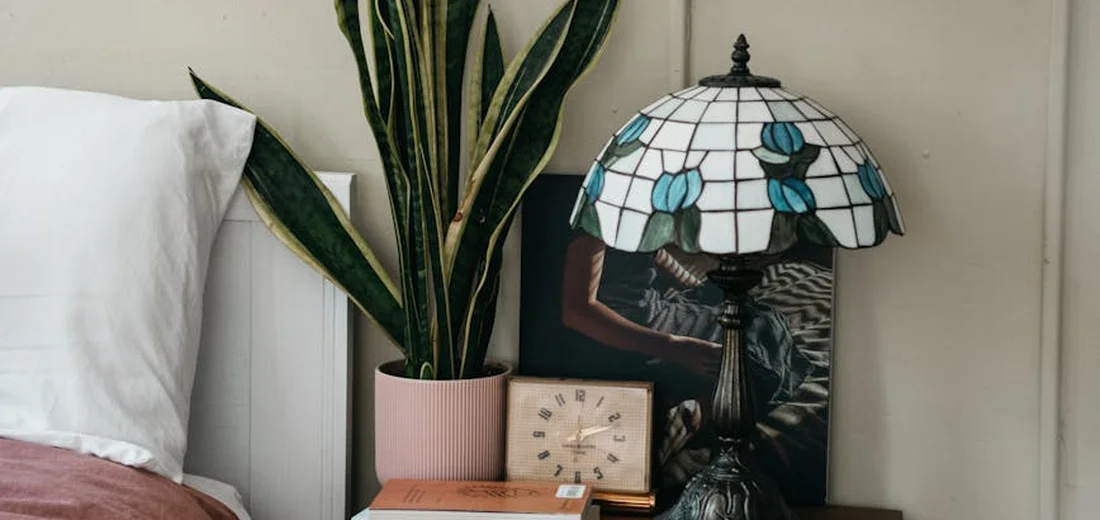
Laurentii: The Classic Statement
When you picture a snake plant, you’re probably imagining the Sansevieria trifasciata ‘Laurentii’ with its tall, sword-like leaves edged in brilliant gold. This is the variety I recommend to every beginner because it’s nearly indestructible and grows so impressively tall. I’ve had my original Laurentii for over eight years; it’s survived moves, forgotten waterings, and less-than-ideal light, and it still looks majestic in a simple, tall pot.
Its vertical growth makes it perfect for filling empty corners. Quick Tip: Wipe the leaves with a damp cloth every few weeks to keep that gorgeous yellow striping dust-free and vibrant.
Moonshine: The Modern Silvery Glow
If you love a minimalist, contemporary vibe, the ‘Moonshine’ snake plant is your go-to. Its wide, flat leaves are a stunning, silvery-green that seems to glow in low-light conditions. I keep one on my desk, and its serene color palette is genuinely calming. The leaves are broader and sturdier than the Laurentii, giving it a substantial, architectural feel.
Be careful not to overwater this one. Its pale color can be a bit more prone to showing water spots, so I always water mine directly at the soil line to keep its beautiful finish pristine.
Zeylanica: The Textured Wonder
Don’t let its similar shape to the Laurentii fool you-‘Zeylanica’ is a textural dream. Its deep green leaves are marked with wavy, lighter green bands and a slightly rough, almost leathery texture that begs to be touched. It has a wilder, more organic look than the very clean lines of the Laurentii. I have one in my bathroom, and it thrives on the humidity from my showers.
This is a fantastic choice if you want a snake plant with visual interest but prefer a more monochromatic, deep green color scheme. It’s another tough variety that forgives the occasional missed watering. If you’re drawn to standout foliage, you’ll love exploring rare, unique snake plant varieties you’ve never seen. They bring fresh textures without losing that classic silhouette.
Hahnii & Golden Hahnii: The Compact Rosettes
These are the charming, short cousins of the upright varieties, forming tight, bird’s-nest-like rosettes. The standard ‘Hahnii’ is a solid, deep green, while the ‘Golden Hahnii’ is kissed with golden-yellow margins. I love using these on shelves, in small bathrooms, or as a desktop companion because they stay compact and won’t outgrow their space quickly.
Their growth habit is entirely different, spreading outwards rather than upwards. Quick Tip: These are perfect for mixing with other plants in a shallow, wide planter to create a stunning succulent arrangement.
Matching Varieties to Your Home’s Light and Space
Choosing the right plant isn’t just about looks-it’s about creating a happy home for it. My years of filling rooms with greenery have taught me that matching the plant to its environment is the real secret to success. Let’s break down what works where.
Assessing Your Light Situation
All snake plants are tolerant, but some truly shine in specific conditions.
- For Low-Light Heroes: Laurentii and Zeylanica are your best bets. They can handle a north-facing room or a spot far from a window and still push out new growth, albeit more slowly.
- For Bright, Indirect Light Lovers: Moonshine and the Golden Hahnii will show off their best colors here. A few hours of gentle morning sun will make that silvery and golden foliage absolutely pop.
- What to Avoid: Keep all snake plants out of harsh, direct afternoon sun. It can scorch the leaves, leaving pale, crispy marks.
Finding the Perfect Spot
Think about the physical space you have available.
| If You Have… | Choose This Variety | Why It Works |
|---|---|---|
| A tall, empty corner or narrow space | Laurentii or Zeylanica | Their vertical growth draws the eye upward and fills the space without spreading wide. |
| A shelf, desk, or small table | Hahnii or Golden Hahnii | Their compact, rosette shape stays contained and adds greenery without clutter. |
| A statement spot (like a console table) | Moonshine | Its unique silvery color and wide leaves create an instant focal point. |
| A room with high humidity (bathroom, kitchen) | Zeylanica | It appreciates the extra moisture in the air, which can lead to lusher growth. |
The most important step is to simply observe your space for a day. Notice where the sun hits and for how long. That simple act will guide you to the perfect snake plant match. To make your snake plant grow faster, try these proven tips and techniques.
Caring for Your Chosen Snake Plant
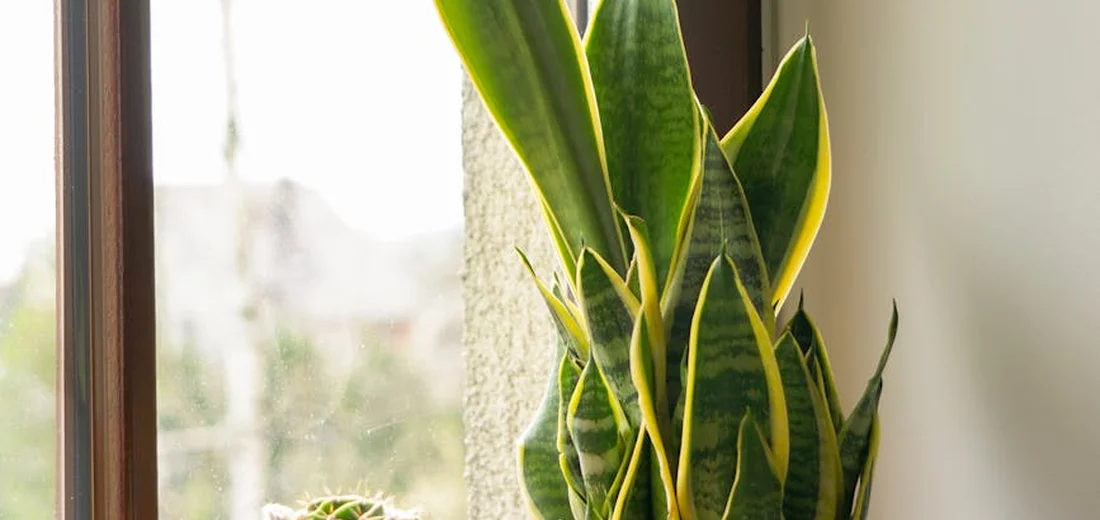
I’ve killed my fair share of snake plants by being too attentive. The single most important rule for a thriving snake plant is to ignore it more often than you think you should. These plants are champions of neglect, and your main job is to not get in their way.
Watering
Think of your snake plant as a camel, not a goldfish. It stores water in its thick, fleshy leaves and prefers a drought between drinks. I water my large Laurentii only once every 4-6 weeks in the winter, and even less if it’s in a lower-light spot. Just make sure to follow this winter care guide for snake plants to keep them healthy in the cold months.
- Stick your finger two inches into the soil. If it feels dry, wait another 3-4 days before even thinking about watering.
- When you do water, give it a thorough soak until water runs freely from the drainage hole. Then, let all the excess water drain away completely.
- Quick Tip: A moisture meter is a game-changer for over-waterers like I was. It takes the guesswork out completely.
Soil and Potting
The right soil is your insurance policy against overwatering. I’ve repotted many plants from dense, moisture-retentive soil into a gritty, airy mix and watched them instantly perk up.
- Use a cactus or succulent potting mix straight from the bag, or make your own by mixing two parts regular potting soil with one part perlite and one part coarse sand.
- Choose a pot with a drainage hole. This is non-negotiable. Terracotta pots are fantastic because they are porous and help the soil dry out faster.
- Snake plants like to be slightly root-bound, so only repot when you see roots circling the bottom or cracking the pot. When you do, go up only one pot size (about 1-2 inches wider in diameter).
Light Placement
While snake plants are famous for tolerating low light, they truly *thrive* in brighter conditions. My healthiest plants live in a spot with bright, indirect light for most of the day. Different snake plant varieties can differ a bit in their light and water needs. Their soil preferences also vary, but most varieties prefer well-draining, gritty soil and a light hand with watering.
- Medium to bright indirect light will promote faster growth and more vibrant leaf coloration.
- They will survive in a low-light corner, but their growth will be very slow, and the leaves may become a darker, less dynamic green.
- Direct, hot afternoon sun can scorch the leaves, causing brown, crispy tips. A little morning sun is usually fine.
Styling Your Snake Plant in Your Home Décor
This is the fun part! Snake plants are architectural statement pieces. Their strong, vertical lines add height and structure to any room, making them a decorator’s dream. Big snake plants reveal their maximum height and the growth habits that drive it. Understanding these limits helps you plan where to place them and how to care for them as they mature.
Use their tall, upright form to fill empty corners or to frame furniture like a bookshelf or sideboard. I have a ‘Moonshine’ snake plant in a simple white ceramic pot on a wooden stool in my living room corner, and it’s one of the first things people compliment.
Placement Ideas
- Bathroom Buddy: The humidity from your shower is a treat for the leaves, and most bathrooms have the perfect level of medium, indirect light.
- Bedside Table: A smaller variety like ‘Bantel’s Sensation’ adds a modern, sculptural element to your nightstand without taking up much surface space.
- Home Office Hero: Place one on a shelf or credenza behind your monitor. The green is soothing for your eyes during long screen sessions.
- Entryway Statement: Greet guests with a large, imposing snake plant in a beautiful floor pot. It creates an instant impression of a lush, well-cared-for home.
Pot Selection for Style
The pot you choose can completely change the plant’s vibe. A sleek, cylindrical snake plant looks incredibly modern in a matte black or concrete pot. The classic variegated Laurentii pops in a brightly colored glazed pot. Quick Tip: For a cohesive look, pick a pot color that picks up on a secondary color already in your room’s palette, like a throw pillow or a rug.
Common Questions
What are some of the best snake plant varieties for beginners?
Laurentii and Zeylanica are excellent beginner choices due to their exceptional resilience and tolerance for a wide range of light conditions.
Which snake plant varieties are best for purifying the air in my home?
All snake plants are effective air purifiers, with the Laurentii and other tall varieties like Moonshine being popular choices for filtering common household toxins.
What is the best snake plant variety for a home in Portland?
For Portland’s often overcast climate, the low-light tolerant Zeylanica or the humidity-appreciating Cylindrica are fantastic, hardy options.
Can you list the names of the best compact snake plant varieties?
The best compact varieties include the Bird’s Nest Snake Plant (Hahnii) and its variegated form, the Golden Hahnii, which form tight, low-growing rosettes.
Where can I see pictures of the best snake plant varieties to compare their looks?
You can find pictures of popular varieties like the striped Laurentii, silvery Moonshine, and textured Zeylanica on reputable plant nursery websites and gardening blogs.
What is the best tall snake plant variety for a narrow space?
The Laurentii is the best tall variety for narrow spaces, as its upright, sword-like leaves grow vertically without spreading wide.
Your Perfect Snake Plant Match Awaits
After years of nurturing snake plants in my own home, I can confidently say that selecting the right variety comes down to aligning the plant’s light, space, and care needs with your specific environment. If your space has limited light, some varieties excel in low-light conditions, so you can still enjoy a thriving plant. For example, varieties like Sansevieria trifasciata ‘Moonshine’ and ‘Laurentii’ are known for their tolerance of shade. This simple match-making approach ensures your snake plant not only survives but thrives, adding beauty and clean air to your space with minimal fuss.
- Evaluate your light situation: low-light champions like Sansevieria trifasciata are ideal for darker corners.
- Measure your space: compact varieties fit cozy spots, while taller ones make a striking visual impact.
- Reflect on your watering habits: all snake plants are drought-tolerant, but some handle occasional forgetfulness better.
Now, trust your instincts and bring home a snake plant that feels right for you. These resilient companions are built to bounce back, so dive in with confidence and enjoy the rewarding journey of plant care—you’ve got this! For a complete indoor snake plant care guide—from placement to maintenance—check out tips to keep it thriving.
Further Reading & Sources
- These Are the Best Kinds of Snake Plants for Your Home
- Snake Plant – Indoor Plants – The Home Depot
- Buy Snake Plants (Sansevieria) | Improve Indoor Air Quality – Ugaoo
- A Handy Guide to the Snake Plant (Dracaena trifasciata) to Care For It Like a Pro
Lena Greenfield is a passionate horticulturist and plant care expert with over 10 years of experience cultivating and nurturing hardy house plants. With a deep understanding of both indoor and outdoor gardening, Lena shares practical advice on choosing, caring for, and maintaining resilient plants that flourish year-round. Through her knowledge and hands-on approach, Lena helps plant lovers transform their spaces into vibrant, green sanctuaries, no matter their gardening experience.
Light Requirements