
Create a Mini Succulent Garden in Small Spaces
Think you need a big backyard to enjoy gardening? I used to think so too, but my small apartment is now filled with tiny, thriving succulent gardens.
You can absolutely create a beautiful green oasis even in the tiniest of nooks.
I’ll walk you through my simple, proven process, covering choosing the right succulents, finding creative containers, mixing the perfect soil, assembling your mini garden, and easy long-term care.
Planning Your Miniature Succulent Oasis
Before you start planting, take a moment to consider your space and light. I always sketch a quick layout on a scrap of paper. Observing the light in your intended spot for a full day tells you more than any compass reading. A windowsill that gets bright, indirect light for most of the day is a succulent’s dream apartment.
Next, think about your container’s personality. Does it have a drainage hole? If not, that’s your first and most critical step. I’ve learned the hard way that a layer of rocks at the bottom isn’t a substitute for a proper hole. Drilling a small hole in a ceramic pot is simpler than you think and saves plants from root rot.
Gathering your materials beforehand makes the process a joy, not a chore. You’ll need your chosen container, a well-draining succulent & cactus soil mix, your selected plants, and some small tools like tweezers for precise placement.
Choosing the Best Succulents for Tight Quarters
Not all succulents are created equal for a petite garden. You want plants that play well with others and won’t outgrow their welcome in a season. Look for varieties that are naturally compact and have similar light and water needs. For tiny spaces, miniature succulent varieties fit best, staying small while delivering color. They’re perfect for limited shelves, desks, or windowsills. This harmony is the secret to a long-lasting, low-maintenance display.
In my own small-space gardens, I always mix textures and forms. Combining a rosette-shaped succulent with something more upright and something that trails creates instant visual interest. It’s like building a tiny, living sculpture.
Top Dwarf and Slow-Growing Varieties
These are my go-to champions for small spaces, based on years of trial and error in my own home.
- Haworthia: These are the undisputed kings of low-light tolerance. Their striking, striped leaves form tight clusters and they genuinely seem to thrive on neglect. I have a Haworthia cooperi that has lived happily in the same 3-inch pot for three years.
- Echeveria ‘Lola’: A perfect, pale lavender rosette that stays neat and compact. It’s a slow grower that maintains its beautiful shape without demanding much space.
- Sedum ‘Little Missy’: This is my favorite trailing variety for small pots. Its tiny, variegated leaves on pinkish stems spill over the edges beautifully without growing too wild, too fast.
- Aloe ‘Delta Lights’: If you want a splash of color, this dwarf aloe is stunning. Its green leaves are speckled with white and blush pink in bright light, and it stays very small.
- Lithops (“Living Stones”): The ultimate space-savers! These fascinating plants mimic pebbles and grow almost entirely underground. They are a conversation starter and take up virtually no room.
Quick Tip: When shopping, gently touch the plants. Firm, plump leaves are a sign of a healthy, well-watered succulent ready for its new home.
Selecting Your Container and Ensuring Proper Drainage
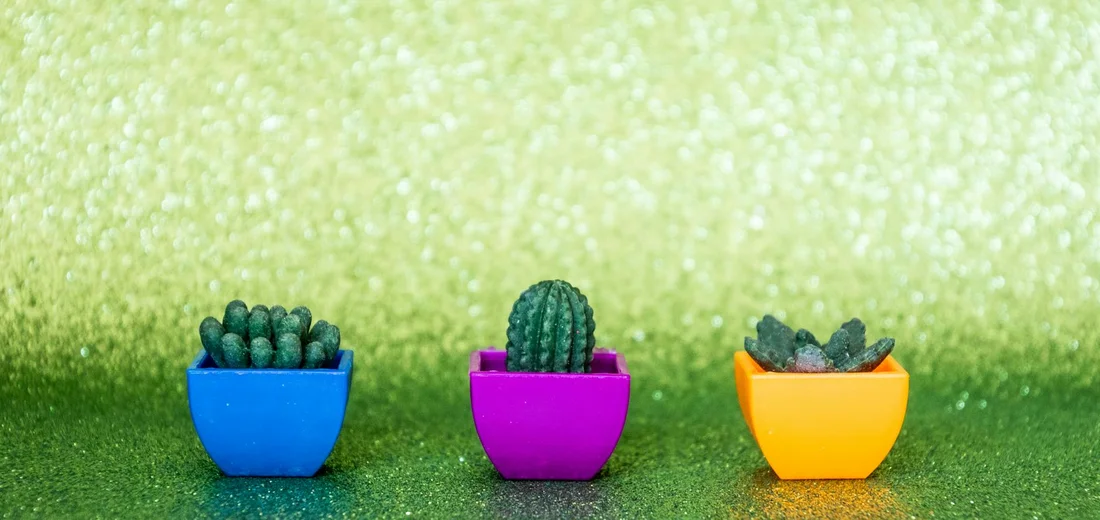
Your container is more than just a home for your plants-it’s the foundation of your entire miniature landscape. I’ve learned this the hard way after a few failed experiments with pretty but impractical pots.
The Ultimate Drainage Solution
Drainage holes are non-negotiable for succulent success. Without proper drainage, you’re creating a swimming pool for roots that absolutely hate wet feet. I’ve rescued many plants from pretty ceramic pots that had no business housing succulents.
Here are my favorite container types that combine style with function:
- Unglazed terracotta pots (they breathe beautifully)
- Concrete planters with drainage holes
- Repurposed mugs with drilled holes
- Wooden crates lined with landscape fabric
- Shallow bonsai dishes (perfect for root systems)
If you fall in love with a container that lacks drainage, don’t despair! Create a false drainage layer using lava rocks or gravel at the bottom before adding soil. This creates an air pocket that prevents water from saturating the root zone.
Creating the Perfect Well-Draining Soil Mix
Standard potting soil will drown your succulents—I learned this after losing my first echeveria to root rot. These plants need soil that mimics their natural desert habitats. Do succulents really need special soil? The truth is they do—use a fast-draining, gritty mix that mimics desert soils.
My go-to recipe after years of testing:
- 2 parts potting soil (provides some nutrients)
- 1 part coarse sand (improves drainage dramatically)
- 1 part perlite or pumice (creates air pockets)
Mix these ingredients thoroughly until you have a gritty, loose texture that crumbles easily in your hand. Your finished mix should feel like beach sand with small pebbles-not dense or clumpy. When you water it, the moisture should flow through immediately rather than pooling on top.
For an even simpler approach, use a pre-made cactus and succulent mix and add extra perlite. The key is creating an environment where water can’t linger around delicate roots.
Quick tip: Test your soil mix by squeezing a handful—if it holds its shape, it’s too dense and needs more gritty material. Signs of poor soil quality in succulents show up as compact, poorly draining soil and sluggish growth. Your succulents will thank you with vibrant growth and brilliant colors when their roots can breathe properly.
Step-by-Step: Assembling Your Mini Garden
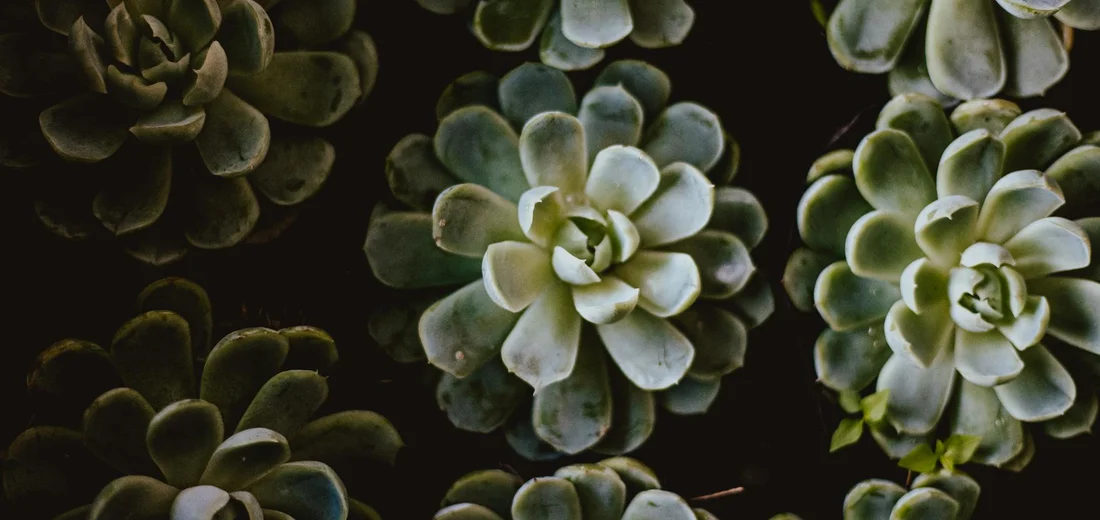
Let’s get our hands dirty! I’ve made dozens of these tiny landscapes, and this process always feels like a fun, creative puzzle. Gather your clean container, succulent potting mix, your chosen plants, and a small tool like a chopstick or spoon.
- Create a Drainage Layer: Even if your pot has a hole, I always add a shallow layer of small pebbles or lava rock to the bottom. This prevents soil from clogging the drainage and adds extra insurance against soggy roots.
- Add Your Soil: Fill the container about halfway with your pre-moistened succulent mix. Don’t pack it down tightly-you want those roots to have air pockets to breathe.
- Arrange Your Plants: This is the artistic part! Take your succulents out of their nursery pots and gently loosen the root balls. Place them in your container while they’re still out of the soil to play with the layout. I like to put the tallest or most striking plant slightly off-center for a more natural look.
- Plant and Fill: Once you’re happy with the arrangement, make small holes in the soil and tuck each plant in. Gently fill in around them with more soil, ensuring the base of each plant is level with the soil surface. A chopstick is perfect for nudging soil into tight spots.
- The Final Touch: Top-dress the soil with your decorative sand, pebbles, or moss. This gives it a polished, finished look and helps keep the soil in place during watering. Wait at least five to seven days before you give your new garden its first drink. This allows any tiny root injuries to callus over, preventing rot.
Caring for Your Compact Succulent Garden
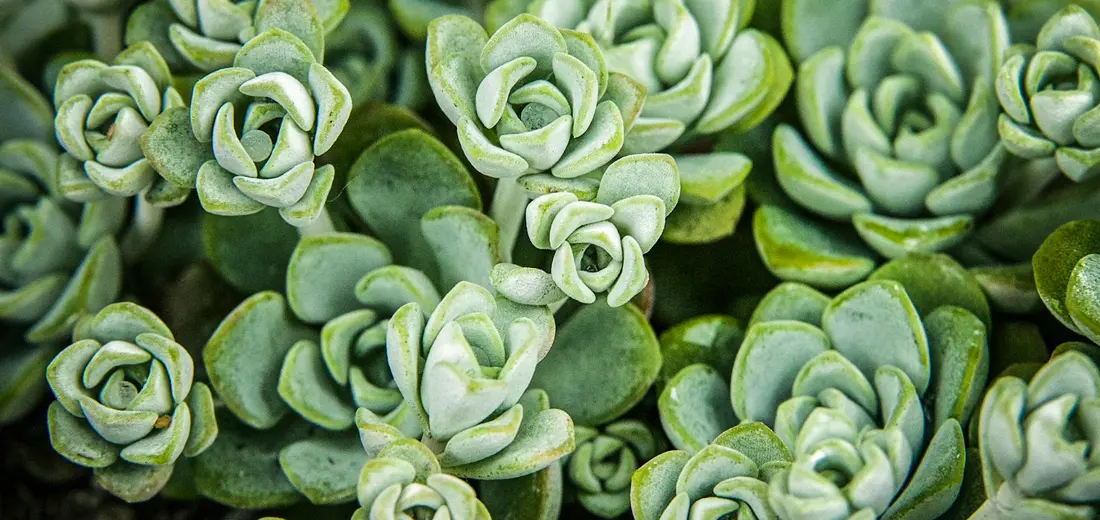
Watering Wisdom for Small Spaces
This is where most mini gardens meet their fate, but it doesn’t have to be complicated. Small containers dry out differently than large pots, so you can’t just follow a weekly schedule. I always use the “soak and dry” method, and I test the soil with my finger, not the calendar.
Stick your finger an inch into the soil. If it feels completely dry, it’s time to water. Take your garden to the sink and give it a thorough, deep watering until water runs freely out of the drainage hole. Let it drain completely before putting it back on its saucer or shelf. Your succulents want a big drink followed by a period of drought, mimicking their natural habitat. Make sure to avoid common succulent watering mistakes to keep them healthy.
In my sunny, dry apartment, my mini gardens might need water every 10-14 days in summer, but only once a month in the darker winter. This fits into a broader general guide on how often to water indoor plants. Seasonal changes often dictate watering frequency. A quick tip for precision: I sometimes use a small turkey baster to water right at the base of each plant, avoiding the leaves entirely.
Design Ideas to Inspire Your Small-Space Garden
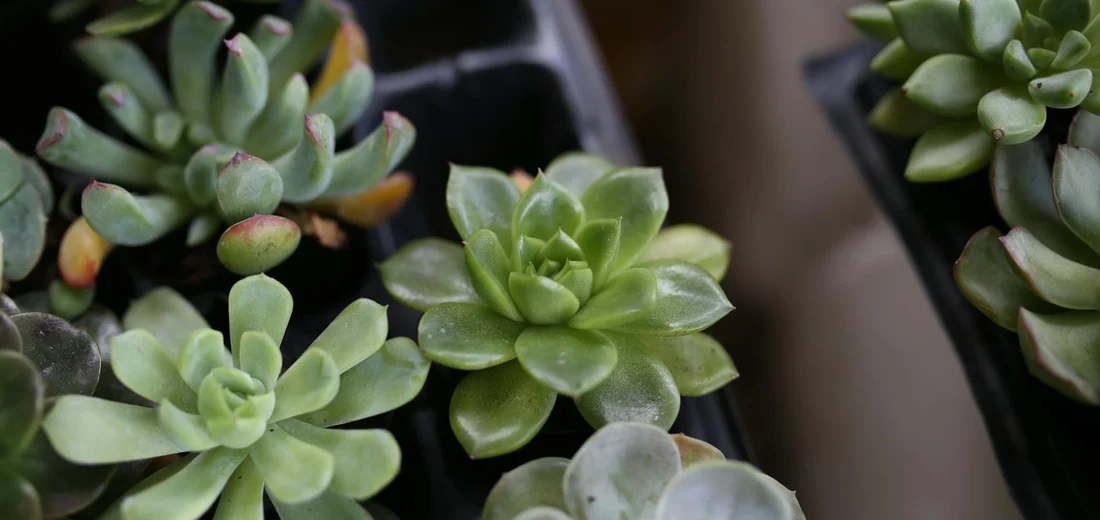
When space is tight, you have to get creative, and I love that challenge. Thinking vertically and using unconventional containers completely transforms what a “garden” can be. I’ve filled every nook of my own apartment, and these are the designs that have worked best for me over the years.
Go Vertical with a Living Wall Planter
Wall space is prime real estate for a succulent collection. I mounted a simple, shallow wooden box with a wire backing on my kitchen wall, and it’s been thriving for over two years.
- Choose the right plants: Opt for shallow-rooted, trailing varieties like String of Pearls, Sedum morganianum (Burro’s Tail), or creeping Sedums.
- Use a special mix: A lightweight, fast-draining succulent soil is non-negotiable here to prevent soil from compacting and holding moisture against the wall.
- Secure it properly: Ensure your planter is firmly anchored. A falling succulent wall is a sad sight, trust me.
Quick tip: Water vertical planters lightly and more frequently rather than soaking them, as gravity pulls water straight down.
Create a Multi-Level Display with Shelves
A simple set of floating shelves lets you build a stunning, tiered garden. This is my favorite way to show off a variety of shapes and colors.
- Place sun-loving, compact rosettes like Echeverias and Sempervivums on the top shelf where they’ll get the most light.
- Use the middle shelf for mid-height plants like Aloes or Haworthias.
- Let trailers like Senecio rowleyanus (String of Pearls) spill over the edges of pots on the bottom shelf.
This setup creates a beautiful “living sculpture” that draws the eye upward, making your room feel larger. I rotate my pots every few weeks to ensure every plant gets its time in the sun.
Build a Geometric Terrarium
Glass terrariums look magical, but they can be tricky. The key is to treat them as a temporary art piece rather than a permanent home.
- Start with a thick layer of small pebbles or gravel at the bottom for drainage.
- Add a thin layer of activated charcoal to help keep the environment fresh and prevent odors.
- Use a very fast-draining cactus mix for your main soil layer.
- Plant sparingly with slow-growing succulents that enjoy humidity, like some Haworthias or small Jade plants.
Place your open-top terrarium in bright, indirect light and water very sparingly—the glass holds in moisture like a tiny greenhouse. I enjoy mine for about a year before I dismantle it and repot the succulents to prevent rot. This is part of succulent terrarium care—creating and maintaining a tiny ecosystem. With careful light and occasional refreshment, your mini habitat can thrive.
FAQs
What is typically included in a mini succulent garden kit?
A mini succulent garden kit usually contains small succulents, potting soil, a container, and sometimes decorative elements like pebbles or sand.
How can I purchase a mini succulent garden pack on Amazon?
You can find mini succulent garden packs on Amazon by searching for terms like “succulent starter kit” and selecting from highly rated sellers. For a complete shopping guide on where to buy succulent plants, see our full guide. It covers online options, local nurseries, and tips for comparing prices and plant quality.
Are mini succulent garden packs available in India?
Yes, mini succulent garden packs are available in India through online retailers such as Amazon India, Flipkart, or local nurseries.
Can I buy mini succulent garden packs wholesale?
Yes, wholesale mini succulent garden packs can be purchased from bulk suppliers, garden centers, or manufacturers for larger quantities. If you’re looking for where to buy succulents bulk, check nurseries, online wholesale marketplaces, and landscape supply companies. Be sure to compare bulk pricing and shipping options.
What are some creative mini succulent garden ideas for very small spaces?
Incorporate mini succulent gardens into hanging glass globes, wall-mounted frames, or as part of a desktop fairy garden theme.
What should I consider when choosing a mini succulent garden pack?
Select a pack with healthy, slow-growing succulents, well-draining soil mix, and a container that has proper drainage or instructions for it. Then test your succulent soil’s drainage by watering lightly and ensuring water drains away promptly.
Ready to Grow Your Mini Oasis?
To sum it up, a thriving mini succulent garden starts with the right small-space setup and simple care habits. I’ve found that focusing on these core elements prevents common pitfalls and keeps your plants happy for years. Keeping them small, compact, and healthy is part of that plan, especially when space is limited. With careful pruning and the right light, you can maintain a neat, compact display. Here’s the quick rundown:
- Pick compact succulents and a shallow, well-draining pot.
- Use a gritty soil mix and place in bright, indirect light.
- Water deeply but infrequently, only when the soil is bone-dry.
You’ve got this-I started with a single windowsill garden and now my home is filled with these low-maintenance beauties. Trust your instincts, give your plants the attention they need, and watch your small space transform into a green sanctuary you’ll love.
Further Reading & Sources
- 8 Succulent Garden Ideas for Small Spaces (2025 Guide) – Tamura Designs
- Miniature Succulent Garden Ideas | Succulents and Sunshine
- Succulent Garden: Stunning Design Ideas for Any Space
- 30 Succulent Garden Ideas for Small Spaces: Stunning Planter and Arrangement Ideas | Decoist
Lena Greenfield is a passionate horticulturist and plant care expert with over 10 years of experience cultivating and nurturing hardy house plants. With a deep understanding of both indoor and outdoor gardening, Lena shares practical advice on choosing, caring for, and maintaining resilient plants that flourish year-round. Through her knowledge and hands-on approach, Lena helps plant lovers transform their spaces into vibrant, green sanctuaries, no matter their gardening experience.
DIY Projects