
How to Propagate Multiple Plant Types in One Collection
Published on: March 17, 2026 | Last Updated: March 17, 2026
Written By: Lena Greenfield
You want to multiply your plant collection, but you’re staring at a mix of succulents, pothos, and ferns, wondering if you need a different method for each one. The good news is, you can propagate them all at the same time without needing a horticulture degree.
I’ve managed my own mixed jungle for years and have found a rhythm that works for every plant on my shelf. In this guide, I’ll walk you through water propagation, soil propagation, division, and leaf cuttings so you can handle any plant type. You’ll also get my best tips for organizing your projects, creating a shared care routine, and troubleshooting common issues.
Propagation Fundamentals for a Mixed Collection
Propagation is simply the process of creating new plants from your existing ones. It’s the most rewarding way to grow your plant family for free, turning one prized specimen into many to share or fill your home. I’ve expanded my own collection exponentially this way, saving hundreds of dollars over the years.
Managing a mixed-species propagation station is like running a small, green hospital with different patient needs. The core concept is to group plants with similar propagation requirements together while keeping their individual care needs, like light and water, in mind from the start. This proactive planning prevents a lot of headaches later on. Lighting solutions become a key part of that plan, as some plants need bright, direct light while others thrive in gentler, diffused illumination. By tailoring light intensity and photoperiods to the needs of each group, you can support healthy growth across a mixed collection.
You’ll primarily use a few key methods for most houseplants and succulents.
- Stem Cuttings: Perfect for vining plants like Pothos and Philodendrons. You snip a piece of stem with a few nodes.
- Leaf Cuttings: The go-to for many succulents like Echeveria and Sansevieria. A single leaf can sprout a whole new plant.
- Division: Ideal for plants that naturally clump, such as Snake Plants or ZZ plants. You gently separate the root ball into multiple plants.
- Water Propagation: A popular subset of stem cuttings where roots develop in a glass of water before potting.
- Offsets/Pups: Many succulents and bromeliads produce these tiny clones at their base, ready for their own pots.
Setting Up Your Multi-Plant Propagation Station
Choose a spot with plenty of bright, indirect light. A north or east-facing windowsill is often ideal. Direct afternoon sun can be too harsh for delicate cuttings, while a dark corner will slow root growth to a crawl. I keep my station on a shelf a few feet back from a large east-facing window.
Gather your essentials before you start. Being organized makes the whole process smoother and more successful.
- Shallow trays or seedling flats to hold multiple small pots.
- An assortment of small pots and containers.
- Fresh, appropriate potting mix.
- Sharp, clean scissors or pruning shears.
- Plant labels and a waterproof pen.
- A small spray bottle for misting.
Sterilization is non-negotiable in a mixed propagation area. I always wipe my scissors and any pots with isopropyl alcohol before use to prevent spreading bacteria or fungi between different plant species. A simple wipe-down takes seconds and can save your cuttings from rot.
Choosing the Right Soil and Containers
Succulents and tropical houseplants have opposite soil needs. Succulents demand a gritty, fast-draining mix to prevent soggy roots, while tropicals like a peat-based mix that holds a bit more moisture. Using the wrong soil mix for your succulents is the fastest way to lose a new propagation.
Your container choice should support your propagation method.
- Use small, individual pots for leaf cuttings and divisions to give them space.
- Clear cups or jars are fantastic for water propagation, allowing you to watch root development.
- Community trays work well for starting multiple stem cuttings of the same plant type.
For a universal, well-draining mix that works for most situations, I blend two parts regular potting mix with one part perlite and one part orchid bark. This creates an airy, chunky medium that provides support and moisture without waterlogging, a great starting point for both tropical and semi-succulent cuttings. Want to make your own succulent potting mix at home? This base is a solid foundation for DIY mix recipes you can tailor with sand, grit, or extra organics to suit different succulents.
Matching Propagation Methods to Your Plants
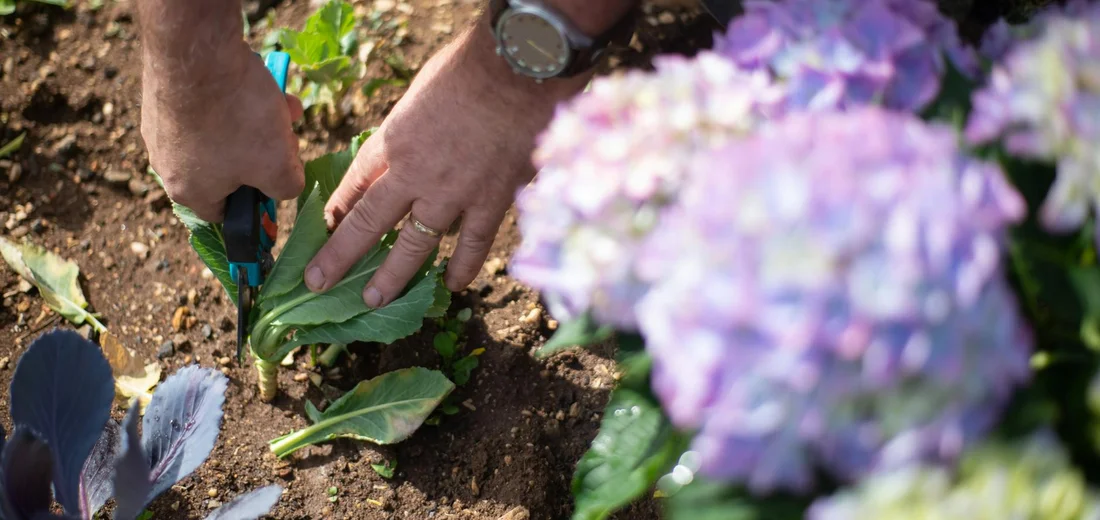
Think of your plant collection like a diverse group of friends—each one has a preferred way of socializing. I’ve found that matching the propagation method to the plant’s natural growth habit is the single biggest factor for success. That’s especially true when propagating rare succulents, where the right method matters. With the right technique and timing, you can propagate them successfully.
- Stem cuttings are the go-to for vining plants like Pothos and Philodendron. These plants are programmed to root from their nodes (those little bumps on the stem), making them incredibly cooperative. In my own home, I’ve turned one leggy Pothos into a dozen full plants just by snipping its trails.
- Leaf propagation is the magic trick for many succulents and Snake Plants. A single, plump leaf can generate an entirely new plant. My favorite thing about this method is its patience-testing nature; watching a tiny rosette emerge from a fallen leaf is a true lesson in slow, steady growth.
- Division is your best friend for plants that naturally grow in clumps, like the ZZ Plant or succulents such as Haworthia and Aloe. This is essentially giving a crowded plant more personal space, and you get bonus plants in the process. I always do this during my annual spring repotting when the plant is already out of its pot.
A Step-by-Step Guide to Stem Cuttings
- Select a stem with at least a few leaves and identify a node. Using a clean, sharp pair of scissors or pruners, make your cut just below this node. A clean cut helps prevent disease and gives your new plant the best start.
- Prepare your cutting by gently pinching off any leaves that would be submerged in water or buried in soil. Leaves left sitting in moisture will rot and can spoil your whole propagation project.
- For a faster start, you can dip the cut end into a rooting hormone powder. I don’t always do this for easy-going plants like Pothos, but I find it gives a real boost to slower or more finicky varieties.
- Place your cutting in a jar of fresh water, ensuring the node is underwater, or plant it directly into a small pot of moist, well-draining potting mix. I keep a dedicated “propagation station” on my windowsill for all my water-rooting experiments.
A Step-by-Step Guide to Leaf Cuttings and Division
- For succulents, gently twist a healthy, lower leaf from the stem, getting a clean break. For Snake Plants, use a sterile knife to cut a single leaf into several 2-3 inch sections, and mentally note which end was the bottom.
- This step is non-negotiable for succulents: let the cut end dry out and form a callus. I lay my succulent leaves on a paper towel in bright, indirect light for a few days until the end looks sealed over; this prevents them from absorbing too much water and turning to mush.
- Lay your callused succulent leaves on top of dry succulent soil. For Snake Plant sections, insert the bottom end about an inch deep into a sandy potting mix. Resist the urge to water until you see signs of new growth!
- For division, gently remove the entire plant from its pot. Use your hands or a clean trowel to tease apart the root ball into smaller sections, each with its own stems and roots. It feels a bit like untangling necklaces, but it’s so rewarding.
Managing Light and Water for Diverse Needs
Juggling the needs of different baby plants in one area is the final piece of the puzzle. Creating a one-size-fits-most environment is totally possible with a few simple adjustments. This helps you create the perfect microclimate for your indoor plants. Small tweaks to humidity, light, and airflow go a long way.
- Bright, indirect light is the universal language for most young plants. A spot a few feet back from a south or east-facing window is perfect. It provides enough energy for growth without scorching tender leaves. I use a sheer curtain to diffuse harsh afternoon sun in my main propagation area.
- Your watering routine needs two speeds. For succulent leaves and divisions, water only when the soil is completely dry. For tropical stem cuttings in soil, keep the mix lightly moist but never soggy. The classic “finger test”-sticking your finger an inch into the soil-has never failed me for checking moisture levels accurately.
- To give moisture-loving tropical cuttings a boost, I sometimes place a clear plastic bag loosely over their pot to create a mini-humidity dome. The key is to only cover the plants that need it, leaving your succulents in the open air to prevent rot. You can easily move the dome from plant to plant!
Essential Tips for Tracking and Preventing Problems
-
In my years of nurturing mixed plant collections, I’ve found that labeling is your best defense against confusion and cross-contamination. It lets me give each plant the specific care it needs, especially when succulents and tropicals share space. This also helps prevent common problems seen in mixed collections—overwatering, misidentification, and pest spread. When issues do occur, clear labels guide quick, targeted solutions.
-
Keep an eye out for these warning signs that often pop up in crowded propagation stations:
- Yellowing leaves, which can signal overwatering or fungal issues spreading from one plant to another.
- White or gray mold on soil or stems, a sure sign of excess moisture and poor air circulation.
- Stunted growth or wilting in certain plants while others flourish, hinting at incompatible care needs.
Quick tip: At the first sign of trouble, move the affected plant to a separate area to prevent issues from hopping to its neighbors.
-
When one plant type struggles amid a thriving group, I take these steps based on my own trial and error:
- Assess light and water-succulents might need less humidity than your pothos, for example.
- Check for pests like spider mites or aphids that can travel quickly in close quarters.
- Adjust the environment by increasing airflow or tweaking the watering schedule to suit the struggler.
Isolating the problem plant early often saves the whole collection from decline.
My Go-To System for Labeling Propagations
-
I rely on a straightforward method that never fails me. I write the plant name and propagation date on each cutting tag to monitor progress and care timelines. This habit helps me remember which snake plant pup is which or when my jade cuttings should root. Sometimes I propagate snake plant pups and cuttings in water to watch roots form. When roots show, I transplant to well-draining soil for steady growth.
-
For materials, I always use options that hold up in damp propagation setups:
- Plastic or metal plant tags that resist water and won’t fade or fall apart.
- A waterproof pen or permanent marker to ensure the writing stays legible through misting and watering.
Investing in durable labels means you won’t lose track of your plants as they grow.
FAQs
Can I propagate different plants in the same container?
No, it’s best to use separate containers to prevent cross-contamination and meet individual moisture needs.
How do I prevent diseases from spreading in a mixed propagation setup?
Sterilize all tools and pots before use and isolate any affected plants immediately.
What’s the best way to organize multiple plant propagations for easy care?
Group plants with similar light and water requirements together in labeled trays or pots.
How long does it take for different plant types to root when propagated together?
Rooting times vary, but most cuttings show growth in 2-6 weeks depending on the species and method.
Can I use the same water for water propagation of various plants?
No, change the water regularly for each plant to avoid bacterial buildup and ensure healthy root development.
What should I do if one plant type fails to root while others succeed?
Adjust the environment for the struggling plant, such as light or humidity, and consider retrying with a fresh cutting. If it still struggles, identify common light-related problems—such as too little light or too much direct sun. Then adjust placement or add supplemental lighting to fix them.
Your Propagation Journey Awaits
Success with mixed plant propagation hinges on grouping species by similar light, water, and soil needs while using clean tools and consistent monitoring. When caring for a mixed collection, balance each plant’s distinct rhythms and adjust light and watering accordingly. This balance helps prevent stress from competing needs within the group.
- Pair succulents with other drought-tolerant plants and moisture-lovers like pothos together.
- Sterilize scissors or knives before taking cuttings to prevent disease.
- Check for new root growth every few weeks and adjust care based on what you see.
I’ve expanded my own plant family this way, and it’s incredibly rewarding-so don’t hesitate to start experimenting and caring for your propagations with confidence. Your green thumb will thank you as you watch those new leaves unfurl!
Further Reading & Sources
- New Plants From Cuttings – Indiana Yard and Garden – Purdue Consumer HorticulturePurdue University Indiana Yard and Garden – Purdue Consumer Horticulture
- Propagating plants from cuttings | Graduate Student Center
- Propagation by Cuttings, Layering and Division | VCE Publications | Virginia Tech
- Simple plant propagation: How to divide plants and conquer hearts | Colorado State University Extension
Lena Greenfield is a passionate horticulturist and plant care expert with over 10 years of experience cultivating and nurturing hardy house plants. With a deep understanding of both indoor and outdoor gardening, Lena shares practical advice on choosing, caring for, and maintaining resilient plants that flourish year-round. Through her knowledge and hands-on approach, Lena helps plant lovers transform their spaces into vibrant, green sanctuaries, no matter their gardening experience.
Propagation Methods