
Pruning, Trimming, and Grooming: What’s the Real Difference?
Published on: March 20, 2026 | Last Updated: March 20, 2026
Written By: Lena Greenfield
Have you ever stared at your overgrown shrubs or leggy houseplants, unsure whether to prune, trim, or groom them? Getting these terms mixed up can lead to weak plants or missed growth opportunities, but after years of hands-on gardening, I’ve learned how to tell them apart easily.
In this guide, I’ll break down everything you need to know, including: clear definitions, when to use each technique, essential tools, and my personal tips for success.
Pruning: A Deeper Cut for Plant Health
What Pruning Really Means for Your Plants
Pruning is like surgery for your plant; it’s a targeted procedure to remove specific parts for the long-term health of the whole organism. I think of pruning as a strategic intervention, not just a cosmetic touch-up. You’re cutting away dead, diseased, or damaged growth to redirect the plant’s energy into pushing out vibrant new leaves and stems. This process encourages a stronger structure and can even rejuvenate a plant that’s looking tired or overgrown.
When Your Plant is Begging for a Prune
Your plant will give you clear signals when it’s time for the shears. Over the years, I’ve learned to watch for these key signs:
- Yellowing, brown, or completely dead leaves and stems.
- Leggy growth with long stretches of stem between leaves.
- Diseased spots or sections that look mushy or infected.
- A plant that has become top-heavy and unstable in its pot.
- After a growth spurt, to maintain a compact, bushy shape.
A quick tip: If a stem is brown and snaps easily, it’s a prime candidate for pruning.
How to Prune Houseplants and Succulents Correctly
Making the right cut is everything. Essential tools for pruning are needed for proper pruning, and the right gear makes clean, precise cuts that boost plant health. Without sharp, clean tools, even the best technique can cause damage. Always use clean, sharp scissors or pruning shears to avoid crushing the plant tissue and introducing disease. Here is my go-to method:
- Identify the parts to remove: dead leaves, leggy stems, or damaged growth.
- For stems, cut just above a leaf node (the small bump where a leaf meets the stem). This is where new growth will emerge.
- For succulents, you can often gently twist off dead leaves from the base. For overgrown stems, use a sterile knife for a clean cut.
- Remove no more than one-third of the plant’s total growth at one time to avoid shocking it.
I always water my plants a day or two before a major prune; a hydrated plant recovers much faster. After pruning, your plant can look a bit bare, but give it a few weeks and you’ll be rewarded with a surge of healthy new growth.
Trimming: The Art of Shaping and Size Control
Understanding the Purpose of Trimming
If pruning is surgery, then trimming is a haircut. Trimming is all about maintaining a plant’s shape and controlling its size without delving into major structural changes. You’re simply giving the ends a neat little snip to encourage a fuller appearance or to keep a vining plant from taking over your bookshelf. It’s a lighter, more frequent task that keeps your green friends looking tidy.
Simple Steps for a Perfect Trim
Trimming is less intimidating than pruning and perfect for a quick weekend plant-care session. For pothos, proper pruning promotes strong, vigorous growth. It helps control size and shape while maximizing overall health. Follow these easy steps:
- Step back and look at your plant’s overall shape. Identify any long, straggly vines or leaves that break its form.
- Using clean, sharp scissors, snip the very tips of the stems or individual leaves.
- Make your cuts just above a set of leaves to encourage the plant to branch out at that point.
- Frequently rotate your plant as you trim to ensure an even shape from all angles.
The satisfying sound of a clean snip is a sure sign you’re doing it right and not tearing the plant fibers.
Plants That Love a Good Trim
Some plants absolutely thrive with regular trimming and will reward you with a lusher, denser appearance. My favorite plants to trim include:
- Vining plants: Pothos, Philodendron, and Tradescantia get bushier when you trim the long runners.
- Herbs: Basil and Mint stay compact and productive with frequent tip-pinching.
- Bushy plants: Ficus varieties and certain ferns maintain a neat, rounded shape with light trimming.
- Flowering plants: Trimming spent blooms (deadheading) on plants like African Violets encourages more flowers.
Don’t toss those trimmings! Many, like Pothos clippings, can be propagated in water to grow entirely new plants for free. This complete step-by-step guide will walk you through propagating pothos plants from cuttings.
Grooming: Your Plant’s Regular Spa Day
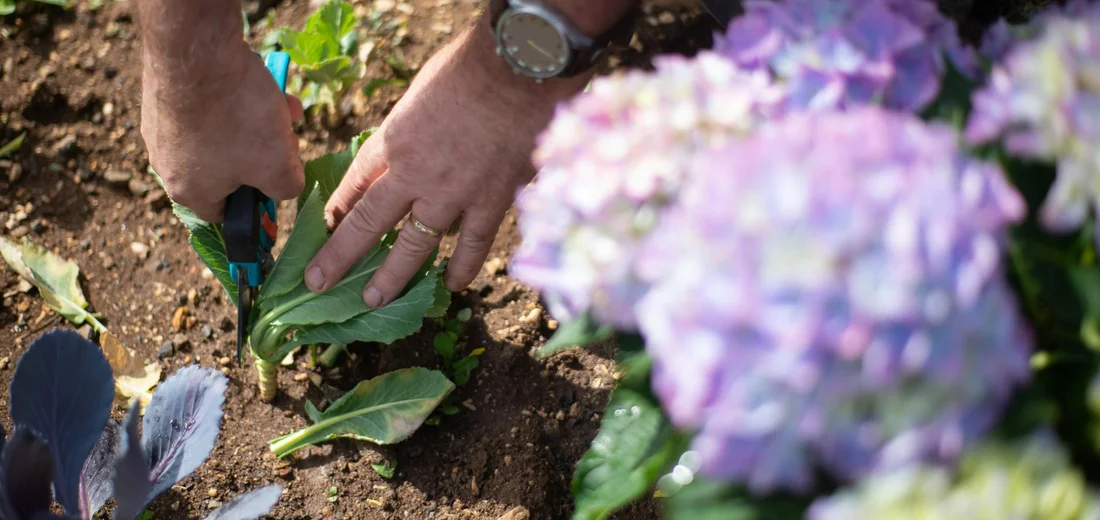
Grooming is my favorite weekly ritual with my plants. Think of grooming as your plant’s regular spa day-it’s all about maintaining appearance and basic hygiene without making major cuts. I spend a few minutes every weekend doing this, and it makes a world of difference in how my indoor jungle looks and feels.
Grooming vs. Pruning and Trimming
The main difference lies in the goal and the intensity of the work. Pruning and trimming are like surgery for your plant-they involve cutting to manage health, size, or shape. Grooming is purely cosmetic maintenance. I never use my sharpest shears for grooming. Instead, I use my fingers or simple household tools to tidy things up.
- Pruning is for plant health and structure (removing dead or diseased growth).
- Trimming is for controlling size and shape (cutting back overgrowth).
- Grooming is for cleanliness and neatness (dusting leaves, removing dead bits).
Grooming is the lightest touch of the three, and it’s something you can do almost mindlessly while you check on your plants. It doesn’t stress the plant and actually helps you spot potential problems early.
Your Quick Plant Grooming Checklist
Here’s the simple five-minute routine I follow for most of my houseplants and succulents. You can do this with your morning coffee!
- Dust the leaves. I gently wipe large leaves with a damp cloth. For fuzzy leaves (like African Violets), I use a soft makeup brush.
- Pinch off dead or yellowing leaves. I gently twist them off at the base. Don’t pull hard-if it resists, use clean scissors.
- Remove spent flowers. This is called deadheading. I snap off old blooms on my orchids and geraniums to encourage new ones.
- Check for pests. While I’m up close, I look under leaves and along stems for any unwanted visitors.
- Fluff the soil surface. I gently break up any crusty topsoil with a fork to help water penetrate better.
The Surprising Benefits of Consistent Grooming
This simple habit does more than just make your plants look pretty. Regular grooming is a powerful preventative health measure for your plant collection. I’ve caught early signs of spider mites and mealybugs simply because I was dusting a leaf and saw something move.
- Brighter leaves: Dust blocks sunlight. Clean leaves can photosynthesize more efficiently, leading to healthier, faster growth.
- Fewer pests and diseases: Removing dead plant material eliminates hiding spots and breeding grounds for bugs and fungi.
- Better air purification: Clean leaves are more effective at filtering airborne toxins from your home.
- Stronger connection: This hands-on time helps you learn your plant’s normal state, so you notice immediately when something is wrong.
Quick Tip: Use room-temperature water when wiping leaves to avoid shocking them with a cold splash.
Choosing Your Tools for the Task
Using the right tool for the job makes all the difference. I’ve learned that a clean, sharp cut heals faster and is less stressful for the plant than a ragged tear from dull scissors.
Essential Tools for Pruning and Trimming
For serious cuts, you need dedicated, sharp tools. I keep a small kit with just three main items.
- Bypass Pruners (Secateurs): These are my go-to for most stems. They work like scissors and make a clean cut. Perfect for stems up to the thickness of your finger.
- Precision Snips: I use these for delicate work on succulents, herbs, or for deadheading small flowers. They give you great control.
- A Sharp, Sterile Blade: For very thick stems on plants like a Fiddle Leaf Fig, a sharp utility knife or a small pruning saw is sometimes necessary.
Always clean your tools with rubbing alcohol before and after use to prevent spreading disease between plants. A dull blade can crush plant tissue, so sharpen your pruners once a season. Learn how to properly sterilize your pruning tools to prevent disease spread.
Simple Household Items for Grooming
You don’t need to buy anything fancy for basic grooming. I raid my kitchen and bathroom drawers for these items.
- Microfiber Cloth: Perfect for dusting large, smooth leaves like those on a Monstera or Rubber Plant.
- Soft Paintbrush or Makeup Brush: This is my secret weapon for dusting cacti, succulents, and plants with fuzzy leaves without damaging them.
- Chopstick or Fork: Ideal for gently aerating the top layer of soil and untangling surface roots.
- Spray Bottle with Water: A light mist can help loosen dust before you wipe. For extra shine, I sometimes use a drop of neem oil in the water.
Quick Tip: A simple mixture of mild soap and water in a spray bottle is excellent for cleaning particularly grimy leaves and can help deter pests. This is one of the best methods for cleaning indoor plant leaves. For best results, rinse with clean water after cleaning to remove soap residue and prevent leaf burn.
Special Considerations for Succulents
Why Succulent Care is Different
When I first started with succulents, I treated them like my leafy tropicals and quickly learned that was a mistake. Their fleshy, water-filled leaves and stems are fundamentally different from the foliage of a Monstera or Pothos. A simple trim on a succulent isn’t just a cut; it’s an open wound that needs to heal properly to prevent rot from setting in. Their slow growth habit also means you’re not just shaping for aesthetics; you’re often guiding energy to prevent leggy, stretched-out growth. Leggy growth happens when succulents stretch toward light. To fix it, give them brighter light and prune back the stretched growth to encourage a compact, healthy shape.
I think of succulent leaves as tiny water balloons. Poking or crushing them accidentally during grooming can cause permanent damage and open a pathway for disease. This delicate nature means you handle them with a gentler, more deliberate touch than you would a sturdy shrub-like plant. Do succulents like being touched? Not really; they tolerate only gentle, infrequent handling.
A Safe Approach to Pruning and Grooming Succulents
After a few unfortunate incidents with mushy stems, I developed a fail-safe method for my succulent collection. The goal is always to be clean, quick, and cautious. To avoid killing your succulents, I follow essential care tips like watering only after the soil dries, using well-draining soil, and giving bright, indirect light. Small, careful steps keep the collection thriving.
- Use the right tools. I exclusively use a sharp, clean pair of micro-tip snips or a brand-new craft blade. Dull tools can crush the succulent’s tissue.
- Plan your cuts. For a leggy stem, decide where you want to make the cut to encourage a more compact plant. For removing dead leaves, gently wiggle them side-to-side; they should pop off cleanly at the base if they’re ready.
- Let it callus. This is the most critical step almost everyone misses. After any cut, you must leave the succulent in a dry, airy spot for several days until the wound forms a hard, dry callus. Do not water it during this time!
- Water wisely. Only after the cut has fully callused over can you resume your normal watering routine or pot up the cutting.
For grooming, I use a soft, dry paintbrush to gently dust off farina (that beautiful powdery coating) and remove debris from between the leaves. A quick brush-up keeps your succulents photosynthesizing efficiently and looking their pristine best. It’s important to clean your succulents properly to avoid damaging their delicate leaves.
Timing is Everything: When to Act
Seasonal Cues for Pruning and Trimming
I used to prune whenever a plant looked messy, but I’ve learned that timing your cuts with the plant’s natural growth cycle makes a world of difference. Spring and early summer are the universal sweet spots for major pruning and trimming. This is when increasing light and warmer temperatures signal your plants to push out vigorous new growth, allowing them to recover quickly and fill in beautifully.
Look for these specific signs from your plants:
- New buds or leaves are forming at the nodes.
- The plant has just come out of a winter dormancy period.
- You notice a general surge in overall growth.
Avoid heavy pruning in the dead of winter or the peak heat of summer. Your plants are either resting or stressed during these times, and a major cut can set them back significantly. That said, you can always remove a dead or diseased leaf or branch immediately, regardless of the season-safety first!
How Often to Groom Your Plant Collection
Grooming is less about a strict schedule and more about a consistent habit. I make a point to do a quick visual inspection of all my plants every time I water them. Integrating grooming into your watering routine ensures you never miss a yellowing leaf or a dust buildup. This takes just a few extra seconds per plant.
For a more thorough grooming session, I set aside time once a month. Here’s my monthly checklist:
- Wipe down large, glossy leaves (like on my Fiddle Leaf Fig) with a damp cloth.
- Use my soft brush on fuzzy-leaved plants and succulents.
- Check for and remove any spent flowers (deadheading).
- Snip off any leaf tips that have turned brown and crispy.
This regular upkeep doesn’t just keep your plants looking photo-ready. A monthly grooming session is your best defense against pests, as it disrupts their ability to establish a hidden colony. It’s a small investment of time that pays off in healthier, happier plants.
FAQs
What is the main purpose of pruning?
Pruning removes dead or diseased parts to improve plant health and stimulate new growth.
How does trimming differ from pruning?
Trimming focuses on shaping and controlling size, while pruning targets health and structural issues.
What does grooming involve for houseplants?
Grooming includes dusting leaves and removing spent flowers to maintain cleanliness and appearance.
When should I avoid heavy pruning?
Avoid heavy pruning during dormancy or extreme weather to prevent plant stress.
Can trimming make plants bushier?
Yes, trimming encourages branching and results in a fuller, more compact plant.
Why is grooming essential for succulent care?
Grooming prevents pests and allows succulents to photosynthesize efficiently by keeping leaves clean.
Your Plant Care Confidence
In my years nurturing houseplants and succulents, I’ve seen that knowing whether to prune, trim, or groom saves you from common mistakes and keeps your plants vibrant. Pruning succulents correctly supports their health and enhances their aesthetic appeal. Healthy, well-shaped plants are as much about aesthetics as growth. A quick guide to remember:
- Prune to remove dead or overgrown parts and boost plant health.
- Trim for shaping and managing size without harming growth.
- Groom for light upkeep like dusting leaves or tidying appearance.
Trust your instincts and give those plants a little love today-they’ll thank you with lush, happy growth!
Further Reading & Sources
- Difference Between Pruning and Trimming
- Trimming vs Pruning – They Are Not The Same Thing | Tim’s Tree Service
- Tree Trimming vs. Tree Pruning — What’s the Difference? | Blooms Landcare
- What’s the Difference Between Pruning and Trimming?
Lena Greenfield is a passionate horticulturist and plant care expert with over 10 years of experience cultivating and nurturing hardy house plants. With a deep understanding of both indoor and outdoor gardening, Lena shares practical advice on choosing, caring for, and maintaining resilient plants that flourish year-round. Through her knowledge and hands-on approach, Lena helps plant lovers transform their spaces into vibrant, green sanctuaries, no matter their gardening experience.
Pruning Techniques