
When and Why Do Succulents Bloom? A Complete Guide
Published on: April 14, 2026 | Last Updated: April 14, 2026
Written By: Lena Greenfield
You’ve spotted a flower stalk on your succulent and are wondering what it means. Is this a sign of a happy plant, or a final farewell before it dies?
I’ll walk you through the entire process, from the reasons behind the bloom to what you should do next. We’ll cover why succulents flower, when to expect blooms, how to encourage flowering, and post-bloom care.
The Main Triggers for Succulent Blooms
After years of watching my own collection, I’ve found that succulents don’t flower on a whim. They bloom when they receive very specific environmental signals that tell them it’s the ideal time to reproduce. It’s their way of ensuring the next generation has the best chance of survival.
Reaching Maturity
Just like a fruit tree, a succulent needs to be old enough to bear flowers. You can’t rush this process; a plant must first establish a strong root system and store enough energy. I’ve had some echeverias bloom in their second year, while a large jade plant in my greenhouse took nearly a decade to produce its first flower cluster.
Seasonal Light Cues (Photoperiod)
Many succulents are masters of reading the sun. The changing length of daylight is one of the most powerful triggers for flowering. Holiday cacti, for example, are classic “short-day” plants. They set buds when they experience longer, uninterrupted periods of darkness, which is why they reliably bloom as the days get shorter in the fall.
The “Good Stress” of a Dry Period
A slight, controlled drought can work wonders. Withholding water slightly right before their typical blooming season can mimic the natural dry spell that often precedes rains and flowering in their native habitats. This minor stress signals to the plant that it should focus its energy on creating flowers and seeds to continue its lineage.
- Age and Size: The plant must be mature and physically large enough to support the energy-intensive process of blooming.
- Seasonal Timing: The plant’s internal clock responds to specific times of the year, often tied to day length.
- Environmental Stress: Slight underwatering or a noticeable temperature drop can act as a final cue to start the flowering process.
How Light and Temperature Dictate Bloom Time
Light and temperature work together like a perfectly tuned thermostat and timer for your succulent’s flowering cycle. Getting this combination right is often the difference between a green plant and a spectacular floral display.
The Power of Light Intensity and Duration
Succulents need a generous amount of bright, indirect light to even consider blooming. Think of light as the fuel that powers the entire flower-making factory inside the plant. Without enough of it, the plant will barely have enough energy to survive, let alone produce flowers. A south-facing window is often the sweet spot for indoor plants. So, how much light do different succulents really need? The answer varies by species, with some craving full sun and others thriving on bright indirect light.
For many species, it’s not just about how bright the light is, but how long it lasts. This is where “photoperiodism” comes into play-the plant’s ability to measure the length of day and night. My Christmas cactus sits in a room where it gets absolutely no artificial light after the sun goes down in October, which is the secret to its prolific holiday blooms.
The Crucial Role of a Temperature Drop
A cooler period is a non-negotiable signal for a huge number of succulents. This temperature dip perfectly mimics the cool nights of fall or the mild winters of their native environments. It tells the plant that the harsh heat of summer is over and the perfect, mild conditions for seed germination are approaching.
- Move temperature-sensitive succulents like Sempervivum and some Sedum outdoors for the summer and leave them there until night temperatures drop to around 50°F (10°C).
- For indoor plants, try placing them in a cooler room at night, like a spare bedroom, or near a slightly drafty window in the fall.
- Always protect plants from actual frost, as this “good stress” can quickly turn into fatal damage.
Quick Tip: If you want a specific succulent to bloom, research its native habitat. Mimicking those seasonal light and temperature conditions is your best bet for success. Are succulents tropical plants? Some are, but many originate in deserts, mountains, or other non-tropical habitats. Understanding a plant’s native environment helps you tailor light, moisture, and warmth to its needs. A plant from a high-altitude desert will have different needs than one from a tropical forest.
The interplay is fascinating. I see the best results when my plants get a full summer of strong light to build up energy, followed by the shorter days and cooler nights of autumn that act as the official “starting pistol” for flowering. It’s a beautiful, natural rhythm you can learn to work with.
Spotting the Signs Your Succulent is Ready to Flower
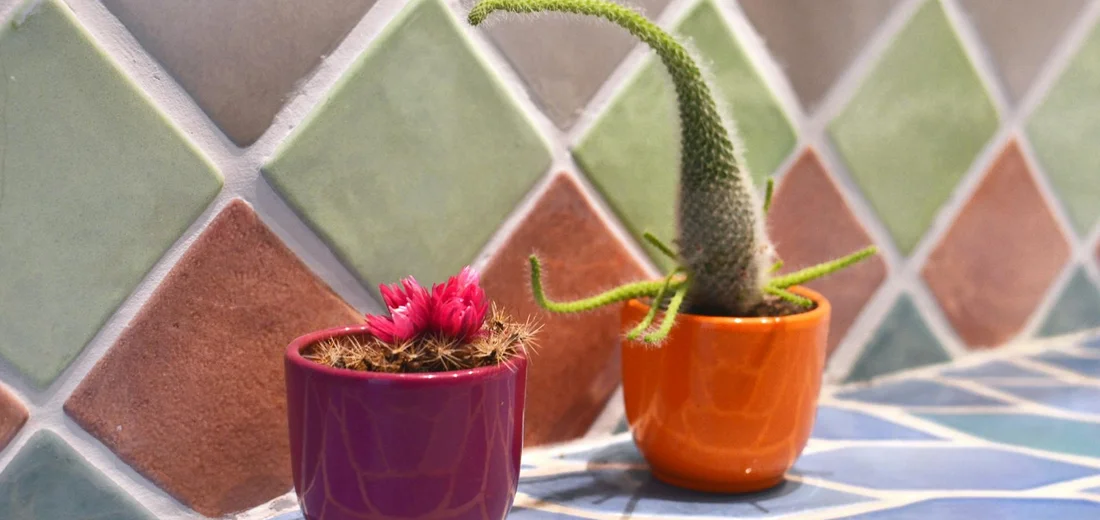
You don’t need a green thumb to see when your succulent is getting ready for its big show. The first and most exciting sign is new, unusual growth from the very center of the plant, called the apical meristem. This isn’t a new leaf; it looks like a tiny, skinny stalk beginning its journey upward.
I’ve noticed many of my echeverias and crassulas will also change color slightly right before blooming. Their leaves might develop brighter, more vibrant tips or edges as the plant diverts extra energy to flower production. It’s like they’re putting on their best outfit for the occasion.
- A Central Flower Spike: This is the most definitive sign. A thin, firm stalk will emerge from the plant’s core, often looking distinctly different from the leaves.
- Color Intensification: Watch for a sudden deepening of colors on the leaf margins, especially in rosette-forming succulents.
- Slowed Leaf Growth: You might notice that the plant stops producing new leaves for a little while as it focuses all its efforts on the bloom stalk.
- Time of Year: Simply noticing the season is a huge clue. If it’s your succulent’s typical flowering period, it’s time to be extra observant.
Quick Tip: A sudden, stretched-out growth (etiolation) is NOT a sign of flowering-it means your plant needs more light! A true flower stalk grows tall and sturdy, not weak and leggy.
Care Tips to Encourage Spectacular Blooms
Getting a succulent to bloom is about replicating the gentle stressors of its natural habitat. Think of it not as pushing the plant, but as giving it the perfect conditions to feel confident enough to reproduce. From my experience, a happy, slightly “challenged” succulent is a blooming succulent.
Master the Light Cycle
Light is the number one trigger for flowering. Many succulents are photoperiodic, meaning they bloom in response to specific day lengths. A Christmas cactus, for instance, needs long, uninterrupted nights to set buds.
- Research your specific succulent’s native light cycle and try to mimic it.
- For most, this means providing brighter light as their blooming season approaches.
- Avoid moving a bud-forming plant, as the change in light angle can cause it to abort the flowers.
Adjust Your Watering Strategy
Watering is a delicate dance. I’ve had the best results by giving my succulents a deep, thorough drink just as the flower stalk begins to emerge, then letting the soil dry out almost completely before watering again. This prevents rot while supporting the massive energy expenditure of blooming. If your plant also starts to produce offshoots after flowering, keep the same light, careful watering pattern to support the new growth. Avoid overwatering as the shoots establish themselves.
Never let a flowering succulent sit in soggy soil. The stalk is particularly susceptible to rot at its base.
Feed for Flowers, Not Just Foliage
Regular houseplant food is often too high in nitrogen, which promotes leafy growth. Switch to a fertilizer that is higher in phosphorus (the middle number on the bottle) to encourage bud formation. I use a diluted, balanced fertilizer or a specialized “bloom booster” formula once a month during the growing season.
- Apply fertilizer to damp soil to prevent root burn.
- Stop fertilizing entirely during the plant’s dormant season.
Embrace the Temperature Drop
Don’t be afraid of cooler nights. Understanding the optimal temperature range for succulents can help you care for them more effectively. Most succulents perform best with warm days and cooler nights within a moderate range. A temperature differential of 10-15 degrees Fahrenheit between day and night can be the final signal your succulent needs to initiate flowering. If it’s safe for your specific plant, try placing it in a spot where it gets warm days and cooler nights in the weeks leading up to its bloom time.
Quick Tip: Patience is your most important tool. Some succulents won’t bloom until they are several years old and perfectly mature. If your succulents aren’t growing, propagation can be a practical way to restart growth and learn what conditions they need. Don’t force it; just provide consistent care and be ready to celebrate when it happens.
Understanding Variety-Specific Flowering Habits
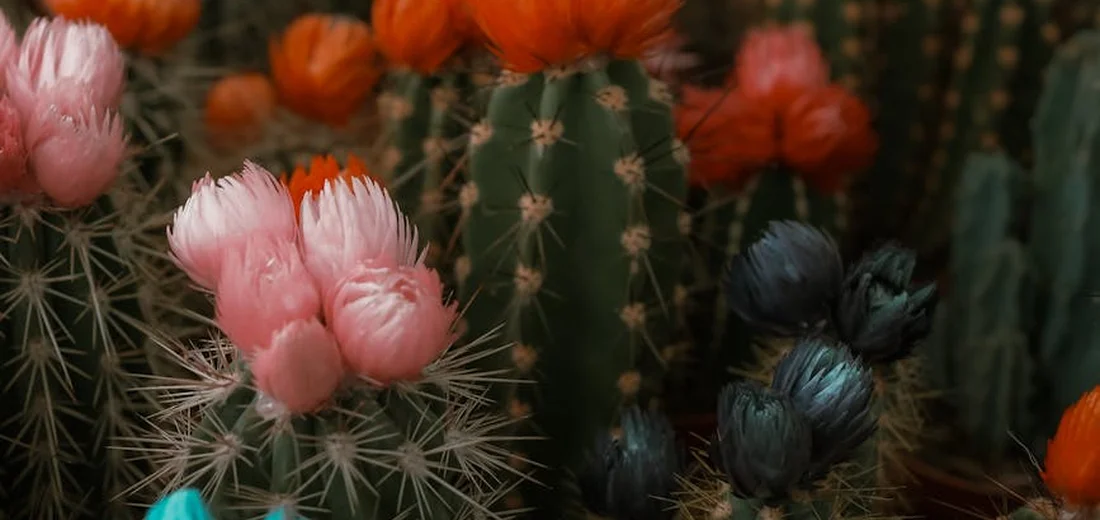
Not all succulents flower the same way, and their habits are as unique as their shapes. I’ve found that getting to know your specific plant is the first step to predicting and encouraging its blooms. It’s like learning a friend’s birthday-once you know it, you can celebrate it every year.
Short-Day Bloomers
Some succulents are triggered to flower by the shorter days of fall and winter. My Christmas Cactus is a perfect example. I keep mine in a room where it gets absolutely no artificial light at night starting in October, and it reliably sets buds for a holiday display. This group needs long, uninterrupted dark periods to initiate flowering.
- Christmas Cactus (Schlumbergera)
- Thanksgiving Cactus
- Some Kalanchoe species
Long-Day and Summer Bloomers
These are the sun-worshippers that burst into color when the days are longest. My Echeverias and most Sedums fall into this category. They use the intense energy of summer sun to fuel their spectacular flower shows. You’ll often see tall, arching stalks emerge from the center of the plant.
- Echeveria
- Most Sedum
- Graptopetalum
- Aeonium
Night-Blooming Wonders
This is one of my favorite groups because it feels like a secret show. The Queen of the Night (Epiphyllum oxypetalum) is the superstar here. I’ve stayed up late just to watch its huge, fragrant white flowers unfurl, knowing they’ll be wilted by morning. These plants often rely on moths for pollination.
- Queen of the Night (Epiphyllum)
- Some Cereus cacti
- Night-blooming Selenicereus
The Monocarpic Event
This is a flowering habit that often worries new growers. A monocarpic succulent, like many Agaves and Sempervivum, will flower once magnificently and then die. But don’t be sad! The plant usually produces many “pups” or offsets before this grand finale, so its legacy continues. I see it as the plant’s ultimate act of reproduction.
What to Do When Your Succulent Won’t Bloom
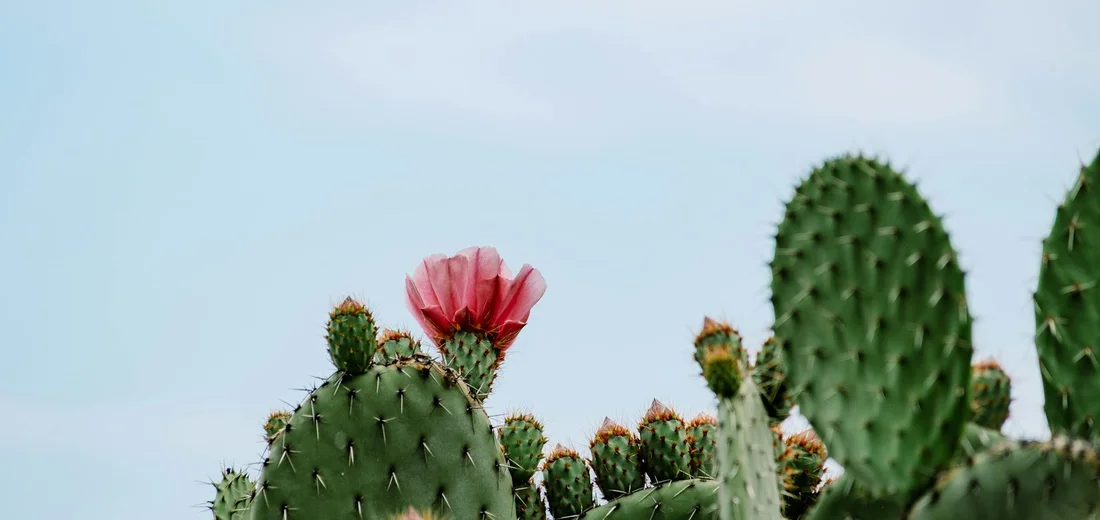
If your succulent is all leaves and no flowers, don’t give up. I’ve troubleshooted many a stubborn plant, and the solution is almost always in the fundamentals. Think of it as a checklist to run through. When propagation fails, the same fundamentals apply—check moisture, light, and rooting conditions. Use the checklist to diagnose common issues and give your cuttings a better chance to root.
Check the Light Levels
This is the number one reason I see for a lack of blooms. Your succulent might be surviving, but not thriving with enough energy to produce flowers. A south-facing window is often the best spot indoors. If your light is low, consider a simple grow light. I’ve had great success with basic LED strips for my collection.
Consider Its Age and Maturity
Many succulents are like fruit trees; they won’t flower until they reach a certain level of maturity. A young plant is often focused on establishing its roots and leaves before it even thinks about blooming. If you have a succulent you grew from a leaf cutting, it might simply need another year or two. Patience is key.
Evaluate Your Watering and Feeding
Too much of a good thing can be a problem. Overwatering leads to lush, weak growth that isn’t interested in flowering. I let the soil dry out completely between waterings to mimic the natural drought cycles that trigger blooming in many species. For feeding, use a fertilizer higher in phosphorus (the middle number on the bottle) to encourage blooms, but only during the active growing season.
Has It Had a Dormant Period?
Some succulents need a distinct rest period with cooler temperatures and less water to set buds. If you keep your home at a constant, warm temperature year-round, your plant might be confused and think it’s always summer. Understanding the differences between winter and summer dormancy can help you provide the right care. Try placing your cool-season growers in a slightly cooler room (around 50-55°F) for a few weeks in the fall. This can be the nudge they need.
Quick Troubleshooting Steps
- Assess the light: Is it getting at least 4-6 hours of bright, direct sun?
- Check its age: Is the plant mature enough to bloom?
- Review your care: Have you been overwatering or over-fertilizing?
- Consider the season: Is it the right time of year for your specific variety to flower?
- Look for stress: A slightly root-bound plant or one that has experienced mild drought is often triggered to reproduce (flower!).
Remember, a healthy, growing succulent is a success, even without flowers. Focus on perfecting its basic care for succulents to thrive, and the blooms will often follow as a happy bonus.
The Lifecycle of a Succulent Flower
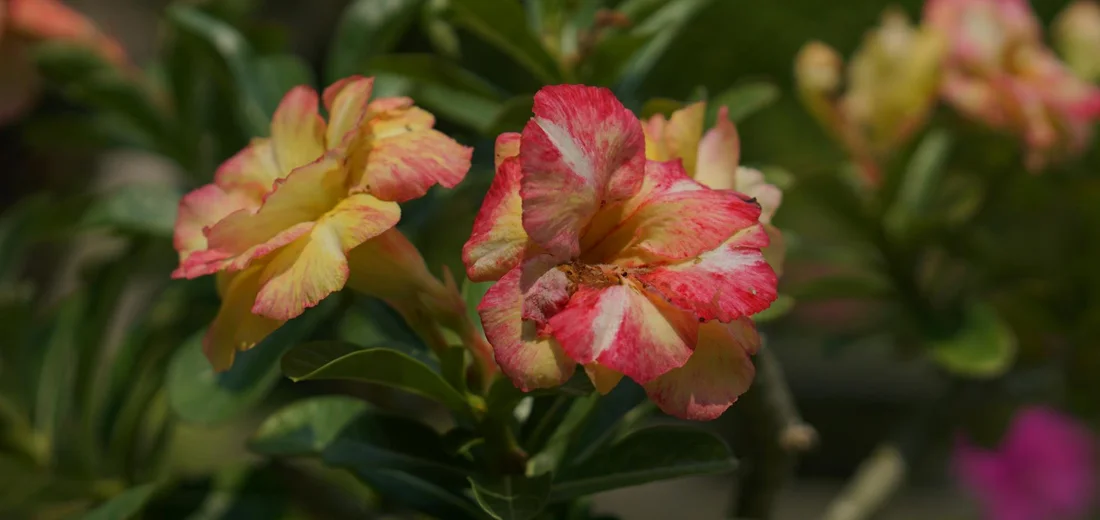
Watching a succulent flower is like getting a backstage pass to one of nature’s most patient performances. From the first hint of a stalk to the final faded petal, the entire process is a masterclass in efficient energy use. I’ve spent years on my knees, notebook in hand, tracking this cycle on everything from common Echeverias to rare Haworthias.
The Grand Entrance: The Flower Spike Emerges
It always starts with a strange, new growth that looks different from the usual leaves. A flower spike, or inflorescence, begins its journey upward. This initial stage is a critical time to ensure your plant is getting plenty of bright, indirect light to power the growth spurt. I’ve noticed the spike on my Aloe ‘Pepe’ always emerges from the very center, stretching toward the sun.
You might see tiny leaves, called bracts, along the stalk. Don’t mistake these for a problem; they’re just part of the structure. The plant is building a sturdy delivery system for the main event.
The Main Event: The Blooming Period
After the stalk reaches its full height, the buds will begin to form and slowly open. This is the payoff. Succulent flowers can last for several weeks to even months, depending on the species and its growing conditions. My String of Pearls, for instance, produced tiny, fragrant white flowers that stuck around for almost six weeks.
The flowers themselves are incredibly diverse. You’ll see:
- Clusters of small, star-shaped blooms on many Sedums.
- Tall, dramatic wands of tubular flowers on Agaves.
- Delicate, nodding bell-shaped flowers on many Echeverias.
Quick Tip: Gently feel the flower stalk. If it’s firm and the plant looks healthy, you’re doing everything right.
The Final Curtain: Post-Bloom and Energy Shift
Once the flowers fade and dry up, the plant’s focus shifts completely. This is when you’ll see the flower stalk itself begin to brown and die back, a perfectly normal process. The plant is reclaiming any remaining resources from the spent stalk.
In my experience, you have two options for the old stalk:
- You can leave it alone, and the plant will often absorb it naturally.
- You can use clean, sharp scissors to cut it off near the base once it’s fully dry and crispy.
Blooming is energetically expensive for a succulent, so don’t be alarmed if the main rosette looks a little tired afterward; it’s just catching its breath. This is a great time to provide a light feeding to help it recover.
For monocarpic succulents like some Sempervivums and Agaves, the entire main plant dies after flowering, but it usually leaves behind a legacy of pups or offsets to carry on. It’s not a tragedy; it’s the grand, final act of a life well-lived.
FAQs
Do all succulents flower in the first year of growth?
No, most succulents need to reach maturity over several years before they can produce flowers.
How does day length affect flowering in succulents?
Day length acts as a key signal, with short days triggering blooms in some species and long days in others.
Which succulent species are known for reliable flowering cycles?
Species like Christmas Cactus and Echeveria are noted for their consistent blooming under the right conditions.
What is the typical flowering cycle duration for popular succulents?
Flowering cycles vary widely, lasting from a few weeks to several months depending on the species.
How does water management impact flowering cycles in succulents?
Controlled watering, including slight drought stress, can promote flowering by simulating natural dry periods.
Can stress induce flowering in succulents and how?
Yes, mild stress like reduced watering or temperature drops can encourage flowering as a survival response.
Celebrate Your Succulent’s Flowers
From my years of nurturing succulents, I’ve learned that consistent care tailored to their natural rhythms is the secret to seeing those gorgeous blooms-focus on mimicking their native habitat with bright light, sparse watering, and patience as they mature. In an outdoor garden, that means placing them in a sunny spot with well-draining soil. This outdoor succulent care guide can help you grow succulents in your garden.
- Provide plenty of direct sunlight
- Water deeply but infrequently
- Use a diluted, balanced fertilizer in spring
Now that you know what triggers flowering, go check on your plants and adjust their care with confidence. I love watching my own succulents surprise me with blossoms, and yours will too-happy growing! For more tips on successful indoor flowering, make sure to check this Kalanchoe care guide.
Further Reading & Sources
- When Do Succulents Bloom: Learn About Flowering Succulent Care
- Succulent Flowers 101: What you Should Do with Succulent Flowers – Succulents Box
- How To Make Succulents Bloom – Reasons For A Succulent Not Flowering | Gardening Know How
- The Why, When, and Where Of Succulent Blooms – Crazy Plants Crazy Critters
Lena Greenfield is a passionate horticulturist and plant care expert with over 10 years of experience cultivating and nurturing hardy house plants. With a deep understanding of both indoor and outdoor gardening, Lena shares practical advice on choosing, caring for, and maintaining resilient plants that flourish year-round. Through her knowledge and hands-on approach, Lena helps plant lovers transform their spaces into vibrant, green sanctuaries, no matter their gardening experience.
Light and Temperature