
Can You Plant Cacti and Succulents Together? Compatibility Guide
Published on: April 12, 2026 | Last Updated: April 12, 2026
Written By: Lena Greenfield
Yes, you can plant cacti and succulents together, and I’ve grown stunning mixed arrangements in my own home for over five years. Many beginners worry about mismatched care needs causing one plant to suffer, but with a few adjustments, they can coexist beautifully and even enhance each other’s growth.
In this guide, I’ll share my hands-on tips to ensure success, covering soil mix choices, watering routines, light preferences, and troubleshooting common issues.
The Basics of Cacti and Succulent Compatibility
You might wonder if cacti and other succulents can live together happily-and I’m here to tell you, yes, they often can! Both cacti and succulents are champions at storing water in their leaves or stems, making them naturally drought-tolerant buddies. I’ve kept mixed planters for years, and seeing a spiky cactus next to a fleshy echeveria never gets old. They thrive on similar “tough love” care, where less attention often means more growth.
- Cacti are actually a subgroup of succulents, so they share that clever water-hoarding habit. Think of cacti as the prickly cousins in the succulent family-they all come from dry, sunny places but have unique backgrounds.
- Most succulents hail from regions like Africa or Mexico, while cacti are native to the Americas. This means indoors, they both crave bright light and hate wet feet, but some subtle differences pop up in their preferences.
- In my own home, I mixed a barrel cactus with a jade plant in a wide pot, and they’ve been thriving for three years because I matched their slow-growing, sun-loving natures. Grouping them based on origin clues helps prevent surprises in your care routine.
Key Similarities and Differences
When I plan a mixed arrangement, I always jot down what these plants have in common and where they diverge. Their shared traits make them low-maintenance roommates, but a few key differences need your attention to avoid hiccups. Let’s break it down so you can mix with confidence.
- Shared traits: Both store water in their tissues, so they can go weeks without a drink. They’re generally easy-care and perfect for busy plant parents. Plus, they both prefer lots of light and well-draining soil to prevent root rot.
- Critical differences: Cacti usually have spines or glochids (those tiny, irritating hairs), while many succulents like aloe or haworthia are spine-free. Soil-wise, cacti often need a grittier mix with more sand, whereas some succulents can handle a bit more organic matter.
Essential Care Factors for Successful Mixed Plantings
To keep your cacti and succulents happy together, focus on four big areas: light, water, soil, and humidity. Balancing these elements is like hosting a party where everyone has slightly different tastes-you aim for a middle ground that pleases all. I’ve learned through trial and error that getting these right means fewer wilted leaves and more vibrant growth. That approach also helps you keep succulents small, compact, and healthy over time. Small, steady growth is easier to manage and enjoy in your space.
- Light: Most cacti and succulents love bright, indirect light, but cacti often handle direct sun better. Succulents like sedum might tolerate lower light, but both types can suffer in dim corners.
- Water: Both prefer drying out completely between waterings, but cacti might need even less frequent drinks. Overwatering is the top killer, so when in doubt, wait it out.
- Soil: A well-draining mix is non-negotiable. Cacti lean toward grittier blends, while succulents can adapt, but a universal mix works wonders for mixed pots.
- Humidity: Low humidity is best for both, as high moisture can lead to mold or rot. Indoor environments usually suit them fine, but watch for stuffy rooms.
Quick tip: Choose a shallow, wide pot with drainage holes to give roots space to breathe and prevent waterlogging. This simple step has saved many of my mixed planters from soggy disasters.
Light Requirements
Light is like food for these plants-they need the right amount to flourish. In my experience, a south-facing window provides the bright, indirect light that most cacti and succulents adore. If you notice stretching or pale leaves, it’s a sign they’re craving more sun.
- Ideal sun exposure: Aim for 6+ hours of bright light daily. Cacti often thrive in direct sunlight, while succulents like echeveria prefer filtered light to avoid sunburn.
- Indoor placement: South or east-facing windows are gold mines. For low-light areas, consider hardy succulents like snake plants, but avoid mixing them with high-light cacti to prevent stress.
Watering Schedules
Watering is where many plant parents go wrong—I’ve been there too! Create a unified routine by watering only when the soil is bone-dry, usually every 2-4 weeks depending on your home’s warmth. For a diverse plant collection, tailor this routine by grouping plants with similar water needs and adjusting for pot size and light. This prevents overwatering, which can cause root rot in both types.
- Unified watering: Soak the soil thoroughly until water runs out the drainage holes, then let it dry completely. In winter, cut back to once a month or less, as growth slows down.
- Signs of thirst: Look for wrinkled leaves on succulents or slight shrinking in cacti stems. If the pot feels light when lifted, it’s time for a drink. Trust the soil, not the calendar, to guide your watering.
Soil and Drainage Needs
Soil is the foundation of a healthy mixed planting, and I can’t stress enough how important drainage is. The perfect blend for cacti and succulents is one part potting soil, one part coarse sand, and one part perlite or pumice. This mix mimics their natural gritty habitats and keeps roots happy and rot-free.
- Components to use: Potting soil (avoid moisture-retentive types), coarse sand for aeration, perlite for drainage, and a handful of small gravel for extra grit. I often add a bit of compost for nutrients, but keep it minimal.
- Components to avoid: Steer clear of peat moss or clay-heavy soils-they hold too much water and can suffocate roots. Also, skip fertilizers high in nitrogen, which encourage weak growth.
Step-by-Step Guide to Planting Cacti and Succulents Together
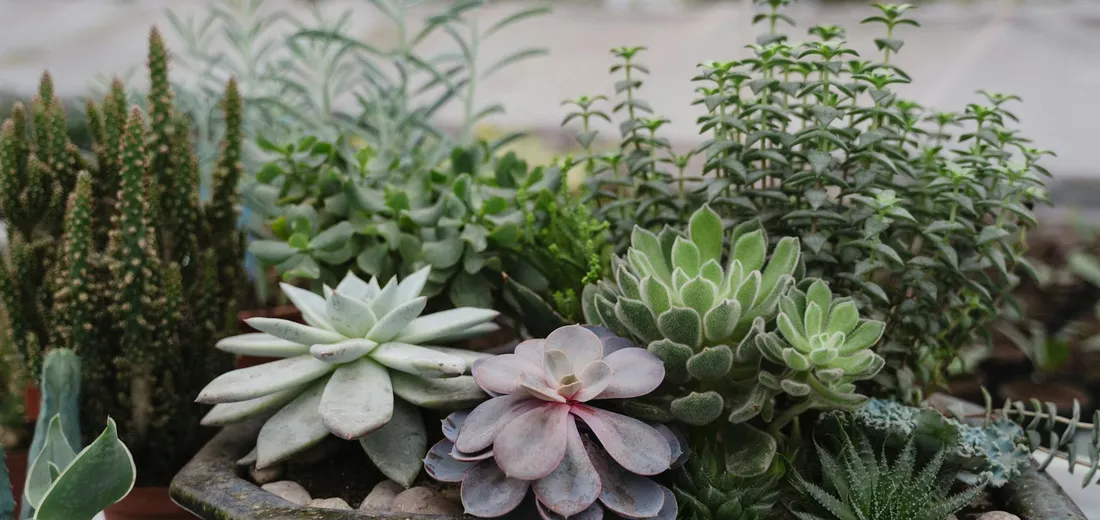
- Select a container with adequate drainage holes.
- Prepare the soil mix, emphasizing fast-draining ingredients.
- Arrange plants considering growth rates and spacing for aesthetics.
- Plant carefully to avoid root damage and ensure stability.
- Water initially and advise on post-planting care.
Choosing the Right Pot
Your container is the foundation for a healthy mixed planter. I always lean towards unglazed terracotta pots because they are porous and pull excess moisture away from the soil, which is a lifesaver for plants that hate wet feet. Glazed ceramic pots are beautiful but hold water longer, so you must be extra careful with your watering schedule if you choose one. For succulents, the pot you choose really matters: porous containers with good drainage—like terracotta—are often the best pots for succulents.
- Terracotta vs. Ceramic: Terracotta breathes, helping soil dry evenly. Ceramic is less porous, increasing the risk of overwatering, but it offers more style and color variety.
- Sizing it Right: Pick a pot that’s just an inch or two wider than the root ball of your largest plant. A pot that’s too large holds excess soil that stays damp for too long, while a tight fit encourages a stable root system. For a group planting, ensure the pot is wide and shallow rather than deep, as most cacti and succulents have shallow roots.
Plant Arrangement Techniques
This is where you get to be an artist! Think about creating a miniature landscape by playing with different heights, shapes, and textures to build visual interest. I like to place a taller, columnar cactus like an Old Lady Cactus slightly off-center as a “thriller,” then surround it with rosette-shaped succulents like Echeverias as “fillers,” and finally let a trailing String of Pearls spill over the edge as a “spiller.”
- Visually Appealing Layouts: Combine spiky, architectural cacti with the soft, rounded leaves of a Jade Plant. Use contrasting colors, like the blue hue of a Blue Chalk Stick next to the vibrant green of a Bunny Ear Cactus.
- Avoid Overcrowding: Give each plant enough room to breathe and grow. Crowding plants creates a humid microenvironment that is a breeding ground for mold, mildew, and pests. A good rule of thumb I use is to imagine each plant at its mature size and space them accordingly.
Common Risks and How to Mitigate Them
Even with the best intentions, things can go wrong in a mixed planter. The most common issue I see, by far, is gardeners loving their plants a little too much with the watering can. Other problems like pests can pop up, but they are almost always manageable if you catch them early.
- Root Rot from Overwatering: This is the number one killer. If the base of a plant feels mushy or the leaves are translucent and dropping, you likely have root rot.
- Actionable Solutions: For overwatering, stop watering immediately! Remove the affected plant from the pot, cut away any black, mushy roots with sterile scissors, and repot it in fresh, dry soil. Don’t water again for at least a week.
- Personal Pest Story: I once brought home a beautiful Haworthia that secretly had mealybugs. Within two weeks, my entire succulent shelf was infested! I had to quarantine every plant and treat them for a month with isopropyl alcohol sprays. This taught me the invaluable habit of inspecting new plants with a magnifying glass before they ever join the rest of my collection.
Overwatering and Root Rot
This is a silent killer, but you can beat it. The first sign of trouble is usually a plant that feels soft or looks discolored, often with leaves that fall off at the slightest touch. If you suspect root rot, you need to act fast to have any chance of saving the plant.
- Immediate Rescue Steps: Gently remove the plant from its pot and shake off the soil. Use clean, sharp scissors to cut away every single dark, slimy root. Healthy roots are firm and white or light tan. Let the roots air dry for a day before repotting in completely fresh, dry succulent mix.
- Preventive Watering Habits: The best method is the “soak and dry” method. Water thoroughly until it runs out the drainage hole, then do not water again until the soil is completely dry all the way to the bottom. In winter, this might mean watering only once a month or even less.
Pest Management
Pests are inevitable, but they don’t have to be a disaster. Regular, close inspection is your strongest defense against a full-blown infestation. By learning to spot early warning signs of pest infestations on your plants, you can act before damage spreads. Look for chewed leaves, sticky residue, or fine webs to catch issues early. I make it a relaxing weekend ritual to check my plants while I have my morning coffee.
- Common Pests & Organic Control: Mealybugs look like tiny bits of cotton; spray them directly with 70% isopropyl alcohol. Fungus gnats are those tiny black flies; let the soil dry out completely and use yellow sticky traps. Scale insects appear as small, brown bumps; scrape them off and follow up with a neem oil solution.
- Early Detection Routine: Look under leaves, along stems, and at the point where the stem meets the soil. Use a bright light or a magnifying glass to spot the early signs. Catching just one or two bugs makes the problem much easier to solve than dealing with a colony.
Ideal Cacti and Succulent Companions
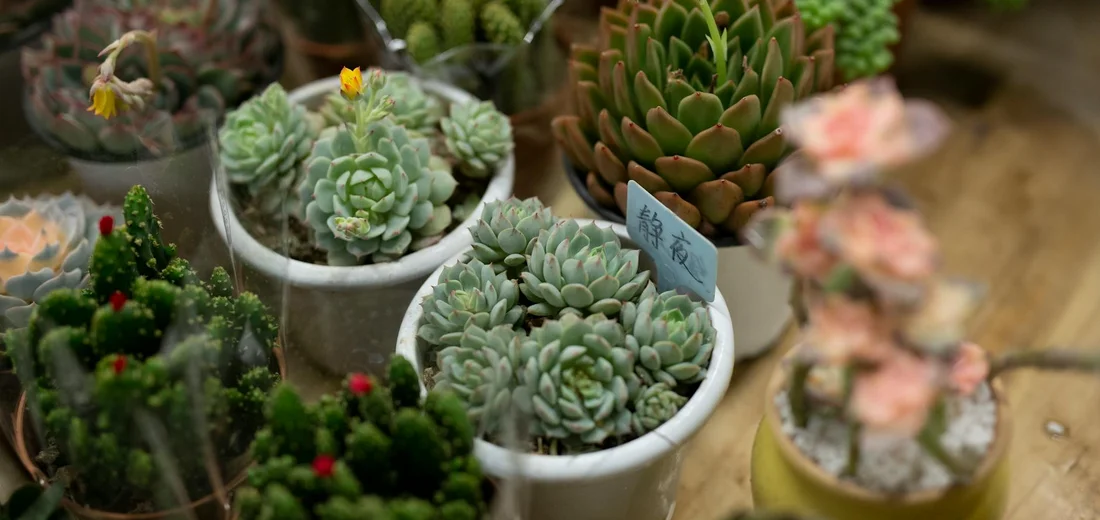
Pairing the right plants is like creating a friendly neighborhood for your pots. I focus on matching plants with nearly identical thirst levels and sun-worshipping habits to prevent any drama. Over the years, my most successful arrangements always group slow-growers with similar water needs.
Top Indoor Pairings
For your indoor desert, choose succulents that genuinely enjoy neglect alongside your cacti. Echeverias and Haworthias are my go-to companions because they store water in their leaves just like cacti do. I avoid pairing anything that grows too quickly, as it will crowd out the slower cacti and steal all the soil nutrients.
- Haworthia and Gasteria thrive in the same bright, indirect light many cacti enjoy.
- Sedum morganianum (Burro’s Tail) and Christmas Cactus share a preference for slightly more frequent watering than other pairs.
- Sempervivum (Hens and Chicks) are incredibly drought-tolerant and form neat rosettes that won’t overwhelm their spiny neighbors.
| Plant Name | Light Needs | Water Frequency | Growth Habit |
|---|---|---|---|
| Mammillaria Cactus | Full, Direct Sun | Every 3-4 weeks | Clumping, Slow |
| Echeveria ‘Lola’ | Full, Direct Sun | Every 3-4 weeks | Rosette, Moderate |
| Zebra Haworthia | Bright, Indirect | Every 3 weeks | Clumping, Slow |
| Parodia Cactus | Full, Direct Sun | Every 4 weeks | Globular, Slow |
Some plants just don’t play well with a typical cactus. I learned the hard way that Jade Plants (Crassula ovata) often want more water than a cactus can handle, leading to root rot on one side of the pot. String of Pearls is another one I keep separate, as its watering needs are too unique for a mixed community.
Long-Term Care for Thriving Mixed Arrangements
Keeping a mixed pot happy for years is all about observing and adjusting. Your plants will tell you what they need through their color, firmness, and growth patterns-you just have to learn their language. I check my arrangements every weekend, not to water them, but just to see how they’re doing.
Repotting becomes necessary when you see roots peeking from the drainage hole or the soil looks exhausted. I typically repot my mixed cactus and succulent bowls every two to three years in the spring, using fresh gritty mix. When the soil starts to behave oddly—staying soggy, crusting, or compacting—it’s a clear sign that the soil needs to be refreshed. In other words, you should change the soil whenever you repot. When you do repot, it’s the perfect time to propagate any offsets or leaves that have naturally fallen.
Feeding and Fertilizer
These desert natives are used to nutrient-poor soils. I use a fertilizer labeled for cacti and succulents, which is always low in nitrogen, at half-strength during the growing season only. Fertilizing in winter is like offering an ice cream cone to a hibernating bear-it just creates problems.
- Apply fertilizer only in spring and summer, when plants are actively growing.
- Dilute to half the recommended strength to prevent root burn.
- Water the soil first before applying fertilizer to protect delicate roots.
Seasonal Adjustments
Your care routine should change with the seasons, just like your wardrobe. In winter, I sometimes go 6-8 weeks between waterings because the plants are semi-dormant and the soil takes forever to dry. Come summer, I might water every 2-3 weeks if the pot is in intense heat. This approach is a handy example from a general guide on how often to water indoor plants. It shows that watering frequency should hinge on season and soil moisture.
- Spring: Resume regular watering and begin fertilizing as new growth appears.
- Summer: Provide maximum light and increase watering frequency slightly if needed.
- Fall: Begin tapering off watering and stop fertilizing completely.
- Winter: Water sparingly and provide the brightest possible location in your home.
My personal winter routine involves moving all my mixed arrangements to the sunniest south-facing window I have. I keep a small notebook to track when I last watered each pot, which prevents me from loving them to death with too much attention. This simple habit has saved more plants than any fancy tool I’ve ever bought.
Styling Your Mixed Cacti and Succulent Pots
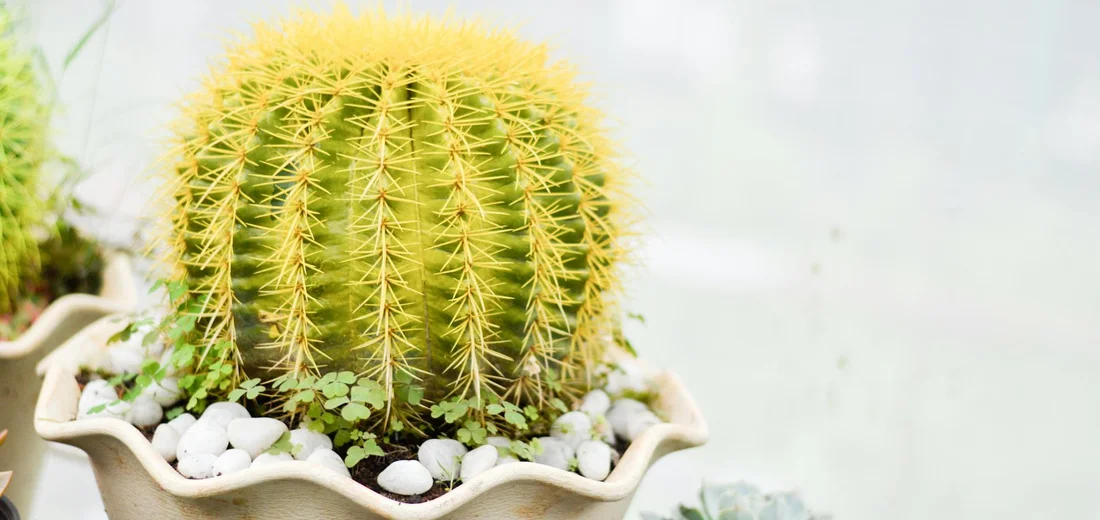
Creating a beautiful arrangement is my favorite part of combining these plants. Think of your pot as a miniature desert landscape where you get to be the artist. I love playing with height, color, and shape to design something truly eye-catching.
Creative Display Ideas
You can build stunning displays both inside your home and out on the patio.
- For indoor drama, try a wide, shallow bowl filled with a low-growing Echeveria ‘Lola’, blue chalk sticks, and a cluster of small pincushion cacti.
- Create a vertical “living wall” in a tall, narrow planter by stacking trailing String of Pearls, a stout Barrel Cactus, and a spiky Aloe vera.
- Outside, use a large, weathered stone trough to host a mix of hardy Sempervivum and prickly pear cacti for a rugged, natural look.
Playing with Aesthetics
The magic happens when you combine different elements.
- Color: Pair the silvery-blue of a Senecio mandraliscae with the deep purple of a Graptopetalum for a cool-toned palette.
- Form: Contrast the round, globular shape of a Mammillaria cactus with the sharp, architectural spikes of an Agave.
- Texture: Mix the smooth, plump leaves of a Jade plant with the fuzzy, soft-looking spines of an Old Lady Cactus.
Simple DIY Tips
You do not need to be a professional to make your pots look amazing.
- Arrange your plants on the soil surface while they are still in their nursery pots to visualize the layout before you commit to planting.
- Use a small paintbrush to gently dust off any soil from the leaves and spines after you are done planting for a pristine finish.
- Place a few larger, interestingly shaped stones or a piece of driftwood amongst the plants to anchor the composition.
Container and Décor Ideas
The right pot can elevate your entire arrangement from nice to spectacular.
I have a strong preference for unglazed terracotta pots. Their porous nature helps soil dry out evenly, which is a lifesaver for beginners prone to overwatering. Are terracotta pots good for indoor plants? They’re a natural fit for many houseplants, since the porosity promotes good root health, though you may need to water more often. A sleek, modern ceramic pot in a neutral color can make the vibrant greens and blues of your plants pop beautifully.
- Choose a pot color that complements your plants. A white pot highlights dark green succulents, while a dark gray pot makes red-tipped varieties stand out.
- Ensure the pot’s style matches the plant’s vibe. A rustic, handmade clay pot suits a chaotic, sprawling arrangement, while a geometric concrete planter is perfect for a minimalist, structured look.
Do not forget the finishing touch. Adding a top dressing of small gravel or coarse sand gives your pot a professional, polished appearance and helps keep the base of the plants dry. I use a mix of black lava rock and white quartz chips for a striking contrast.
Where to Source Quality Cacti and Succulents
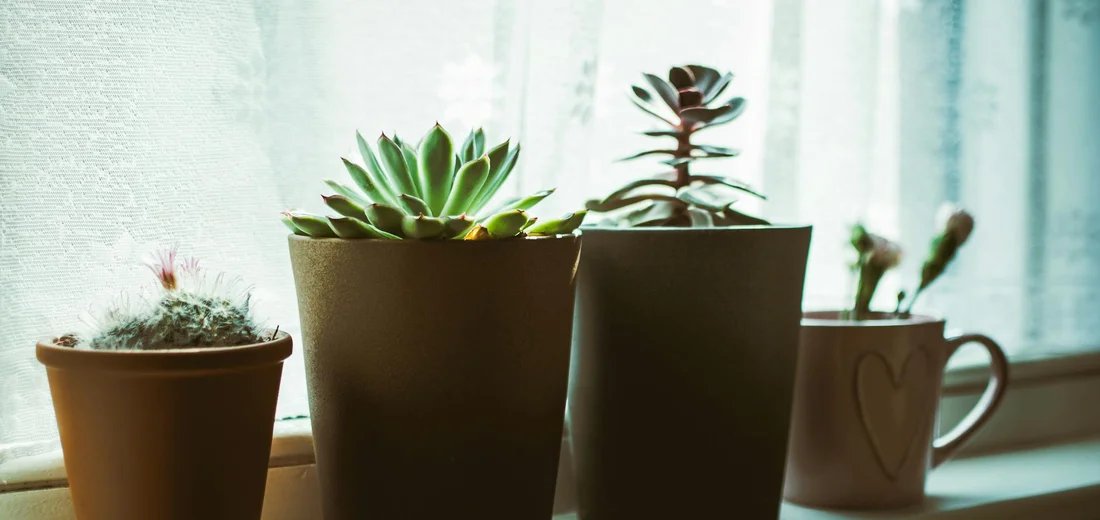
Finding healthy plants is the first step to a thriving mixed pot. I have bought plants from just about everywhere over the years.
- Local Nurseries and Garden Centers: This is my top choice. You can inspect each plant closely, and the staff is often incredibly knowledgeable.
- Online Specialty Retailers: Websites dedicated to succulents and cacti offer a huge variety you will not find locally. I have had great luck with Mountain Crest Gardens for unusual succulents.
- Big-Box Stores: You can find affordable, common varieties here. You must be extra vigilant about checking for pests and signs of overwatering.
- Plant Swaps or Local Groups: Connect with other enthusiasts! This is a fantastic way to get rare cuttings and learn from fellow plant lovers.
Evaluating Plant Health
Knowing what to look for will save you from bringing home a problem.
A healthy succulent or cactus should feel firm and full, not soft or squishy. Its color should be vibrant, not pale or yellowing. Gently wiggle the plant at its base; it should feel secure in the soil, not loose or wobbly, which can indicate root rot.
- Signs of a Robust Plant: Tight, compact growth; firm, plump leaves; and new growth at the center (the crown).
- Red Flags: Brown, mushy spots; tiny webs (spider mites); white, cottony fluff (mealybugs); or leaves that easily fall off when touched.
My non-negotiable rule for any new plant is a quarantine period. I always keep new plants isolated from my collection for at least two weeks to monitor for any hidden pests. I place them on a separate shelf and watch closely. If I find any pests, I quarantine-treat the plant before introducing it to the rest of my collection. This precaution helps prevent pest spread and has kept my collection pest-free.
FAQs
How do I acclimate new cacti and succulents to a mixed pot environment?
Gradually introduce them to the new light and watering conditions over a week to reduce stress.
Can I use rainwater for watering mixed cacti and succulents?
Yes, rainwater is often preferred as it is soft and free of chemicals, mimicking their natural habitat.
What are the signs that my mixed planting is receiving too much light?
Look for sunburn signs like bleached or brown spots on leaves, and move to a shadier spot if needed.
How do I handle fertilization if some plants are dormant?
Avoid fertilizing during dormancy periods, typically in winter, to prevent nutrient burn.
Are there any companion plants that help deter pests in mixed arrangements?
Some plants like Lavender or Marigolds can repel pests, but ensure they have similar care requirements.
What is the best way to clean dust off mixed cacti and succulent leaves?
Use a soft brush or compressed air to gently remove dust without damaging the plants.
Your Succulent Pairing Success Awaits
In my own succulent-growing journey, I’ve found that cacti and succulents thrive together when you prioritize their shared low-water needs and bright light preferences.
- Match watering schedules to when soil is bone-dry
- Select a gritty, fast-draining soil mix
- Provide consistent bright, indirect light
Trust your instincts and give those plants a cozy home-they’re tough little survivors that will grow happily with your attentive care. Go ahead, mix and match with confidence, and enjoy your own piece of the desert indoors!
Further Reading & Sources
- Cacti and succulents | UMN Extension
- Can You Plant Succulents and Cacti Together? Tips for Happy Plants – Lula’s Garden
- Can i put different kinds of succulents and cacti together
- How to plant cacti and succulents together
Lena Greenfield is a passionate horticulturist and plant care expert with over 10 years of experience cultivating and nurturing hardy house plants. With a deep understanding of both indoor and outdoor gardening, Lena shares practical advice on choosing, caring for, and maintaining resilient plants that flourish year-round. Through her knowledge and hands-on approach, Lena helps plant lovers transform their spaces into vibrant, green sanctuaries, no matter their gardening experience.
Types of Succulents