
Why Are My Succulent’s Bottom Leaves Dying or Wilting?
Published on: April 19, 2026 | Last Updated: April 19, 2026
Written By: Lena Greenfield
If you’ve noticed the bottom leaves on your succulent turning yellow, wilting, or falling off, you’re not alone. Seeing this can be worrying, but I’m here to tell you it’s often a normal part of your plant’s life.
In this guide, I’ll share what I’ve learned from years of growing succulents to help you figure out the cause. We’ll cover overwatering, underwatering, natural growth, and light issues so you can give your plant exactly what it needs.
The Top Reasons Your Succulent’s Bottom Leaves Are Struggling
Overwatering and Poor Drainage
I’ve killed more succulents with kindness (and a watering can) than I care to admit. Overwatering is the number one cause of mushy, translucent, and wilting bottom leaves. Your plant’s roots need to breathe, and constantly wet soil suffocates them. Always use a pot with a drainage hole and a gritty, fast-draining soil mix-I make my own with half potting soil and half perlite.
Underwatering and Thirst Stress
On the flip side, a succulent that’s too dry will sacrifice its oldest leaves to conserve water for new growth. An underwatered succulent will have leaves that are thin, wrinkled, and crispy to the touch, starting at the bottom. I wait until my plant’s soil is completely dry and the leaves feel a little less firm before giving it a thorough soak.
Root Rot From Soggy Soil
If overwatering continues, it invites root rot-a silent killer. Root rot turns healthy white roots into a black, mushy mess that can no longer absorb water or nutrients. This is why the bottom leaves die first; they’re the farthest from the plant’s energy source. If you smell a musty odor from the soil, it’s time for an emergency repot.
Natural Leaf Shedding and Aging
Don’t panic if you see a few bottom leaves drying up and falling off on their own! It is perfectly natural for a succulent to reabsorb its oldest leaves to fuel new growth from the center. As long as the top of the plant looks healthy and plump, this is just your plant’s way of renewing itself. I see this most often in my rapidly growing echeverias.
How to Diagnose the Cause of Wilting or Dying Leaves
Step 1: Examine the Soil and Moisture Level
This is always my first move. Stick your finger about two inches into the soil. If the soil feels damp or clings to your skin, overwatering is the likely culprit. If it’s bone dry and pulling away from the edges of the pot, your plant is thirsty. A moisture meter can help, but your finger is a free and effective tool.
Step 2: Inspect the Roots and Pot Setup
If the soil check points to trouble, gently tip the plant out of its pot. Healthy roots are firm and white or light tan, while rotten roots are dark, slimy, and fall apart easily. This is also the time to check if the roots are circling tightly (pot-bound) or if the pot is far too large, which holds excess moisture.
Quick Tip: When repotting a succulent with root rot, use a clean pot and fresh soil to give it a fighting chance. After removing the rot, trim away damaged roots and let the plant dry briefly before repotting. This helps you properly repot after root rot by using fresh, well-draining soil in a clean pot.
Step 3: Assess Light Exposure and Leaf Color
Finally, look at the plant as a whole. A succulent that isn’t getting enough light will often stretch out and drop lower leaves in a desperate search for sun. Conversely, leaves that are turning brown or white in patches might be getting sunburned. I aim for a spot with bright, indirect light for most of my collection.
Fixing Overwatering and Root Rot in Your Succulent
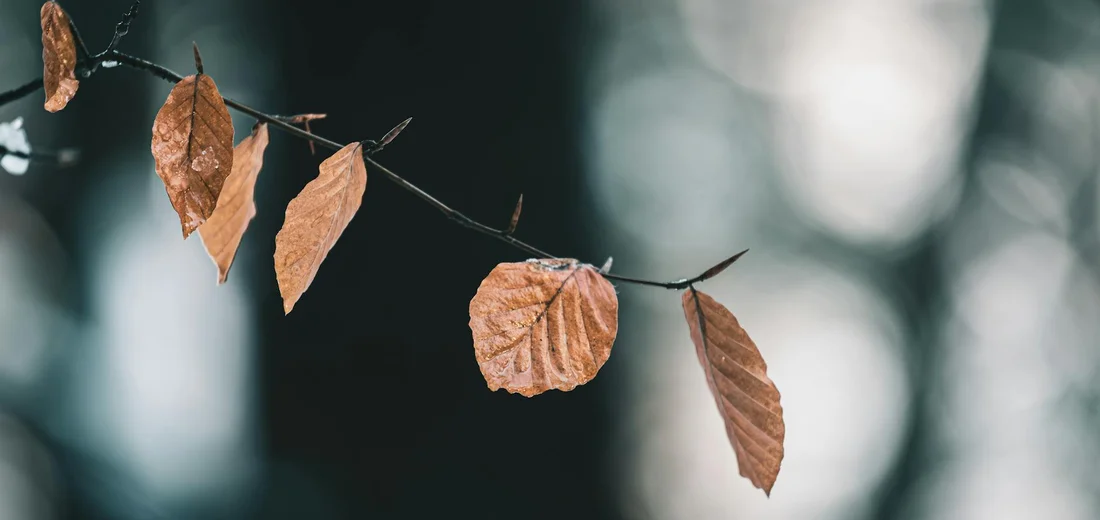
I’ve rescued dozens of succulents from soggy soil, and the key is acting fast when you spot mushy leaves. Overwatering suffocates roots, leading to rot that spreads quickly if not addressed. Follow these steps to give your plant a fresh start.
Step 1: Unpot and Clean the Roots
Gently tip the pot sideways and support the plant’s base to ease it out. I always do this over a tray to catch soil and avoid a mess. Rinse the roots under lukewarm water to wash away old dirt-this lets you see which parts are healthy or rotten.
- Use your fingers to untangle roots carefully.
- Healthy roots feel firm and look white or tan.
- Rotten roots are soft, dark, and might smell musty.
Step 2: Trim Away Rotten Roots and Leaves
Grab clean scissors or pruning shears-I sterilize mine with rubbing alcohol to prevent infections. Snip off any dark, squishy roots and remove yellowing leaves at the bottom. This directs the plant’s energy to new growth. If most roots are gone, don’t worry; succulents can often regrow them.
Step 3: Repot in Fresh, Well-Draining Soil
Pick a pot with drainage holes and fill it with a cactus or succulent mix. I add perlite or coarse sand to improve drainage, which has kept my plants thriving for years. Place the succulent in the center, spread the roots, and gently pack soil around them. Leave the base of the plant level with the soil surface.
Step 4: Adjust Watering After Repotting
Wait about a week before watering to let the roots settle. When you do water, soak the soil thoroughly until water drains out, then let it dry completely. I check by sticking my finger an inch into the soil-if it’s dry, it’s time for a drink. This prevents future overwatering issues.
Addressing Underwatering and Light-Related Stress
If your succulent’s leaves are shriveled or crispy, it might be thirsty or getting too much sun. Underwatering causes leaves to wilt as the plant uses stored water from the bottom up. Here’s how to revive it and balance light exposure.
Step 1: Soak the Soil Thoroughly
Place the pot in a sink or bowl and water slowly until it runs out the bottom. Let the plant sit in the water for 20-30 minutes to absorb moisture deeply. I repeat this every time the soil feels bone dry-usually every 1-2 weeks, depending on your home’s humidity.
Step 2: Gradually Adjust Light Exposure
Move your succulent to a spot with bright, indirect light, like near an east-facing window. Over 5-7 days, slowly increase its time in direct sun to avoid shock. I’ve seen plants perk up quickly with this method, as it mimics their natural habitat. If leaves start to redden or scorch, pull back to softer light. Similarly, this gradual transition works well when moving succulents between seasons to prevent shock. By slowly adjusting light and temperature, you reduce stress during seasonal changes.
Dealing with Pests, Diseases, and Other Issues
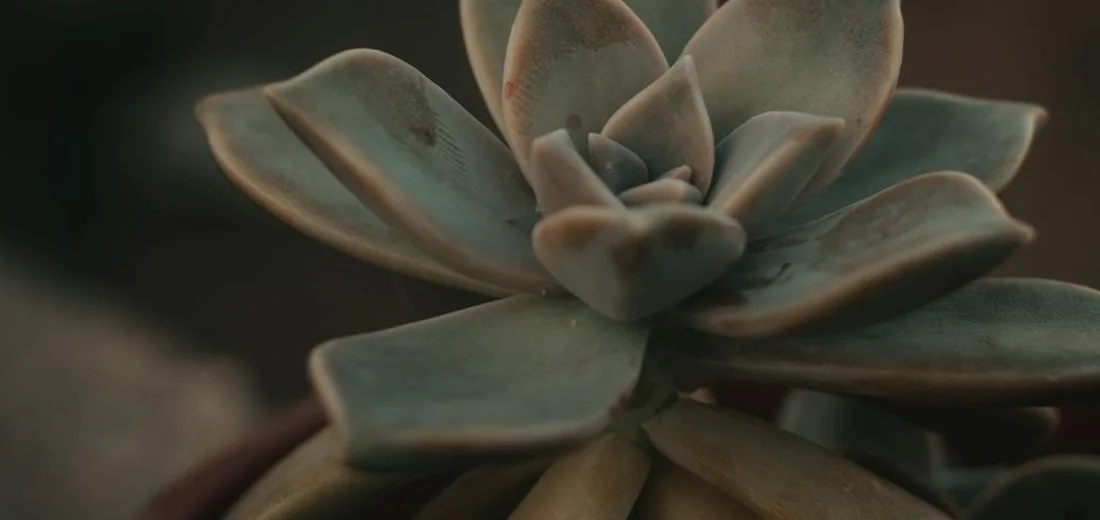
Identifying Pests Like Mealybugs
Finding fluffy white spots on your succulent is a classic sign of mealybugs. I’ve dealt with these sap-sucking pests more times than I can count, and they love to hide in the tight spaces between leaves and stems. They look like tiny bits of cotton or fluff, but they can quickly weaken your plant by draining its vital juices.
Check your plant thoroughly if you see any leaf issues. Other common culprits include scale insects, which look like small, brown bumps stuck to the plant, and spider mites, which leave behind fine, silky webbing. Yellowing leaves and drooping stems are common troubleshooting clues to watch for. Noting these signs alongside pest symptoms can help you diagnose watering, light, or root problems as well. Early detection is your best weapon, so make inspecting your succulents a regular part of your watering routine.
- Mealybugs: Appear as small, white, cottony masses.
- Scale: Looks like immobile, waxy, or crusty bumps on leaves and stems.
- Spider Mites: Cause a stippled, yellow look on leaves and produce fine webs.
Treating Fungal Infections and Improving Ventilation
If your succulent’s base leaves are mushy, discolored, or have black spots, you’re likely dealing with a fungal issue, often caused by too much moisture. I learned this the hard way with an overwatered echeveria that developed soft, brown patches at its base—a clear sign of rot. It’s crucial to address fungal problems quickly. This happens when the soil stays wet for too long, creating a perfect environment for fungi to thrive.
The first step is always to remove the affected leaves carefully with a clean, sharp tool. Improving air circulation is a game-changer for preventing these problems from coming back; a small fan on a low setting near your plant collection can work wonders. Good airflow helps the soil dry out more evenly and makes the environment less hospitable for mold and mildew.
- Remove the plant from its pot and inspect the roots and stem for any black or mushy rot.
- Cut away all affected areas with a sterilized knife or scissors.
- Let the plant sit out of soil in a well-ventilated area for a day or two to callous over.
- Repot into fresh, dry, well-draining succulent mix.
Preventive Care to Keep Your Succulent’s Leaves Healthy
Optimal Watering and Soil Mix Tips
Getting your watering routine right is the single most important thing you can do for your succulents. My golden rule is to always wait until the soil is completely dry all the way to the bottom of the pot before giving it a thorough soak. I stick my finger deep into the soil or use a wooden chopstick to check for moisture—if it comes out clean, it’s time to water. For a complete guide on how often to water succulents, factors like climate, potting mix, and drainage matter. This baseline helps you tailor your watering schedule to your setup.
Your soil mix is just as critical as your watering schedule. A gritty, fast-draining mix is non-negotiable for happy succulent roots; regular potting soil holds far too much water and will lead to root rot. I make my own blend using equal parts potting soil, coarse sand, and perlite, which provides the perfect balance of moisture retention and drainage. If you’re into DIY, you can tailor your own succulent potting mix with simple, customizable recipes. These DIY mixes let you adjust for your climate and succulent types.
- Water deeply, but only when the soil is bone-dry.
- Use pots with drainage holes every single time.
- Create a custom soil mix with plenty of inorganic material like perlite or pumice.
- During winter, reduce watering frequency significantly as plants enter dormancy.
Proper Light and Pot Selection
Succulents crave bright light to maintain their compact shape and vibrant colors. If your plant starts stretching out with large gaps between its leaves, it’s telling you it needs more direct sunlight. I keep most of my collection on a south-facing windowsill where they get at least six hours of sun daily, and they reward me with tight rosettes and beautiful stress coloring.
Choosing the right pot is more important than you might think. Terra cotta pots are my go-to because their porous nature allows the soil to dry out much faster than plastic or glazed ceramic containers. Always select a pot that’s just slightly larger than the root ball-too much extra soil means more water retention, which can lead to those bottom leaves suffering.
- Provide at least 4-6 hours of direct sunlight daily for most succulent varieties.
- Rotate your plants regularly to ensure even light exposure on all sides.
- Select pots with drainage holes and opt for breathable materials like terra cotta.
- Repot every 1-2 years to refresh the soil and check root health.
Common Questions
Is it normal for my succulent to lose its bottom leaves?
Yes, it is a natural process for a succulent to reabsorb its oldest bottom leaves to support new growth.
How can I tell if the wilting is natural or a sign of a problem?
Natural shedding leaves are dry and flat, while problematic leaves from overwatering are mushy and translucent.
Can the wrong pot size cause bottom leaves to die?
Yes, a pot that is too large holds excess moisture, which can lead to root rot and the death of bottom leaves.
Should I remove the wilted leaves from the plant?
You can gently remove completely dry, papery leaves, but avoid pulling on leaves that are still partially attached and plump.
Do the seasons affect how often my succulent loses leaves?
Yes, many succulents enter a dormant period in winter and may require less water, affecting the rate of leaf absorption. In summer, they often require more frequent watering as growth resumes. The differences in watering needs can be understood through the concept of Winter vs summer watering. In winter, watering should be kept light to prevent rot.
Can low humidity cause the bottom leaves to wilt?
While succulents prefer dry air, extremely low humidity coupled with underwatering can accelerate leaf shriveling. Temperature and humidity play key roles in healthy succulents, so aim for moderate warmth and low-to-moderate humidity to reduce stress.
Your Succulent Care Cheat Sheet
From my own experience nurturing succulents for years, I can tell you that bottom leaf problems often stem from overwatering, poor light, or natural aging-and they’re totally manageable with consistent care. Focus on these three simple habits to keep your plant thriving: proper watering, sufficient light, and regular inspection.
- Check soil dryness before watering-stick your finger in to feel for moisture.
- Provide bright, indirect light by placing it near a sunny window.
- Gently remove dead leaves to prevent rot and encourage new growth.
You’ve got this! Trust your instincts, give your succulent a little attention today, and watch it reward you with healthy, vibrant leaves.
Further Reading & Sources
- Succulent troubleshooting – Succ It Up Buttercup
- Help! My succulent is dying! | Succulents and Sunshine
- Succulent (echeveria?) help! Leaves wilting and falling off in the Ask a Question forum – Garden.org
- 15 Reasons Your Succulents Are Dying & How to Revive Them
Lena Greenfield is a passionate horticulturist and plant care expert with over 10 years of experience cultivating and nurturing hardy house plants. With a deep understanding of both indoor and outdoor gardening, Lena shares practical advice on choosing, caring for, and maintaining resilient plants that flourish year-round. Through her knowledge and hands-on approach, Lena helps plant lovers transform their spaces into vibrant, green sanctuaries, no matter their gardening experience.
Stress Symptoms