
Colorful Succulent Varieties: Pink, Blue, and Purple Plants for Your Home
Published on: February 3, 2026 | Last Updated: February 3, 2026
Written By: Lena Greenfield
Are you searching for succulents that go beyond basic green to add a splash of pink, blue, or purple to your space? You might be wondering if these colorful varieties are fussy or hard to keep vibrant, but I’ve found they’re often easier than you think.
In this guide, I’ll draw from my own succulent-growing adventures to cover pink succulent picks, blue varieties, purple options, and simple care tips for maintaining their stunning hues.
Meet the Rainbow: Popular Colorful Succulents
I love walking through my collection and seeing the full spectrum of colors nature can produce. Each colorful succulent has its own personality and tells a story about its needs and origins. Let’s meet some of the most stunning varieties that can add a serious pop of color to your space.
Pink Powerhouses
Pink succulents often get their gorgeous hue from stress, but don’t worry, it’s the good kind of stress! With a bit of bright light, these plants blush beautifully.
- Echeveria ‘Perle von Nürnberg’: This is one of my all-time favorites. Its pearlescent, lavender-pink leaves form a perfect rosette. I’ve found it responds quickly to a sunny windowsill, deepening in color within a week.
- Anacampseros ‘Sunrise’: This little guy is a multi-colored dream. Its tight rosettes are green at the center but fade to a stunning pink, often with white hairs. It’s a slow grower, perfect for a small, bright spot.
Bold Blues and Purples
Blue and purple succulents feel so rare and magical. Their colors are often a natural, waxy coating called farina that protects them from sunburn. That same waxy bloom can give a dusty appearance when dust settles on it. Fortunately, the farina is protective and can wear away over time, revealing the true color beneath.
- Echeveria ‘Blue Prince’: A dramatic succulent with pointed, navy-blue leaves that can turn purple at the tips. Handle this one by the base to avoid rubbing off its precious farina coating.
- Graptopetalum ‘Murasaki’: The name means “purple” in Japanese, and it lives up to it. This plant forms chunky, purple rosettes that look almost like stone. It’s incredibly forgiving and propagates easily from a single leaf.
- Sedum ‘Cape Blanco’: This ground-cover succulent forms a dense mat of silvery-blue, almost lavender, foliage. I use it in mixed succulent pots for a cool-colored filler that spills over the edges.
Fiery Reds and Oranges
These succulents bring the heat! They typically need the most direct sunlight to achieve their vibrant, fiery colors. They thrive in full sun and heat, often showing their best color in bright light. Look for heat-tolerant varieties built for sun-drenched conditions.
- Kalanchoe luciae ‘Flapjack’: Also called Paddle Plant, its large, round leaves turn a brilliant, solid red on the edges when sun-stressed. It’s a real statement piece.
- Sedum nussbaumerianum (Coppertone Stonecrop): This sedum has needle-like leaves that turn a beautiful coppery-orange in full sun. It has a lovely, trailing habit, ideal for hanging planters.
Best Colorful Succulents for Beginners
Starting with colorful succulents can feel intimidating, but I promise some are just as easy as a classic green jade plant. The key is to pick varieties that are tolerant of a little less-than-perfect light and the occasional watering mishap. If you’re looking for the best succulents for beginners, the top 10 easy-care varieties are a great place to start.
My top picks for beginners are resilient, widely available, and still incredibly vibrant.
- Echeveria ‘Lola’: Lola is a dream for beginners. It forms a tight, pale lavender rosette and is more forgiving of lower light than other echeverias. It won’t stretch for the sun as quickly, and it’s a prolific producer of offsets, or “pups.”
- Graptopetalum paraguayense (Ghost Plant): This was one of my first succulents, and it’s virtually indestructible. Its leaves are a beautiful, pearly gray-lavender that can blush pink or yellow. It grows quickly and roots easily from any leaf that falls off.
- Crassula ovata ‘Gollum’ (Gollum Jade): While it’s typically green, this quirky jade develops bright red tips with plenty of sunlight. It’s incredibly drought-tolerant and can handle a bit of shade, making it perfect for forgetful waterers.
- Haworthiopsis attenuata (Zebra Plant): For those with lower light, the Zebra Plant is your best friend. Its dark green leaves are striped with white bumps, and with some direct sun, the tips can turn a lovely purple-brown. It thrives on neglect.
When I help friends start their collections, I always point them toward a Ghost Plant or a Gollum Jade. They provide instant gratification with their interesting forms and colors, all while building your confidence as a plant parent. Start with these, master their simple care, and you’ll be ready for the more demanding colorful varieties in no time.
How to Make Your Succulents More Vibrant
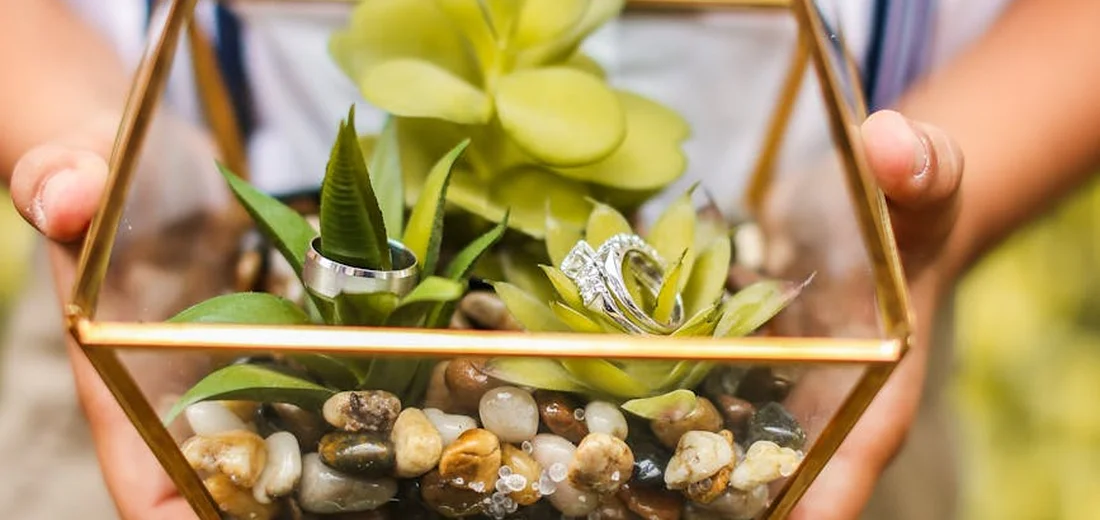
The Role of Sunlight in Succulent Color
I’ve watched my own echeverias blush from green to pink simply by adjusting their sun exposure. Sunlight acts like a natural paintbrush for succulents, triggering pigments that make them glow. When your plants get plenty of direct light, they produce more anthocyanins and carotenoids-the compounds behind those stunning reds, purples, and oranges.
Start by placing your succulents where they’ll receive at least 4-6 hours of morning sun, which is gentler than harsh afternoon rays. Gradually introduce them to brighter spots over a week to prevent sunburn, which shows up as bleached or brown patches. If you’re growing indoors, a south-facing window is your best friend, but rotate the pots every few days so all sides get even color.
- Morning sun is ideal for vibrant hues without the risk of scorching.
- Use a sheer curtain to filter intense midday light if leaves start looking pale.
- In low-light areas, consider a grow light placed 6-12 inches above the plants for 12-14 hours daily.
Using Temperature to Boost Color
Cooler temperatures can turn your succulent collection into a rainbow display, much like autumn leaves changing color. I’ve seen my sedums and graptopetalums deepen to ruby red when nights dip into the 50s°F. This chill signals the plant to conserve energy and amplify pigments, especially in varieties like ‘Moonstones’ or ‘Aurora’.
If you live in a mild climate, try moving potted succulents outdoors during fall or spring. Just bring them inside if frost is forecasted, since most colorful succulents aren’t frost-tolerant. For indoor growers, placing plants near a slightly open window on cool evenings can mimic this effect—but avoid drafts that might shock them. Timing matters for optimal growth: move succulents outside only after the risk of frost has passed and daytime temperatures are reliably warm. Ease them outdoors gradually to acclimate.
- Expose plants to temperatures between 50-60°F at night for 2-3 weeks to enhance colors.
- Monitor for stress signs like wilting; some color change is good, but drastic shifts mean adjust care.
- Combine cool temps with bright light for the most dramatic transformations.
Caring for Your Colorful Succulent Collection
The Perfect Potting Mix for Vibrant Succulents
After killing a few succulents with soggy soil early on, I learned that the right mix is non-negotiable for color and health. Your potting blend should drain water almost instantly, like sand through a sieve, to keep roots oxygenated and prevent rot. When roots are happy, they support lush, vivid leaves instead of dull, stressed ones.
I mix my own using 2 parts potting soil, 1 part perlite, and 1 part coarse sand for that gritty texture succulents adore. You can also buy a pre-made cactus and succulent mix, but check it’s not too peat-heavy-it holds moisture longer and dulls colors. Repot every 1-2 years to refresh the soil and give roots room to spread, which encourages brighter growth.
- Test drainage by watering and ensuring no puddles remain after 5 minutes.
- Add a layer of small gravel or pumice at the pot’s bottom for extra aeration.
- Avoid garden soil; it compacts and invites pests that weaken color intensity.
Understanding Seasonal Color Changes
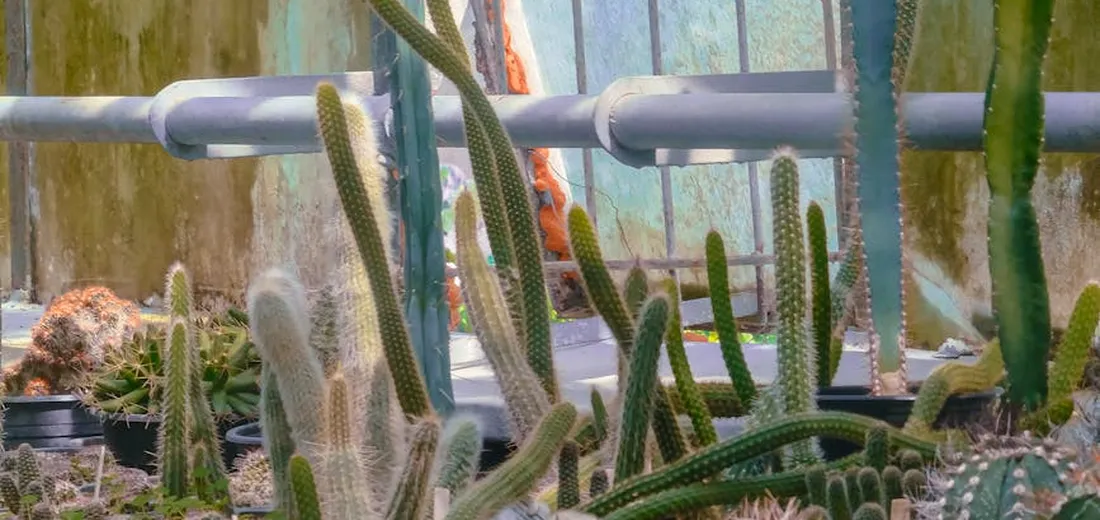
I used to panic when my vibrant pink Echeveria started looking a little green and washed out. Seasonal color shifts are a completely normal part of a succulent’s life cycle and are often a sign of a healthy, responsive plant. Think of it like a tree changing its leaves in autumn, but on a smaller, more subtle scale.
Your succulent’s colors are influenced by several environmental factors. Light is the biggest driver. Those intense pinks, purples, and reds often come from pigments called anthocyanins, which the plant produces as a natural sunscreen. Brighter light typically equals more brilliant color. Color shifts to yellow, brown, red, or purple can occur when the plant experiences stress or pigment changes, helping explain why succulents change color.
Temperature plays a huge role, too. Many succulents put on their most spectacular shows in the cooler months. A slight chill can trigger a flush of gorgeous color, much like a crisp autumn day turns maple leaves red.
Even your watering habits can affect color. A plant that is slightly stressed from a longer period between waterings will often show more intense hues than one that is constantly moist. This isn’t about hurting your plant, but about understanding its natural rhythms.
If your colorful succulent has faded, don’t worry. Assess its light exposure first. A grow light for a few extra hours a day can work wonders during gloomy winters. Quick Tip: Rotate your pots a quarter-turn each week to ensure all sides get even sun for uniform color.
How to Propagate Your Colorful Succulents

One of my greatest joys is making more plants from my favorites. Propagating colorful succulents is surprisingly simple and incredibly rewarding. I’ve filled entire windowsills with babies from a single “mother” plant.
You have a few reliable methods to choose from. Leaf propagation is the most common way for varieties like Echeveria and Graptopetalum.
- Gently twist a healthy, plump leaf from the stem. Get the whole base.
- Let the broken end callus over for 2-3 days in a shady spot.
- Place the callused leaves on top of dry succulent soil.
- Wait for tiny pink roots and a rosette to appear before you even think about watering.
- Once the mother leaf shrivels, you have a new, independent plant.
For succulents that grow in clusters, like Sempervivum or some Aloes, division is the fastest path to a new plant.
- Remove the entire plant from its pot.
- Gently tease apart a smaller “pup” or offset from the main root ball.
- Use clean scissors to snip any connecting roots if they won’t separate easily.
- Let any cut roots callus for a day, then pot the pup in its own container with fresh soil.
Stem cuttings are perfect for leggy or overgrown plants, like many Sedums.
- Use a sterile knife or shears to take a cutting a few inches long.
- Remove the lower leaves to expose a bit of stem.
- Let the cutting callus over for several days.
- Stick the callused stem into soil and wait a week before watering.
The single most important rule for succulent propagation is patience. It can take weeks or even months to see significant progress. Quick Tip: The best time to propagate is during your succulent’s active growing season, typically spring and early summer. This gives the new plants the best chance to establish strong roots before any dormant periods. For a full breakdown of the timing, see our complete timeline guide. It breaks down week-by-week milestones from root initiation to healthy transplant-ready plants.
A Note on Pet Safety with Colorful Succulents
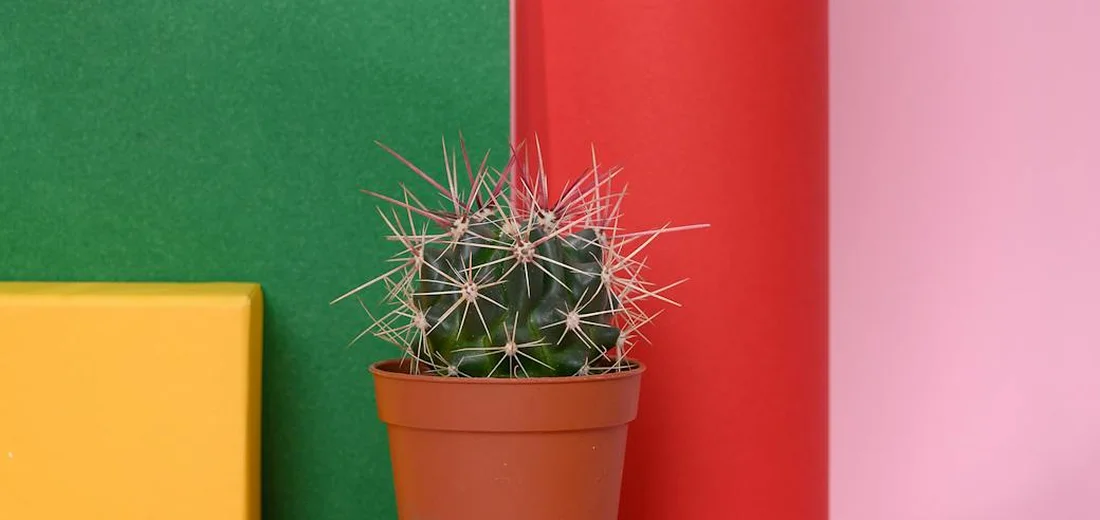
Before we dive deeper into the rainbow of options, let’s talk about our furry family members. Many of the most stunning, colorful succulents can be toxic to cats and dogs, so it’s a conversation we absolutely must have. I learned this the hard way years ago when my curious kitten decided my new jade plant was a chew toy. If your animals are munching on succulents, the question is how to stop them safely. We’ll go over humane deterrents and safer plant options.
Thankfully, he was fine after a quick vet call, but it was a scary lesson. The vibrant pigments that make these plants so beautiful can sometimes come with chemical compounds that upset our pets’ stomachs. The good news is that with a little planning, you can absolutely enjoy both your pets and your plant collection safely.
Common Colorful (But Risky) Varieties
I always double-check the ASPCA’s toxic plant list before bringing any new plant home. Here are a few popular colorful succulents to be mindful of:
- Jade Plant (Crassula ovata): Its plump, green and sometimes red-tipped leaves can cause vomiting and depression in pets.
- Aloe Vera: While great for human skin, the latex inside the leaves is a strong laxative for cats and dogs.
- Euphorbias (like the “Sticks on Fire” plant): These often have brilliant red or orange colors, but their milky sap is a serious skin and stomach irritant.
- Kalanchoe: Known for its clusters of colorful flowers, this one can cause heart rhythm problems in pets if ingested.
My Go-To Pet-Safe Strategies
You don’t have to give up your dream of a colorful succulent shelf! Creating physical barriers is the most effective strategy I’ve found for keeping pets and plants separate and happy. Here’s what works in my home:
- Elevate Your Plants: Use high shelves, tall plant stands, or even a dedicated room your pet can’t access. Cats are excellent jumpers, so make sure the spot is truly out of reach.
- Employ a Little Deterrence: A light spritz of a pet-safe bitter spray on the pot’s rim or a surrounding surface can discourage curious nibblers.
- Offer a Distraction: Grow a pot of cat grass or catnip nearby. Giving them their own “approved” plant to munch on often keeps them away from your prized succulents.
A Quick Guide to Toxicity
| Plant Name | Toxicity Level | Common Symptoms |
|---|---|---|
| Jade Plant | Mild to Moderate | Vomiting, Lethargy |
| Aloe Vera | Mild to Moderate | Vomiting, Diarrhea, Lethargy |
| Euphorbia species | Moderate to Severe | Skin Irritation, Mouth Burns, Vomiting |
| Echeveria species | Generally Non-Toxic | Mild stomach upset possible with large ingestion |
| Haworthia species | Non-Toxic | Generally safe |
Quick Tip: When in doubt, always display a potentially risky plant up high and out of reach-it’s the simplest way to prevent an emergency. A little precaution lets you enjoy the full spectrum of succulent colors with complete peace of mind.
Common Questions
Which colorful succulent varieties are best for beginners?
Echeveria ‘Lola’ and Graptopetalum paraguayense (Ghost Plant) are excellent beginner choices for their resilience and vibrant colors.
How can you encourage color in succulent varieties through light and temperature?
Provide at least 4-6 hours of direct sunlight and expose plants to cooler nighttime temperatures to intensify their hues.
What are common color changes in seasonal colorful succulent varieties?
Many succulents display more vibrant colors in cooler months and may fade to green during periods of lower light.
What are the best potting mixes for colorful succulent varieties?
A well-draining mix, such as a combination of potting soil, perlite, and coarse sand, is essential for vibrant, healthy succulents. Using perlite succulent soil mixes can enhance drainage and aeration, helping prevent root rot and overwatering.
How do you propagate colorful succulent varieties?
You can propagate them through leaf cuttings, stem cuttings, or division, allowing cut ends to callus before planting.
Are there any toxicity considerations with colorful succulent varieties?
Some popular varieties like Jade Plants and Kalanchoe are toxic to pets, so always research a plant’s safety before bringing it home. There are pet-safe succulent varieties and non-toxic options that are better for homes with animals. Choosing these helps protect curious pets while still enjoying green decor.
Your Colorful Succulent Adventure Awaits
I’ve learned that keeping succulents brightly hued relies on matching their light, water, and soil needs to your home environment. Do succulents need to thrive? They do, when you provide the right light, water, and well-draining soil for your space. Stick to these core practices for lasting vibrance:
- Position them where they get plenty of indirect sunlight to intensify colors.
- Water deeply but infrequently, only when the soil is bone-dry.
- Pick varieties suited to your space for easier, more rewarding growth.
I’m always sharing more hands-on advice and plant stories on our website to help you succeed. Your succulent journey is unique, and with a little attention, those pinks, blues, and purples will flourish beautifully in your care.
Further Reading & Sources
- 37 Different Types Purple Succulents With Names & Pictures
- Purple Succulents and Purple-ish Succulents for Sale
- If You Have A Succulent Garden, You Don’t Want To Miss These Blue Succulents | Succulent City
- r/succulents on Reddit: My favorite pink/purple succulents
Lena Greenfield is a passionate horticulturist and plant care expert with over 10 years of experience cultivating and nurturing hardy house plants. With a deep understanding of both indoor and outdoor gardening, Lena shares practical advice on choosing, caring for, and maintaining resilient plants that flourish year-round. Through her knowledge and hands-on approach, Lena helps plant lovers transform their spaces into vibrant, green sanctuaries, no matter their gardening experience.
Types of Succulents