
How to Plant and Grow Succulent Seeds From Scratch
Published on: February 9, 2026 | Last Updated: February 9, 2026
Written By: Lena Greenfield
Growing succulents from seeds can feel like a big mystery, especially when you’re used to propagating from leaves or cuttings. I remember my first batch of tiny seeds-I was so worried they’d never sprout or that I’d overwater them before they even had a chance.
You’ll learn what supplies you absolutely need, how to prepare the perfect soil mix, the right way to water your tiny seeds, and how to troubleshoot common problems.
Essential Supplies for Starting Succulent Seeds
-
You will need a few basic items to begin your succulent seed journey: succulent seeds, seed trays or small pots, cactus soil, perlite, pumice, sand, and a spray bottle for gentle misting. Having all your supplies ready before you start makes the process smooth and enjoyable.
-
Store your seeds in a cool, dry spot to keep them viable; I keep mine in a labeled envelope inside a sealed container in a pantry. Proper storage prevents seeds from losing their ability to sprout, so they are ready when you are.
-
From my experience, placing a clear plastic cover or dome over your seed trays traps moisture and creates a mini-greenhouse effect. This simple trick mimics their natural habitat and encourages faster germination.
Choosing Quality Succulent Seeds
-
Look for seeds from reputable sellers online or at local nurseries, checking for reviews and freshness dates to ensure viability. If you’re buying succulent seeds online, choose trusted stores with clear sourcing and customer feedback. For extra confidence, stick to well-known seed purveyors that specialize in succulents. I always opt for suppliers with detailed growing instructions and high germination rates for better success.
-
Many succulent seeds have a dormancy period, meaning they need specific conditions to wake up and sprout. Understanding dormancy helps you avoid frustration if seeds take longer to germinate than expected. These dormancy periods are often tied to seasonal growth cycles, so sowing at the right season can boost germination. Understanding seasonal growth cycles helps you plan care and anticipate when seedlings will appear.
Containers and Tools for Seed Starting
-
Use shallow containers like seedling trays, small pots, or even repurposed yogurt cups with drainage holes to prevent water buildup. Shallow depths allow delicate roots to establish without getting waterlogged.
-
Essential tools include tweezers for precise seed placement, labels to track varieties, and a reliable light source like a sunny windowsill or grow light. I rely on tweezers to handle tiny seeds without damaging them, making planting much easier.
Preparing the Perfect Soil Mix for Germination
-
A well-draining mix is crucial to prevent root rot; combine cactus soil with perlite and coarse sand for ideal aeration. Good drainage means your seeds won’t sit in soggy soil, which can spell disaster for germination.
-
Here’s my go-to homemade mix recipe: mix 2 parts cactus soil, 1 part perlite, and 1 part coarse sand in a bowl until evenly blended. This blend provides the light, airy texture succulent seeds love for healthy root development. Using sand correctly is crucial in succulent soil mixes.
-
I always sterilize my soil before use by baking it in the oven at 200°F for 30 minutes to kill any mold or pathogens. Sterilizing might seem extra, but it saves you from dealing with pesky fungal issues later on. For succulents, safe sterilization methods help protect roots while maintaining drainage. If you prefer alternatives, microwaving damp soil in short bursts or using pre-sterilized cactus/succulent mixes are good options.
Ingredients for Optimal Drainage
-
Perlite adds air pockets, pumice improves water flow, and coarse sand keeps the mix loose to avoid waterlogging. Each ingredient works together like a team to create a habitat where roots can breathe and thrive. For succulents, a perlite-based succulent soil mix helps ensure fast drainage and plenty of air. This helps prevent soggy roots and promotes healthier growth.
-
Store-bought mixes are convenient but often pricier; DIY blends let you customize ratios and are more budget-friendly. I prefer making my own mix because I can adjust it based on the specific succulent types I’m growing. If you’re curious, try one of the DIY recipes for making your own succulent potting mix to tailor drainage and moisture for your collection.
Mixing and Moistening the Soil
-
Combine your soil ingredients in a large container, mixing gently with your hands or a trowel to avoid clumps. Lightly moisten the mix with water from your spray bottle until it feels like a damp sponge-not soaking wet.
-
Avoid pressing down on the soil when filling containers; loose soil gives roots room to spread and grow strong. Keeping the mix fluffy ensures your seeds have the best start without struggling through compacted earth.
Step-by-Step Guide to Planting Succulent Seeds
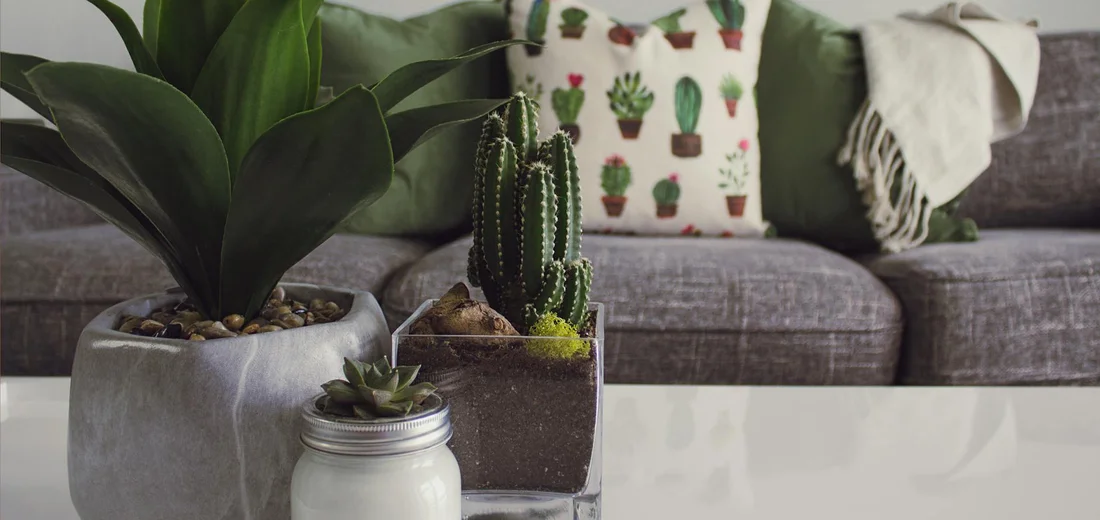
I’ve started hundreds of succulent seeds over the years, and this method consistently gives me the best sprout rates. Taking your time with each step makes a huge difference in how many seeds actually grow into healthy plants. Follow along carefully for great results. This approach also translates to propagating rare succulents successfully. For rare varieties, careful handling and the right conditions make all the difference.
- Fill your containers with the prepared soil mix, leaving about a quarter-inch space at the top. I always use small pots or seed trays with drainage holes to avoid soggy soil.
- Gently scatter seeds on the surface without burying them deeply. Succulent seeds are super fine, so I sprinkle them like salt and just tap them lightly into the mix.
- Lightly mist the seeds with water to settle them into the soil. A fine spray bottle works best so you don’t wash the seeds away.
- Cover with a clear lid or plastic wrap to retain humidity. This mimics a greenhouse and keeps moisture steady.
- Place in a warm, bright location away from direct sunlight. I use a north-facing windowsill or under grow lights to prevent drying out too fast.
Seed Placement and Initial Watering
Seed spacing and that first drink are key to avoiding mold and encouraging strong roots. Overcrowding is a common mistake I see-give those seeds room to breathe and grow. Here’s how I handle it every time.
- Space seeds about half an inch apart to prevent overcrowding and ensure good air circulation. I use a toothpick to nudge them into place if they clump.
- Use a fine mist setting on your spray bottle to prevent displacing tiny seeds. I mist until the soil surface is moist but not soaked.
Creating a Mini Greenhouse Effect
Covering your seeds traps warmth and moisture, which speeds up germination. I’ve found that consistent humidity can cut sprouting time by several days compared to open air. Just keep an eye on condensation levels.
- Covers help maintain consistent moisture and warmth, ideal for germination. I reuse clear plastic containers or cling film for this.
- Vent covers daily for about 10 minutes to prevent excess humidity and mold. If I see water droplets pooling, I crack the lid open a bit more.
Germination Conditions: Light, Temperature, and Humidity
Getting the environment right is where many gardeners struggle, but it’s simpler than it seems. In my experience, keeping temperatures steady between 70-75°F encourages the fastest and most even germination. Let’s break down what works best.
- Ideal temperature ranges for succulent seed germination are 70-75°F. I use a heat mat in cooler months to maintain this range.
- Light exposure needs are indirect sunlight or artificial grow lights. Direct sun can scorch delicate seeds, so I avoid it until sprouts appear.
- Humidity levels affect sprouting times-I’ve noticed higher humidity (around 70-80%) speeds things up, but it requires more vigilance against mold.
Managing Light for Seedlings
Light is crucial once those first leaves poke through, but too much too soon can harm them. Providing 12-14 hours of light daily prevents seedlings from stretching out weakly, a problem called etiolation. I rotate my trays every few days for even growth.
- Natural light from a bright window works well, but artificial grow lights offer consistent intensity without weather changes. I use LED strips for their low heat and energy efficiency.
- Suggest daily light duration of 12-14 hours to prevent etiolation. I set a timer to mimic a natural day cycle for the best results.
Monitoring Temperature and Humidity
Tracking your setup’s conditions helps you adjust before issues arise. Using a simple thermometer and hygrometer takes the guesswork out of maintaining perfect germination settings. I check mine each morning and evening.
- Tools like thermometers and hygrometers give accurate readings for temperature and humidity. I place them right next to the seed trays for real-time data.
- Adjust conditions based on seasonal changes-in winter, I add a heat mat, and in summer, I might vent the cover more often to reduce humidity.
Caring for Succulent Seedlings After Sprouting
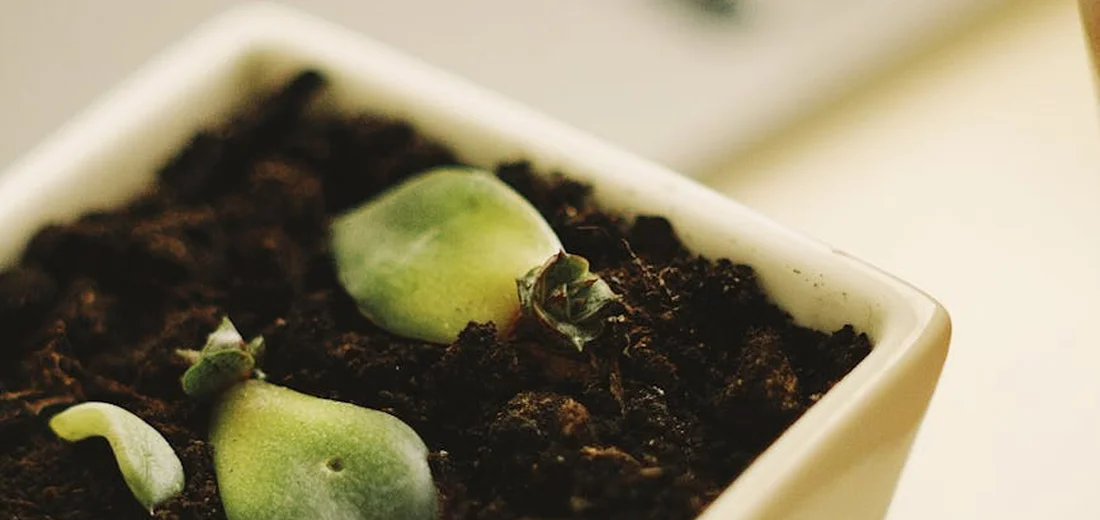
- Switch from misting to light bottom watering once you see tiny roots forming. I gently place the seedling tray in a shallow water dish for 10 minutes, letting the soil drink up moisture from below. This technique prevents overwatering and encourages stronger root systems, which I’ve seen lead to healthier plants in my own collection.
- Fertilize every 4-6 weeks with a diluted succulent fertilizer, mixed to half strength. I use a balanced liquid fertilizer and apply it during watering sessions. Light feeding gives seedlings the nutrients they need without risking fertilizer burn, a mistake I made early on that stunted growth.
- Recognize healthy growth by vibrant color and firm, plump leaves, while stress shows as wilting or discoloration. In my experience, slow growth is normal, but sudden changes often mean adjust care. Watch for new leaf pairs-this is a sure sign your seedlings are thriving and ready for their next stage.
Watering and Feeding Schedules
- Stick to a weekly routine of checking soil dryness before watering-only water if the top inch feels dry. I use a finger test and err on the side of underwatering. Minimal watering avoids root rot, which I learned the hard way can wipe out delicate seedlings fast.
- Fertilization supports robust development by providing essential micronutrients. Apply diluted fertilizer in the growing season to boost leaf and root health. A light feeding schedule mimics natural nutrient uptake and prevents overwhelming young plants.
Preventing Common Issues
- Spot early signs of mold as white fuzz on soil, damping-off as collapsed stems, or pests like aphids on leaves. I address mold by sprinkling cinnamon on the soil-a natural antifungal I swear by. Catching issues early lets you intervene before they spread, saving your seedlings from common pitfalls.
- Increase air flow with a small fan nearby and reduce moisture by watering less frequently. I keep seedlings in a well-ventilated area to discourage fungal growth. Good circulation and dry soil surfaces are simple habits that keep seedlings strong and disease-free.
Transplanting and Long-Term Succulent Care
- Transplant seedlings after they develop true leaves, usually 2-3 months old. I wait until they’re sturdy enough to handle without breaking. Moving them too early can shock the plants, so patience here pays off with better survival rates.
- Move to individual pots filled with a fresh, well-draining soil mix of cactus soil and perlite. I gently firm the soil around each seedling to support upright growth. Using a proper mix ensures roots get the air they need, which I’ve found prevents rot in mature plants.
- Acclimate plants gradually to brighter light over a week and reduce watering frequency as they mature. I start with indirect light and slowly introduce more sun. This step-by-step approach helps succulents adapt without sunburn, a lesson from my own trial and error.
Transplanting Steps for Healthy Growth
- Gently loosen the soil around seedlings with a small tool and lift them, holding the leaves to avoid root damage. I use a spoon for precision and keep roots intact. Handling seedlings carefully minimizes stress and encourages quick recovery in their new home.
- Plant in new containers with a well-draining mix, then water lightly to settle the soil. I avoid heavy watering for the first few days. A light initial drink helps roots establish without drowning them, which I’ve seen boost growth success.
- Monitor for shock signs like drooping and adjust care by providing indirect light and minimal disturbance. I check daily and resist the urge to overwater. Keeping an eye out lets you tweak conditions early, ensuring your plants bounce back strong.
Ongoing Maintenance and Propagation
- Care for mature plants by pruning dead leaves and removing offsets to encourage new growth. I use clean scissors and propagate the cuttings. Regular maintenance keeps plants tidy and healthy, extending their lifespan in your home garden.
- Try other propagation methods like leaf cuttings for faster results than seeds. I often snip a healthy leaf, let it callous, and place it on soil to root. Leaf cuttings are a fun alternative I use to expand my succulent variety with minimal effort.
Common Questions
Where can I buy succulent plant seeds?
You can purchase them from reputable online retailers, specialized garden centers, or dedicated succulent nurseries. In our complete shopping guide on where to buy succulent plants, we’ll cover how to evaluate sources, compare prices, and choose healthy specimens.
Are succulent seeds sold on Amazon reliable?
While available, it’s crucial to check seller reviews and ratings to ensure seed quality and viability.
How do I find succulent seeds near me?
Check with local plant nurseries or garden stores, as they often carry or can order seeds for you.
Can I buy succulent seeds online in the UK?
Yes, many UK-based online garden shops and specialist succulent sellers offer a wide variety of seeds.
Is there a place to buy succulent seeds online in India?
Absolutely, several Indian e-commerce platforms and specialized horticultural websites sell succulent seeds.
Are succulent seeds available for wholesale purchase?
Yes, many suppliers offer wholesale options for bulk buying, often directly from their commercial websites.
Your Succulent Seed Starting Success
From my years of nurturing houseplants, I’ve seen that growing succulents from seeds boils down to creating a dry, bright environment and practicing patience. Knowing what succulents need to thrive is crucial for successful propagation. Keep this quick checklist handy:
- Use a fast-draining cactus or succulent soil mix.
- Place seeds in bright, indirect light away from harsh sun.
- Water lightly only when the soil feels completely dry.
- Wait calmly for germination, which can take weeks but is rewarding.
You’ve got all the tools to start your succulent journey, and I’m cheering you on every step of the way. Consider taking it outdoors with our outdoor succulent care guide for growing succulents in your garden, featuring simple tips on sun, soil, and drainage. For more personalized tips and plant care insights, remember that Hardy House Plants at www.hardyhouseplants.com is your go-to resource for growing confidence along with your greens.
Further Reading & Sources
- Succulent Seeds – Grow Rare & Exotic Succulents from Seed – Plantflix
- How to Grow a Succulent from Seeds | Succulents and Sunshine
- SHOP – UnusualSeeds
- How to Grow Succulents From Seed | The Greedy Vegan
Lena Greenfield is a passionate horticulturist and plant care expert with over 10 years of experience cultivating and nurturing hardy house plants. With a deep understanding of both indoor and outdoor gardening, Lena shares practical advice on choosing, caring for, and maintaining resilient plants that flourish year-round. Through her knowledge and hands-on approach, Lena helps plant lovers transform their spaces into vibrant, green sanctuaries, no matter their gardening experience.
Propagation Methods