
How to Care for Your Mountain Rose Succulent (Aeonium Tabuliforme)
Published on: March 1, 2026 | Last Updated: March 1, 2026
Written By: Lena Greenfield
If you’re wondering how to keep your Mountain Rose Succulent alive and thriving, you’re not alone-many plant lovers worry about overwatering or finding the perfect spot for it, but I’ve grown these stunning rosettes for years and can assure you they’re more forgiving than they look.
In this guide, I’ll walk you through ideal lighting, proper watering techniques, soil mix recommendations, temperature preferences, propagation steps, and troubleshooting common issues to make your plant care journey smooth and enjoyable.
Getting to Know Your Mountain Rose
When you first bring home a Mountain Rose, you might be struck by its unique, almost architectural form. I’ve always been fascinated by how this succulent grows in a stunningly flat, geometric rosette that looks like a living, green dinner plate. Its leaves overlap perfectly, creating a mesmerizing spiral pattern that’s incredibly satisfying to look at.
Unlike many other succulents that grow tall, the Aeonium tabuliforme stays remarkably low to the ground. In my experience, a mature plant typically stays under 2 inches tall but can spread over a foot wide, making it a fantastic “living doily” for a sunny tabletop. This ground-hugging nature is its survival strategy in its native rocky habitats.
What Makes It Special
- The “Tabletop” Shape: Its perfectly flat growth is a natural adaptation to capture maximum sunlight while staying protected from harsh winds.
- Seasonal Changes: The leaves are a vibrant, light green but can develop beautiful red edges when happily stressed by bright light.
- Flowering Cycle: This is a monocarpic plant, meaning the main rosette will flower once, produce seeds, and then die. Don’t panic when this happens-it usually takes several years, and by then it has often produced offsets (pups) around its base to carry on its legacy.
Quick tip: Gently brush the leaves with your finger to feel the fine, tiny hairs. This texture helps the plant trap moisture from the air!
Setting Up the Perfect Home: Light and Location
Finding the right spot for your Mountain Rose is the single most important thing you can do for its long-term health. Based on my own trial and error, these succulents crave bright, indirect light for the majority of the day. Think of a spot that gets lots of ambient sunshine without the intense, scorching rays of a midday sun.
A south or east-facing windowsill is often ideal. If you only have a west-facing window, you might need to diffuse the strong afternoon sun with a sheer curtain to prevent the delicate leaves from getting a sunburn. Yes, succulents can get sunburned, and it shows up as bleached, brown, or crispy patches.
Signs Your Plant is Getting the Right Light
- Happy Plant: Vibrant green color with a tight, compact rosette. You might see those lovely red margins on the leaves.
- Not Enough Light (Etiolation): The stem starts to awkwardly stretch, and the rosette becomes less flat and more “leggy” as it desperately reaches for a light source.
- Too Much Light: Leaves turn pale, yellow, or develop those dry, scorched spots I mentioned.
Quick tip: Give your Mountain Rose a quarter-turn every week. This ensures all sides get even light and prevents it from leaning awkwardly toward the window.
What About Outdoor Living?
If you want to give your plant a summer vacation outdoors, you must acclimate it slowly. I always start by placing mine in full shade for a week, then gradually move it to a spot with dappled morning sun. A patio table under another larger plant is perfect. Never move it directly from indoors to a full-sun spot outdoors-it will be a shocking and damaging transition.
Watering Your Aeonium Tabuliforme the Right Way
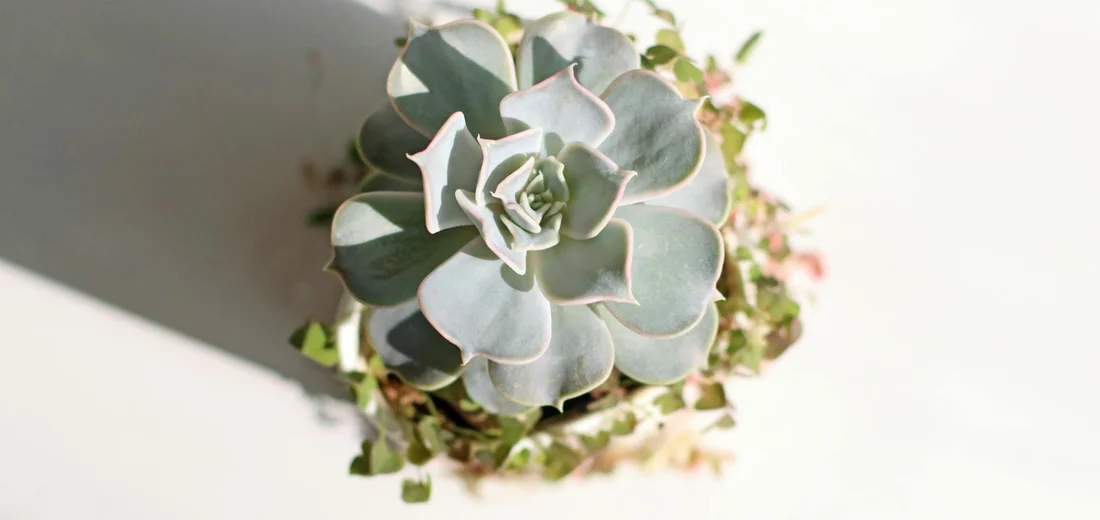
Getting the watering right is the single most important skill for keeping your Mountain Rose happy. I’ve learned through trial and error that this plant despises wet feet more than almost any other succulent in my collection. Its flat, plate-like shape is designed to catch every drop of rain in its native habitat, but it also dries out incredibly fast with good airflow.
My golden rule is the “soak and dry” method. Here’s how I do it:
- Wait until the soil is completely dry. I stick my finger about two inches into the pot-if I feel no moisture, it’s time.
- Take the plant to the sink and give it a thorough, deep watering. I continue pouring until water runs freely out of the drainage hole.
- I let all the excess water drain away completely before placing it back in its sunny spot. No sitting in saucers of water!
Your watering schedule will change with the seasons. During its active growing season in the cooler months (fall and spring), I find myself watering mine every 10-14 days. In the hot, humid summer, it goes semi-dormant and needs much less water-sometimes I only water it once a month, if that. Watering schedules can vary significantly between seasons, especially for succulents.
A quick tip: The pot will feel surprisingly light when the soil is bone dry. Get familiar with that weight-it’s a better indicator than any calendar.
The Best Soil and Pot for Healthy Roots
Choosing the right home for your Aeonium is non-negotiable for its long-term health. I cannot overstate the importance of a gritty, fast-draining soil mix to prevent the root rot that this plant is so prone to. A standard bag of potting soil will hold far too much moisture and lead to a quick demise.
My go-to homemade succulent mix recipe is simple and effective:
- 2 parts regular potting soil
- 1 part coarse perlite or pumice
- 1 part horticultural sand or fine gravel
This combination ensures water flows through quickly while still providing some nutrients and anchorage for the roots. You want a mix that feels gritty and falls apart easily when you squeeze it.
Pot selection is just as critical. I always, always choose a pot with a drainage hole. Terra cotta pots are my personal favorite because the porous clay allows the soil to dry out from the sides, which is a huge help in preventing overwatering. Plastic or glazed ceramic pots retain moisture much longer, so you must be extra careful with your watering if you use one.
When it comes to size, pick a pot that is just slightly larger than the root ball. A pot that is too large will hold a big volume of wet soil that the small roots can’t absorb, creating a soggy environment. I typically repot mine only every 2-3 years when it has truly outgrown its space. You should also make sure to choose the right pot size when repotting.
A quick tip: When you repot, gently tease apart the root ball and check for any dark, mushy roots. Snip those off with clean scissors before placing it in its new home with fresh soil. For more detailed steps, learn how to properly repot a plant after root rot.
Seasonal Care and Temperature Needs
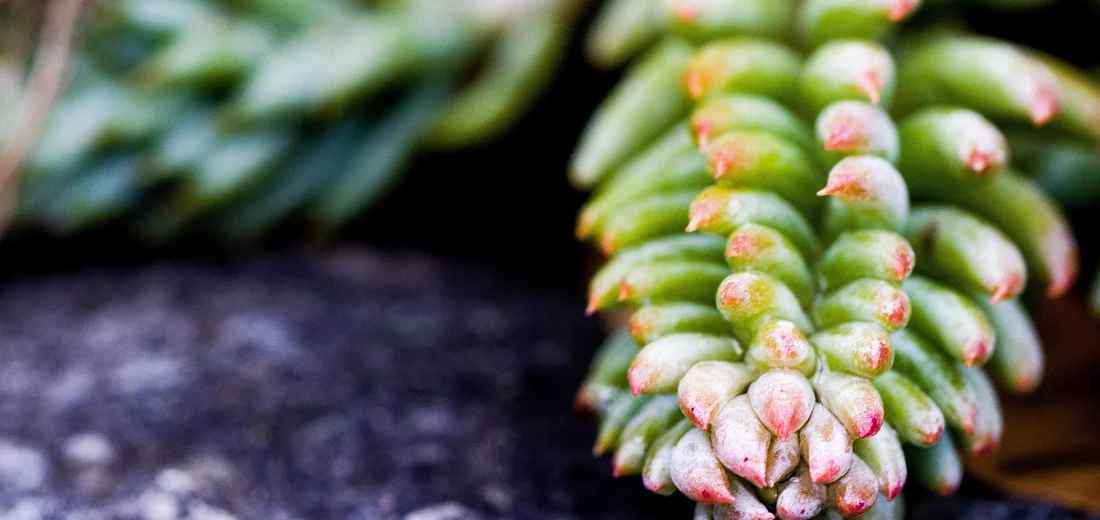
Your Mountain Rose succulent has a unique internal calendar, and learning its rhythm is the secret to a thriving plant. I’ve found that adjusting my care with the seasons, rather than sticking to a rigid year-round schedule, makes all the difference. This plant tells you exactly what it needs, you just have to watch for the signals.
Summer Dormancy: The Resting Phase
When summer heat arrives, your Aeonium tabuliforme starts to slow down. It enters a dormant period to conserve energy. During this dormancy, the plant’s water needs drop significantly, so I always let the soil dry out completely between waterings. You might notice the outer leaves drying up-this is normal, as the plant reabsorbs them.
- Water sparingly, only when the soil is bone-dry an inch down.
- Move it to a spot with bright, indirect light to protect it from intense afternoon sun.
- Hold off on fertilizing completely; the plant isn’t actively growing and won’t use the nutrients.
Winter Growth: The Active Season
As temperatures cool in fall and winter, your Mountain Rose wakes up! This is its prime growing season. I get so excited when I see new, tight rosettes forming in the center of the plant-it’s a sure sign the growth spurt has begun. This is when you should ramp up your care.
- Increase watering frequency, allowing the top layer of soil to dry out before watering again.
- If you’re using grow lights, this is the time to ensure it gets plenty of bright light.
- A single, diluted dose of succulent fertilizer at the start of the season can support this new growth.
Ideal Temperature Range
This succulent enjoys the same mild temperatures that many of us do. Keeping it in an environment between 65°F and 75°F (18°C – 24°C) will make it happiest during its growth period. Many succulents have relatively narrow, optimal temperature ranges, and staying within those ranges helps prevent stress. It can tolerate dips down to 50°F (10°C), but anything colder is risky.
Avoid placing it near drafty windows, heating vents, or air conditioning units, as sudden temperature swings can stress the plant. If you’re comfortable in a t-shirt, your Mountain Rose is probably comfortable, too.
How to Propagate Your Mountain Rose
Creating new plants from your existing Mountain Rose is incredibly rewarding. I love giving these little clones to friends! The best time to propagate is at the end of its dormant period, just as it’s entering its active winter growth phase. This gives the new plantlets the best chance to establish roots quickly.
Method 1: Stem Cuttings
This is my go-to method for propagation. You’ll need a sharp, clean knife or pair of scissors.
- Select a healthy, mature rosette with a bit of stem attached.
- Make a clean cut on the stem, about an inch or two below the rosette head.
- Set the cutting aside in a dry, shady spot for 2-4 days. This callusing step is non-negotiable-it prevents the fresh wound from rotting when planted.
- Once the cut end has dried and formed a seal, place the stem into a pot filled with a fresh, well-draining succulent mix.
- Don’t water it for the first week. After that, water very lightly, just enough to moisten the soil, until you see signs of new growth.
Method 2: Offsets (Pups)
Sometimes, a happy Mountain Rose will produce smaller rosettes, or “pups,” right at its base.
- Gently remove the entire plant, including the root ball, from its pot.
- Carefully tease the soil away from the roots to locate where the pup connects to the mother plant.
- Using your clean fingers or a sterile tool, gently separate the pup, ensuring it has some of its own roots attached.
- Pot the offset in its own container with fresh soil. You can water this one immediately, as it already has roots ready to drink.
Quick Tip: Resist the urge to check for roots constantly! Give your cuttings 3-4 weeks of minimal disturbance to do their thing. A gentle tug that meets resistance is your first sign of success.
Aftercare for Your New Plants
Your baby succulents need a gentle touch. Place them in bright, indirect light and be patient with watering. I keep my propagations on a separate shelf where I’m less tempted to over-care for them—sometimes, neglect is the best policy. This is a quick aftercare guide for newly propagated succulents. Follow these basics to help roots establish and new growth begin. They might look a little sad for a week or two, but once those roots take hold, you’ll see them perk up and start growing.
Solving Common Mountain Rose Problems
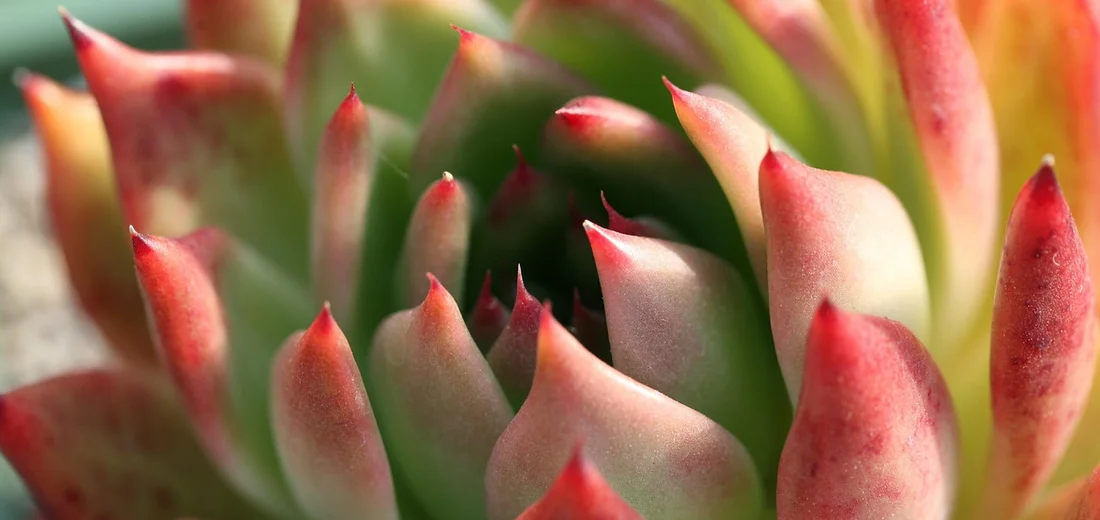
Even the most charming plants can have a bad day. I’ve found the Mountain Rose to be pretty resilient, but it does send clear signals when something’s wrong. Learning to read these signs is the quickest way to get your plant back to perfect health.
Yellowing or Dropping Leaves
When the bottom leaves start to yellow and fall off, don’t panic right away. A little of this is normal as the plant grows. But if it’s happening a lot, it’s usually a watering issue. I’ve learned the hard way that overwatering is the most common killer. The stem will also feel soft and mushy. If the soil feels wet and leaves are dropping, stop watering immediately and let the soil dry out completely.
If the leaves are shriveled and crispy before they fall, your plant is desperately thirsty. The soil has likely become hydrophobic, meaning it repels water. Give it a good, long soak from the bottom to rehydrate the roots thoroughly.
Pest Invaders
Thankfully, pests aren’t a huge problem for this succulent. The main culprits you might see are mealybugs-those little white, cottony spots. I check my plants weekly by looking in the tight spaces between leaves. If you spot them early, you can wipe them off with a cotton swab dipped in rubbing alcohol. A weekly close inspection is your best defense against a full-blown pest infestation.
Stretching and Leggy Growth
If your flat rosette starts to look more like a long-necked goose, it’s telling you it needs more light. This is called etiolation. The stem stretches out, searching for a sunbeam. The fix is simple: gradually move it to a brighter spot. Be careful not to sunburn it by moving it into harsh, direct afternoon sun too quickly. A south or east-facing window is ideal.
Ongoing Care: Fertilizing and Repotting
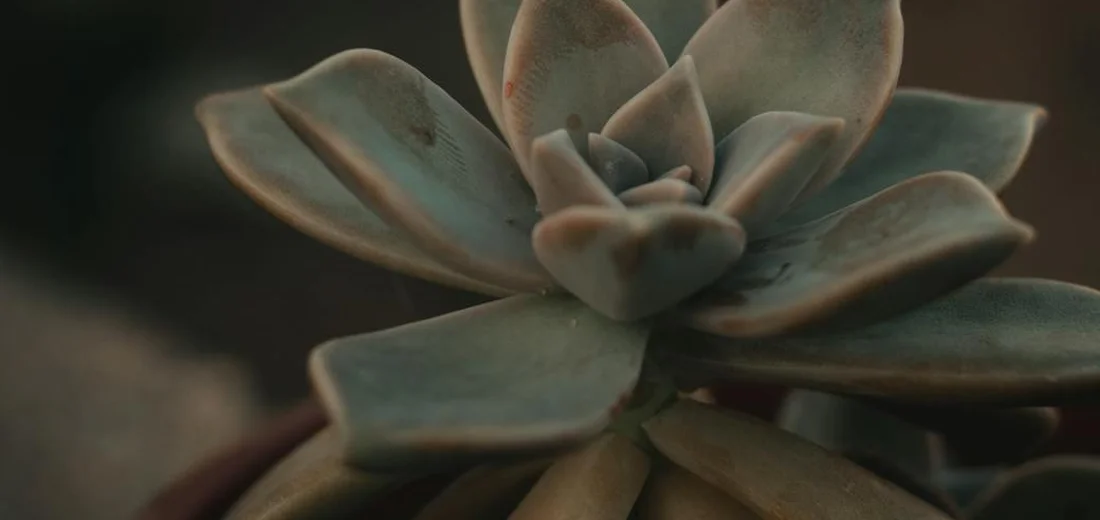
Caring for a Mountain Rose long-term is surprisingly simple. They aren’t greedy plants that demand constant attention. A little food once in a while and a new home every few years is all it takes to keep them thriving for decades.
When and How to Fertilize
I treat my Mountain Rose to a light meal during its active growing season, which is spring and fall. I use a balanced, water-soluble fertilizer specially made for succulents and cacti. The key is to dilute it to half the strength recommended on the bottle. A full-strength dose can burn those delicate roots. Fertilizing at half-strength during the growing seasons gives your plant a gentle boost without the risk of chemical burn.
My routine is simple: I fertilize once at the very beginning of spring and once more in early fall. I don’t feed it at all during the hot summer or the cool winter when its growth naturally slows down.
The Repotting Process
These succulents are slow growers and enjoy being a bit snug in their pots. You only need to repot every 2-3 years, or when you see roots peeking out of the drainage hole.
- Choose a new pot that is only one size larger than the current one. A pot that’s too big holds excess moisture, which can lead to root rot.
- Always use a pot with a drainage hole. This is non-negotiable for a healthy Mountain Rose.
- Fill the new pot with a fresh, well-draining succulent and cactus mix. You can make your own by mixing two parts potting soil with one part perlite or coarse sand.
- Gently remove the plant from its old pot, being careful not to damage the flat rosette. Tease the roots apart slightly if they are tightly wound.
- Place it in the new pot and fill in around the sides with your soil mix.
- Wait about a week before you water it. This gives any disturbed roots time to heal and prevents rot.
FAQs
What is aeonium tabuliforme care?
Aeonium tabuliforme care involves providing bright indirect light, infrequent watering, well-draining soil, and seasonal adjustments to mimic its natural habitat.
What are the best soil and potting mix for aeonium tabuliforme?
Use a gritty, fast-draining mix of two parts potting soil, one part perlite, and one part horticultural sand to prevent root rot.
How much water does aeonium tabuliforme need?
Water thoroughly only when the soil is completely dry, typically every 10-14 days in active growth and less during summer dormancy. This aligns with the general guide on how to water indoor plants. Consider adjusting the schedule based on plant type, pot size, drainage, and indoor conditions.
What light conditions does aeonium tabuliforme require?
It thrives in bright indirect light, such as from a south or east-facing window, to maintain its flat rosette shape without sunburn.
How do you propagate aeonium tabuliforme?
Propagate by taking stem cuttings, allowing them to callus for a few days, and then planting in well-draining soil with minimal initial watering.
What are common problems in aeonium tabuliforme care?
Common issues include root rot from overwatering, mealybug infestations, and leggy growth due to insufficient light.
Your Mountain Rose Succulent Care Checklist
Ultimately, caring for your Mountain Rose is about balancing bright light, deep but infrequent watering, and a gritty, well-draining soil mix. Focus on these three pillars for a happy, flat-rosette plant:
- Provide plenty of bright, indirect sunlight.
- Water thoroughly only when the soil is completely dry.
- Use a fast-draining succulent and cactus mix.
Stick with these simple guidelines, and your unique succulent will be thriving for years to come. For more tips on resilient plants that are easy to love, be sure to follow along with us at Hardy House Plants. Succulents need specific care to thrive.
Further Reading & Sources
- Aeonium tabuliforme | BBC Gardeners World Magazine
- Aeonium tabuliforme (Flat-Topped Aeonium)
- How to care for Aeonium tabuliforme – Surreal Succulents
- Aeonium tabuliforme Plant Care & Growing Basics: Water, Light, Soil, Propagation etc. | PlantIn
Lena Greenfield is a passionate horticulturist and plant care expert with over 10 years of experience cultivating and nurturing hardy house plants. With a deep understanding of both indoor and outdoor gardening, Lena shares practical advice on choosing, caring for, and maintaining resilient plants that flourish year-round. Through her knowledge and hands-on approach, Lena helps plant lovers transform their spaces into vibrant, green sanctuaries, no matter their gardening experience.
Watering Practices