
Watering Schedule Strategies for Diverse Plant Collections
Published on: March 9, 2026 | Last Updated: March 9, 2026
Written By: Lena Greenfield
Do you struggle to keep all your plants happy with one watering routine? You’re not alone, and it’s the quickest way to either drown or parch your precious green friends.
I’ve learned from my own collection that a single schedule never works, and I’ll share the simple methods I use to give every plant exactly what it needs. We’ll cover grouping plants by thirst, mastering the finger test, and adjusting for seasons and light.
Understanding Your Plants’ Thirst Levels
In my years of tending to everything from hardy succulents to delicate ferns, I’ve seen how a one-size-fits-all watering approach can leave some plants drowning and others parched. Each plant has its own unique hydration personality, much like people preferring different drinks throughout the day. Recognizing these differences is the first step toward a happier, healthier plant family.
- Drought-Tolerant plants, such as snake plants and most cacti, are built to survive with very little water. I water my jade plant only when the soil is bone-dry, sometimes waiting three weeks between drinks.
- Moderate drinkers like pothos and philodendron enjoy consistent moisture without being waterlogged. For my spider plant, I check the soil weekly and water if the top inch feels dry to my touch.
- Thirsty plants, including peace lilies and ferns, need more frequent attention to keep their soil evenly moist. My maidenhair fern lets me know it’s time by drooping slightly, a clear signal it’s thirsty.
Sticking to a single schedule for all your green buddies can cause unnecessary stress, leading to issues like root rot or leaf drop. By grouping plants by their water needs, you simplify care and reduce the risk of over or under-watering.
Creating Your Personalized Watering Schedule
-
Inventory your plant collection by listing each one and its specific type. I keep a notebook with all my plants’ names and photos, which helps me track their individual habits over time. This visual reference makes it easier to spot patterns and adjust care as needed.
-
Group plants with similar water needs together, both physically and on your list. In my home, I cluster succulents on a sunny shelf and place moisture-loving plants in a more humid bathroom area. This grouping saves time and ensures each plant gets the right amount of water without guesswork.
-
Choose a tracking method that fits your lifestyle, whether it’s a printable sheet, wall calendar, or a simple app. I started with a basic spreadsheet but now use a free plant care app that sends reminders based on each group’s needs. Find what feels intuitive so you’ll stick with it long-term.
-
Establish a baseline watering frequency for each group, starting with general guidelines and tweaking as you go. For my drought-tolerant group, I begin with watering every two weeks, while moderate plants get a drink weekly and thirsty ones every few days. Use this as a flexible starting point, not a rigid rule. Also, refer to general watering guidelines for indoor plants to better understand their specific needs.
-
Adjust based on plant feedback and seasonal shifts, like reduced light in winter or higher temperatures in summer. Plants communicate through their leaves and soil-if a succulent’s leaves feel soft, I hold off on water, but if a fern wilts, I give it a boost. For succulents, signs they need water include wrinkled leaves and dry soil. I test the soil moisture before watering to confirm. Seasonal changes mean I water less in cooler months and more during growth periods.
Grouping Plants for Smarter Watering
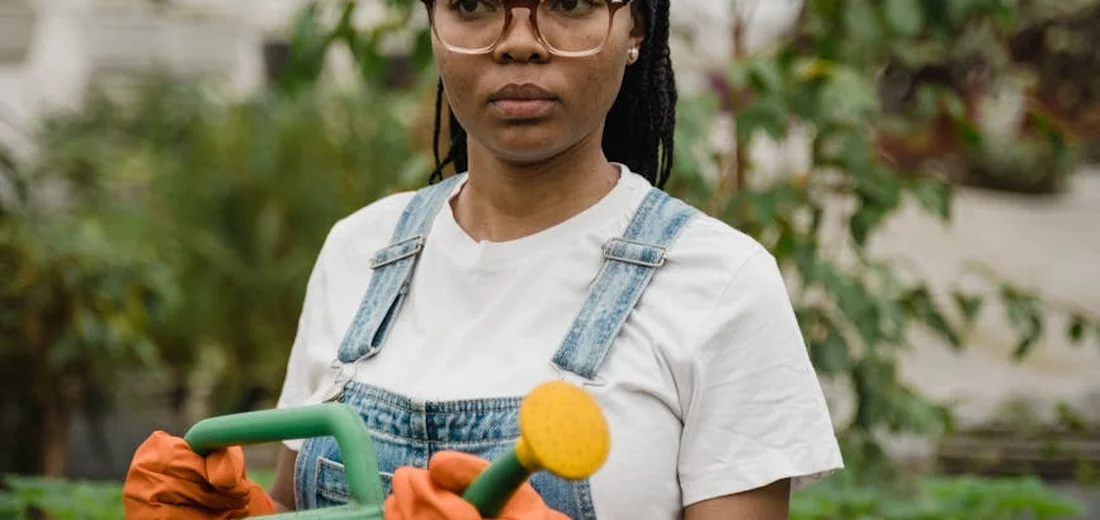
Creating watering zones in my own home was a game-changer. Grouping plants with similar thirst levels together simplifies your routine and prevents over or under-watering. You stop guessing and start responding to your plants’ actual needs.
I arrange my collection into three main zones. My tropicals live in the humid bathroom, my succulents bask on a sunny shelf, and my seasonal bloomers have their own table. This physical grouping means I can water an entire area at once, rather than individual pots.
| Plant Group | Ideal Soil Moisture | Key Signs of Thirst |
|---|---|---|
| Tropical Foliage (e.g., Monsteras, Pothos) | Consistently lightly moist | Drooping stems, slight curling of new leaves |
| Succulents & Cacti | Bone dry between soakings | Lower leaves feel soft or wrinkly, soil pulls from pot edge |
| Seasonal Flowering (e.g., African Violets, Orchids) | Moist during growth/bloom, drier during dormancy | Flower buds droop or drop, top inch of soil is dry |
Your home’s environment directly impacts these zones. A plant in a bright, warm window will need water more often than the same plant in a cool, shady corner. Always feel the soil before watering, even within a group.
Tools and Tricks for Moisture Monitoring
Over the years, I’ve tried every trick to check soil moisture. Relying on a calendar alone is the fastest way to drown or parch your plants. You need to get physical with your plants to truly understand their needs.
Here are the methods I use daily.
- The Finger Test
This is my go-to for most plants. Stick your index finger about two inches into the soil; if it feels dry, it’s time to water. For succulents and cacti, I wait until it’s completely dry all the way to the bottom. This approach aligns with the bottom watering techniques described in our succulents complete guide.
- Using a Moisture Meter
I find these invaluable for large, deep pots where my finger can’t reach. A good moisture meter gives you a clear reading at root level, eliminating all guesswork. Just be sure to clean the probe after each use.
- The Weight-of-the-Pot Method
This method is perfect for lightweight plastic pots. Lift the pot right after you water it to feel its heaviest weight. As the soil dries, it becomes noticeably lighter. After a while, you can tell by a simple lift.
- Observation of Leaf Texture
Your plants’ leaves talk to you. Succulent leaves will feel soft and slightly wrinkly when thirsty, while a Peace Lily’s leaves will dramatically droop. This visual check is a great first alert system, especially for succulents.
My personal rule of thumb is to start with the finger test. For expensive or finicky plants, I double-check with a moisture meter for absolute confidence. The weight method is fantastic for my collection of terracotta pots.
Seasonal Adjustments to Your Irrigation Routine
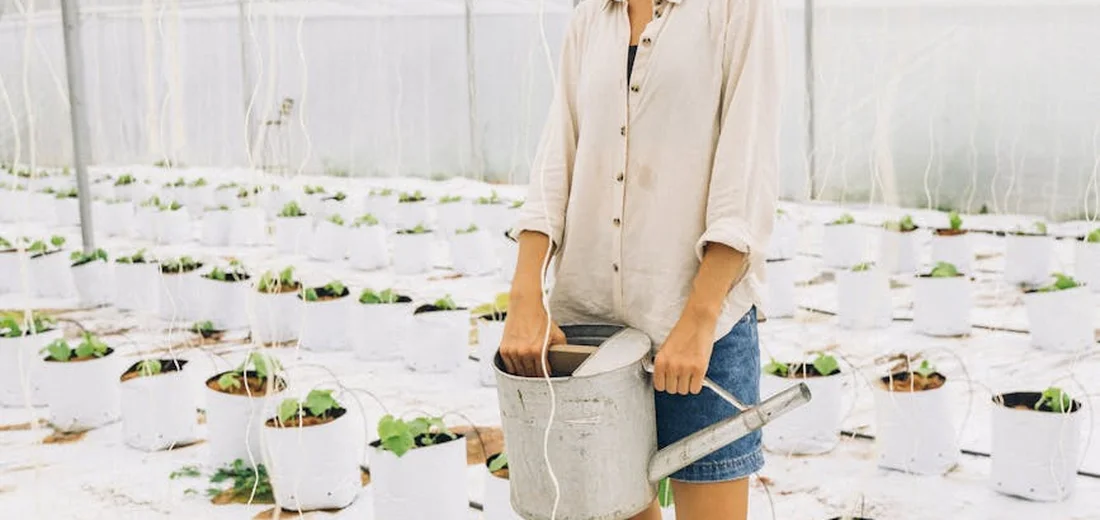
Your plants’ thirst changes with the seasons, just like your own cravings for iced tea in summer or hot cocoa in winter. In my years of tending to everything from leafy monsteras to hardy snake plants, I’ve seen how crucial it is to tweak watering routines as daylight shifts.
During winter, shorter days mean less light for photosynthesis, so many plants slow their growth or go dormant. I always reduce watering frequency by half or more for most houseplants, since soil takes longer to dry out with lower evaporation rates.
Succulents like echeverias or jade plants need even less water in cool months—I might water them only once a month if they’re in a cool spot. In summer they may need a bit more frequent watering as they actively grow. This seasonal shift means you water less in winter and more in summer. Stick your finger an inch into the soil; if it feels damp, hold off on watering to prevent root rot.
Come spring and summer, plants perk up with longer days and warmer temps, guzzling more water to support new growth. I increase watering for houseplants like pothos or ferns to every 1-2 weeks, but always check that the topsoil dries out between sessions. This is especially true for pothos kept indoors, where warm indoor temps and drier air can dry soil faster. Indoors, pothos often need more frequent watering during peak growth, so check soil moisture before each session.
Succulents still prefer to dry out completely, but in active growth phases, I water them every 2-3 weeks. This is a core point in our complete guide on how often you should water succulents. In many setups, you can adjust based on season, climate, and potting mix. Watch for plump, firm leaves as a sign they’re happily hydrated without being overdone.
Signs You’re Watering Too Much or Too Little
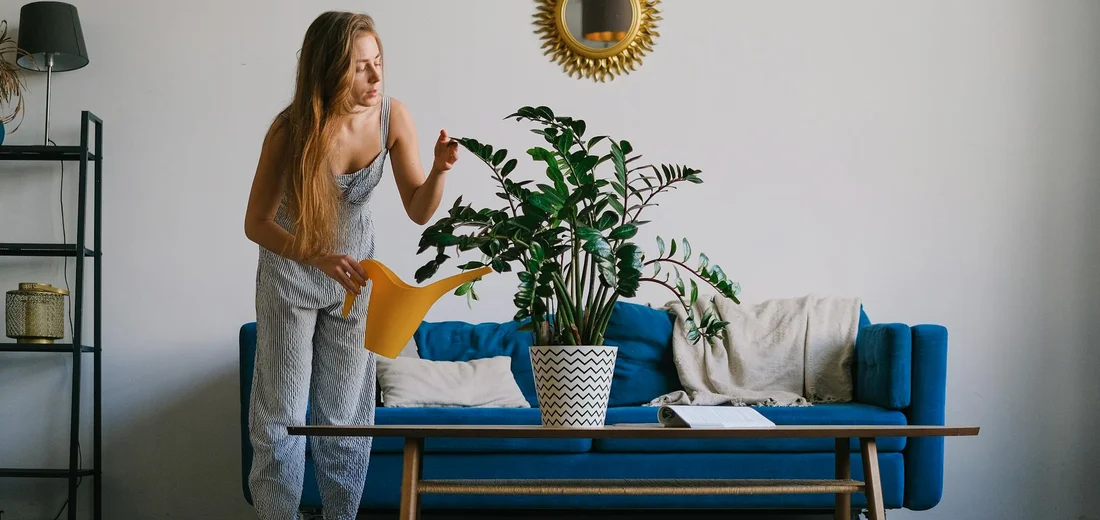
Plants can’t talk, but they show clear signals when their water balance is off. Learning to read these clues has saved many of my plants from early retirement.
Overwatering often looks like too much love, while underwatering is a case of neglect-both can be fixed with attention. Quick tip: If leaves feel soft and limp, think overwatering; if they’re brittle and dry, it’s likely thirst.
Overwatering Symptoms
- For typical houseplants: Yellowing leaves that drop easily, mushy stems near the soil, and a musty smell from the pot.
- For succulents: Leaves turning translucent or black, feeling squishy to the touch, and roots that appear brown and rotten.
Underwatering Symptoms
- For typical houseplants: Crispy, brown leaf edges, drooping stems that don’t recover after watering, and soil pulling away from the pot sides.
- For succulents: Wrinkled or shriveled leaves, a deflated appearance, and slow growth with leaves curling inward.
If you spot overwatering signs, let the soil dry out completely and consider repotting with fresh, well-draining mix. For underwatered plants, give a thorough soak until water runs from the drainage holes, then resume a balanced schedule.
My Go-To Watering Setup for a Happy Collection
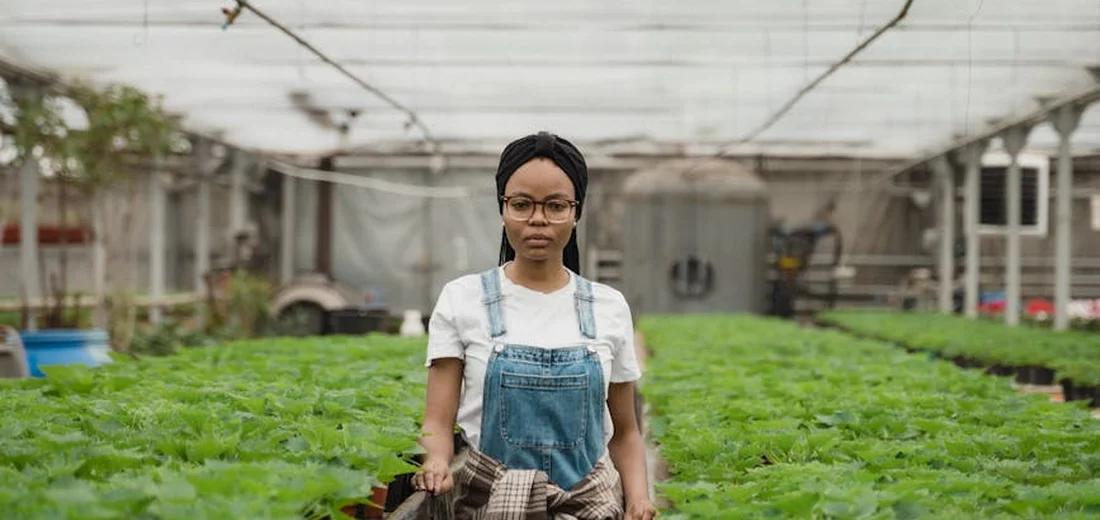
After years of trial and error with hundreds of plants, I’ve settled on a simple system that keeps my diverse collection thriving without feeling like a part-time job. The single biggest time-saver was learning to group my plants not by how they look, but by how they drink. A mixed plant collection makes that balance essential, since some plants crave more light while others need more water. Grouping by how they drink helps keep those different needs in harmony without turning care into a second job. This one change cut my plant care time in half.
Strategic Plant Grouping is a Game-Changer
I physically arrange my plants on shelves and in rooms based on their watering needs. My “Thirsty Crew” – ferns, calatheas, and peace lilies – all live together. My “Dry Gang” – snake plants, zz plants, and most of my succulents – have their own sunny corner. This zoning method means I can water entire sections at once instead of playing a confusing game of individual plant roulette.
The Two Tools I Can’t Live Without
My watering toolkit is minimal but mighty. A watering can with a long, narrow spout is my number one tool. It lets me deliver water directly to the soil without splashing the leaves, which can cause rot and fungal issues. My second MVP is a simple moisture meter. For less than $15, a moisture meter takes all the guesswork out of watering, especially for deep pots where the topsoil can be deceivingly dry. I rarely stick to a strict calendar; I let the meter tell me who is actually thirsty.
The Weekly “Check-In” Ritual
Every Sunday morning with my coffee, I do a walk-through of my plant collection. I don’t water everyone. I simply check them. I look for visual cues like drooping leaves or pale color. I use my finger to test the top two inches of soil for my medium-water plants and my moisture meter for the finicky ones. This weekly habit is more about observation than action, helping me spot small problems before they become big ones.
Never Underestimate the Power of the Pot and Soil
Your watering schedule means nothing if your plant is sitting in the wrong home. I always use pots with drainage holes. Always. For my succulents and snake plants, I use a gritty, fast-draining cactus mix. For my tropicals, I use a standard potting mix with a handful of perlite mixed in for extra aeration. The right potting mix is your first and best defense against overwatering, acting like a life jacket for your plant’s roots.
Common Questions
What is the best way to create a plant watering schedule?
The best way is to group your plants by their water needs and use a tracking method that fits your lifestyle, like a simple chart or app.
Is there a good plant watering schedule app?
Yes, several free and paid apps can send you customized reminders based on the specific needs of each plant group you create.
Where can I find a plant watering schedule template?
You can find free, printable plant watering schedule templates and sheets online to help you track your routine on paper.
Can I use a plant watering schedule template in Excel?
An Excel template is an excellent tool for creating a customizable and sortable schedule for a large or diverse plant collection.
Is a plant watering schedule PDF useful?
A PDF schedule is very useful as a portable, printable guide that you can easily reference on your phone or post on your fridge.
How can I make a plant watering schedule for kids?
Create a simple, visual schedule with pictures of the plants and fun stickers to help children learn responsibility and plant care basics. Include a kid-friendly list of essential tools and supplies for beginner plant parents—watering can, small pots, potting soil, and a moisture meter—to connect daily care with practical setup.
Your Path to Watering Wisdom
The most effective strategy is to tailor your watering to each plant’s unique needs, not a rigid calendar schedule. Focus on checking soil moisture, grouping plants with similar thirst levels, and adjusting for seasonal changes in light and temperature.
You now have the tools to care for your plant collection with confidence. Trust your instincts, observe your plants closely, and enjoy the rewarding journey of helping your green family thrive.
Further Reading & Sources
- How to Create a Simple Plant-Watering Schedule | Lifehacker
- Watering Schedules
- Samples of Irrigation Schedules
- LAWN & LANDSCAPE WATERING SCHEDULE HOW TO USE THE WATERING SCHEDULE
Lena Greenfield is a passionate horticulturist and plant care expert with over 10 years of experience cultivating and nurturing hardy house plants. With a deep understanding of both indoor and outdoor gardening, Lena shares practical advice on choosing, caring for, and maintaining resilient plants that flourish year-round. Through her knowledge and hands-on approach, Lena helps plant lovers transform their spaces into vibrant, green sanctuaries, no matter their gardening experience.
Watering Practices